Traveling with a firearm requires careful planning and strict adherence to federal, state, and airline regulations. The process can seem daunting, but understanding each step ensures a smooth and compliant journey. This guide provides a detailed breakdown of how to properly declare your firearm at the airport, covering everything from pre-trip preparation to firearm retrieval at your destination.
Ignoring regulations can lead to serious legal consequences, including fines, firearm confiscation, and even criminal charges. Therefore, meticulous attention to detail is paramount. We will cover important aspects like proper case selection, ammunition handling, interacting with airline staff and TSA, and critical safety considerations. Remember, regulations are subject to change, so it is always best practice to verify the most up-to-date information with both the TSA and your specific airline before your travel date.
This guide aims to empower you with the knowledge and confidence to navigate the firearm declaration process efficiently and lawfully, making your travel experience as stress-free as possible. By following these steps, you can ensure that you're handling your firearm responsibly and in accordance with all applicable rules and laws.
Step 1: Selecting the Right Hard-Sided Case
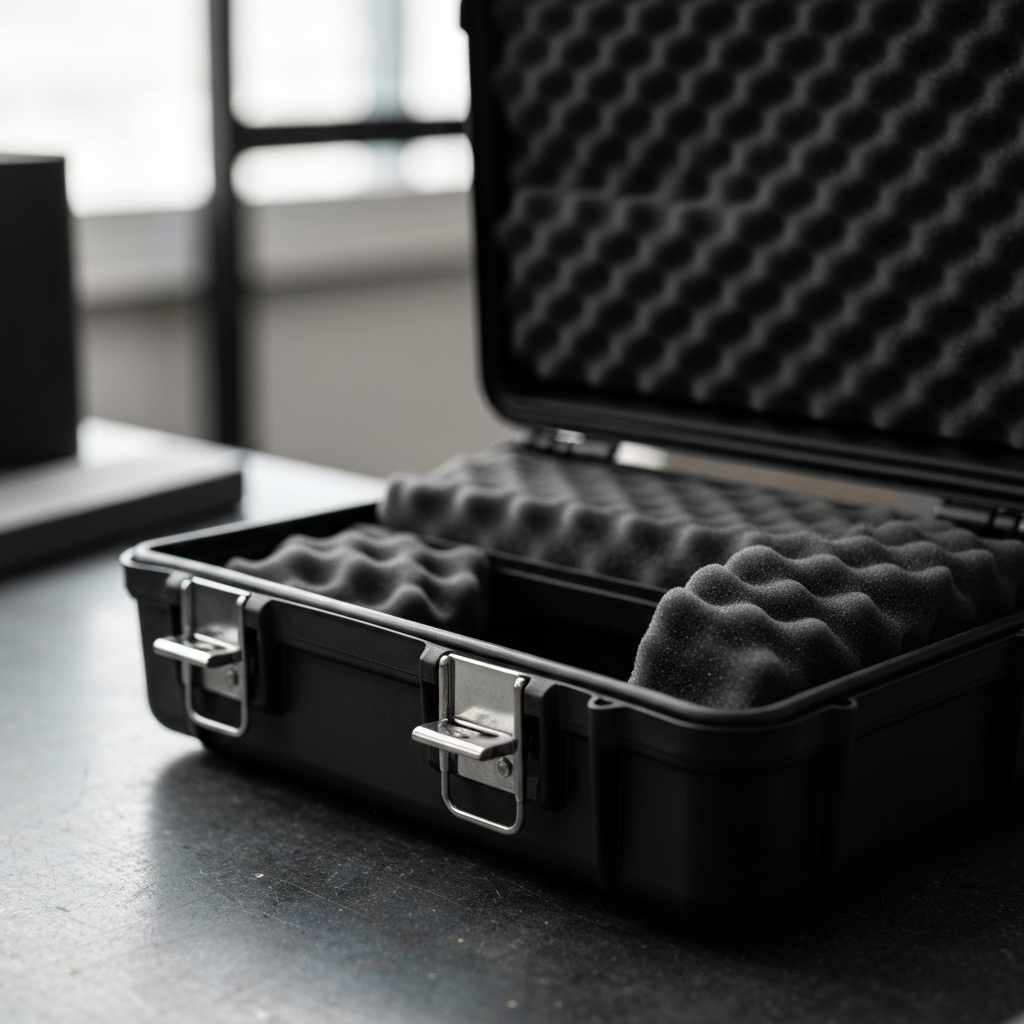
Before heading to the airport, the first crucial step is selecting an appropriate hard-sided case. TSA regulations mandate that all firearms must be transported in a locked, hard-sided container. Soft cases, even with locks, are not permitted. The case should be sturdy enough to withstand the rigors of baggage handling and prevent unauthorized access to the firearm. Consider investing in a high-quality case specifically designed for firearm transport, as these often include features like customizable foam inserts for secure firearm placement. Double-check that the case is completely free of any external markings that might draw unwanted attention.
Step 2: Unloading Your Firearm Completely
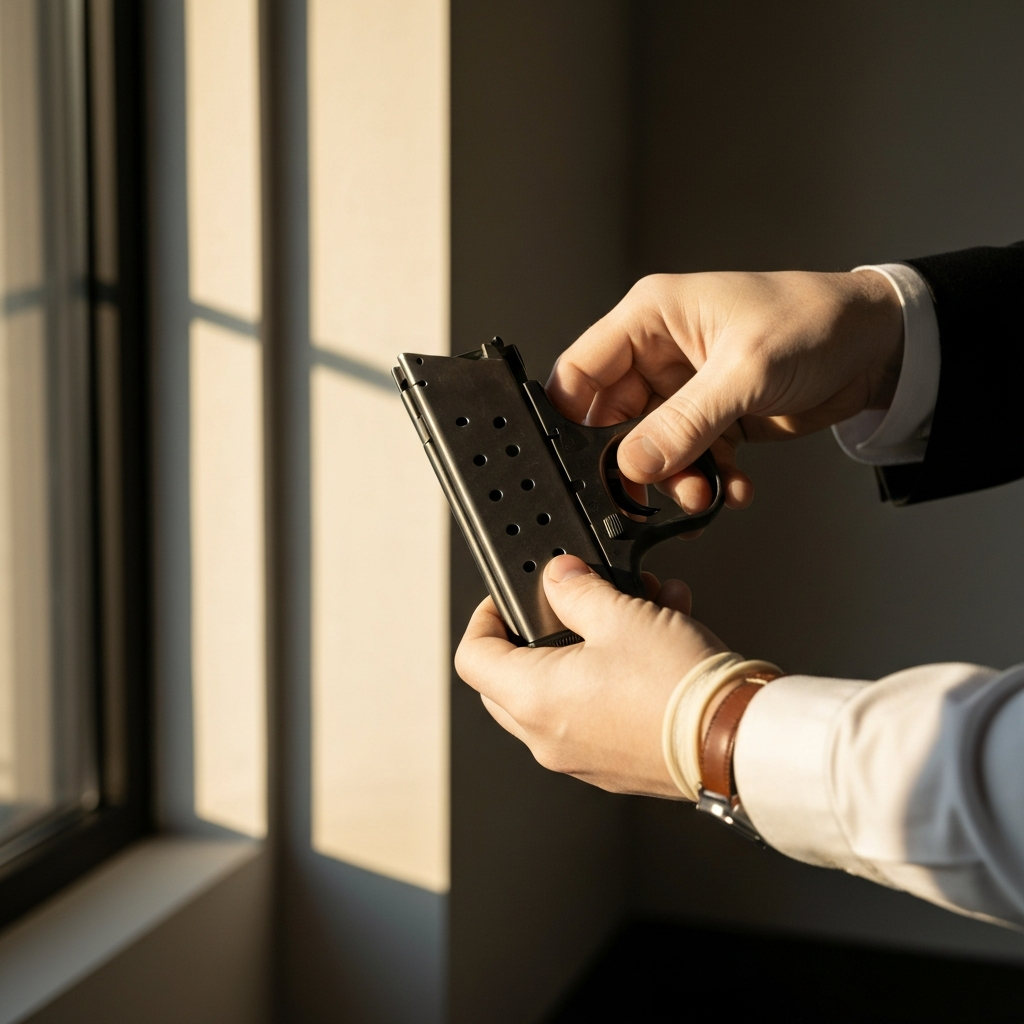
The next critical step is to ensure your firearm is completely unloaded. This includes removing the magazine and any rounds from the chamber. Visually inspect the chamber multiple times to confirm it is empty. Never assume a firearm is unloaded; always double-check. This is not just a regulatory requirement but a fundamental safety practice. Retain the magazine separate from the firearm, ideally secured within the same hard-sided case but not directly attached to the firearm. Safe gun handling practices should always be observed during this process; point the firearm in a safe direction and keep your finger off the trigger.
Step 3: Storing Ammunition Properly
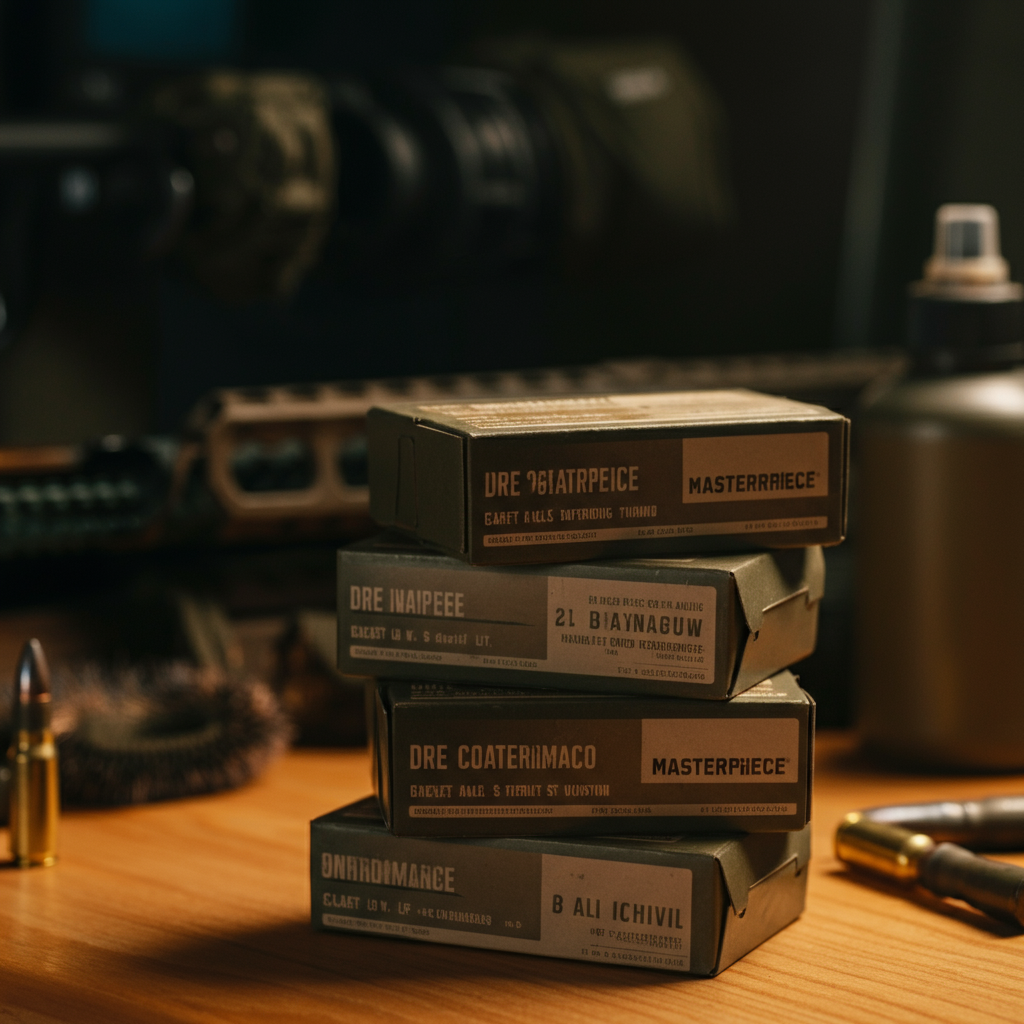
Ammunition must also be transported safely and in accordance with regulations. Generally, ammunition should be stored in its original packaging or within a container specifically designed for ammunition. Ammunition cannot be loose in your luggage. The weight limits for ammunition vary by airline, so be sure to verify the specifics with your carrier. Ammunition is typically allowed in the same hard-sided case as the firearm, but it must be securely separated from the firearm itself. Never pack ammunition in magazines or speedloaders; it must be transported in a separate, secure container.
Step 4: Packing the Firearm and Ammunition
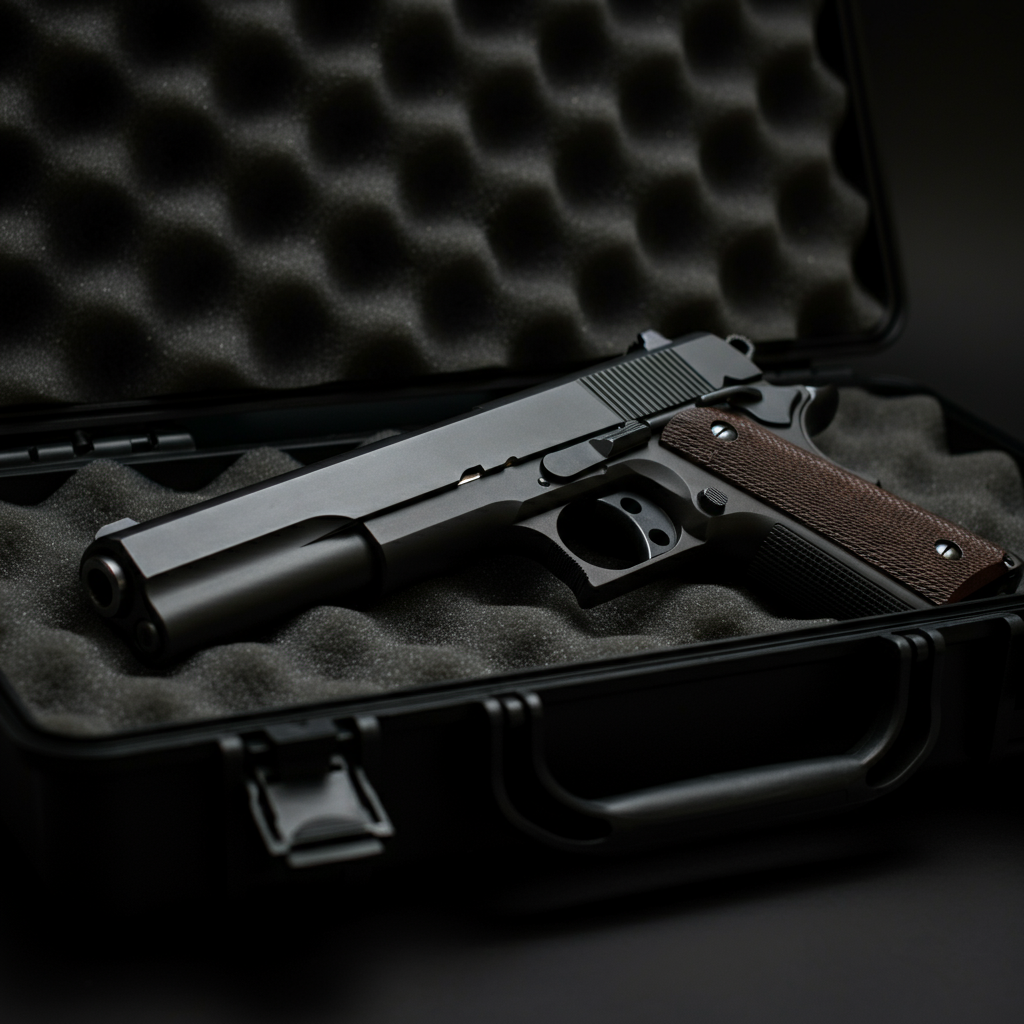
Carefully place the unloaded firearm and securely packaged ammunition within the hard-sided case. Use padding, such as the foam inserts that often come with firearm cases, to prevent movement during transit. The goal is to ensure that the firearm and ammunition are protected from damage and cannot shift around inside the case. Double-check that the firearm is not accessible without opening the locked case. The magazine should be kept separate but within the same locked container, either alongside the firearm or nestled in the provided foam padding.
Step 5: Locking the Hard-Sided Case
Once the firearm and ammunition are securely packed, close and lock the hard-sided case. TSA regulations require the case to be locked with a lock that prevents access to the firearm without the key or combination. Use a sturdy padlock, preferably one that is TSA-approved, although TSA-approved locks are NOT recommended as they allow TSA to open your firearm case without your presence. Ensure the lock is properly secured and cannot be easily tampered with. For cases with multiple locking points, utilize all of them for maximum security.
Step 6: Declaring Your Firearm at the Ticket Counter
Upon arrival at the airport, proceed to the airline's ticket counter. It's crucial to declare your firearm to the airline representative immediately. Do not attempt to conceal the firearm or bypass this step. Inform the agent that you are traveling with a firearm and need to declare it. The agent will provide you with a firearm declaration form, which you must complete accurately and honestly. They may also ask for identification and your flight information.

Step 7: Completing the Firearm Declaration Form
The firearm declaration form is a critical document, and it's essential to fill it out accurately and completely. The form typically asks for your name, address, flight information, and a confirmation that the firearm is unloaded and properly secured. Read the form carefully and answer all questions truthfully. Sign the form and retain a copy for your records. The airline agent will attach the declaration form to your baggage.

Step 8: Following Airline Instructions and TSA Procedures
After declaring your firearm and completing the necessary paperwork, follow the airline agent's instructions. They will typically guide you on the next steps, which may involve taking your checked baggage to a designated TSA screening area. Cooperate fully with TSA personnel and answer any questions they may have. They may need to inspect your firearm case to ensure it complies with regulations. Be prepared to unlock the case for inspection, if requested, and remain present during the screening process.
Step 9: Retrieving Your Firearm at Your Destination
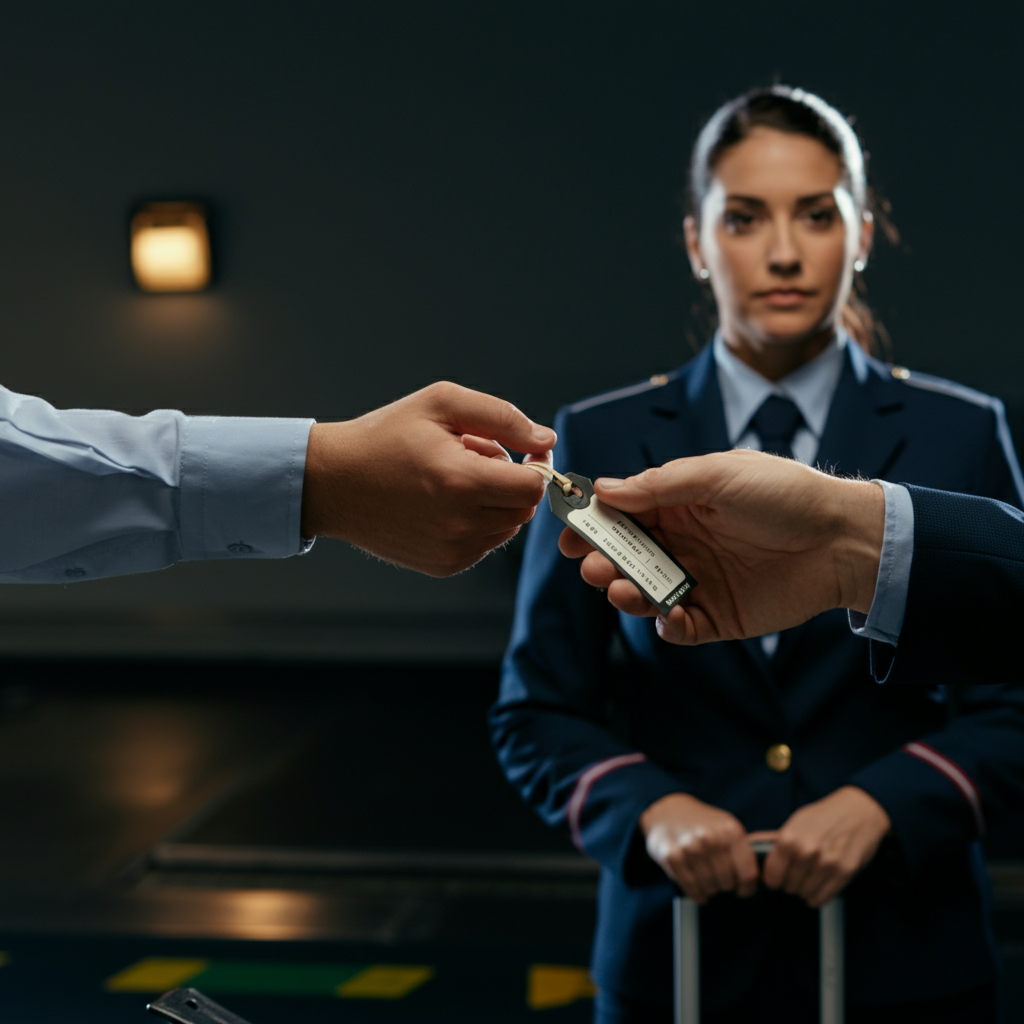
Upon arrival at your destination, retrieve your baggage from the designated oversized baggage claim area. This is where firearms are typically delivered. You may need to present your identification and baggage claim ticket to claim your firearm. Inspect your firearm case immediately to ensure it hasn't been damaged during transit. If you notice any damage or tampering, report it to the airline immediately.
Common Mistakes to Avoid
- Assuming you know the regulations: Always verify the most up-to-date regulations with the TSA and your airline before traveling. Regulations can change frequently.
- Using the wrong type of case: Only hard-sided cases are permitted. Soft cases are not acceptable, even with locks.
- Failing to declare your firearm: Attempting to conceal a firearm is a serious offense. Always declare your firearm to the airline.
- Packing ammunition improperly: Ammunition must be securely packaged and separate from the firearm.
Safety Considerations
- Treat every firearm as if it is loaded: Even after unloading, handle firearms with the utmost care.
- Keep your finger off the trigger: Only place your finger on the trigger when you are ready to fire.
- Be aware of your surroundings: Always point the firearm in a safe direction.
FAQ Section
Q: Can I use a TSA-approved lock on my firearm case?
A: While technically permissible, TSA-approved locks are generally not recommended for firearm cases as they allow TSA personnel to open the case without your presence, which can raise security concerns. A standard padlock is often a better choice.
Q: What happens if my firearm case is damaged during transit?
A: Report the damage to the airline immediately and file a claim. Document the damage with photos and retain all relevant paperwork.
Q: Can I travel with a loaded magazine?
A: No, magazines must be unloaded and stored separately from the firearm.
Conclusion
Declaring a firearm at the airport involves a series of essential steps, each designed to ensure safety and compliance with regulations. By carefully selecting the right hard-sided case, unloading the firearm completely, storing ammunition properly, declaring your firearm to the airline, and following TSA procedures, you can navigate the process successfully. Remember, thorough preparation and attention to detail are key to a smooth and lawful travel experience with your firearm. Always double-check regulations with the TSA and your airline before you travel, as rules and procedures can change. Safe travels!