The loss of a beloved pet can be one of the most profoundly painful experiences in life. For many, pets are not just animals, but cherished members of the family, offering unconditional love, companionship, and unwavering support. The grief experienced after their passing is real, valid, and deserves to be acknowledged.
This guide aims to provide practical steps and compassionate advice to help you navigate the difficult journey of pet loss. We understand that grief is a personal process, and there's no right or wrong way to feel. Our goal is to offer support and tools to help you cope, heal, and eventually find a way to cherish the memories of your beloved companion without being overwhelmed by sadness. Remember, you are not alone, and healing is possible.
The following steps are designed to help you through the initial shock and pain, offering strategies to manage your emotions and begin the process of moving forward. It's important to remember that healing takes time, and it's okay to seek professional help if you're struggling to cope.
Step 1: Acknowledge and Validate Your Grief
It's crucial to acknowledge that your grief is real and valid. Don't let anyone minimize your feelings or tell you to "just get over it." The bond you shared with your pet was significant, and it's natural to feel a deep sense of loss. Allow yourself to feel the emotions that arise, whether it's sadness, anger, guilt, or confusion. Suppressing your feelings can prolong the healing process. Write down your feelings in a journal, talk to a trusted friend or family member, or seek support from a pet loss support group.

Step 2: Practice Self-Care
Grief can be physically and emotionally exhausting. Prioritizing self-care is essential during this difficult time. Ensure you're getting enough sleep, eating nutritious meals, and engaging in gentle exercise. Avoid relying on alcohol or other substances to numb your pain, as this can hinder your healing. Engage in activities that bring you comfort and relaxation, such as reading, listening to music, spending time in nature, or taking a warm bath.

Step 3: Create a Memorial
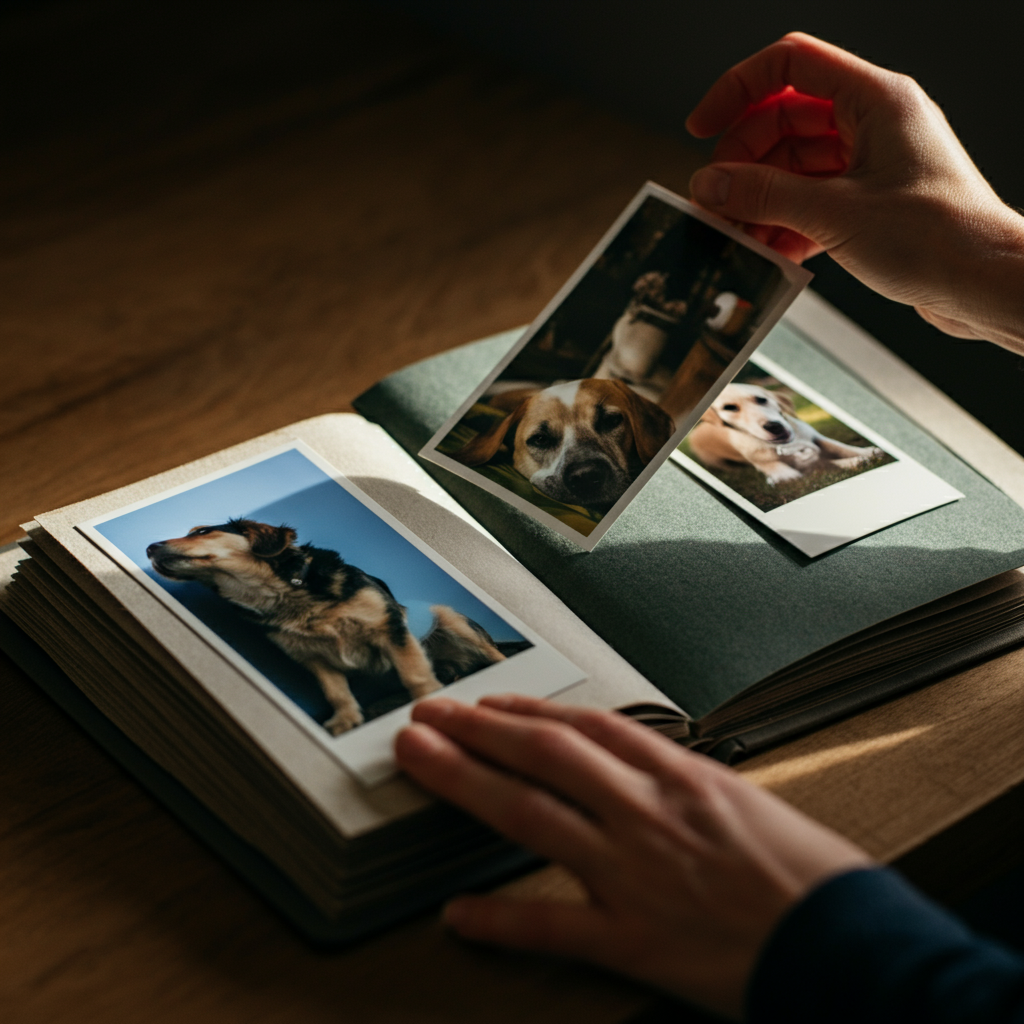
Creating a memorial can be a therapeutic way to honor your pet's memory and celebrate the joy they brought to your life. This could involve creating a scrapbook filled with photos and memories, planting a tree or flower in their honor, or commissioning a piece of artwork. You could also donate to an animal charity in their name. The key is to create something that feels meaningful to you and serves as a lasting tribute to your beloved companion.
Step 4: Establish a Routine
The absence of your pet can disrupt your daily routine, leaving you feeling lost and aimless. Establishing a new routine can provide a sense of structure and normalcy. This could involve setting specific times for meals, exercise, and social activities. While it's important to allow yourself time to grieve, avoid isolating yourself for extended periods. Gradually incorporating new activities and interests into your routine can help you rediscover joy and purpose.

Step 5: Consider Professional Support
If you're struggling to cope with the loss of your pet, don't hesitate to seek professional support. A therapist or counselor specializing in grief and pet loss can provide a safe and supportive space for you to process your emotions and develop healthy coping strategies. They can also help you address any feelings of guilt, anger, or depression that may be hindering your healing. Remember that seeking help is a sign of strength, not weakness.

Step 6: Be Patient with Yourself
Grief is a process, not an event. There will be good days and bad days. It's okay to cry, to feel sad, and to miss your pet. Don't put pressure on yourself to "get over it" quickly. Allow yourself the time and space you need to heal. With time, the intensity of your grief will lessen, and you'll be able to remember your pet with more joy than sorrow.

Common Mistakes to Avoid
- Suppressing your emotions.
- Isolating yourself from loved ones.
- Making rash decisions, such as immediately getting another pet without fully processing your grief.
- Comparing your grief to others' experiences.
FAQ Section
Q: Is it normal to feel this sad over the loss of a pet?
A: Absolutely. The bond you shared with your pet was likely a significant one, and it's perfectly normal to experience intense sadness, grief, and a range of other emotions.
Q: When is the right time to get another pet?
A: There's no one-size-fits-all answer. It's important to allow yourself time to grieve and heal before bringing another pet into your life. Ensure you're doing it for the right reasons, not to simply replace your lost companion.
Q: How can I support a friend who is grieving the loss of a pet?
A: Offer your support and understanding. Listen without judgment, and validate their feelings. Avoid minimizing their grief or offering unsolicited advice. Simple gestures, such as sending a card or offering to run errands, can make a big difference.
Conclusion
The loss of a pet is a deeply personal and painful experience. Remember to acknowledge your grief, prioritize self-care, create a memorial, establish a routine, and seek professional support if needed. Be patient with yourself, and know that healing is possible. Your pet may be gone, but the love and memories you shared will live on forever. Allow yourself to heal, cherish the memories, and remember the joy your pet brought into your life.