The word "crudo" carries a surprising amount of weight, dependent entirely on the context in which it's used. While it's increasingly common to spot "crudo" on restaurant menus, signaling a dish of delicately prepared raw fish, its roots extend much deeper. Understanding the nuances of "crudo" unlocks a broader appreciation for both culinary trends and colloquial Spanish.
This guide aims to provide a comprehensive understanding of the term "crudo," exploring its various meanings, appropriate usage, and culinary applications. From deciphering slang to confidently ordering off a menu, you'll gain the knowledge to navigate the word "crudo" with ease. We will delve into the origins of the term and provide practical examples of how it is used.
Whether you're a seasoned foodie or a language enthusiast, this exploration into the world of "crudo" offers something for everyone. Let's embark on this journey to understand the multifaceted meaning behind this intriguing word.
Step 1: The Hangover Meaning: "Crudo/Cruda" as Spanish Slang
In the realm of Spanish slang, "crudo" (masculine) or "cruda" (feminine) translates to "hungover." More specifically, it describes the unpleasant aftermath of excessive alcohol consumption. The key takeaway here is grammatical gender agreement. When referring to *being* hungover (adjective), use "crudo" if you are male and "cruda" if you are female. When referring to *the* hangover (noun), use "la cruda," which is feminine regardless of your gender. This usage is prevalent throughout Latin America, with particular emphasis in Mexico.

Step 2: "Crudo" in the Culinary World: Raw Seafood Dishes
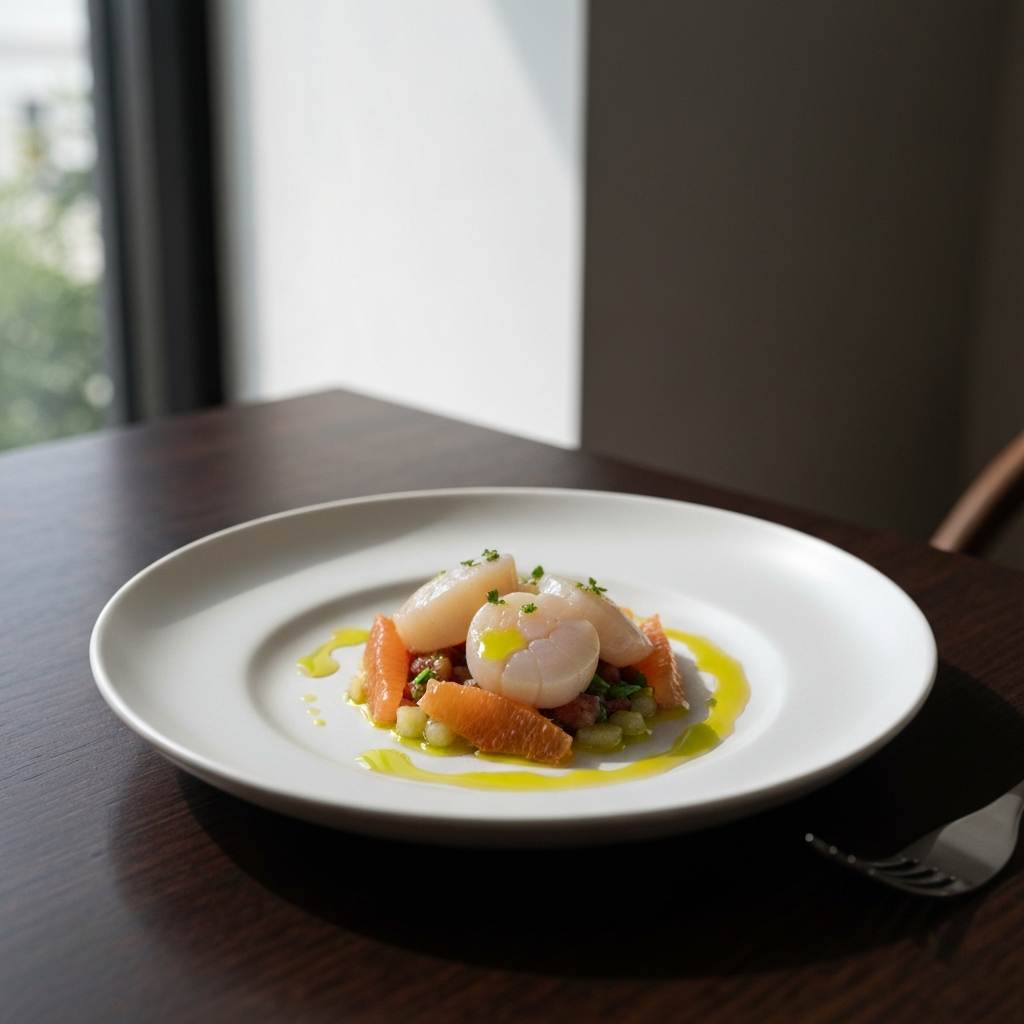
Beyond the slang definition, "crudo" has made its mark in the culinary world as a term for raw seafood dishes, particularly those prepared with Italian influences. Think of it as Italy's answer to sashimi. These dishes typically feature thinly sliced raw fish or shellfish, such as tuna, scallops, or hamachi, dressed with citrus, olive oil, and herbs. The freshness of the seafood is paramount in a good crudo. The origin of this culinary trend in the US can be traced back to Mario Batali's restaurant Esca, which introduced the term on its menu in the early 2000s, popularizing it amongst foodies.
Step 3: "Crudo/Cruda" as "Crude" or "Harsh"
Adding another layer to its meaning, "crudo" (masculine) or "cruda" (feminine) can also describe a person's character or a situation as "crude," "harsh," or "blunt." If someone is "crudo," they might be known for their unfiltered honesty or lack of tact. Similarly, a situation described as "cruda" is unpleasant or difficult. Use this meaning with caution, as it can be easily interpreted as offensive depending on context and tone. It's essential to be mindful of your audience and the potential impact of your words.

Step 4: Examples of Crudo Dishes and Preparations
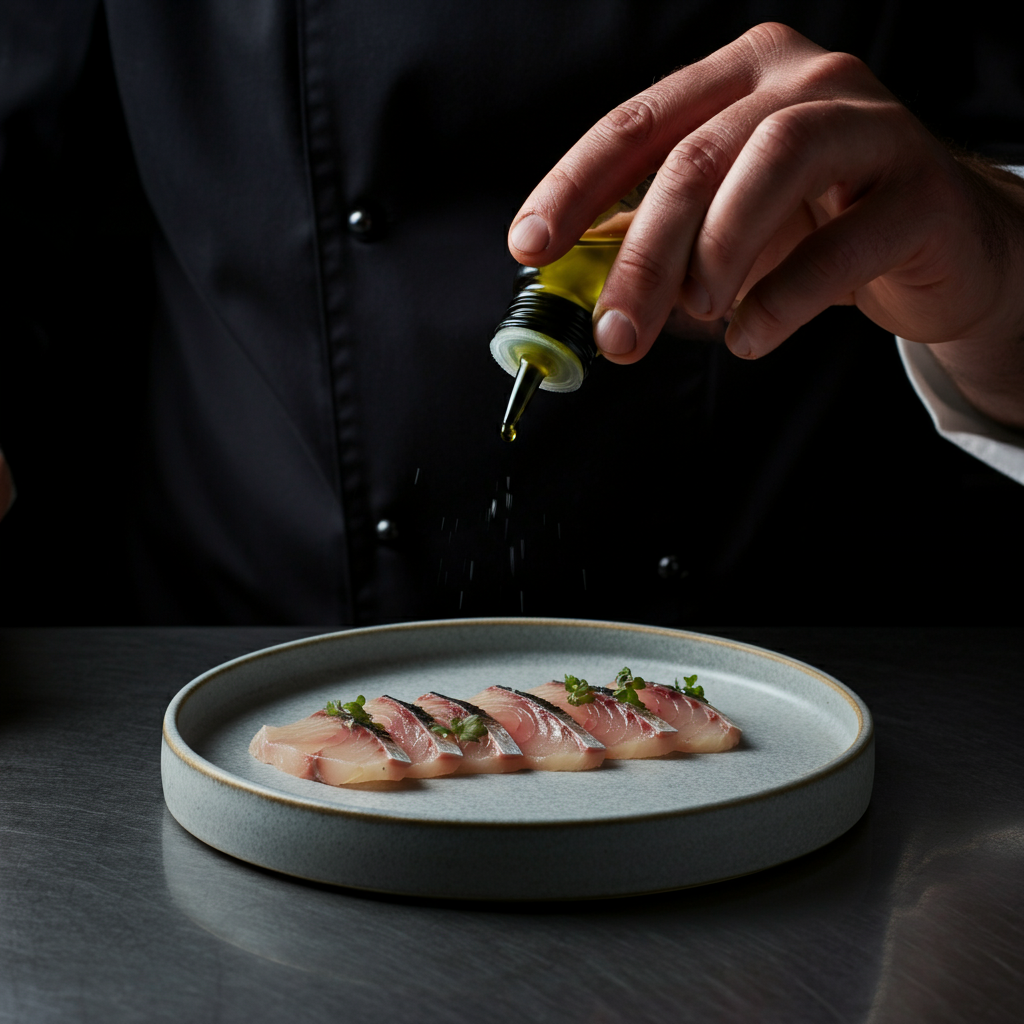
While specific recipes vary widely, the core elements of a crudo dish remain consistent: high-quality raw ingredients, simple seasonings, and careful presentation. Some popular variations include scallop crudo with lemon and olive oil, tuna crudo with citrus vinaigrette, and hamachi crudo with microgreens. Don't be afraid to experiment with different types of seafood and vegetables. For example, shaved zucchini crudo or carrot crudo offers a refreshing vegetarian alternative, and a melon and avocado crudo offers a unique flavor profile.
Step 5: Distinguishing Crudo from Similar Dishes
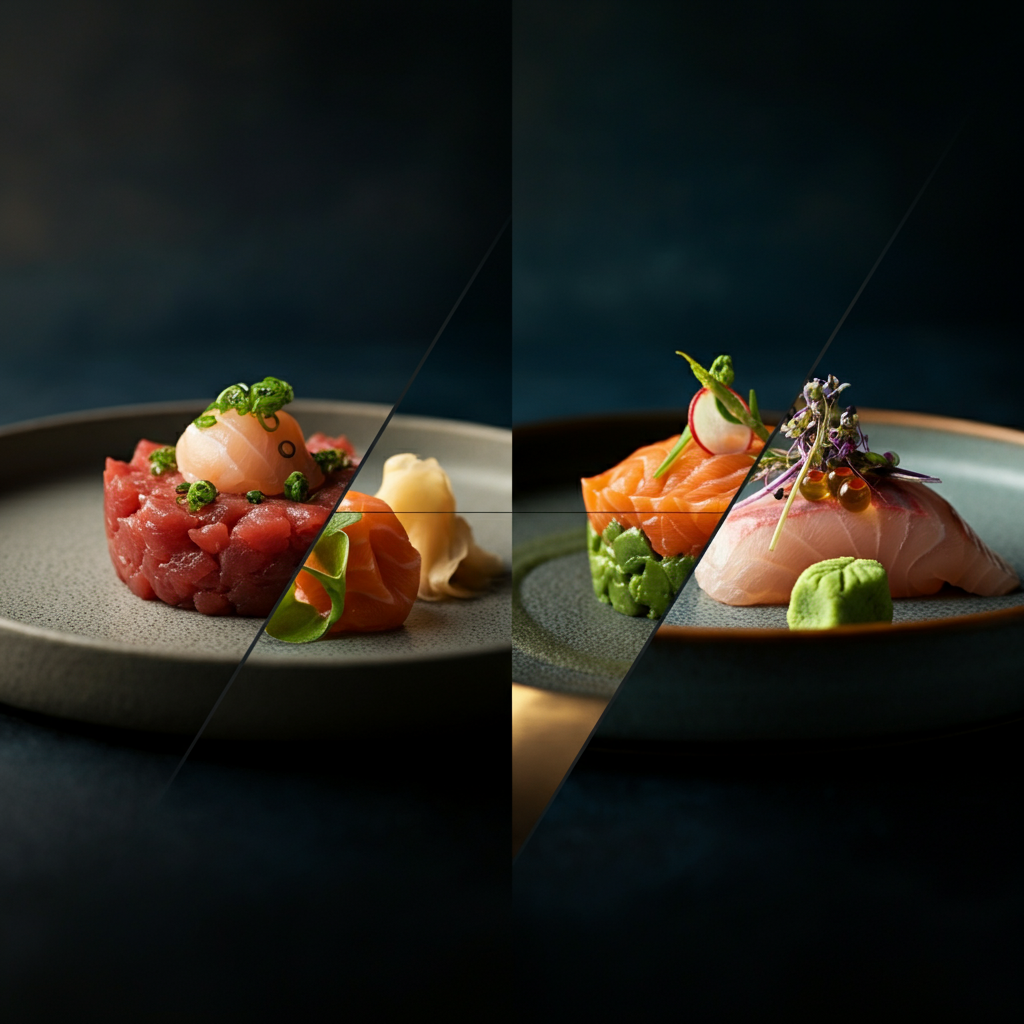
Crudo shares similarities with other raw food dishes from around the world, such as sashimi, tartare, carpaccio, ceviche, and tiradito. Understanding the subtle differences is key to appreciating each culinary tradition. Sashimi, from Japan, emphasizes the pristine quality of the fish itself. Tartare, often made with meat, involves finely minced ingredients combined with sauces and seasonings. Carpaccio features thinly sliced meat drizzled with oil. Ceviche, a Peruvian dish, relies on citrus juice to "cook" the seafood through marination. Finally, tiradito is similar to ceviche, but cut into slices and marinated for a shorter time.
Pro Tips
- Source the freshest ingredients: This is especially critical when serving raw fish.
- Use high-quality olive oil: The olive oil is a key flavor component.
- Season with care: A light touch allows the natural flavors of the ingredients to shine through.
- Consider texture: Add elements with textural contrast for a more interesting bite.
- Experiment with different citrus fruits: Lemon, lime, and grapefruit can each bring a unique dimension to the dish.
FAQ Section
- Is crudo safe to eat?
- When prepared with high-quality, fresh seafood sourced from reputable suppliers and handled with proper hygiene, crudo is generally safe to eat. However, individuals with compromised immune systems should consult with their doctor before consuming raw seafood.
- Can I make crudo at home?
- Yes, with the right ingredients and attention to detail, you can certainly make crudo at home. Be sure to source sushi-grade fish from a trusted fishmonger and follow safe food handling practices.
- What wine pairs well with crudo?
- Crisp, dry white wines like Sauvignon Blanc, Pinot Grigio, or Albariño are excellent choices to pair with crudo. The acidity of the wine complements the richness of the seafood.
Conclusion
From describing a post-party hangover to gracing the menus of upscale restaurants, the word "crudo" possesses a fascinating duality. Understanding its multifaceted nature, encompassing both slang and culinary applications, enhances our appreciation for language and culture. Remember to consider context when using or interpreting the word, and you'll be well-equipped to navigate any conversation or dining experience involving "crudo." So, the next time you encounter "crudo," whether in a conversation or on a menu, you'll have the knowledge to fully understand its meaning and context.