Cotton slime is the latest sensation sweeping through the DIY community, prized for its incredibly soft texture and ease of creation. Unlike traditional slime recipes, cotton slime requires absolutely no glue, making it a more accessible and less messy option for slime enthusiasts of all ages. This guide will walk you through the simple steps to create your own batch of wonderfully fluffy cotton slime, offering expert tips and tricks along the way to ensure slime-making success.
The beauty of cotton slime lies in its simplicity. With just a few common household ingredients, you can whip up a batch of slime that's perfect for sensory play, stress relief, or simply as a fun and engaging craft project. Get ready to transform ordinary cotton and soap into an extraordinary tactile experience. This recipe is exceptionally beginner-friendly, but we'll highlight potential pitfalls and how to overcome them.
Before you begin, gather your supplies and prepare your workspace. A clean, flat surface is ideal, and remember that while cotton slime is generally less messy than glue-based slimes, spills can still happen. Let's dive in and create some amazing cotton slime!
Step 1: Gather Your Ingredients
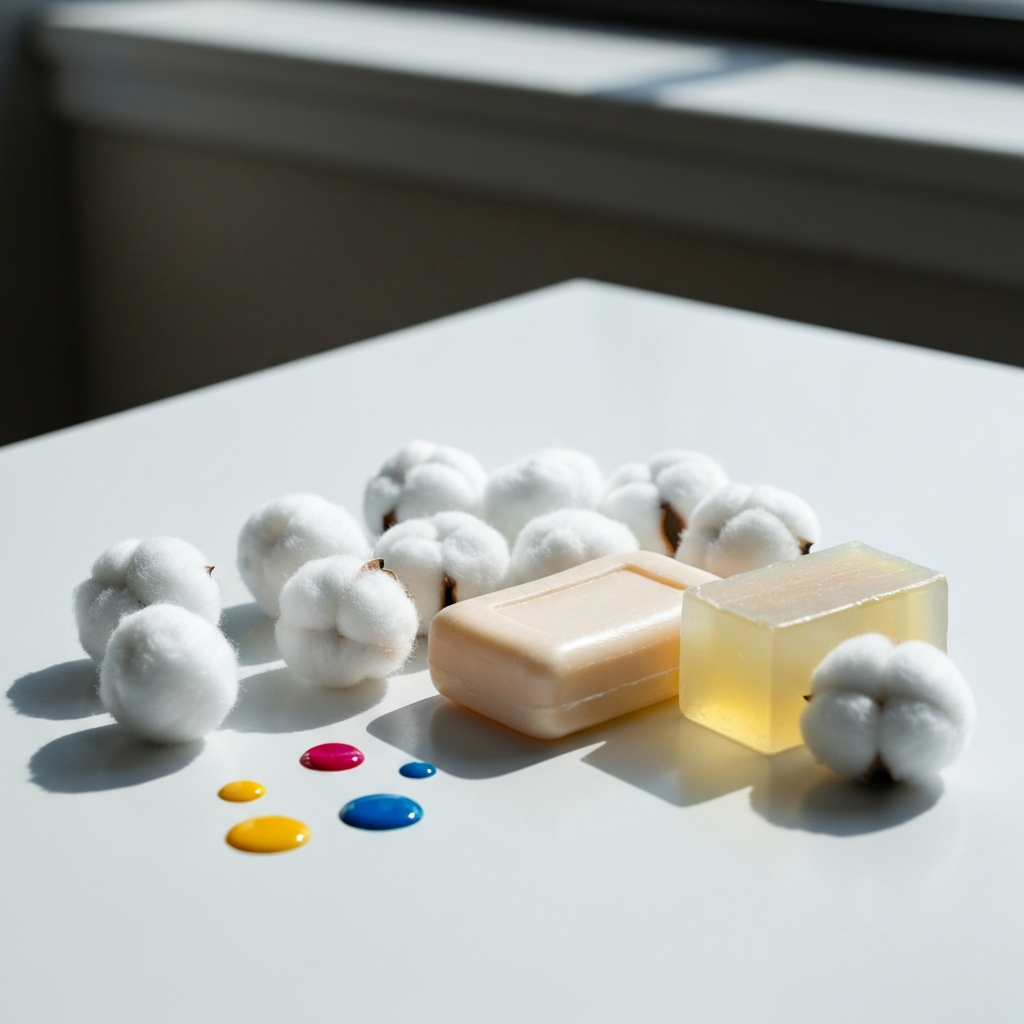
To embark on your cotton slime adventure, you'll need only a handful of readily available ingredients. The core components are cotton stuffing (cotton balls, cotton from a pillow – ensuring it's clean, or stuffing from a teddy bear all work), and soap or shampoo. Any type of soap will do, but a thicker, more viscous soap tends to yield better results. Optionally, if you want to add a splash of color, grab some food coloring. Consider gel food coloring for more vibrant results.
Step 2: Prepare the Cotton
Grab a mixing bowl – a standard-sized bowl used for cereal or mixing ingredients is perfect. Place your cotton stuffing into the bowl. The amount of cotton you use will determine the final volume of your slime. A good starting point is to fill the bowl completely with cotton, leaving a little room at the top. You can always add more cotton later to adjust the texture, so it's better to start with slightly less and gradually build up.
Step 3: Add the Soap (and Food Coloring, if Desired)
Now comes the fun part: adding the soap! Gently squeeze soap over the cotton in the bowl. Don't dump it all in at once. Aim for a ratio where the cotton is generously coated but not completely submerged. If you're using food coloring, add a few drops to the soap before you pour it onto the cotton. This will help ensure a more even distribution of color throughout the slime. Remember, a little food coloring goes a long way!
Step 4: Mix and Knead
First, use a spoon or spatula to gently combine the cotton and soap. The mixture will likely be clumpy and uneven at this stage, and that's perfectly normal. Once the ingredients are initially combined, it's time to get your hands dirty! Remove the mixture from the bowl and begin kneading it like dough. The warmth of your hands and the pressure of kneading will help the soap and cotton fibers bind together, creating that signature stretchy, fluffy texture. This process may take several minutes, so be patient and keep working the slime.
Step 5: Adjust the Texture
This is where you fine-tune your slime to achieve the perfect consistency. If your slime is too sticky or wet, gradually add more cotton stuffing, a small pinch at a time, and continue kneading until the stickiness subsides. Conversely, if your slime is too dry or stiff, add a bit more soap, a tiny squeeze at a time, and knead it in thoroughly. Be patient and make small adjustments, as adding too much of either ingredient can throw off the balance.
Step 6: Play and Enjoy!
Congratulations, you've successfully created cotton slime! Now it's time to unleash your creativity and have some fun. Cotton slime is perfect for stretching, squeezing, and squishing. Its unique texture makes it an excellent sensory toy for both children and adults. However, be mindful of surfaces, as the slime can sometimes leave a slight residue. Playing on a clean, non-porous surface is recommended.
Safety Considerations
While cotton slime is generally safe, it's important to take a few precautions. Supervise young children during play to prevent them from putting the slime in their mouths. The slime is not edible and could pose a choking hazard. Also, be aware of any potential allergies to the soap or shampoo you're using. If you notice any skin irritation, discontinue use immediately and wash your hands thoroughly. It's always a good idea to wash your hands after playing with slime, regardless.
Pro Tips
- Use quality soap: A higher quality, thicker soap tends to produce a better slime texture. Experiment with different brands to see what works best.
- Warm hands help: Kneading the slime with warm hands can help the ingredients bind together more effectively.
- Storage is key: Store your cotton slime in an airtight container or Ziploc bag to prevent it from drying out.
- Add scent: A few drops of essential oil can add a pleasant aroma to your slime.
Common Mistakes to Avoid
- Adding too much soap: This can result in a slime that's too wet and sticky. Start with a small amount and add more gradually.
- Using dirty cotton: Make sure your cotton is clean and free from debris before using it to make slime.
- Over-kneading: While kneading is important, overdoing it can make the slime tough.
FAQ Section
Q: How long does cotton slime last?
A: When stored properly in an airtight container, cotton slime can last for several weeks.
Q: Can I add glitter to cotton slime?
A: Yes, you can! Add glitter during the mixing stage for a sparkly slime.
Q: My slime is too sticky. What should I do?
A: Add a small amount of cotton stuffing and continue kneading.
Q: My slime is too dry. What should I do?
A: Add a tiny bit of soap or shampoo and knead it in thoroughly.
Q: What if my child puts the slime in their mouth?
A: Remove the slime immediately and rinse their mouth with water. Monitor them for any adverse reactions. Although generally safe, soap ingestion can cause stomach upset in some individuals.
Tools or Materials Required
- Cotton Stuffing (cotton balls, clean pillow stuffing)
- Soap or Shampoo
- Food Coloring (optional)
- Mixing Bowl
- Spoon or Spatula
- Airtight Container for Storage
Conclusion
Creating cotton slime is a fun, easy, and rewarding activity that requires minimal ingredients and effort. With this guide, you have the knowledge and expertise to craft your own batch of wonderfully fluffy slime. Remember to experiment with different soaps and color combinations to personalize your slime and make it truly unique. So go ahead, gather your supplies, and get ready to experience the tactile delight of cotton slime!