Chin dimples, often described as a bumpy or orange-peel-like texture on the chin, are a common cosmetic concern for many. While some individuals embrace their unique appearance, others seek ways to minimize or eliminate them. Understanding the causes and available treatments is key to making an informed decision about whether and how to address chin dimples. This guide provides an in-depth look at chin dimples, exploring their origins, differentiating them from cleft chins, and outlining the various treatment options available.
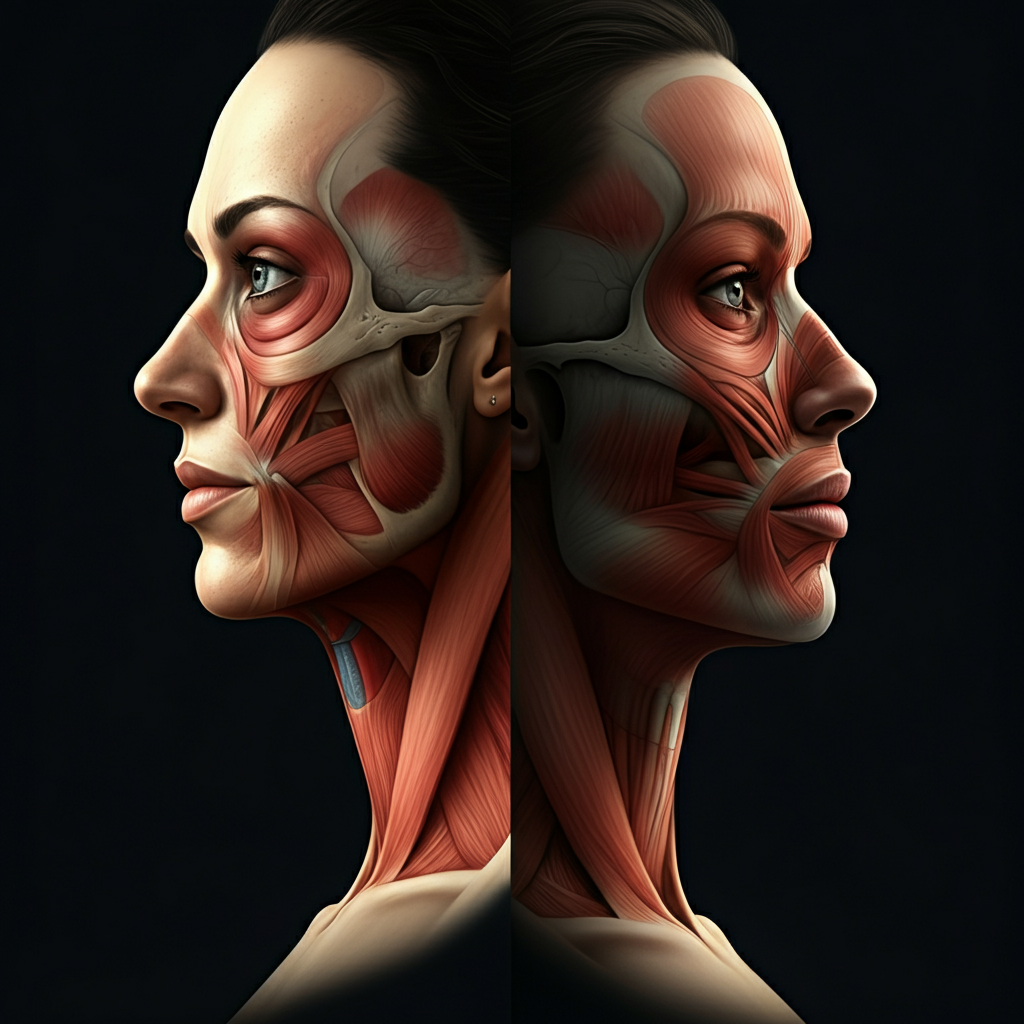
Double board-certified dermatologist Dr. Ellen Turner explains that chin dimples, also known as *peau d’orange*, are primarily caused by the contraction of the mentalis muscle. This muscle, located in the chin, plays a crucial role in facial expressions. When the mentalis muscle contracts, it pulls on the skin, creating the characteristic dimpled appearance. This effect is often more pronounced during certain facial movements or expressions. As we age, the loss of elasticity and collagen in the skin can further exacerbate the appearance of chin dimples.
This guide aims to equip you with the knowledge necessary to understand your chin dimples and explore potential solutions. From non-invasive treatments like Botox and dermal fillers to more permanent surgical options, we will cover a range of approaches to help you achieve your aesthetic goals. It's important to consult with a qualified medical professional to determine the best course of action based on your individual circumstances and desired outcomes.
Whether you're simply curious about chin dimples or actively seeking treatment, this guide is your comprehensive resource. Let's delve into the details.
Step 1: Identifying Chin Dimples: What Are They?
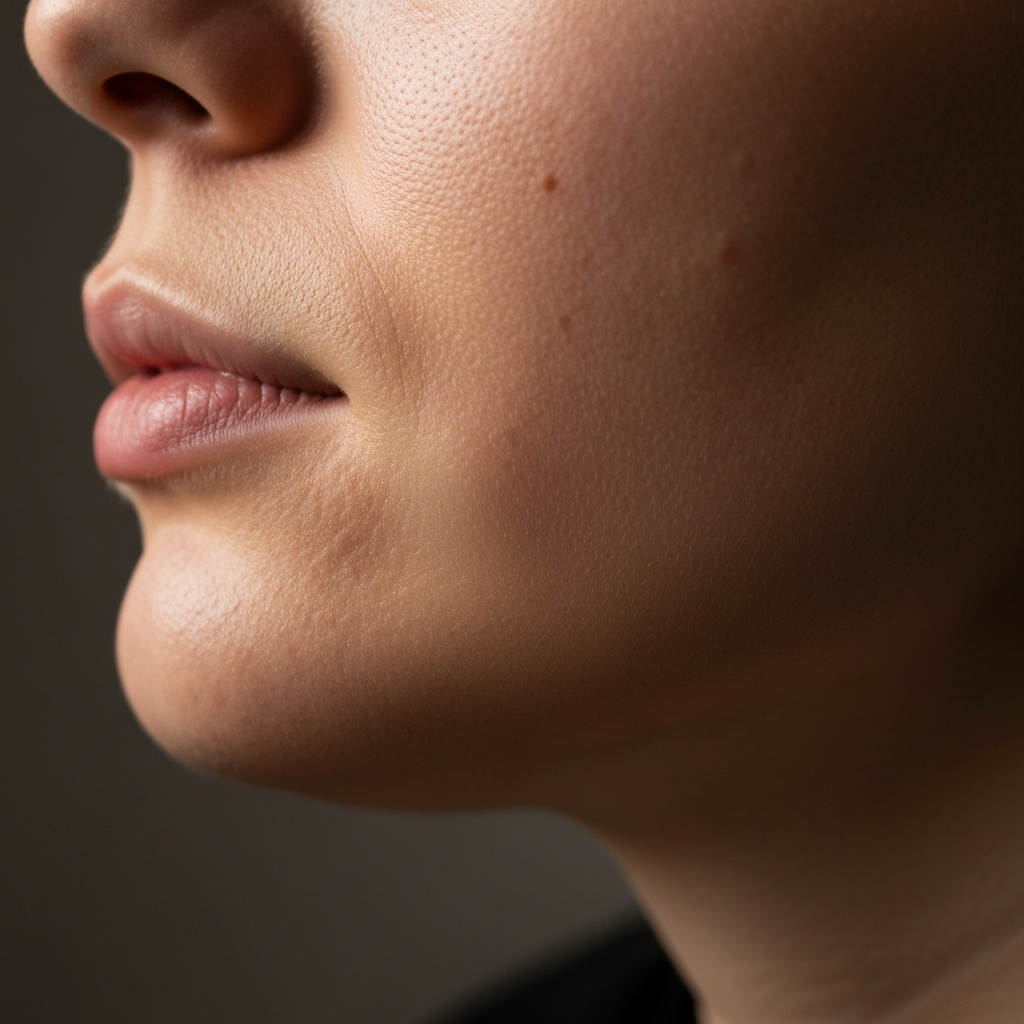
Chin dimples are characterized by a bumpy or uneven texture on the surface of the chin. They are often referred to as "peau d'orange" (French for "orange peel skin") due to their resemblance to the texture of an orange peel. This dimpling effect is caused by the underlying mentalis muscle contracting and pulling on the skin. The visibility of chin dimples can vary, with some individuals exhibiting a more pronounced texture than others. They may be more noticeable when making certain facial expressions, such as frowning or pursing the lips.
Step 2: Understanding the Causes: Why Do Chin Dimples Develop?
Several factors contribute to the development of chin dimples. The primary cause is the activity of the mentalis muscle, which is responsible for controlling chin movement and expression. A hyperactive mentalis muscle, which contracts frequently or with significant force, can lead to the formation of dimples over time. Additionally, aging plays a significant role, as the skin loses elasticity and collagen, making it more susceptible to dimpling. A recessed chin, where the chin is set back relative to the rest of the face, can also contribute to chin dimples by forcing the mentalis muscle to work harder to maintain lip closure. Genetics can also play a role by determining the size and activity level of the mentalis muscle.
Step 3: Distinguishing Chin Dimples from a Cleft Chin
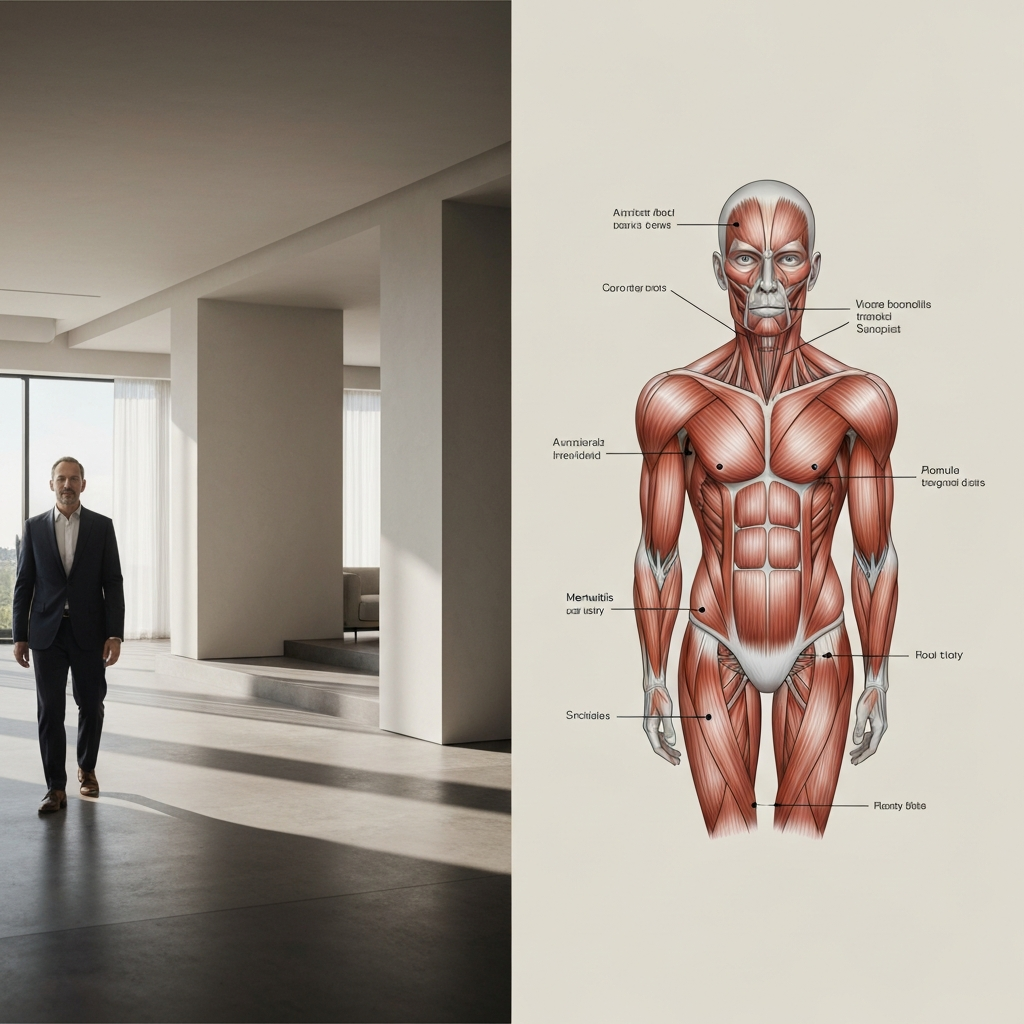
It's important to differentiate chin dimples from a cleft chin, as they are distinct features with different underlying causes. A cleft chin is characterized by a vertical groove or indentation in the center of the chin, often resembling a "Y" shape. This groove is typically a result of incomplete fusion of the two halves of the mandible (lower jawbone) during fetal development. Unlike chin dimples, which involve the skin and underlying muscle, a cleft chin is primarily a skeletal feature. While the terms "dimpled chin" and "cleft chin" are sometimes used interchangeably, they refer to different anatomical characteristics.
Step 4: Non-Invasive Treatment Options: Botox Injections
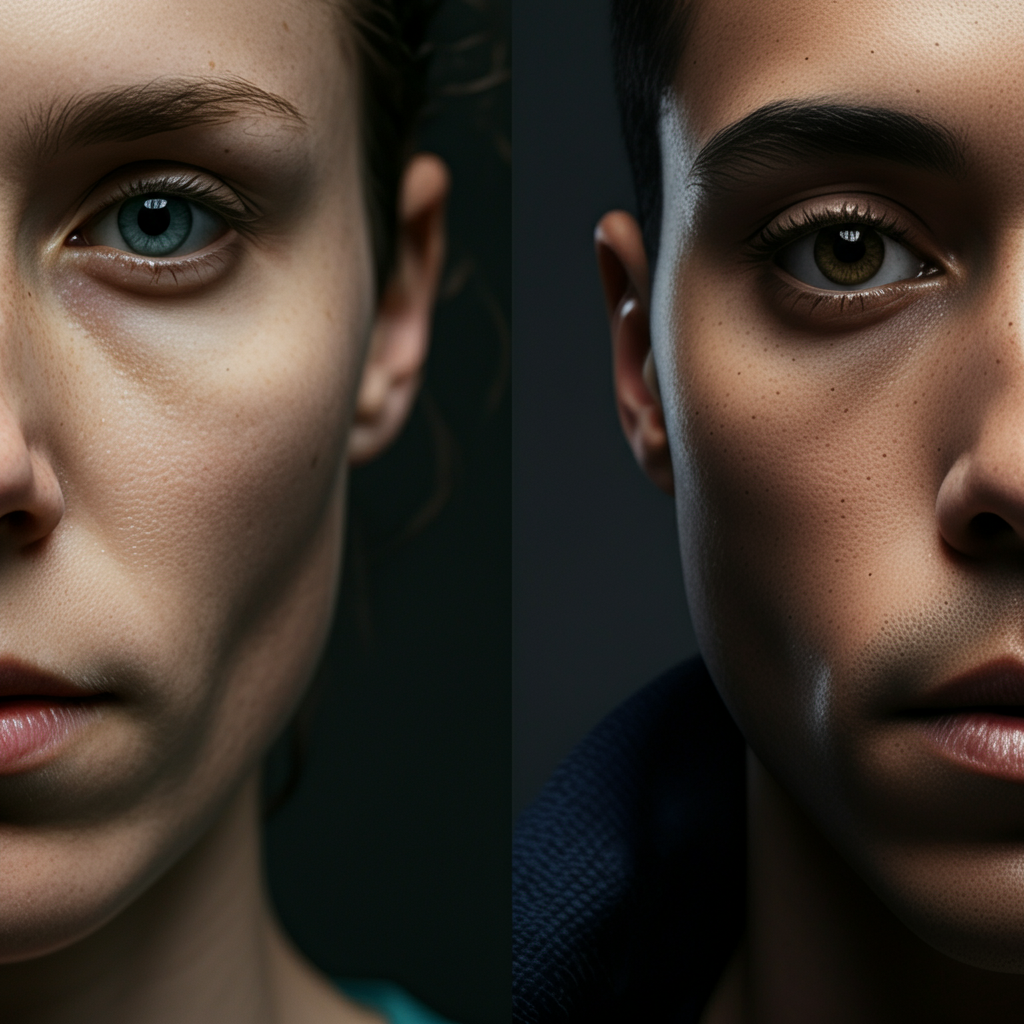
Botox injections are a popular non-invasive treatment for reducing the appearance of chin dimples. Botox, or botulinum toxin, works by temporarily paralyzing or weakening the mentalis muscle, thereby reducing its contraction and the resulting dimpling effect. A small amount of Botox is injected directly into the mentalis muscle, relaxing it and smoothing out the skin. The effects of Botox typically last for several months, requiring repeat injections to maintain the desired results. Side effects are generally mild and may include temporary bruising or swelling at the injection site.

Step 5: Non-Invasive Treatment Options: Dermal Fillers
Dermal fillers offer another non-invasive approach to addressing chin dimples. Fillers, typically composed of hyaluronic acid or other biocompatible substances, are injected into the chin to add volume and smooth out the skin's surface. By filling in the depressions caused by the dimples, fillers can create a more even and youthful appearance. Radiesse is often used as a great stabilizer under the skin. The results of dermal fillers can last for several months to a year or more, depending on the type of filler used and individual factors.

Step 6: Minimally Invasive Treatment: Chemical Peels and Microneedling
Chemical peels involve applying a chemical solution to the skin, which exfoliates the outer layers and stimulates collagen production. Microneedling, on the other hand, uses tiny needles to create micro-injuries in the skin, triggering the body's natural healing response and boosting collagen synthesis. Both treatments can improve skin texture and reduce the appearance of chin dimples by promoting smoother, more elastic skin. These procedures often work best together. Multiple sessions may be required to achieve optimal results, and recovery time can vary depending on the depth and intensity of the treatment.
Step 7: Surgical Options: Chin Augmentation and Sliding Genioplasty
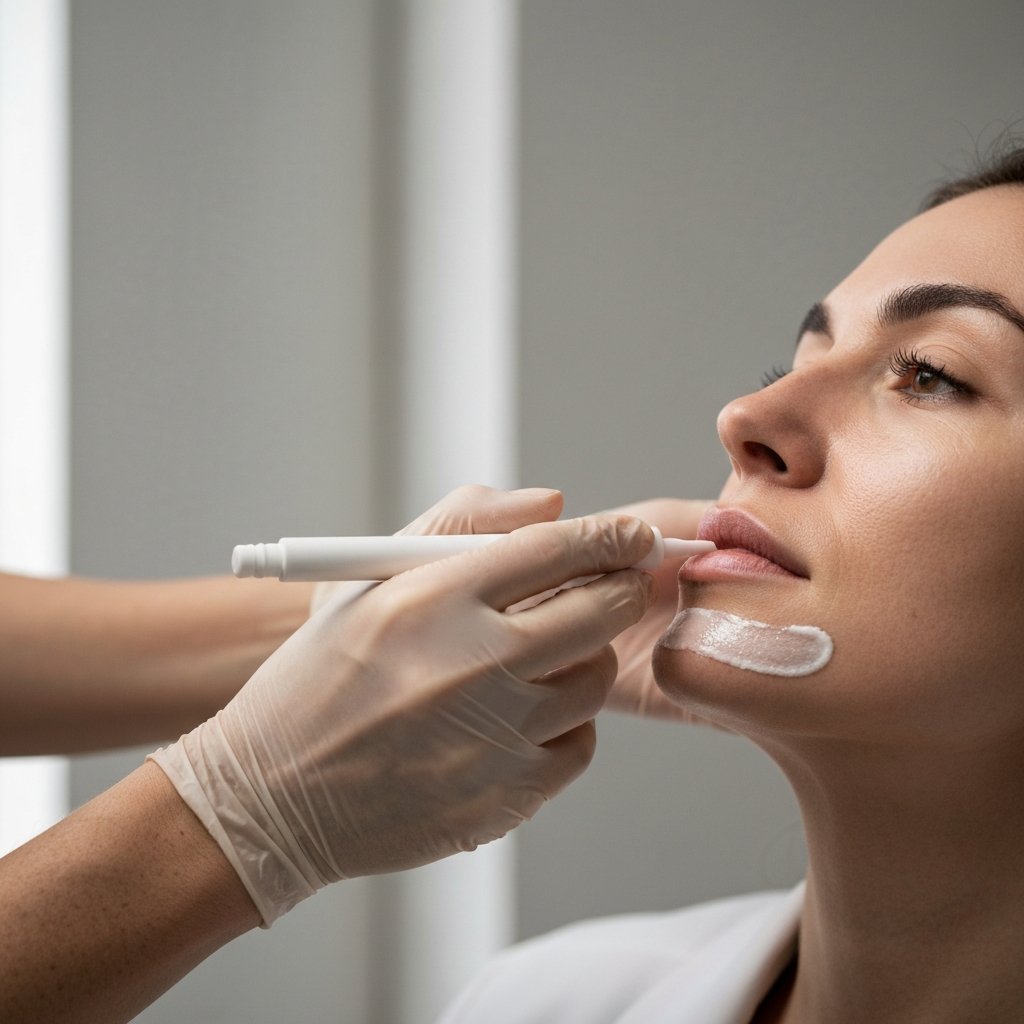
For individuals seeking a more permanent solution, surgical options such as chin augmentation and sliding genioplasty may be considered. Chin augmentation involves placing a silicone implant over the chin bone to increase its projection and improve facial balance. Sliding genioplasty, a more invasive procedure, involves surgically repositioning the chin bone to achieve the desired shape and size. A sliding genioplasty rearranges the bone, while an implant creates volume. Both procedures can effectively reduce the appearance of chin dimples by addressing the underlying skeletal structure. However, they involve a longer recovery period and potential risks associated with surgery.
Step 8: Addressing a Recessed Chin
A recessed chin can accentuate the appearance of chin dimples, so addressing this underlying structural issue can improve the overall aesthetic. As previously stated, a recessed chin describes a setback chin and lower jaw that offers little to no definition. When the chin is sunken back in this way, all of the muscles in that group are forced to do some serious heavy lifting to keep the mouth closed, since the natural structure of the face doesn’t offer a ton of structure. This amount of strain on these muscles, including the mentalis, can increase the tone and tension in the chin, resulting in a dimpled appearance. Procedures such as chin implants and genioplasty can bring the chin forward, reducing the strain on the mentalis muscle and diminishing the appearance of dimples.
Common Mistakes to Avoid
- Choosing a provider without proper qualifications and experience.
- Having unrealistic expectations about the results of treatment.
- Neglecting to follow post-treatment care instructions.
- Underestimating the potential risks and side effects of certain procedures.
FAQ Section
- Are chin dimples genetic?
- While the activity level of the mentalis muscle can have a genetic component, chin dimples are typically not inherited in the same way that cleft chins are.
- Are chin dimples a sign of any underlying medical condition?
- No, chin dimples are generally considered a cosmetic concern and are not indicative of any underlying health problems.
- How long do the effects of Botox and dermal fillers last?
- The duration of Botox and dermal filler results varies depending on the individual and the specific product used. Botox typically lasts for 3-6 months, while dermal fillers can last from 6 months to 2 years.
Conclusion
Chin dimples are a common cosmetic feature that can be addressed through a variety of treatment options, ranging from non-invasive injections to surgical procedures. Understanding the causes of chin dimples and the available treatments is essential for making an informed decision about whether and how to address them. Consulting with a qualified medical professional is crucial to determine the best course of action based on your individual needs and goals. By carefully considering the various options and working with an experienced provider, you can achieve a smoother, more balanced, and confident appearance.