Hispanic Heritage Month, observed annually from September 15th to October 15th, is a time to recognize and celebrate the rich and diverse contributions of Hispanic Americans to the United States. It's an opportunity to delve into the history, culture, and achievements of individuals with ancestry tracing back to Spain, Mexico, Central America, South America, and the Spanish-speaking Caribbean. This celebration not only honors the past but also acknowledges the ongoing impact of Hispanic communities on American society.
Whether you're of Hispanic heritage yourself or an ally looking to learn and show your support, there are numerous ways to meaningfully participate in Hispanic Heritage Month. From exploring literature and art to engaging with local communities and supporting Hispanic-owned businesses, the possibilities are vast and enriching. Remember that active participation and genuine curiosity are key to fostering understanding and appreciation. This guide offers a comprehensive roadmap for celebrating Hispanic Heritage Month with respect, authenticity, and enthusiasm.
This month provides a unique chance to deepen your understanding of a vibrant culture that has profoundly shaped the United States. By actively engaging with the events, stories, and contributions of Hispanic Americans, you can contribute to a more inclusive and equitable society. So, let's embark on this journey of discovery and celebration together!
Step 1: Understanding the Terminology: "Hispanic" vs. "Latino/a/x"
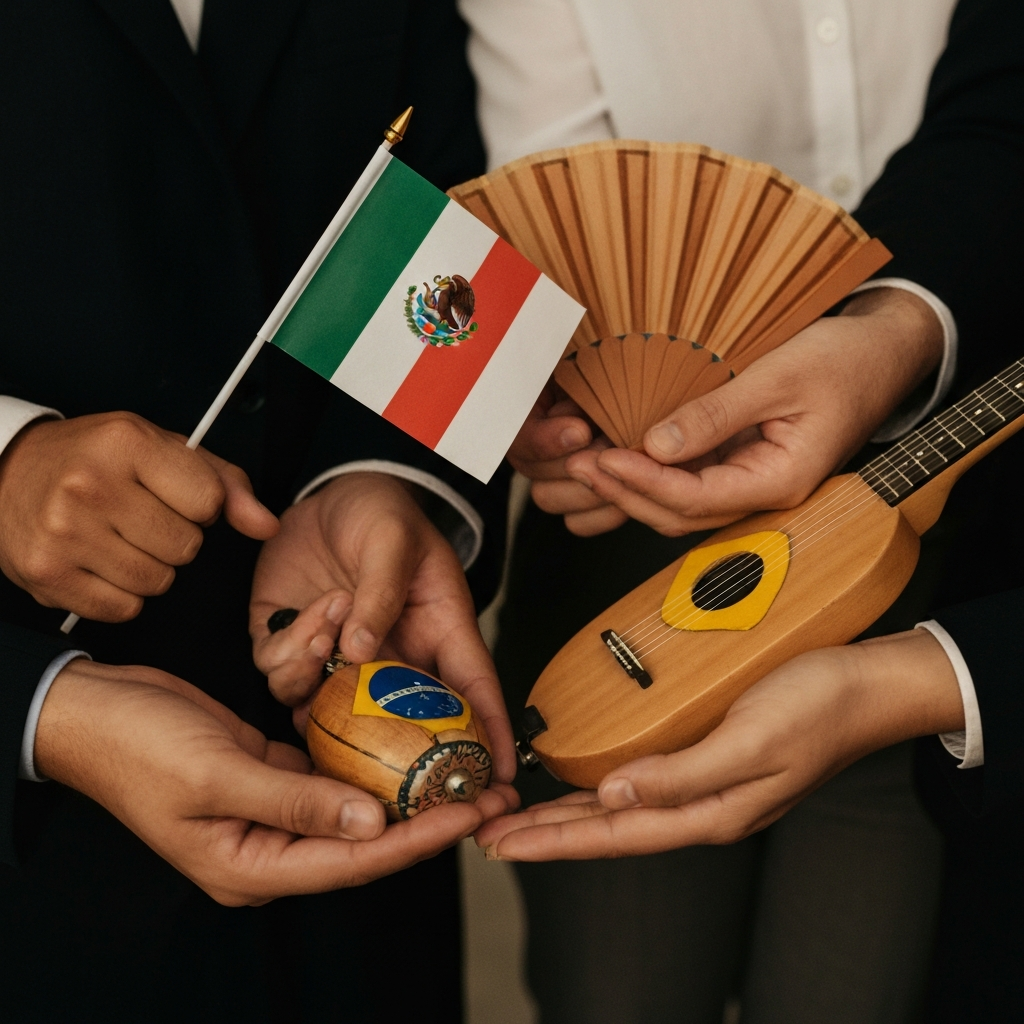
One of the most important first steps in celebrating Hispanic Heritage Month is understanding the nuances of the terms used to describe people with roots in Spanish-speaking countries. While "Hispanic" and "Latino/a/x" are often used interchangeably, they have distinct meanings. "Hispanic" refers to people with heritage from Spanish-speaking countries, including Spain. "Latino/a/x," on the other hand, encompasses people with origins in Latin America, which includes Brazil (where Portuguese is spoken) and other non-Spanish speaking nations. It's important to be mindful of these differences and use the term that an individual prefers.
Step 2: Delving into the History of Hispanic Heritage Month
Hispanic Heritage Month began as Hispanic Heritage Week in 1968, under President Lyndon B. Johnson. It was later expanded to a month-long celebration in 1988 by President Ronald Reagan. The timing, from September 15th to October 15th, is significant because it coincides with the independence days of several Latin American countries, including Costa Rica, El Salvador, Guatemala, Honduras, and Nicaragua. Mexico and Chile also celebrate their independence days during this period. Learning about this history adds context to the celebration and underscores the historical ties between the United States and Latin America. Many resources exist online; be sure to consult reputable sources like government archives and academic institutions.

Step 3: Exploring Traditional Hispanic and Latin American Holidays
Immerse yourself in the vibrant tapestry of Hispanic and Latin American cultures by learning about their traditional holidays. Beyond the well-known Cinco de Mayo and Día de los Muertos, there are countless other celebrations, each with its unique customs, cuisine, and significance. Researching these holidays can provide a deeper understanding of the values, beliefs, and traditions that are central to these cultures. Remember that these holidays are often deeply rooted in history and carry significant cultural weight, so approach your learning with respect and sensitivity.

Step 4: Learning About Influential Hispanic Figures
Expand your knowledge by researching the lives and accomplishments of notable Hispanic individuals who have made significant contributions to various fields. From science and technology to art and literature, countless Hispanic Americans have left an indelible mark on society. Figures like Cesar Chavez, Sonia Sotomayor, and Ellen Ochoa are just a few examples of individuals who have broken barriers and inspired generations. Explore biographies, documentaries, and online resources to learn about their stories and legacies. Focus on understanding the challenges they overcame and the impact they had on their respective fields.

Step 5: Engaging with Hispanic Cinema and Television
Immerse yourself in Hispanic cultures through the power of film and television. Watch movies and TV shows that authentically portray Hispanic experiences, traditions, and perspectives. "Selena," "Coco," and "Real Women Have Curves" are just a few examples of films that offer valuable insights into Hispanic life. When selecting content, prioritize films and shows created by Hispanic filmmakers and storytellers to ensure authentic representation. Be aware of potential stereotypes and seek out diverse portrayals of Hispanic characters and communities.

Step 6: Exploring Hispanic Literature and Art
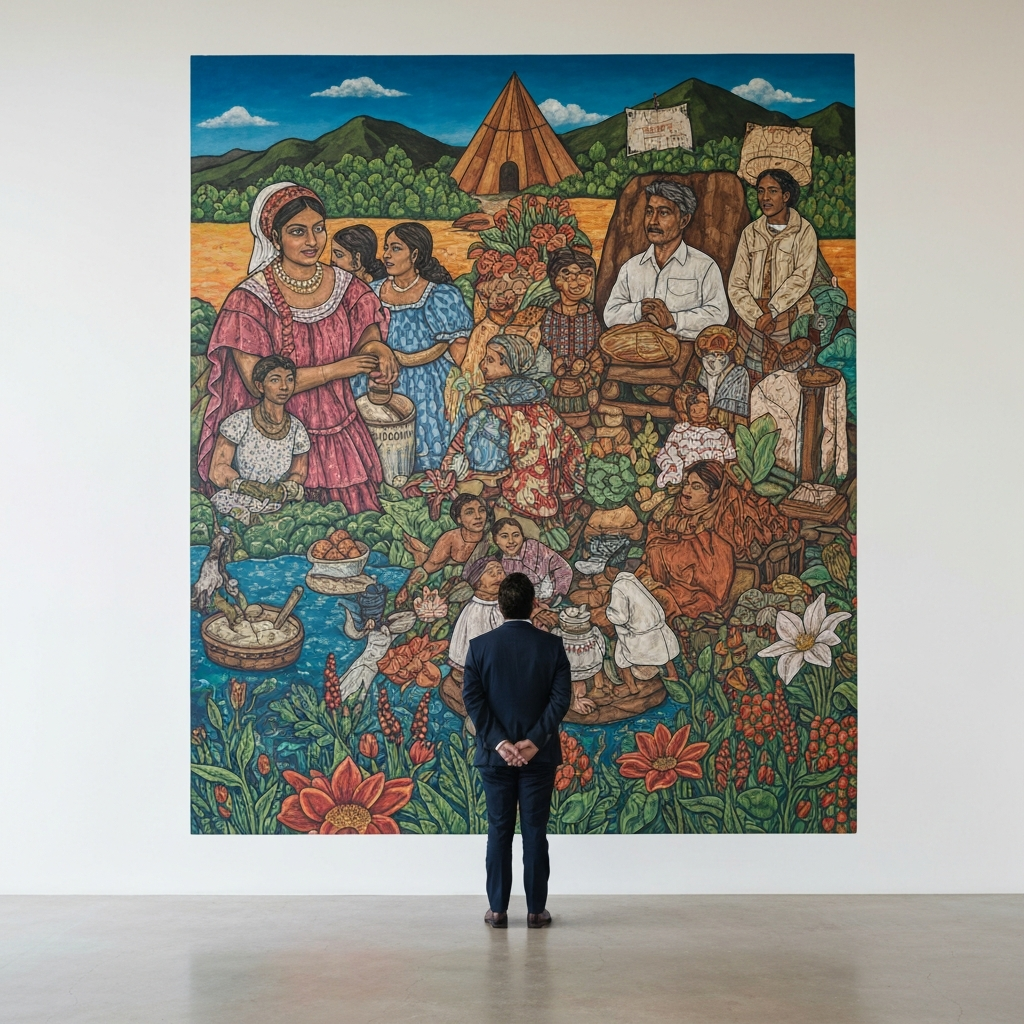
Discover the beauty and richness of Hispanic cultures through literature and art. Read books by Hispanic authors that explore a wide range of themes, from immigration and identity to family and community. Visit museums and galleries to view artwork created by Hispanic artists, past and present. Engaging with these creative expressions can provide a deeper understanding of Hispanic perspectives and experiences. Consider works like "One Hundred Years of Solitude" by Gabriel Garcia Marquez, or the poetry of Elizabeth Acevedo. Look for local art exhibits or online collections to discover new artists and writers.
Step 7: Immersing Yourself in Hispanic Music
Music is a universal language, and exploring Hispanic music is a fantastic way to connect with different cultures. Listen to a variety of genres, from traditional folk music to contemporary pop and rock. Explore the works of iconic artists like Celia Cruz, Selena Quintanilla, and Shakira. Discover new artists and genres that resonate with you. Pay attention to the lyrics and cultural context of the music to gain a deeper understanding of its meaning. Consider attending a live music performance to experience the energy and passion of Hispanic music firsthand.

Step 8: Attending Hispanic Heritage Month Events
Actively participate in Hispanic Heritage Month by attending local events and celebrations. Many communities host festivals, concerts, lectures, and other activities that showcase Hispanic culture. Attending these events is a great way to learn more about Hispanic traditions, meet new people, and support local organizations. Check community calendars and local cultural centers to find events near you. Consider volunteering at an event to get even more involved in the celebration.

Step 9: Supporting Hispanic-Owned Businesses
Show your support for Hispanic communities by patronizing Hispanic-owned businesses. This can be anything from restaurants and bakeries to shops and services. Supporting these businesses helps to create economic opportunities and strengthen Hispanic communities. Look for businesses that are actively involved in the community and that reflect the diversity of Hispanic cultures. Word-of-mouth is a great way to find authentic local businesses, as well as online directories.
Step 10: Donating to Hispanic Charities and Organizations
Make a tangible difference by donating to Hispanic charities and organizations that support education, healthcare, and other important causes. Research different organizations to find one that aligns with your values and interests. Ensure that the organization is reputable and transparent about its finances. Every contribution, no matter how small, can have a positive impact on Hispanic communities. Organizations like UnidosUS and the Hispanic Scholarship Fund are good places to start.
Common Mistakes to Avoid
- Generalizing: Hispanic culture is incredibly diverse. Avoid making generalizations about all Hispanic people based on limited experiences or stereotypes.
- Inauthentic Celebrations: Avoid appropriating cultural elements without understanding their significance or giving proper credit.
- Using Incorrect Terminology: Be mindful of the differences between "Hispanic" and "Latino/a/x" and use the term that an individual prefers.
Pro Tips
- Engage Year-Round: Don't limit your engagement with Hispanic culture to just one month. Make an effort to learn and appreciate Hispanic contributions throughout the year.
- Listen and Learn: Approach your learning with humility and a willingness to listen to the experiences and perspectives of Hispanic individuals.
- Support Authentic Voices: Seek out content and resources created by Hispanic creators and organizations.
FAQ Section
Q: Is it okay to celebrate Hispanic Heritage Month if I'm not Hispanic?
A: Absolutely! Celebrating Hispanic Heritage Month is a great way to learn about and appreciate Hispanic cultures, regardless of your own background. Just be sure to approach it with respect and a genuine desire to learn.
Q: Where can I find reliable information about Hispanic history and culture?
A: Look for reputable sources such as government websites, academic institutions, museums, and cultural organizations.
Q: How can I get involved in Hispanic Heritage Month in my community?
A: Check local community calendars, cultural centers, and organizations for events and volunteer opportunities.
Conclusion
Celebrating Hispanic Heritage Month is more than just a formality; it’s an opportunity to foster understanding, appreciation, and inclusion. By actively engaging with Hispanic cultures, histories, and contributions, we can build a more equitable and vibrant society. Remember that respectful engagement, continuous learning, and genuine support are essential for making a meaningful impact. Let us all commit to celebrating Hispanic Heritage Month, not just for one month out of the year, but as an ongoing commitment to honoring the rich tapestry of cultures that make up the United States.