Kwanzaa, the week-long celebration of African American culture, heritage, and principles, is a time for family, community, and reflection. Hosting a Kwanzaa party is a wonderful way to share the joy and meaning of this special holiday with your loved ones. However, like any gathering, preparation is key to ensuring a smooth and memorable event. This guide provides a step-by-step approach to preparing for your Kwanzaa party, covering everything from setting the right atmosphere to organizing your space for your guests.
From thoughtfully decorating your home with symbols of Kwanzaa to planning a delicious feast that reflects the principles of Kwanzaa, every detail contributes to creating an authentic and meaningful experience. Don't feel pressured to do everything perfectly; the most important thing is to celebrate with sincerity and create a welcoming environment for your guests. Remember, the seven principles (Nguzo Saba) guide every aspect of the celebration.
This guide will walk you through the essential steps to ensure your Kwanzaa party embodies the spirit of unity, self-determination, collective responsibility, cooperative economics, purpose, creativity, and faith. Let's dive in!
Step 1: Defining Your Kwanzaa Party's Scope and Theme
Before you start any physical preparations, it's crucial to define the scope and theme of your Kwanzaa party. Consider the number of guests you plan to invite, the age range of attendees, and the overall atmosphere you want to create. Will it be a formal celebration or a more casual gathering? Decide if you'll focus on specific aspects of Kwanzaa, like a particular Nguzo Saba (principle) each day, and incorporate that into your decorations and activities. Having a clear vision will guide all your subsequent decisions, from decorations to food to entertainment.
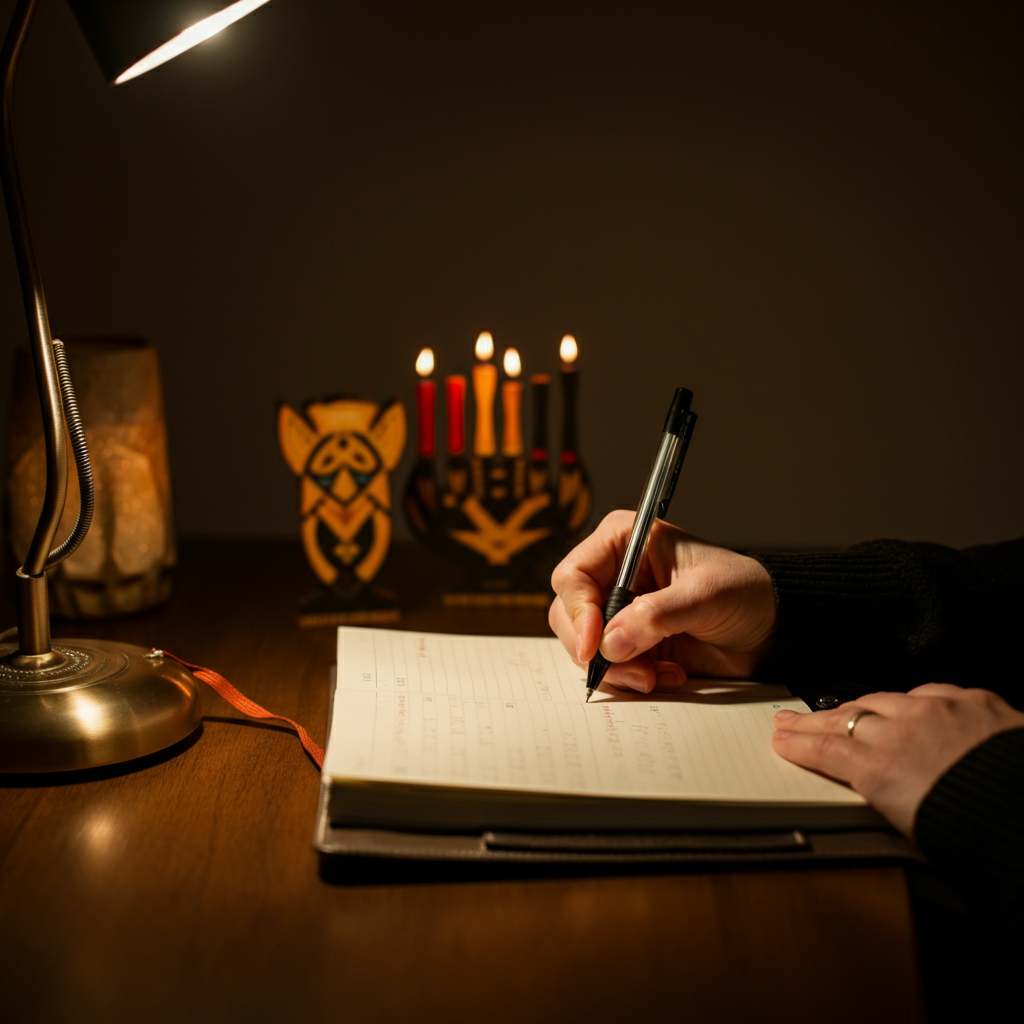
Step 2: Deep Cleaning and Decluttering Your Home
A clean and organized space is essential for a welcoming atmosphere. Begin by decluttering all the areas your guests will be using, including the entryway, living room, dining area, and bathroom. Remove any unnecessary items, such as toys, magazines, and personal belongings, to create a more open and inviting environment. Then, perform a thorough cleaning, paying attention to details like dusting furniture, cleaning windows, vacuuming or mopping floors, and wiping down surfaces. Pay special attention to the bathroom, ensuring it's spotless and well-stocked with guest soaps and disposable hand towels. Remember to clear cobwebs in corners and on the ceiling.

Step 3: Setting Up Your Kwanzaa Table (Kinara)
The Kinara is the centerpiece of Kwanzaa celebrations. The Kinara holds the Mishumaa Saba (seven candles), each representing one of the Nguzo Saba. Arrange your Kinara prominently, typically on a Mkeka (mat) made of straw or cloth. Place the Kikombe cha Umoja (Unity Cup) nearby for pouring libations. Also, have a Muhindi (ears of corn), representing children and potential, and Zawadi (gifts) for the children after the last day. Ensure the placement is safe and away from flammable materials, and that the candles are securely held. Consider using battery-operated candles if you have young children or pets.
Step 4: Decorating with Kwanzaa Colors and Symbols
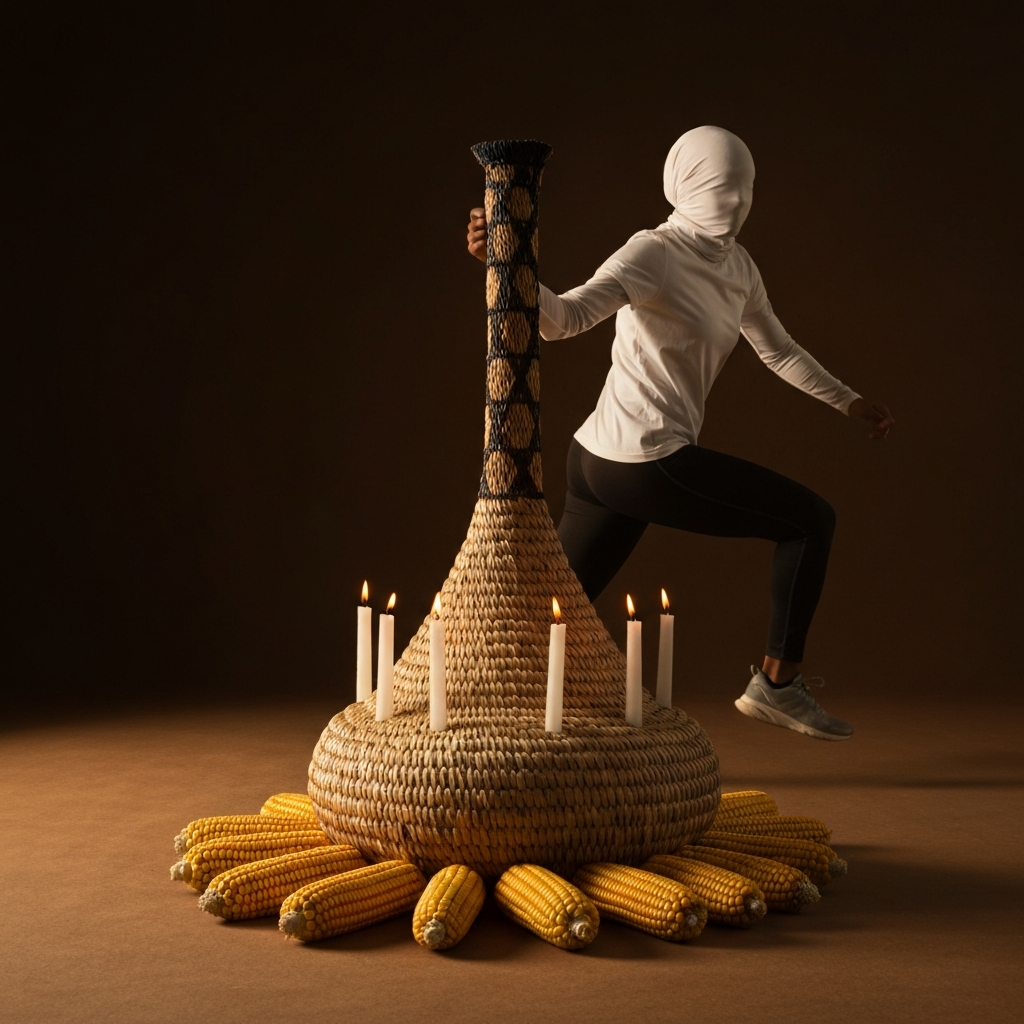
Adorn your home with decorations that reflect the colors and symbols of Kwanzaa. The colors are red (representing struggle), black (representing the people), and green (representing hope and the land). Use these colors in your tablecloths, napkins, banners, and other decorations. Display African artifacts, artwork, and fabrics to create an authentic atmosphere. Consider creating DIY decorations with your family, such as paper chain garlands in Kwanzaa colors or hand-painted gourds, to add a personal touch. You can add images to the wall or put up a small tree decorated in the Kwanzaa colors.
Step 5: Planning Your Kwanzaa Feast (Karamu)
The Karamu, or Kwanzaa feast, is a central part of the celebration, typically held on December 31st. Plan a menu that reflects African and African American culinary traditions. Popular dishes include jollof rice, black-eyed peas, collard greens, sweet potato pie, and jerk chicken. Involve your family in the cooking process to share the joy and meaning of the holiday. Be mindful of dietary restrictions and preferences of your guests, and offer vegetarian or vegan options if needed. Don't forget to prepare a special beverage for the libation ceremony.
Step 6: Preparing Activities and Entertainment
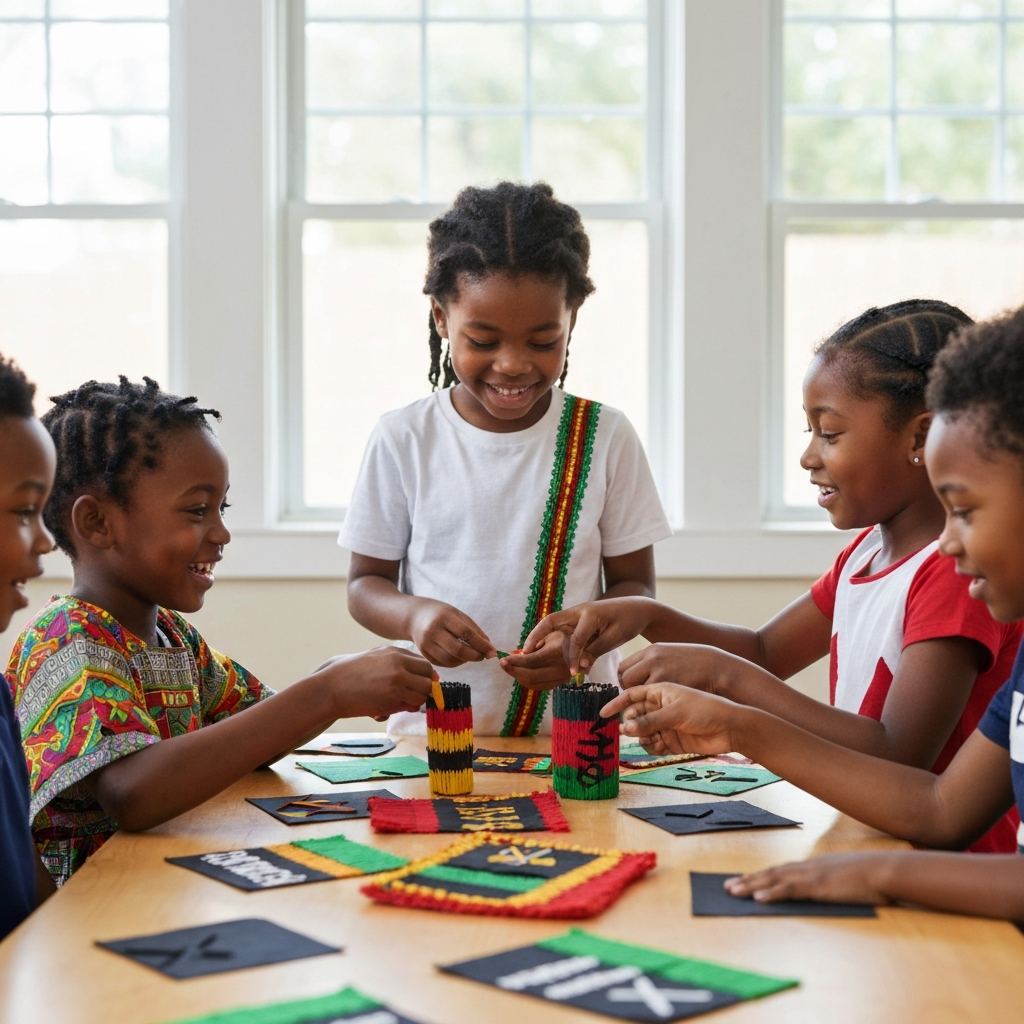
Plan activities that engage your guests and promote the principles of Kwanzaa. This could include storytelling, drumming, dancing, reciting poems, and discussing the Nguzo Saba. Prepare educational materials about Kwanzaa to share with those who may be unfamiliar with the holiday. Consider organizing a craft activity for children, such as making Kwanzaa cards or decorating gourds. If possible, invite a local musician or storyteller to perform.
Step 7: Preparing the Zawadi (Gifts)
Zawadi (gifts) are traditionally given to children on the last day of Kwanzaa. These gifts should be educational or promote self-improvement. Consider books about African American history and culture, educational games, or art supplies. Avoid giving expensive or extravagant gifts that contradict the principles of Kwanzaa, which emphasize simplicity and purpose. Wrap the gifts in Kwanzaa colors or with African-inspired patterns.

Step 8: Final Touches and Atmosphere Enhancement
On the day of the party, pay attention to the final details that will enhance the atmosphere. Light scented candles with warm, inviting fragrances (avoid overpowering scents). Play traditional African or African American music to set the mood. Dim the lights and create a warm and intimate ambiance. Most importantly, take a moment to relax and center yourself before your guests arrive, so you can fully enjoy the celebration.

Tools or Materials Required
- Cleaning supplies (dusters, mops, cloths, cleaning solutions)
- Kwanzaa decorations (Mkeka, Kinara, Mishumaa Saba, Muhindi, Kikombe cha Umoja)
- Cooking utensils and ingredients for the Karamu
- Materials for activities and entertainment (instruments, books, craft supplies)
- Zawadi (gifts)
Common Mistakes to Avoid
- Forgetting to plan ahead and rushing preparations at the last minute
- Neglecting to clean and declutter your home
- Not involving your family in the preparations
- Focusing too much on material aspects and losing sight of the principles of Kwanzaa
- Ignoring dietary restrictions or preferences of your guests
Safety Considerations
- Ensure candles are placed securely and away from flammable materials.
- Keep children away from open flames.
- Be mindful of food allergies when preparing the Karamu.
- Provide adequate ventilation when using scented candles or incense.
FAQ Section
- What is the best way to explain Kwanzaa to someone who is unfamiliar with it?
- Explain that Kwanzaa is a week-long celebration of African American culture, heritage, and principles, based on seven core values known as the Nguzo Saba.
- What are some appropriate activities for children at a Kwanzaa party?
- Craft projects, storytelling, drumming, and educational games are all great options.
- What are the colors of Kwanzaa and what do they represent?
- The colors of Kwanzaa are red (struggle), black (the people), and green (hope and the land).
Preparing for your Kwanzaa party is an opportunity to connect with your heritage, celebrate your community, and share the joy of the season with your loved ones. By following these steps, you can create a meaningful and memorable event that honors the principles of Kwanzaa and strengthens the bonds of family and friendship. Remember to embrace the spirit of Umoja (Unity), Kujichagulia (Self-Determination), Ujima (Collective Responsibility), Ujamaa (Cooperative Economics), Nia (Purpose), Kuumba (Creativity), and Imani (Faith) throughout your celebration. Happy Kwanzaa!