Eid ul-Fitr, often translated as the "Festival of Breaking the Fast," marks the end of Ramadan, the Islamic holy month of fasting. It's a time of immense joy, gratitude, and community spirit for Muslims worldwide. The holiday signifies spiritual renewal and a fresh start after a month of self-discipline and devotion. Celebrations typically span one to three days, filled with prayers, feasts, acts of charity, and joyful gatherings with family and friends.
Understanding the traditions and customs associated with Eid ul-Fitr can help everyone appreciate the rich cultural significance of this auspicious occasion. This guide will provide you with a step-by-step approach to celebrating Eid, ensuring a memorable and meaningful experience. Whether you are a seasoned celebrant or new to the customs, this information offers detailed guidance on making the most of this blessed holiday.
From preparing traditional meals and decorating your home to offering prayers and exchanging gifts, there are many ways to participate in the festivities. Let's delve into the practices that make Eid ul-Fitr such a cherished celebration, creating lasting memories and strengthening bonds with loved ones and the wider community.
Step 1: Performing the Eid Prayer
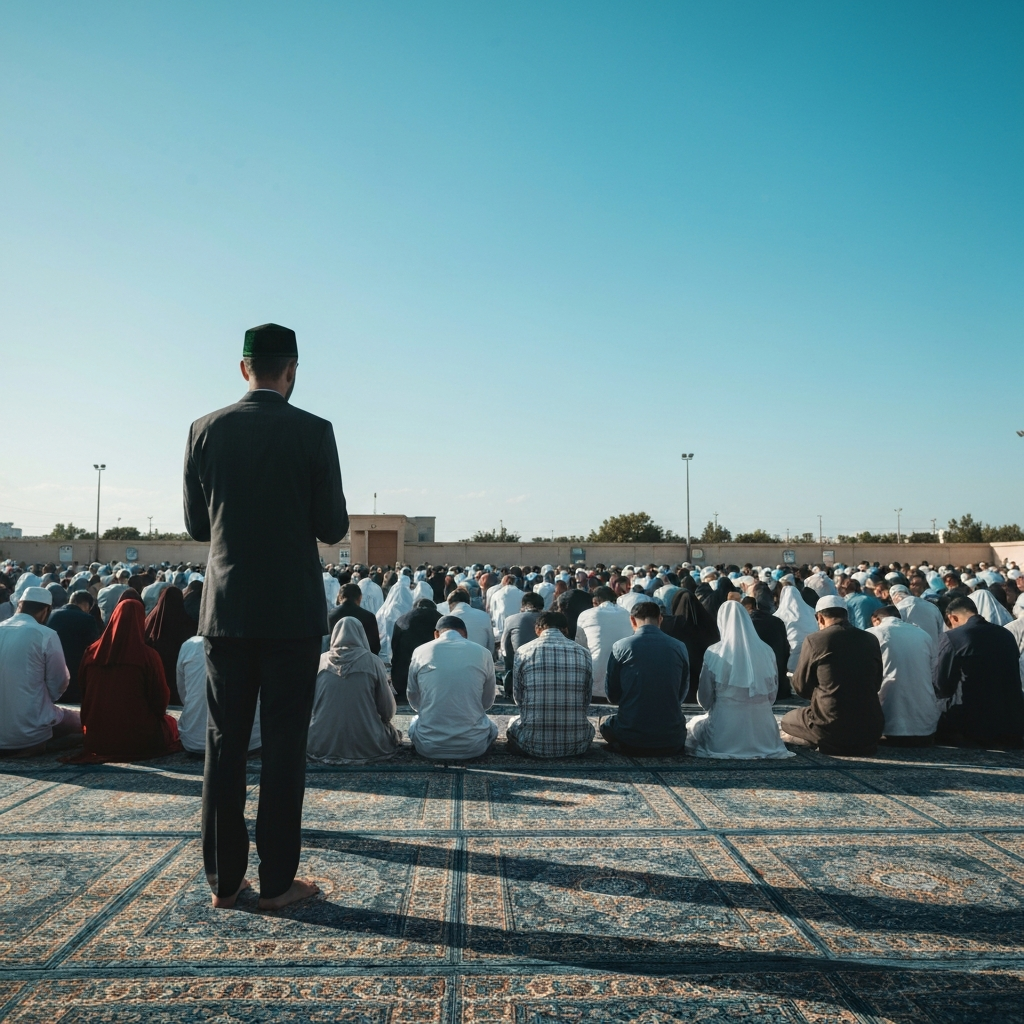
The Eid prayer, known as Salat al-Eid, is a central part of the Eid ul-Fitr celebration. It's typically performed in congregation at a mosque or an open-air location. The prayer consists of two rakats (units) and includes additional takbirs (declarations of God's greatness). Before the prayer, it's customary to perform ablution (wudu) to ensure purity. It's important to dress in your finest clothes and apply perfume as a sign of respect for the occasion.
Step 2: Reciting the Takbir
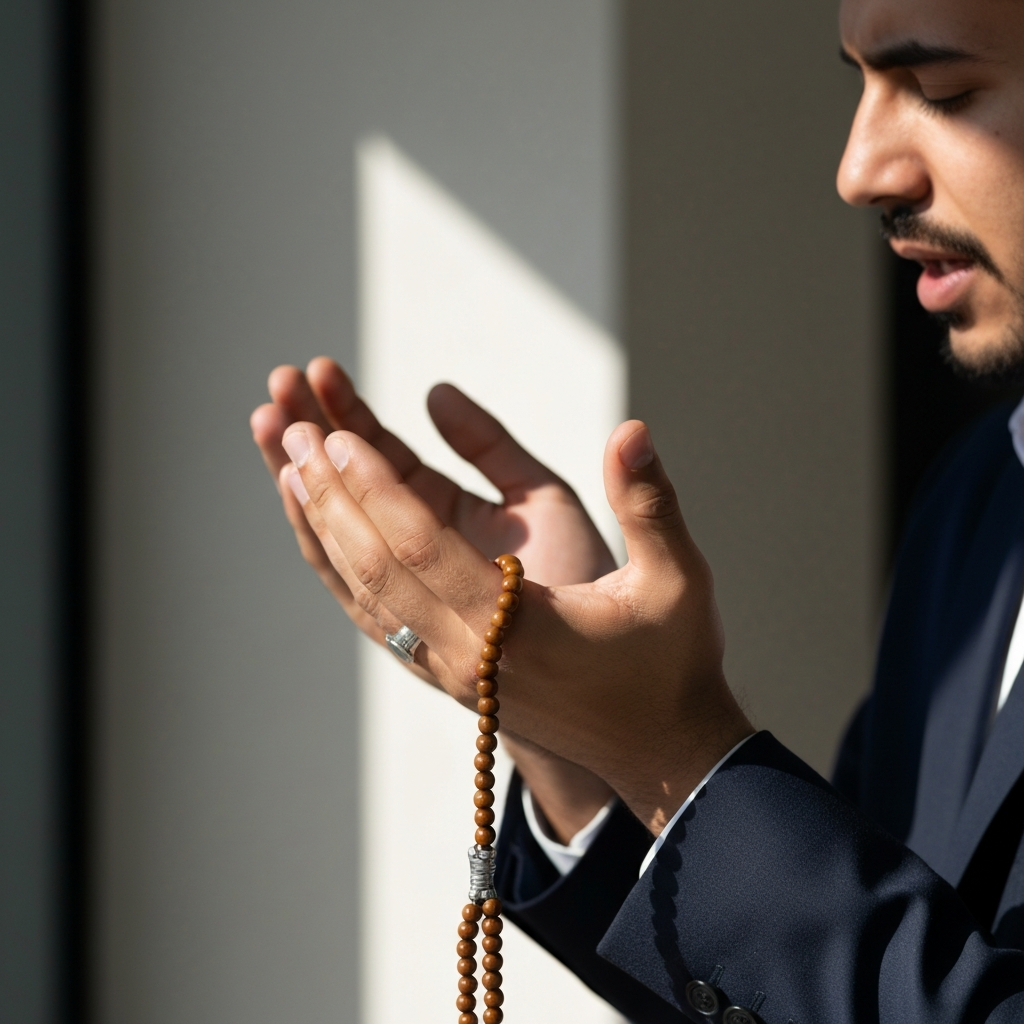
Reciting the takbir, "Allahu Akbar" (God is the Greatest), is a fundamental expression of faith and gratitude during Eid. It's commonly recited aloud on the way to the Eid prayer and throughout the day. The repetition of this phrase reinforces the importance of acknowledging God's greatness and blessings. Consider learning the full takbir in Arabic for a deeper connection to the tradition.
Step 3: Indulging in a Festive Breakfast
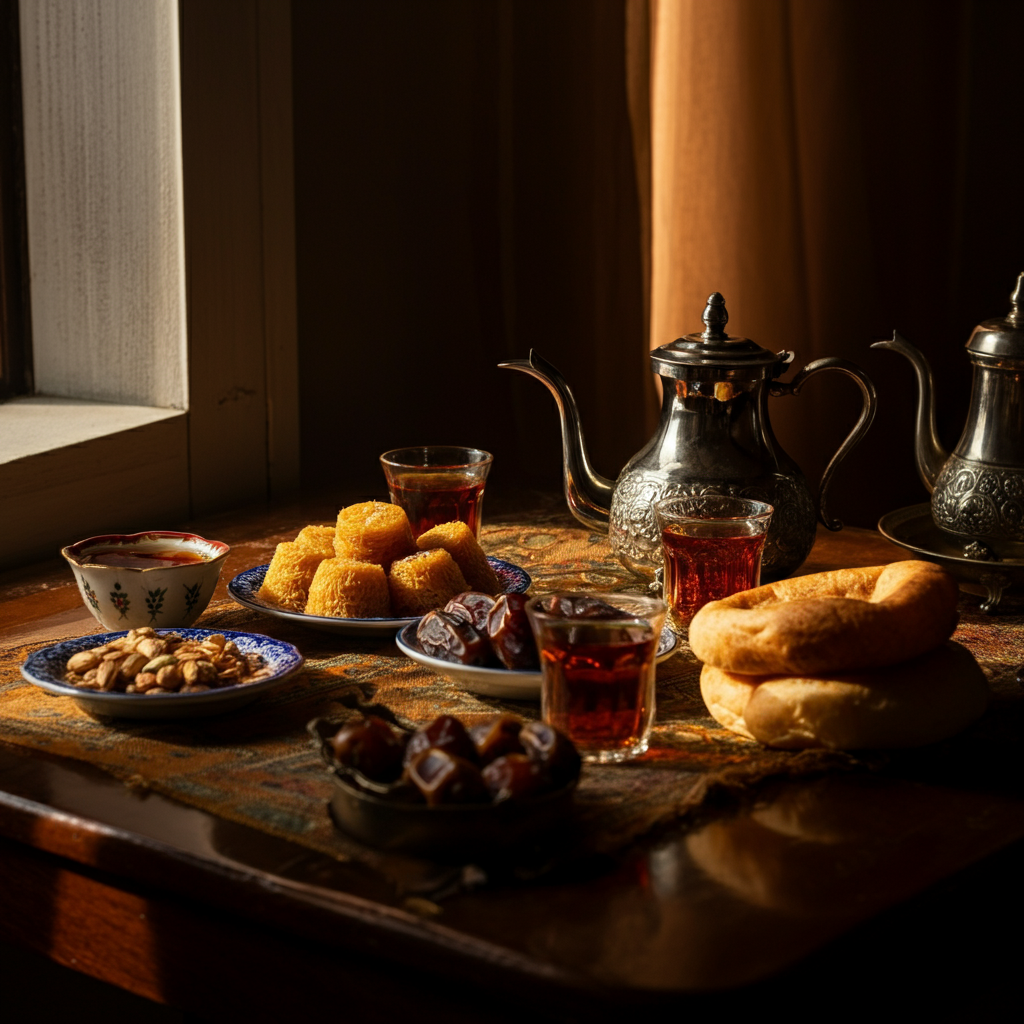
Breaking the fast after a month of Ramadan is marked by a special Eid breakfast. Traditional dishes vary depending on cultural background but often include sweet and savory options. Popular choices include seviyan (vermicelli noodles), sheer khurma (a milky pudding), dates, and various types of bread. Preparing and sharing this breakfast with family is a cherished tradition. Consider making a special effort to include dishes that represent your family's heritage.
Step 4: Decorating Your Home
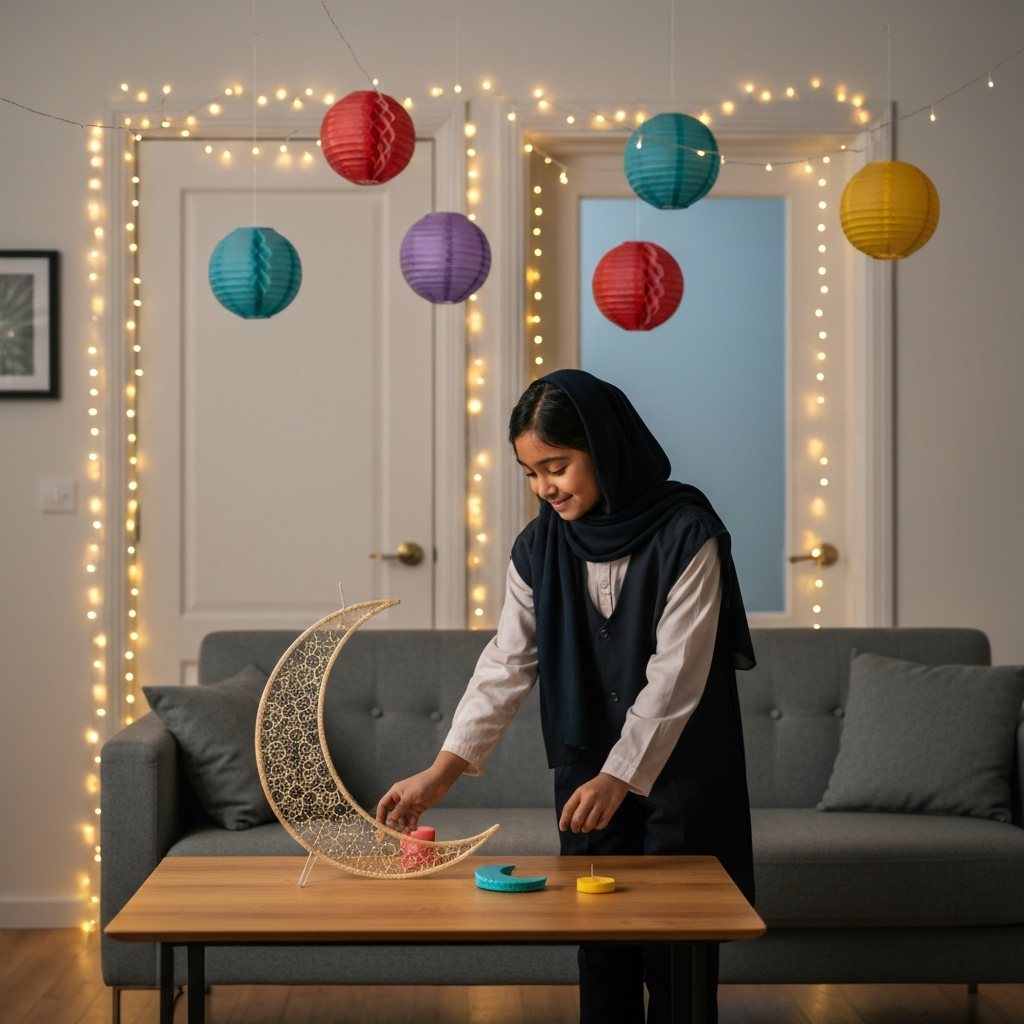
Decorating your home is a wonderful way to create a festive atmosphere and welcome the spirit of Eid. String lights, lanterns, and colorful banners are popular decorations. Consider involving your family in the decorating process to make it a fun and memorable activity. You can also incorporate Islamic calligraphy or traditional motifs into your decorations to add a personal touch.
Step 5: Preparing Halal Meat Dishes
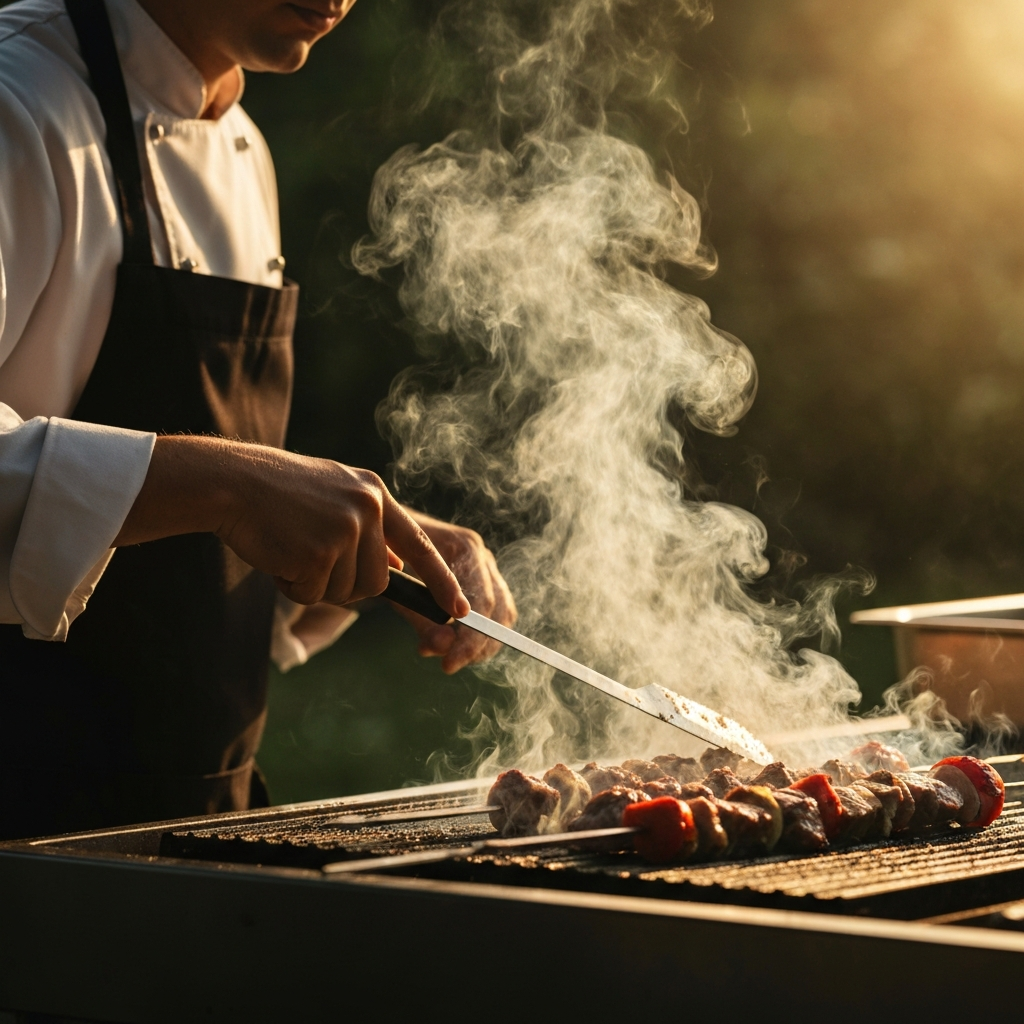
Meat dishes are a staple of Eid celebrations, but it's crucial to ensure that the meat is halal, meaning it adheres to Islamic dietary laws. Popular choices include tagine (a North African stew), kebabs, biryani (a rice dish), and haleem (meat slow-cooked with grains). Preparing these dishes with family and friends is a communal experience that strengthens bonds. Always source your meat from reputable halal butchers.
Step 6: Baking Traditional Treats
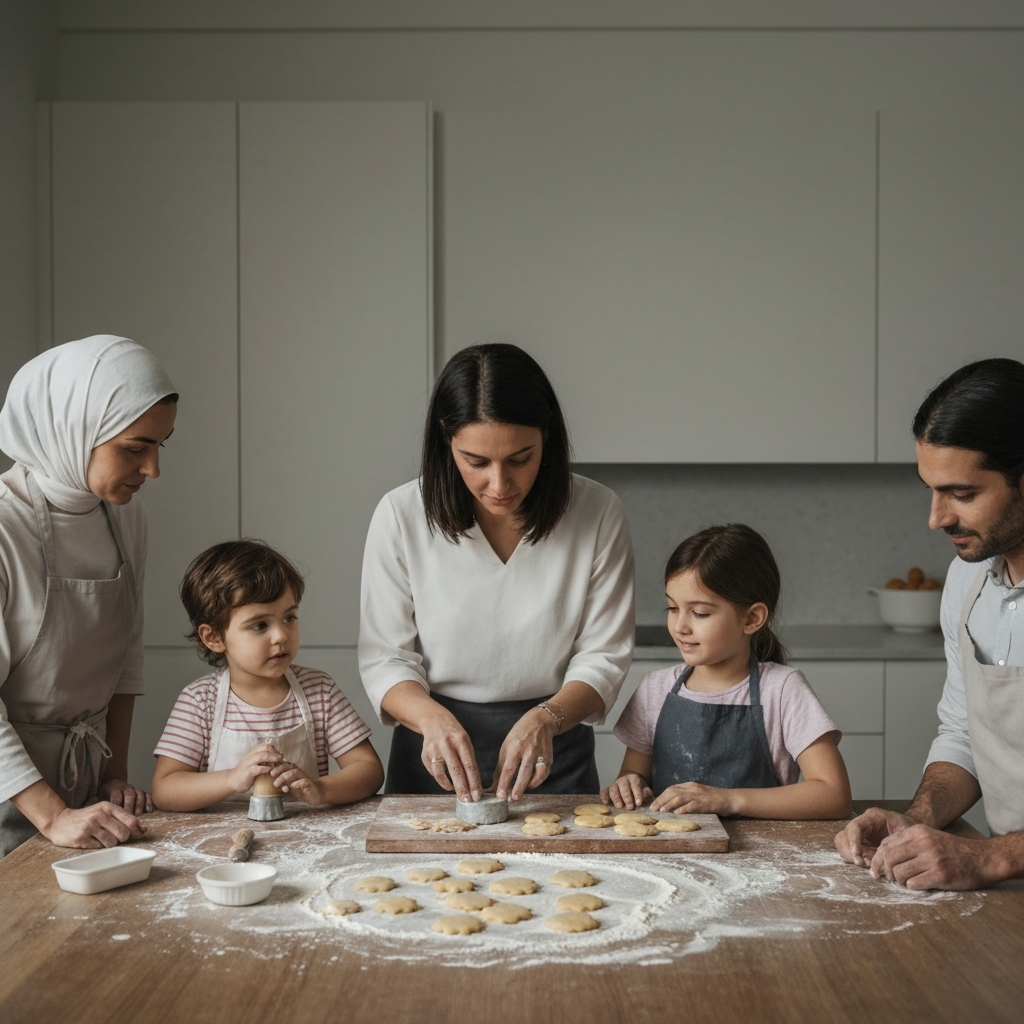
Baking traditional treats like kahk al Eid (sugar cookies) is a beloved Eid tradition. These cookies are often decorated with intricate designs and filled with pistachios, walnuts, or dates. Families often gather to make, swap, and eat these cookies together. Try using special cookie stamps to create unique patterns and designs on your kahk.
Step 7: Giving Gifts and Eidi
Exchanging gifts is a significant aspect of Eid ul-Fitr. New clothes are a popular gift, especially for children, symbolizing a fresh start. In some cultures, elders give "eidi" (money) to children as a gesture of goodwill. The act of giving promotes generosity and strengthens relationships. Consider giving thoughtful and personalized gifts that reflect the recipient's interests and needs.
Step 8: Donating to Charity
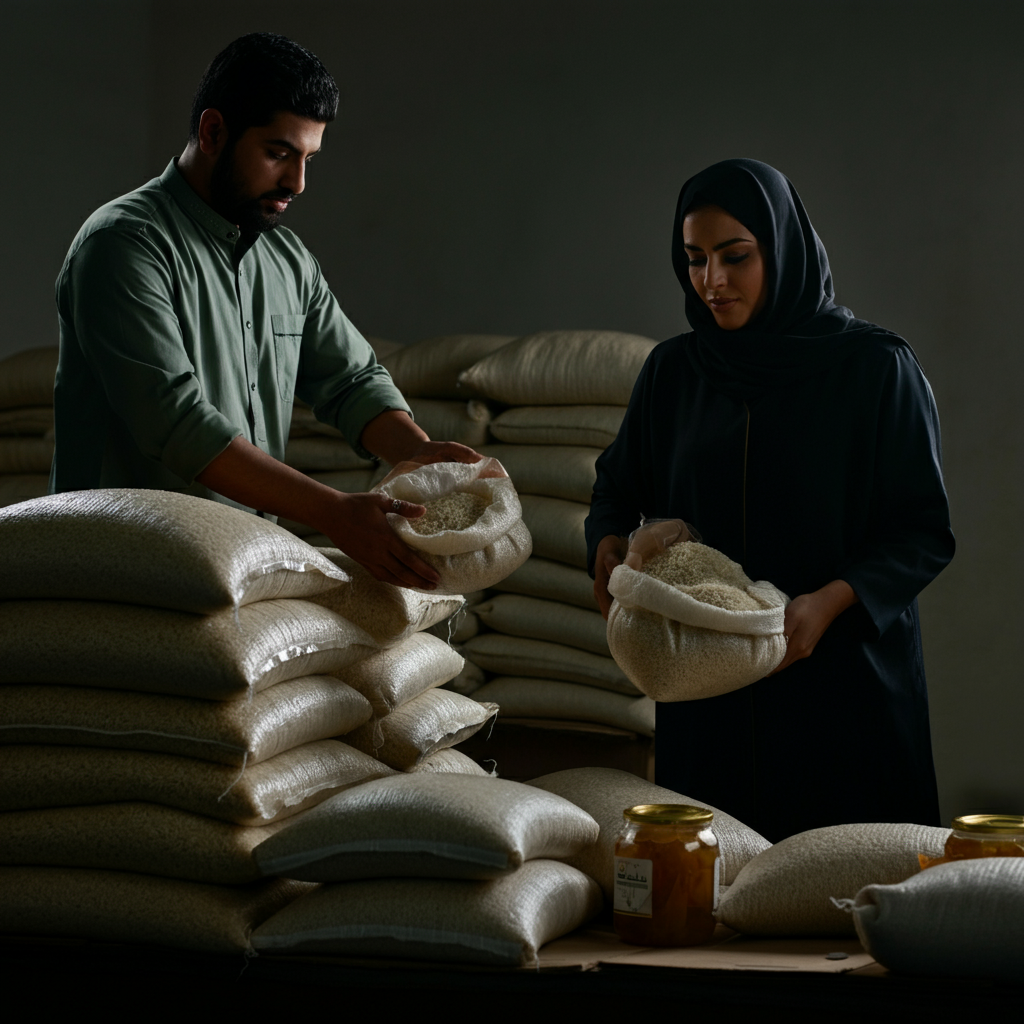
Charity, or Zakat al-Fitr, is an integral part of Eid ul-Fitr. It's a donation of food or money given to the less fortunate, ensuring that they too can celebrate Eid with joy and dignity. This act of giving embodies the spirit of compassion and social responsibility. You can donate to local charities, mosques, or community organizations to support those in need.
Step 9: Visiting Relatives and Friends
Visiting relatives and friends is a cherished Eid tradition. Families make rounds, visiting the homes of loved ones to offer greetings and share the joy of the holiday. These visits strengthen family bonds and foster a sense of community. Keep visits relatively short, especially if you have a large family, to ensure you have time to see everyone. Bring small gifts or treats to share with your hosts.
Common Mistakes to Avoid
- Forgetting the Importance of Charity: Eid is not just about feasting; it's also about helping those less fortunate. Don't neglect the obligation of Zakat al-Fitr.
- Overspending: While gift-giving is encouraged, avoid overspending and accumulating debt. Focus on meaningful gestures rather than extravagant purchases.
- Neglecting Prayers: The Eid prayer is a central part of the celebration. Make sure to attend the prayer and participate fully.
Pro Tips
- Prepare in Advance: Start planning your Eid celebrations well in advance to avoid last-minute stress. This includes buying gifts, planning meals, and decorating your home.
- Embrace the Spirit of Community: Attend community events and connect with your neighbors to foster a sense of belonging.
- Reflect on Ramadan: Take time to reflect on the lessons learned during Ramadan and strive to incorporate them into your daily life.
FAQ Section
- What does "Eid Mubarak" mean?
- "Eid Mubarak" means "Blessed Eid" or "Happy Eid." It's a common greeting used during Eid celebrations.
- When is Eid ul-Fitr celebrated?
- Eid ul-Fitr is celebrated on the first day of Shawwal, the tenth month of the Islamic lunar calendar. The date varies each year according to the sighting of the new moon.
- What is Zakat al-Fitr?
- Zakat al-Fitr is a mandatory charitable donation given before Eid ul-Fitr to help those in need celebrate the holiday.
Conclusion
Celebrating Eid ul-Fitr is a multifaceted experience that encompasses prayer, feasting, charity, and community. By following the steps outlined in this guide, you can ensure a meaningful and joyous celebration. Remember to embrace the spirit of generosity, gratitude, and togetherness that defines this special occasion. Eid Mubarak!