Remembrance Day, observed on November 11th, is a solemn occasion to honour the sacrifices of armed service members, particularly those who have died in the line of duty. While rooted in the aftermath of World War I, its significance extends to all conflicts involving a nation's armed forces. It's a day for reflection, gratitude, and a commitment to peace. The holiday is observed in many countries, including Barbados, Australia, Bermuda, Canada, Belize, India, the UK, South Africa, New Zealand, and Saint Lucia.
Celebrating Remembrance Day isn't about glorifying war. Instead, it’s about recognizing the profound costs of conflict, acknowledging the bravery of those who served, and reaffirming our dedication to preventing future tragedies. It's a day where communities come together to remember shared histories and common values.
This guide provides practical steps you can take to meaningfully participate in Remembrance Day, honouring the past while looking towards a more peaceful future. Remembering isn't just about looking backwards; it's about using the lessons of history to shape a better tomorrow. It is essential to approach this day with respect, humility, and a genuine desire to understand the experiences of those who have served.
Step 1: Researching the History of Remembrance Day
Delve into the origins and significance of Remembrance Day. Understanding the historical context is crucial for appreciating the gravity of the occasion. Research the specific events that led to the establishment of Remembrance Day, the key figures involved, and the initial purpose of the day.
Focus not only on the broad historical narrative but also on the local stories and perspectives within your community. Consider exploring archives, libraries, and online resources to uncover personal accounts, letters, and photographs that offer a more intimate understanding of the war's impact. Avoid relying solely on generalized historical summaries; seek out specific details and anecdotes that bring the past to life. A common mistake is to assume that all wars are the same; each conflict has unique characteristics and consequences that deserve individual attention.

Step 2: Interviewing a Veteran
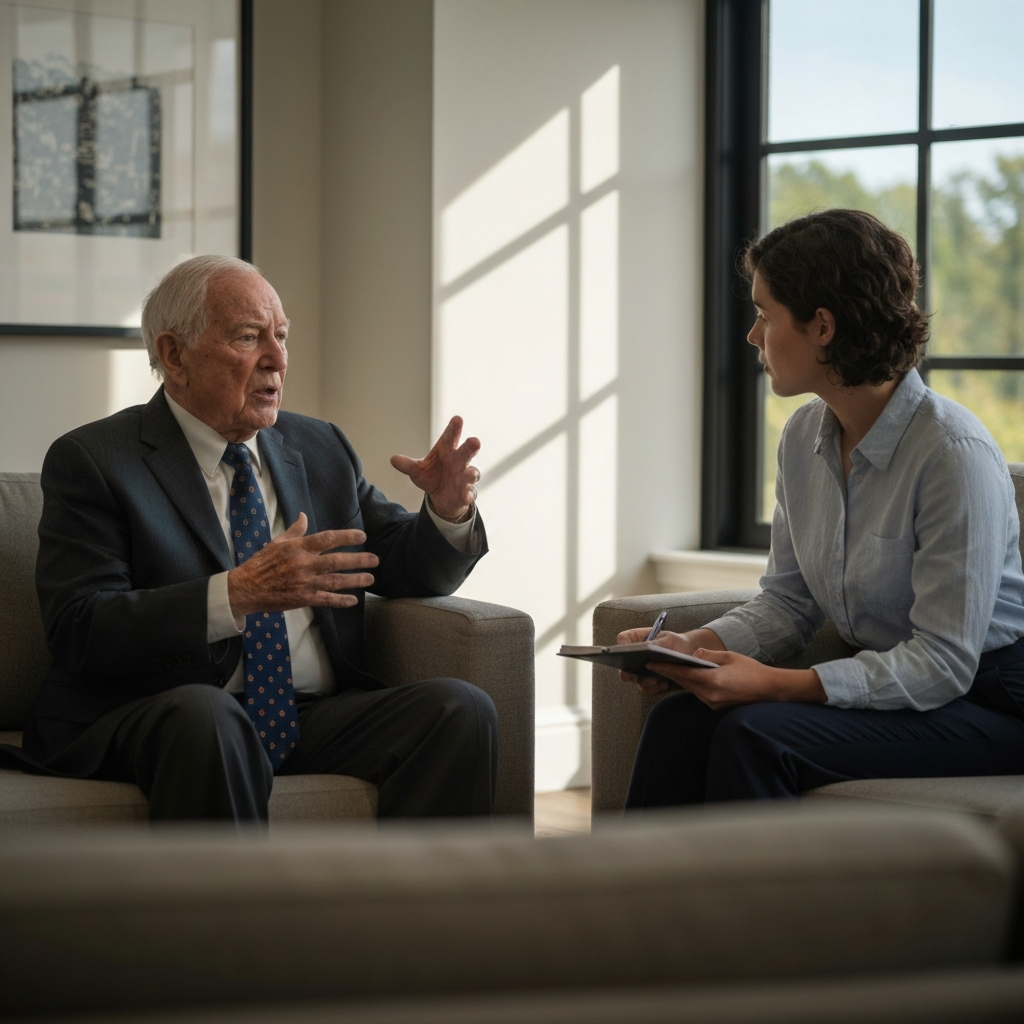
Connect with a veteran to gain firsthand insights into their experiences and the meaning of service. Contacting your local veterans' office or a veterans' organization is an excellent way to find individuals willing to share their stories. Prepare thoughtful questions that demonstrate genuine interest and respect.
Ask about their reasons for enlisting, their roles during their service, memorable experiences (both positive and challenging), and their perspectives on the importance of Remembrance Day. Listen attentively and avoid interrupting unless necessary for clarification. Be mindful that some veterans may find certain topics difficult to discuss; be sensitive to their comfort level and avoid pressing them to share information they are not ready to reveal. Asking questions about their adjustment to civilian life can also be revealing.
Step 3: Creating Symbolic Decorations
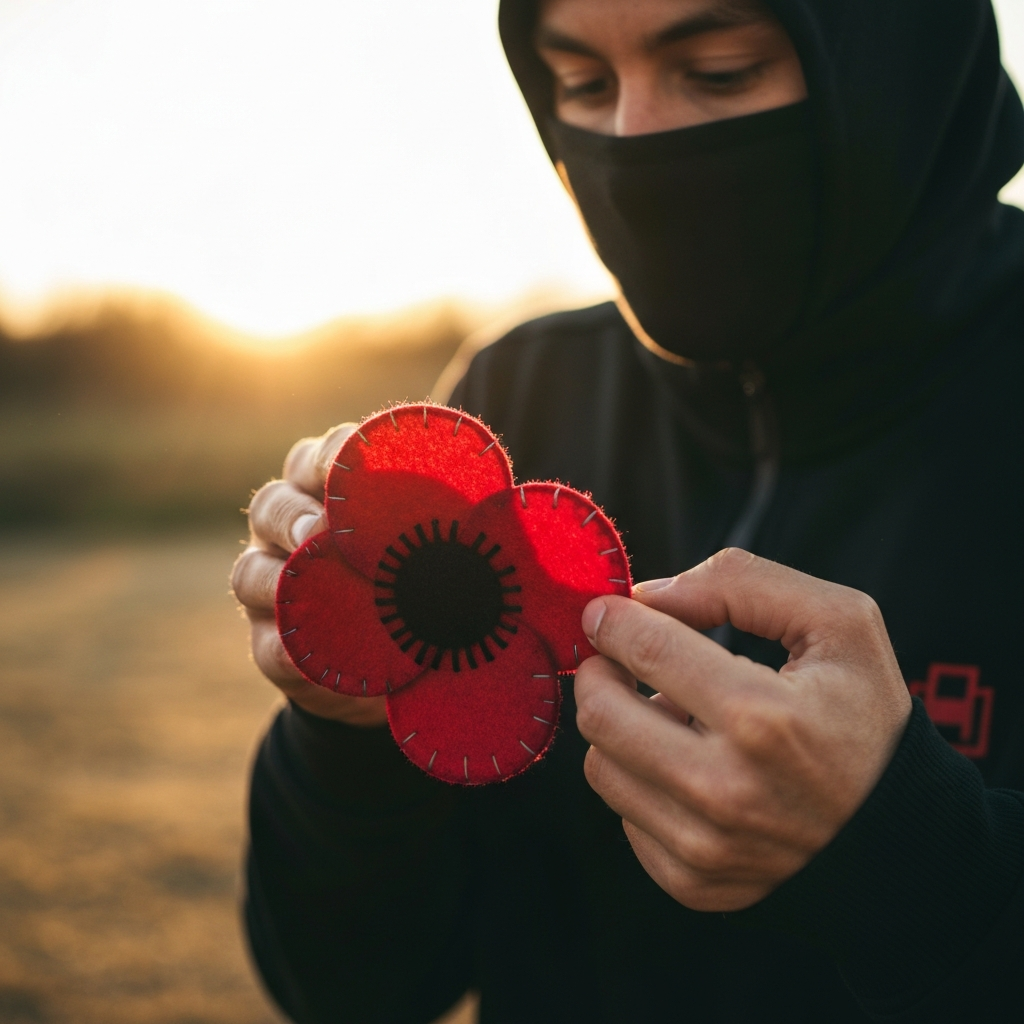
Craft meaningful decorations to honour the fallen. The poppy is the most widely recognized symbol of Remembrance Day, representing the fields where poppies bloomed after the battles of World War I. Make your own poppies using tissue paper, felt, or other craft materials. Consider creating wreaths using flowers and foliage that hold symbolic significance, such as rosemary (for remembrance) or laurel (for victory).
Display your decorations respectfully in your home, at a memorial site, or at a Remembrance Day event. When using flags, adhere to proper flag etiquette guidelines, ensuring that the flag is displayed correctly and with respect. Avoid using decorations that are overtly political or that could be perceived as insensitive to the sacrifices of armed service members.
Step 4: Attending a Remembrance Day Ceremony
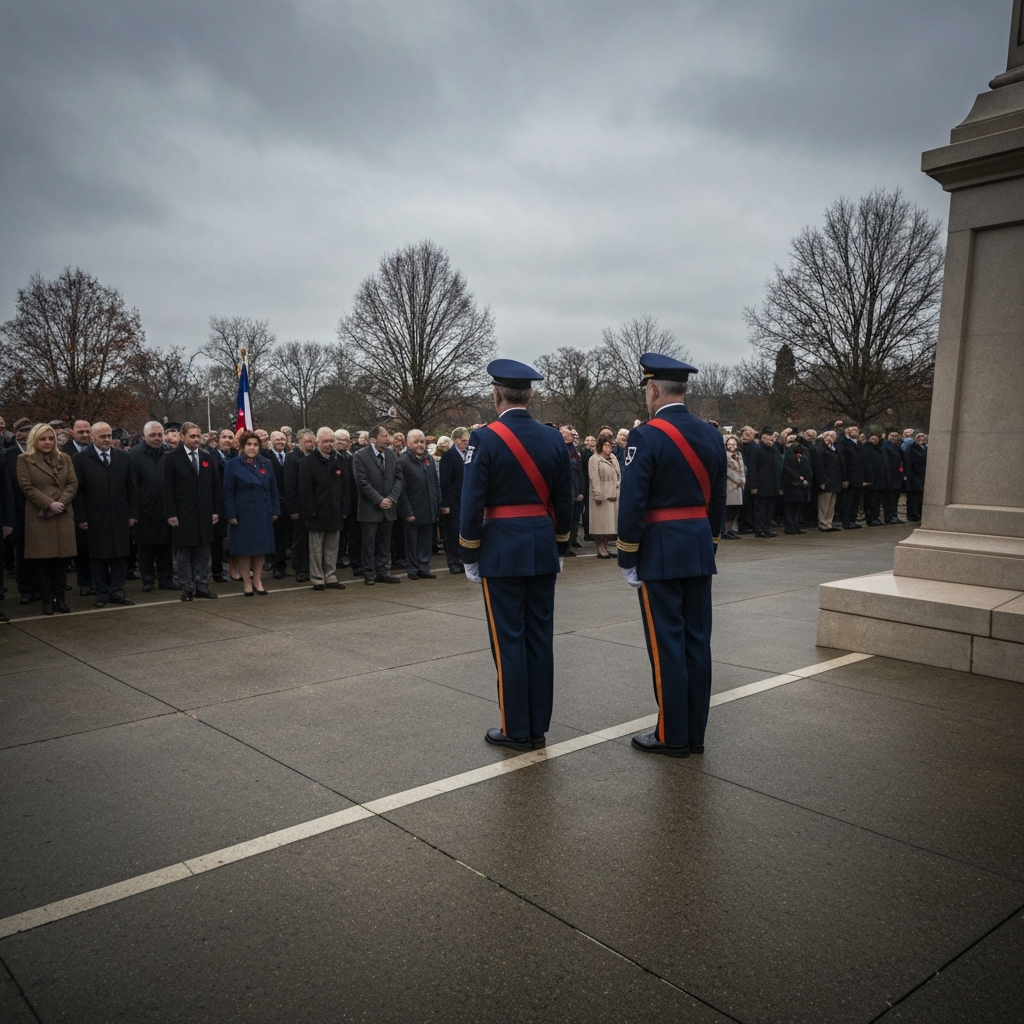
Participate in a Remembrance Day ceremony in your community. These events typically include a period of silence, the laying of wreaths, and readings or speeches that commemorate the fallen. Check your local newspaper, community bulletin boards, or veterans' organizations for information about ceremonies in your area.
Arrive early to secure a good viewing spot and to familiarize yourself with the order of events. During the ceremony, maintain a respectful silence and avoid using electronic devices unless necessary. If you are attending with children, explain the significance of the event beforehand and encourage them to participate respectfully. Dress appropriately, avoiding casual or overly flashy attire.
Step 5: Observing a Moment of Silence
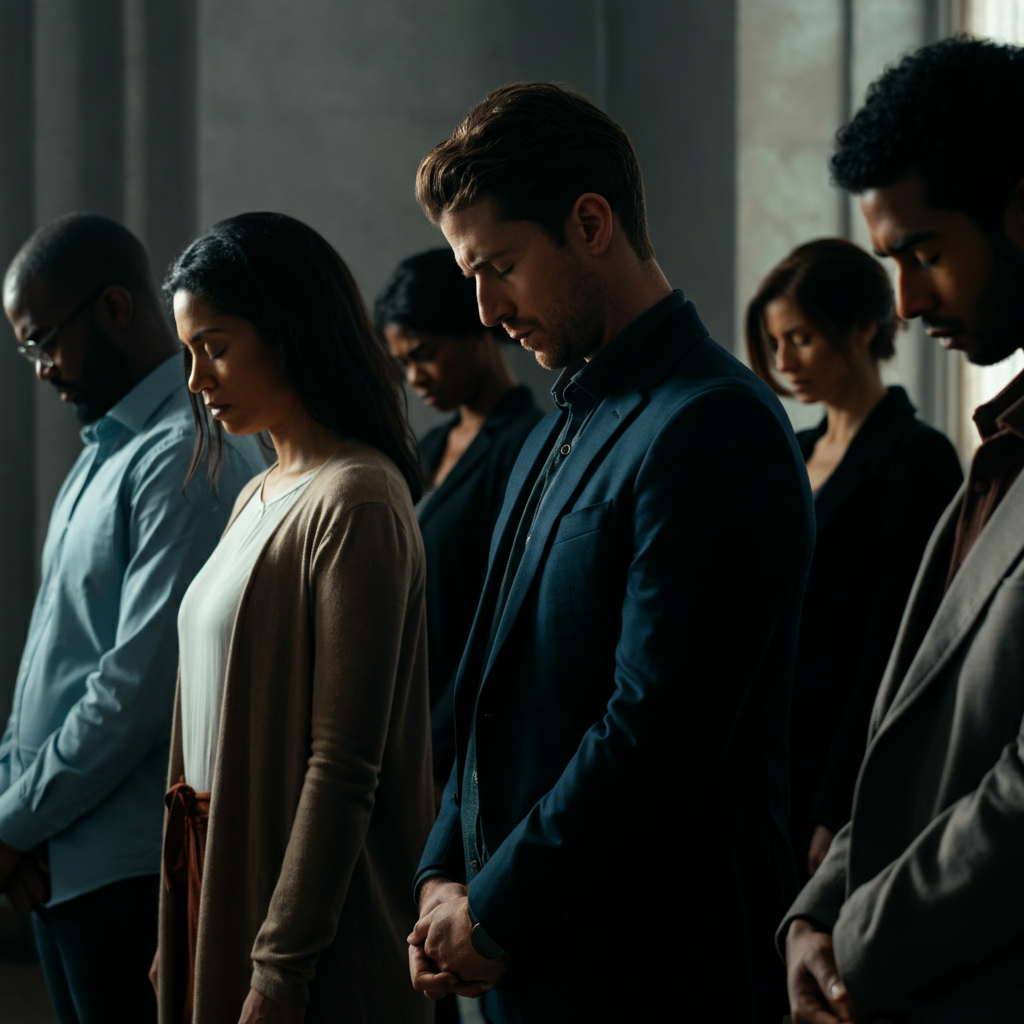
Observe a moment of silence at 11:00 am on November 11th. This tradition marks the time that the armistice ending World War I came into effect. Regardless of where you are, take a few moments to pause and reflect on the sacrifices made by armed service members.
Encourage others to join you in observing the moment of silence, whether at home, at work, or in public. Ensure that there are no distractions or interruptions during the silence; turn off electronic devices and avoid any unnecessary movement or noise. Use the silence as an opportunity to contemplate the human cost of war and to reaffirm your commitment to peace.
Step 6: Reading Wartime Poetry
Read aloud wartime poetry to commemorate the fallen soldiers and reflect on the costs of war. The poems give a raw and emotional account of what the soldiers went through during the war.
Examples include “In Flanders Fields” by John McCrae, "Memorial Day For The War Dead" by Yehuda Amichai, "Do Not Weep, Maiden, For War Is Kind" by Stephen Crane, and "In California During The Gulf War" by Denise Levertov. Pick the poem that speaks to you. Read the poem with feeling and reflect on the meaning of the words. A common mistake is to rush through the poem, without taking the time to understand the words and the story behind them.

Step 7: Thanking Armed Service Members
Express your gratitude to armed service members you encounter. A simple "thank you for your service" can go a long way in showing your appreciation for their dedication and sacrifice.
If you have the opportunity, engage in conversation with veterans and listen to their stories. Ask them about their experiences and their perspectives on the importance of Remembrance Day. Be respectful and avoid asking intrusive or insensitive questions. Recognize that some veterans may have difficulty discussing their experiences, and be understanding if they are not willing to share.

Tools or Materials Required
- Craft supplies (tissue paper, felt, wire, flowers, foliage)
- Research materials (books, articles, online resources)
- Contact information for local veterans' organizations
Common Mistakes to Avoid
- Glorifying war or downplaying its human cost.
- Using Remembrance Day for political purposes.
- Being insensitive to the experiences of veterans.
- Failing to observe proper flag etiquette.
FAQ Section
Q: Is it appropriate to wear a poppy before Remembrance Day?
A: Yes, it is customary to wear a poppy in the days leading up to Remembrance Day as a symbol of remembrance and support for veterans.
Q: What is the significance of the two minutes of silence?
A: The two minutes of silence represent the time that the armistice ending World War I came into effect, at 11:00 am on November 11th, 1918.
Q: Are there specific colours to make the poppy?
A: Usually the poppy is red with a black center, though depending on your country the colours might be slightly different. You can also make the poppy in the colours of your nation's flag.
Safety Considerations
When visiting memorial sites, be mindful of your surroundings and follow any posted rules or regulations. Be respectful of the site and avoid damaging or defacing any monuments or memorials. If you are attending a Remembrance Day ceremony, be aware of potential hazards such as traffic or crowds. Always supervise children closely and ensure that they are aware of safety guidelines.
Pro Tips
- Start planning your Remembrance Day activities well in advance.
- Involve your family and friends in the commemoration.
- Consider donating to veterans' organizations or supporting initiatives that benefit veterans.
Conclusion
Celebrating Remembrance Day is a meaningful way to honour the sacrifices of armed service members and to reaffirm our commitment to peace. By researching the history of Remembrance Day, connecting with veterans, creating symbolic decorations, attending ceremonies, observing moments of silence, and expressing gratitude, we can ensure that the sacrifices of those who served are never forgotten. Remember that Remembrance Day is more than just a day of remembrance; it's a call to action to build a more peaceful and just world.