Japan, the land of the rising sun, offers a unique blend of ancient traditions and modern technology. Moving to Japan can be an exciting adventure, but it requires careful planning and preparation. This guide provides a step-by-step approach to help you navigate the complexities of relocating and settling into Japanese life.
From securing a visa and finding accommodation to understanding Japanese customs and building a social network, this article covers essential aspects of living in Japan. We'll delve into practical tips, cultural nuances, and potential challenges to ensure a smooth and fulfilling transition. Whether you're planning a long-term stay or a temporary relocation, this guide will equip you with the knowledge and resources you need to thrive in Japan.
This guide aims to offer expert insights and practical advice based on experiences and observations. It will cover several crucial areas, providing you with a solid foundation for embarking on this transformative experience. Let's begin!
Step 1: Securing Your Visa
Understanding Visa Requirements
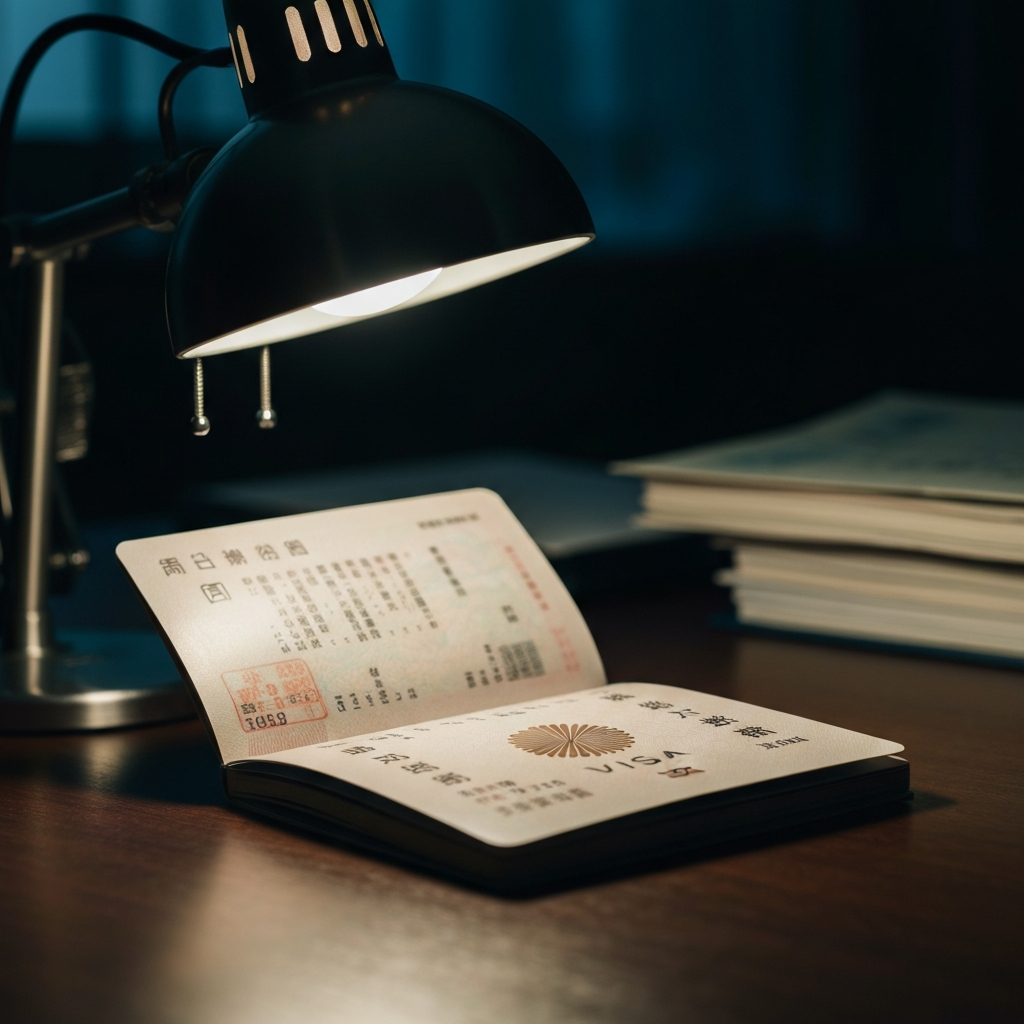
Obtaining the correct visa is the first and arguably most crucial step. Japan offers various visa categories, including working visas, student visas, and spouse visas. The specific requirements vary depending on your nationality and the purpose of your stay. Researching and understanding these requirements is essential to avoid delays or rejection. Start by visiting the website of the Japanese embassy or consulate in your home country. Gather all necessary documents well in advance, including passport, photographs, proof of funds, and any letters of sponsorship or acceptance. A common mistake is underestimating the time it takes to process the visa application.
Step 2: Finding Accommodation
Navigating the Japanese Housing Market
Finding suitable accommodation in Japan can be challenging, especially in major cities like Tokyo and Osaka. Rental properties are typically smaller than those in Western countries, and key money (reikin) and security deposit (shikikin) are common initial expenses. Online real estate portals are a good starting point, but engaging a local real estate agent can significantly streamline the process. They can help you navigate the language barrier and find properties that meet your specific needs and budget. Consider factors like proximity to public transportation, neighborhood safety, and the availability of essential amenities. Don't be afraid to negotiate rental terms, especially for longer leases.

Step 3: Mastering the Language Basics
Essential Japanese Phrases and Communication Tips
While English is spoken in some business and tourist areas, learning basic Japanese phrases will significantly enhance your daily life and interactions. Even a basic understanding of greetings, numbers, and common expressions can go a long way in building relationships and navigating everyday situations. Consider enrolling in a Japanese language course or using language learning apps like Duolingo or Rosetta Stone. Don't be afraid to make mistakes – Japanese people are generally appreciative of foreigners making an effort to speak their language. Practice speaking with native speakers whenever possible, whether it's at language exchange events or through online platforms.
Step 4: Understanding Japanese Culture and Customs
Navigating Social Etiquette
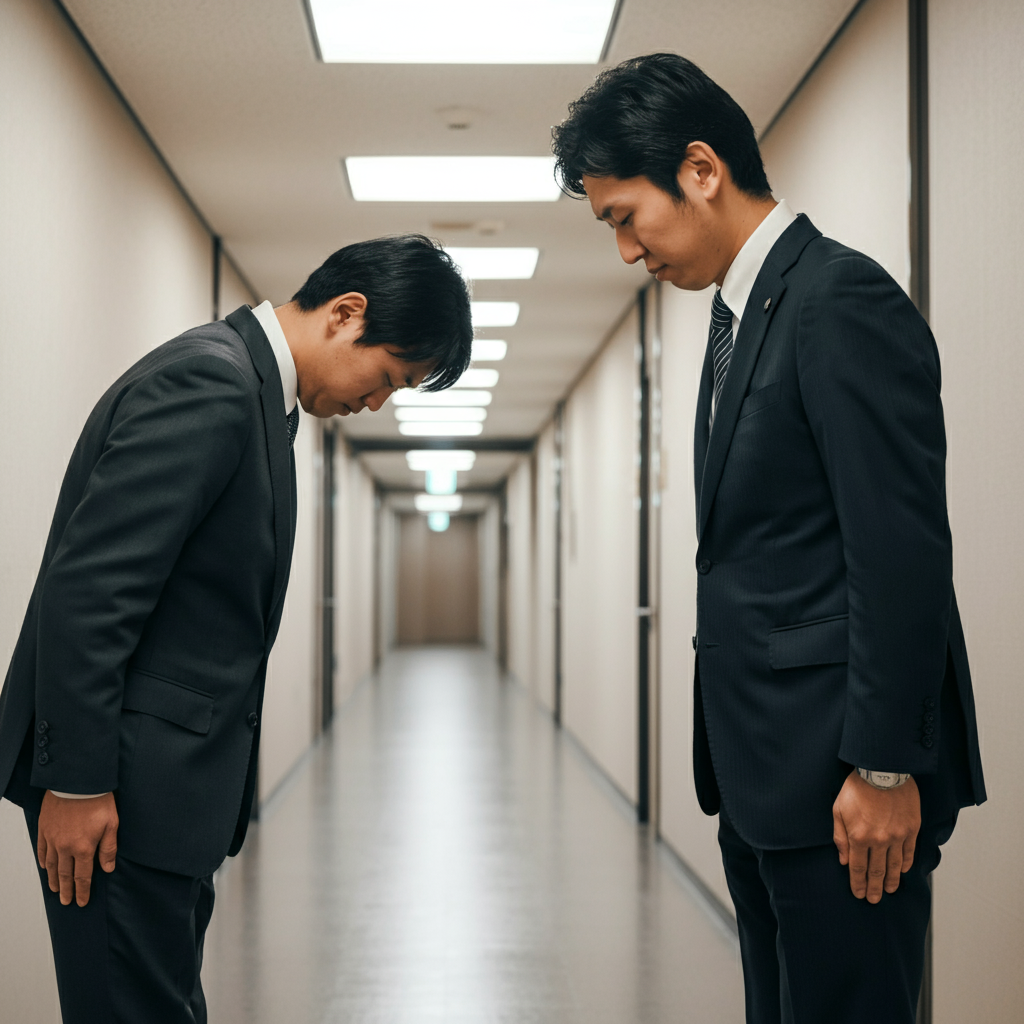
Japanese culture places a strong emphasis on respect, harmony, and politeness. Understanding and adhering to social customs is crucial for building positive relationships and avoiding misunderstandings. Bowing is a common form of greeting, and the depth of the bow indicates the level of respect. Removing your shoes before entering homes and certain establishments is also essential. Punctuality is highly valued, so always arrive on time for appointments and meetings. Learn about gift-giving etiquette, such as avoiding the number four (considered unlucky) and presenting gifts with both hands. Observe how locals interact and try to emulate their behavior.
Step 5: Setting Up Essential Services
Utilities, Banking, and Healthcare
Once you've secured accommodation, you'll need to set up essential services like electricity, gas, water, and internet. The process typically involves contacting the relevant utility companies and completing an application form. Opening a Japanese bank account is essential for managing your finances and receiving payments. You'll need your residence card (zairyu card) and passport to open an account. Familiarize yourself with the Japanese healthcare system and obtain health insurance coverage. National Health Insurance (kokumin kenko hoken) is mandatory for residents and provides access to affordable healthcare. Research local clinics and hospitals and learn how to access medical services in case of an emergency.
Step 6: Building a Social Network
Connecting with Locals and Expats
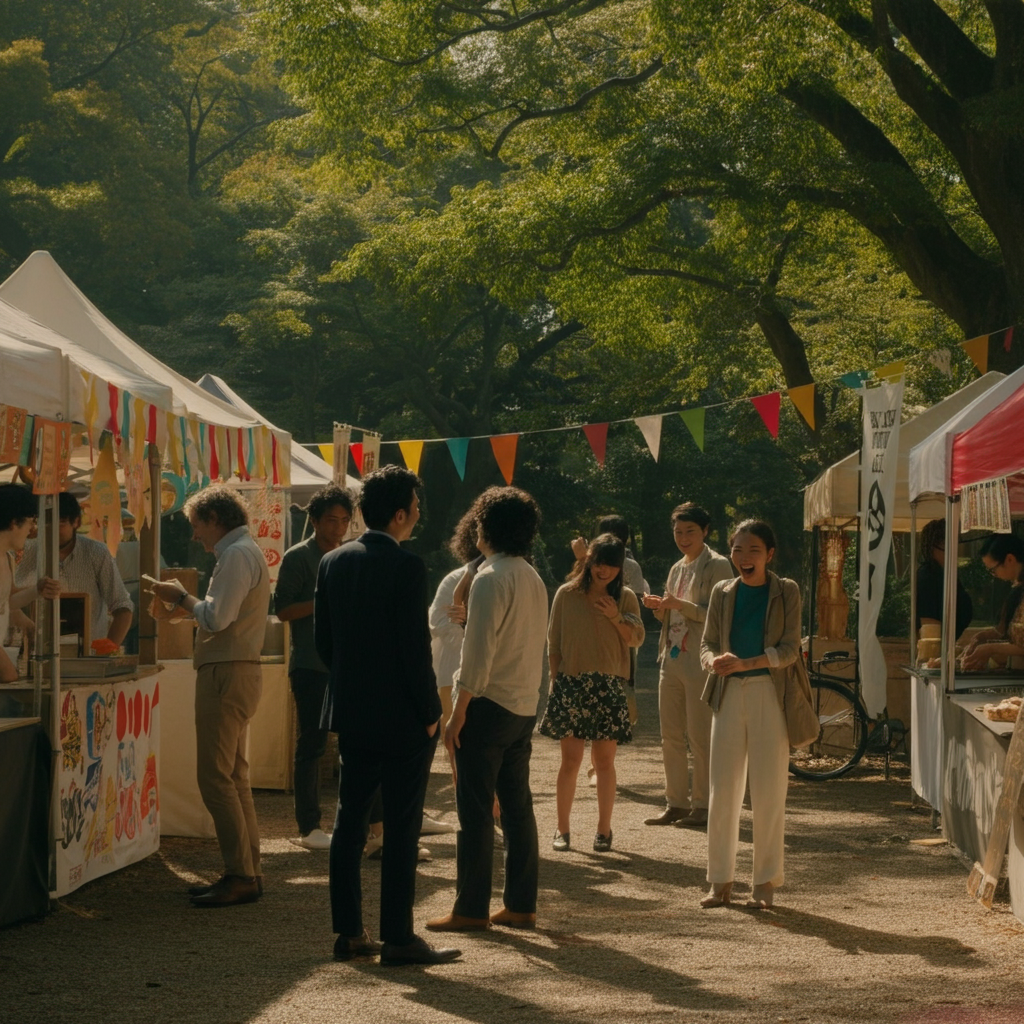
Building a social network is essential for combating loneliness and fostering a sense of belonging. Join local clubs and organizations that align with your interests, such as sports teams, hobby groups, or language exchange programs. Attend community events and festivals to meet new people and immerse yourself in Japanese culture. Online platforms and social media groups can also be valuable resources for connecting with other expats and locals. Actively seek out opportunities to interact with Japanese people and build meaningful relationships. Volunteer work can also be a great way to meet new people and contribute to the community.
FAQ Section
Frequently Asked Questions about Living in Japan
Q: Is it expensive to live in Japan?
A: The cost of living in Japan varies depending on the city and your lifestyle. Major cities like Tokyo and Osaka are generally more expensive than smaller towns and rural areas. Accommodation, transportation, and dining out can be significant expenses. However, with careful budgeting and planning, it's possible to live comfortably in Japan.
Q: Do I need to speak Japanese fluently to live in Japan?
A: While it's not always mandatory to speak Japanese fluently, it's highly recommended to learn at least basic Japanese phrases. This will significantly improve your daily life and interactions. In certain professions, fluency in Japanese may be required.
Q: What is the weather like in Japan?
A: Japan experiences four distinct seasons, with varying weather patterns depending on the region. Summers are hot and humid, while winters are cold and snowy in some areas. Spring and autumn are generally mild and pleasant. It's important to pack accordingly for the specific region and time of year.
Conclusion
Living in Japan can be a transformative experience, offering unique cultural immersion and personal growth. By following the steps outlined in this guide, you can navigate the complexities of relocating and settling into Japanese life with greater confidence. Remember to be patient, adaptable, and open to new experiences. Embrace the challenges and celebrate the rewards of living in this fascinating and dynamic country. Good luck on your Japanese adventure!