The allure of Alaska, with its vast wilderness, abundant wildlife, and stunning landscapes, draws adventurers from around the globe. While many opt for flights or cruises, an unforgettable alternative exists: driving. Embarking on a road trip to Alaska offers a unique opportunity to experience the raw beauty and untamed spirit of the North American continent firsthand. But such a journey requires careful planning and preparation.
This comprehensive guide will walk you through everything you need to know to successfully drive to Alaska, covering essential routes, necessary documentation, recommended timelines, and crucial tips for a safe and enjoyable adventure. From navigating Canadian highways to preparing for unpredictable weather, we'll equip you with the knowledge and resources to make your Alaskan road trip a reality.
So, buckle up and get ready to discover the open road to the Last Frontier!
Step 1: Confirming the Possibility and Choosing Your Route
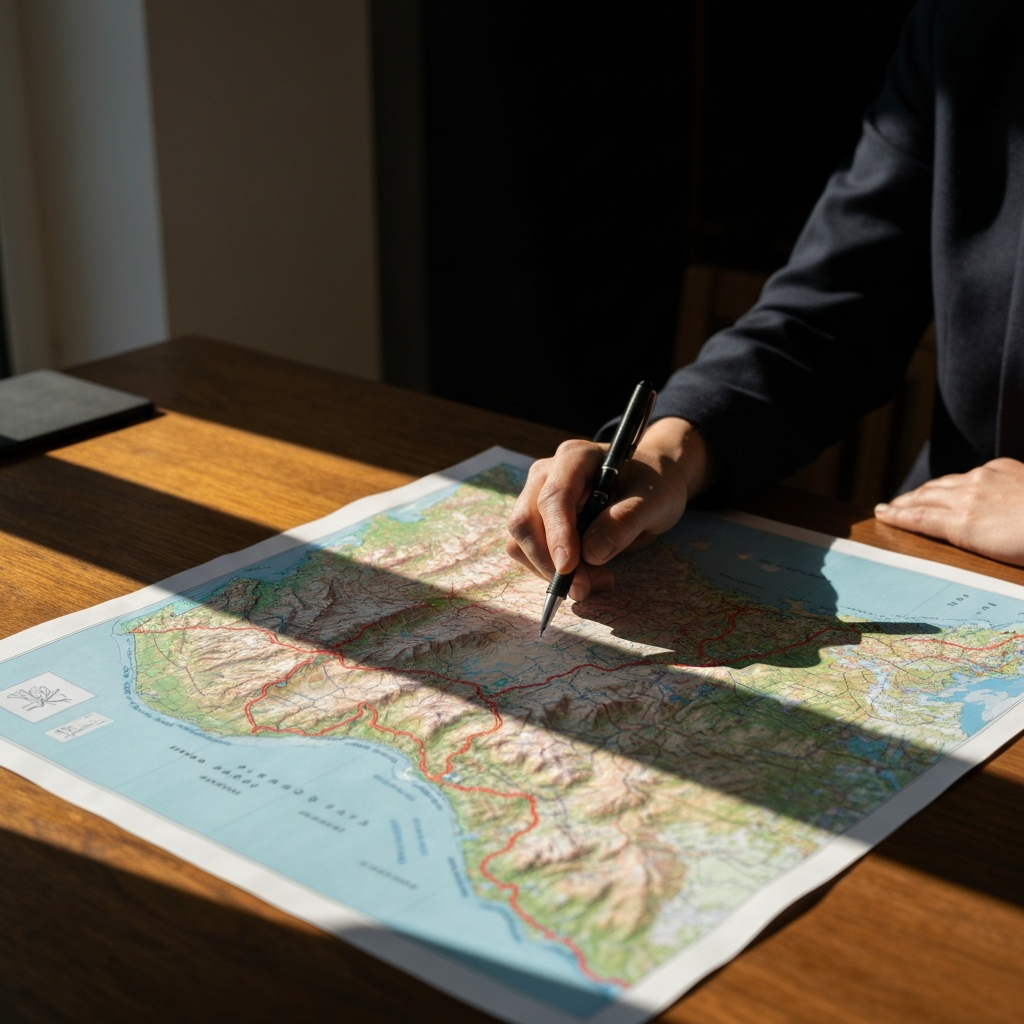
Yes, you absolutely can drive to Alaska! However, since Alaska is not directly connected to the contiguous United States, you'll need to drive through Canada. Two primary highways serve as the main arteries for reaching Alaska: the Alaskan Highway (also known as the Alcan Highway) and the Cassiar Highway (Highway 37). Both are paved and maintained, but they offer distinct experiences. The Alaskan Highway is the more popular and established route, providing more services and attractions along the way. The Cassiar Highway, on the other hand, is less traveled and offers a more remote and rugged experience.
Step 2: Gathering Essential Documentation
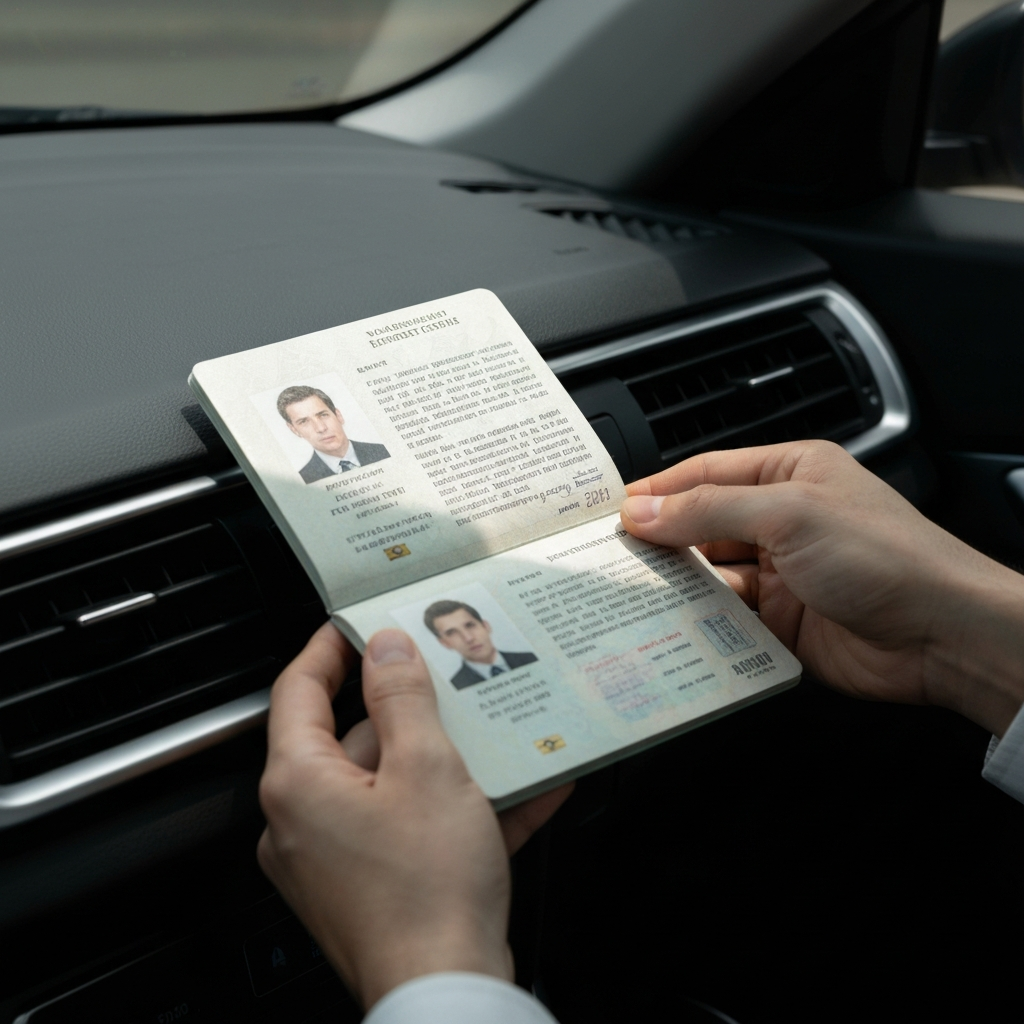
Since you'll be crossing international borders, ensuring you have the necessary documentation is paramount. A valid passport is absolutely essential for all travelers, including children. Without it, you will not be allowed to enter Canada. Furthermore, if you plan on traveling with pets, you'll need to obtain a health certificate from your veterinarian and ensure their vaccinations are up-to-date. Check the specific requirements of the Canadian Border Services Agency (CBSA) well in advance of your trip, as regulations can change. Double-check everyone in your party has the needed paperwork.
Step 3: Planning Your Timeframe
Driving to Alaska is a significant undertaking, and rushing the journey would be a disservice to the incredible scenery and experiences along the way. Most travelers allocate between 5 to 10 days for the one-way trip. This allows ample time to cover the 1,000+ miles, make stops at points of interest, and account for potential delays due to weather or road conditions. Consider the activities you want to pursue in Alaska and plan your driving days accordingly. Detailed itineraries are crucial, as services along the route can be sparse in certain areas.

Step 4: Choosing the Optimal Time to Travel
The best time to drive to Alaska is during the warmer months, specifically between May and September. During this period, the weather is more predictable, road conditions are generally favorable, and most businesses and services are open. Traveling outside of this window can be challenging due to colder temperatures, potential snow and ice, and limited availability of services. Even during the summer months, be prepared for fluctuating temperatures and pack a variety of clothing layers.

Step 5: Preparing Your Vehicle
Before embarking on your Alaskan road trip, ensure your vehicle is in excellent working condition. A thorough tune-up is essential, including checking the tires, brakes, fluids, and battery. Consider installing a heavy-duty battery, as colder temperatures can strain electrical systems. It's also wise to carry a spare tire, along with the necessary tools to change it. Consider purchasing roadside assistance coverage that extends into Canada. An emergency kit with jumper cables, a first-aid kit, a flashlight, and basic tools is also highly recommended.

Step 6: Anticipating Limited Services and Packing Accordingly
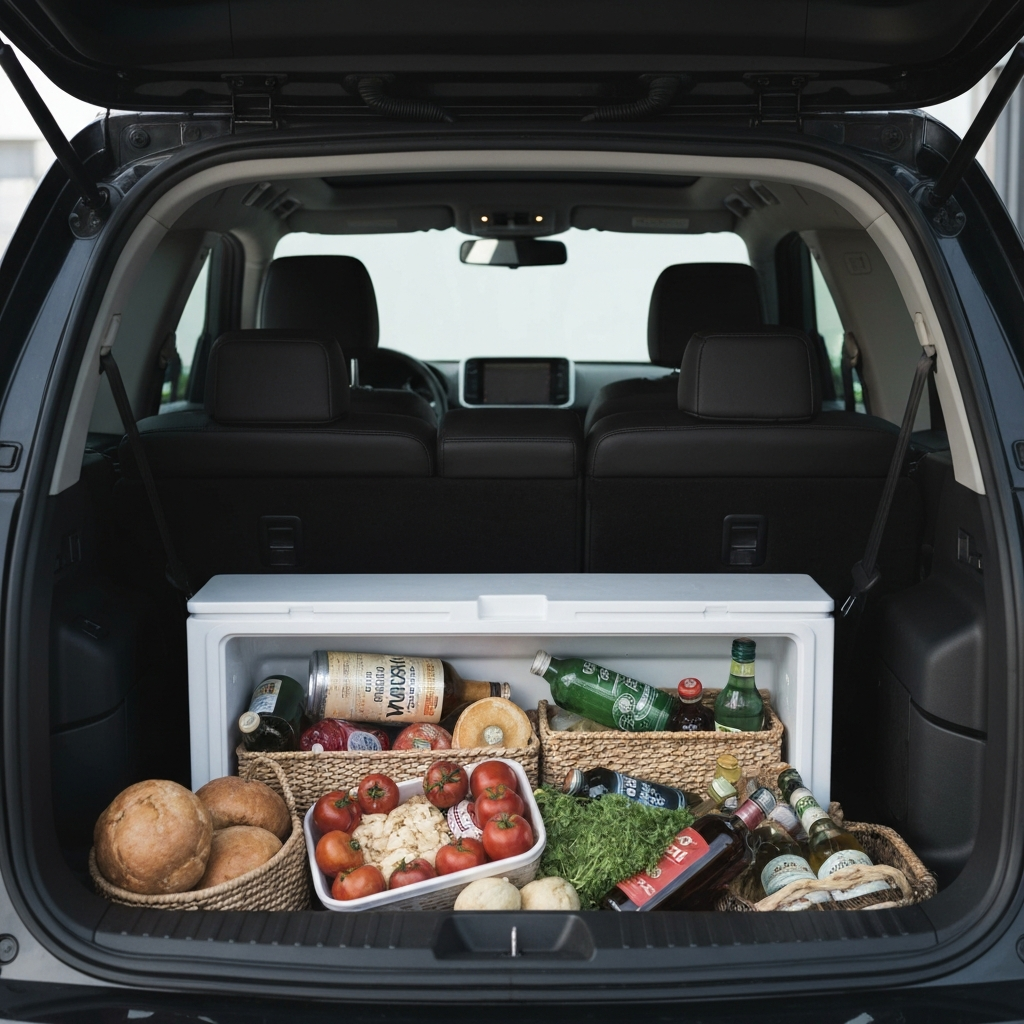
While both the Alaskan and Cassiar Highways offer services, they can be sparsely located, sometimes with significant distances between gas stations, restaurants, and lodging. It's crucial to fill up your gas tank whenever you have the opportunity. Carrying an extra container of gasoline is a wise precaution. Pack plenty of food and water, especially if you plan on taking the Cassiar Highway. Consider bringing a cooler to keep perishable items fresh. Ensure you have cash on hand, as some smaller establishments may not accept credit cards.
Safety Considerations
- Wildlife Awareness: Be aware of the potential for encountering wildlife, such as moose, bears, and caribou, on or near the road. Drive cautiously, especially at dawn and dusk, and never approach or feed wild animals.
- Road Conditions: Check road conditions and weather forecasts before you travel and be prepared for changing conditions. Construction delays are possible, especially during peak season.
- Driver Fatigue: Avoid driving for extended periods without taking breaks. Share driving responsibilities with another passenger if possible.
FAQ Section
Q: Do I need a special type of vehicle to drive to Alaska?
A: While a 4x4 vehicle is not strictly necessary, it can be beneficial, especially if you plan on exploring unpaved roads or encountering challenging weather conditions. A reliable vehicle with good ground clearance is generally recommended.
Q: Will my cell phone work in Canada and Alaska?
A: Cell service can be unreliable in many areas along the Alaskan and Cassiar Highways. Check with your mobile provider about international roaming options and coverage maps. Consider investing in a satellite communication device for emergencies.
Q: What are some must-see attractions along the way?
A: The Alaskan Highway offers attractions such as Muncho Lake Park and Liard River Hot Springs. The Cassiar Highway boasts Bear Glacier Lagoon and Jade City. Research and prioritize the attractions that interest you most.
Q: Can I drive to Alaska in the winter?
A: Driving to Alaska in the winter is possible but not recommended for inexperienced winter drivers. Expect extremely cold temperatures, snow and ice, and limited daylight hours. Many services are closed during the winter months.
Conclusion
Driving to Alaska is an incredible adventure that rewards careful planning and preparation. By understanding the necessary steps, documentation, timelines, and potential challenges, you can ensure a safe and unforgettable journey. Embrace the open road, immerse yourself in the stunning landscapes, and create memories that will last a lifetime. The Last Frontier awaits!