Embarking on a journey as an art student is a profound decision, often fueled by a yearning for self-expression and a desire to connect with the world in a unique way. It signifies a departure from conventional paths, embracing the challenges and rewards of a life dedicated to creative exploration. This choice, while potentially daunting, opens doors to an extraordinary realm of artistic growth and personal discovery.
The path of an art student is rarely linear; it's a dynamic process marked by unexpected detours and moments of profound insight. It can be born from dissatisfaction with other career prospects, or by consciously choosing a route different from those expected of you. While instability, stress, and financial worries are genuine concerns, the decision to immerse yourself in art school is a deliberate one.
The prospect of dedicating years to a demanding field may seem intimidating, yet the art school experience is unparalleled. It fosters a unique environment for artistic investigation – a period you'll likely cherish. This guide aims to equip you with the knowledge to overcome hurdles, maximize your time in art school, and establish a firm foundation for future professional pursuits.
This expert guide offers actionable strategies to help you excel, thrive, and establish yourself within the art world, starting from your first day on campus to preparing for your career beyond graduation.
Step 1: Immerse Yourself in the Art School Community
Explore and Connect
Upon arriving at art school, dedicate time to understanding your surroundings and the people within it. Observe your fellow students: their artistic mediums, their interests, and their personalities. Art school often fosters a unique sense of camaraderie born from shared experiences and challenges. These shared hardships can lead to valuable connections that extend well beyond graduation. Don't underestimate the power of shared struggles in forging lasting bonds.

Step 2: Make the School Your Creative Home
Embrace the Space and Its Rhythms
Art schools typically provide access to studios, workshops, and communal areas. Actively explore these spaces to discover where students congregate and collaborate. Art students often maintain unconventional schedules, frequently working late into the evening. The strongest connections often develop among those who linger, where casual conversations blend with studio work. Transform the school into a place where you feel at home, enhancing your study time while cultivating meaningful relationships.

Step 3: Blur the Lines Between Social and Academic Life
Integrate and Inspire
Artists often face the misconception that their work is "just having fun." While creating art may feel different from other activities, inspiration can strike at any moment. Treat socializing and working as interconnected activities to enhance your artistic productivity. Casual conversations can spark fresh ideas and even lead to collaborations. Gradually blur the boundaries between socializing and working to boost your creative output.

Step 4: Cultivate Excitement and Challenge Norms
Disrupt and Innovate
If you're feeling lost or stagnant in your studies, use your surroundings to inject excitement and spark innovation. Draw inspiration from the dynamics within your community. Art students are known for their unconventional approaches to relationships and a desire to build connections. Disrupting the usual workings of your community can boost your recognition in the local art scene and stimulate emotions that are essential for artistic expression. Be mindful, however, that an overly emotional approach can negatively impact your mental well-being.
Step 5: Draw Inspiration from Your Immediate Environment
Connect and Create
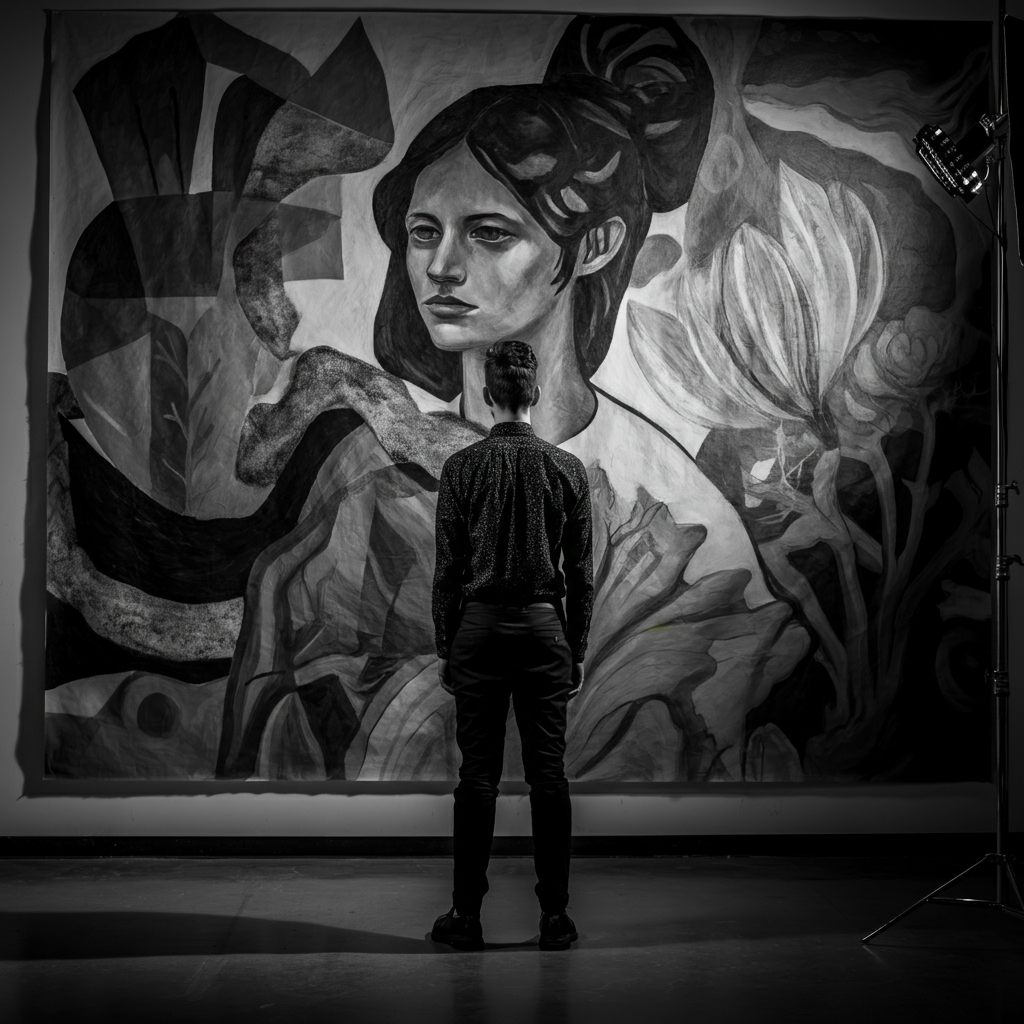
Inspiration is critical for art students, who are constantly expected to produce tangible outcomes. To maintain a steady flow of ideas, focus on the people and objects around you. While the vastness of art history can be overwhelming, creating small artworks directly related to your surroundings can be incredibly beneficial. Discussions with fellow students and professors can then connect these smaller works to larger themes and ideas, placing them within a broader artistic context.

Step 6: Prioritize Production Over Overthinking
Create, Then Analyze
It's easy to become entangled in over-analyzing your work, especially when discussions with peers and professors are frequent. Resist this temptation! The primary focus at art school is on producing artwork. Whatever your creation, artists will typically find something intriguing during discussions. Art school is designed to create connections, whether it's genuine interest, a desire to support the community, or simply a wish to connect with you personally. Frustration is a natural part of the process. Your priority should be production. Remind yourself that your acceptance into art school validates your existence as an artist.
Step 7: Cultivate Your Unique Artistic Style
Define and Refine
For a successful career in the arts, it's crucial to develop an artistic practice that distinguishes you. Especially at the beginning of your studies, dedicate time to discovering your unique trait. Try to articulate your style in a single, concise sentence. This will make it easier for others to discuss and share your work. For example: "He/She/They, this person who creates these ... (your unique way of working)". While multiple interests may seem exciting, summarizing your work enhances your chances of being noticed.
Step 8: Balance Art Creation with Community Engagement
Connect and Expand
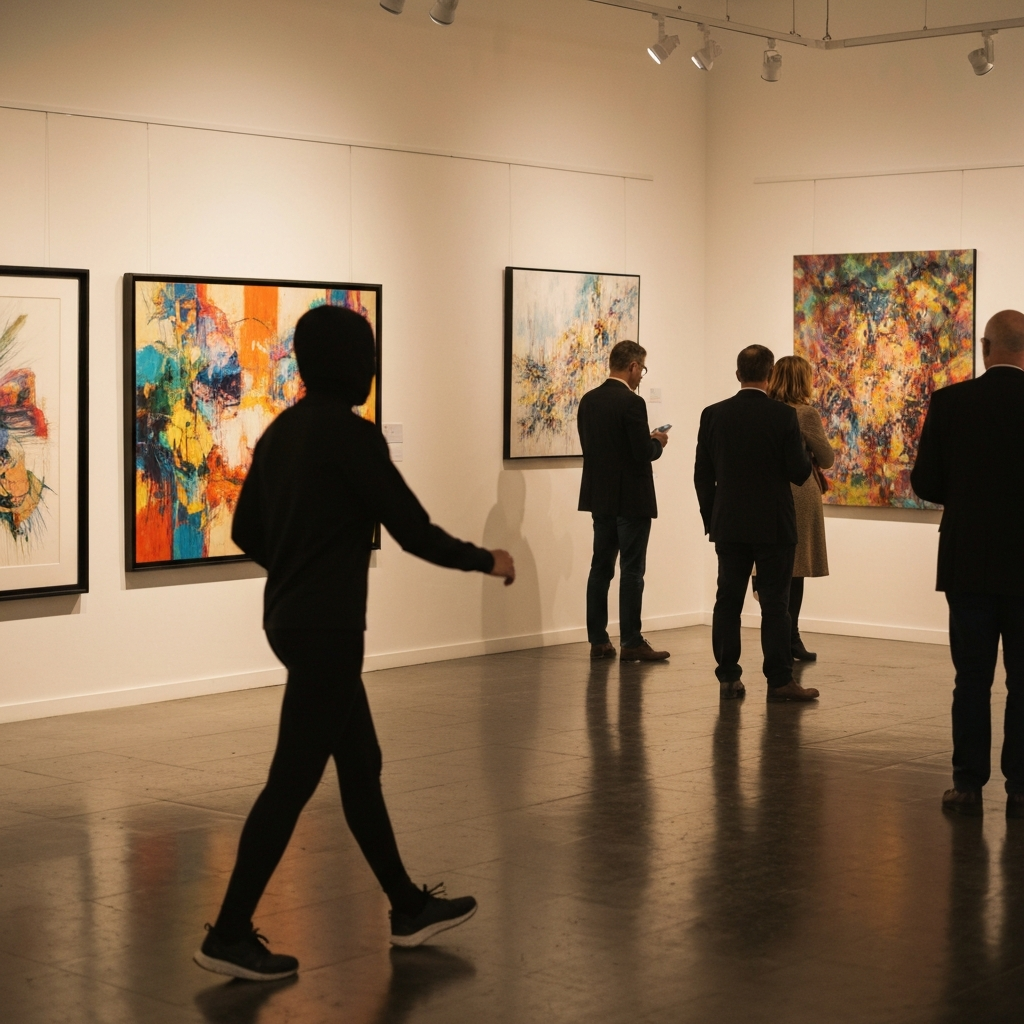
It's easy to get lost in research and obsess over fine-tuning details in your artwork. Dedicating time to your art is important, but it's also vital to establish your position within the art community. Spend a fair amount of time applying for exchanges, residencies, and project calls, prioritizing those with the potential to create valuable connections. In reality, influence within the network of artists and your personal traits often lead to a successful career.
Step 9: Embrace Your Identity as an Artist
Believe and Project
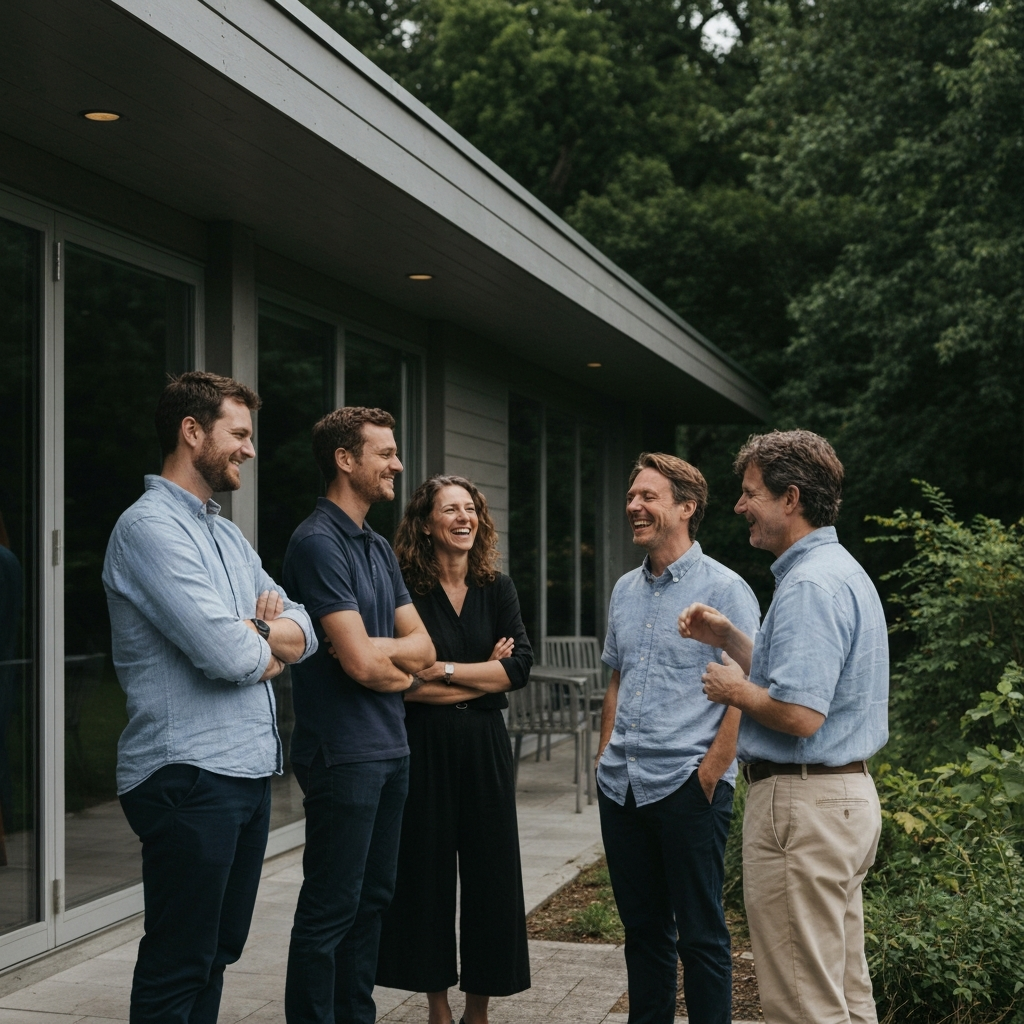
It's normal to feel frustrated and overwhelmed by the pressure to create art, especially during your time at art school. However, always remember that you're here for a reason, and your role as an artist in the community is justified. Even if it doesn't always feel that way, you're now part of a community that will eventually be connected with upcoming art scenes. Start being an artist immediately, rather than waiting until after school to question your artistic validity.
Step 10: Build Connections Through Social Experiences
Network Authentically
Art students are known for their social lives, frequently attending bars, concerts, clubs, or house parties. These shared experiences provide excellent opportunities to build connections. Being informed about the latest news and discussing your experiences with your group will attract people who want to grow closer to you. The group you socialize with gains value as strong connections are built among its members. Try to socialize at least occasionally. You may be surprised how easily new connections are made and how quickly existing connections can be strengthened in different environments.
Step 11: Secure a Source of Income for Networking
Fund Your Social Life
Networking often involves expenses, whether it's concert tickets, contributing to snacks and drinks at social events, or nightclub entry. Additionally, in social settings like bars, buying drinks for others is highly valued. Limited financial stability can hinder networking activities, as cultural events and consumables become increasingly expensive. While this varies based on your financial background, try to have at least a small income to support your networking and increase your chances of success.
Step 12: Discover Hidden Gems and Unique Spaces
Cultivate Exclusive Knowledge
Whether it's a secret spot, a club frequented by artistic crowds, or a beautiful, rarely visited natural location, it's important to explore your environment for the best places. Knowing about these unique spaces is valuable and will attract others who want to spend time with you there. This allows you to choose who you engage with, which can benefit your network. Discover unique spaces to increase your standing within your artistic community.
Step 13: Craft Your Artistic Persona
Define Your Narrative
Many successful artists draw inspiration from their backgrounds, past traumas, and ethnicities, creating a coherent body of work. Create a distinct, easily understandable, and robust narrative for your artistic persona. If you have an intriguing background, this process will be easier. However, don't be discouraged if you don't! Anyone can develop a narrative built on something they identify with. When constructing your narrative, avoid making it too ordinary, and remember to produce something unique. Avoid making your artistic persona overly complex, as it won't resonate with others as much.
Step 14: Consider Extending Your Time at School
Maximize Your Resources
If you're feeling uncertain about your direction, consider extending your studies. Art school provides tools and spaces necessary for your artistic growth. There's no need to rush into a professional artist's life. In fact, being enrolled in art school is not incompatible with being a working artist. Some students may never actually graduate, emphasizing the supportive environment art school offers for artistic communities. If you graduate early, maintain connections with fellow students and explore opportunities to collaborate. The art scene often emerges around schools. Additionally, familiarity with students can give you access to tools and workshops there.
Step 15: Continuously Expand Your Network Beyond School
Connect and Collaborate
Art school provides an initial network. However, leaving school provides an opportunity to connect with both working artists and fellow students. If building a network at school was challenging, don't worry! Many successful art collaborations stem from friend groups experimenting and playing around, without being enrolled in a school. So, be part of such dynamics within your friend groups, whether they are artists or not.
Pro Tips
- Networking should feel natural and organic. In art circles, networking is a vital aspect of social life, so ensure your efforts come across as authentic.
- Art school provides experiences that are difficult to express in words. If you feel like you haven't been doing much and struggle to explain your art to others, don't worry – unless their input would be beneficial to your network.
Safety Considerations
- While immersing yourself in the art scene, remember to prioritize your well-being. Maintain a healthy balance by eating well, exercising regularly, and getting enough sleep. Socializing is essential for networking, but excessive partying is generally frowned upon, even though the line can be thin.
Conclusion
Becoming an art student is a transformative journey. By immersing yourself in the art school community, cultivating your unique style, and actively building your network, you can unlock your full potential and pave the way for a fulfilling career in the arts. Remember to prioritize your well-being, embrace collaboration, and never stop creating.