Remember those mixtapes you painstakingly created, the Walkman blasting your favorite tunes, and the satisfying click of a cassette tape locking into place? Cassette tapes, once relegated to the dusty corners of attics and forgotten storage boxes, are experiencing a resurgence. But does this nostalgic revival translate to actual monetary value? The answer, like the winding path of tape itself, is complex.
While not every cassette tape is a hidden treasure, certain factors can significantly increase their worth. From the rarity of the recording and the condition of the tape to the genre and artist, several elements contribute to a cassette's collectibility. Understanding these factors is key to determining whether your old tapes are worth selling, or simply worth preserving for their sentimental value.
This guide will delve into the world of cassette tape collecting, providing you with the expert knowledge to assess your collection and potentially uncover some hidden gems. We'll explore what makes a cassette valuable, where to sell them, and some of the most sought-after cassettes on the market today. Get ready to dust off those tapes and discover their true worth!
Step 1: Assessing Your Cassette Tape Collection
Identifying Potential Value
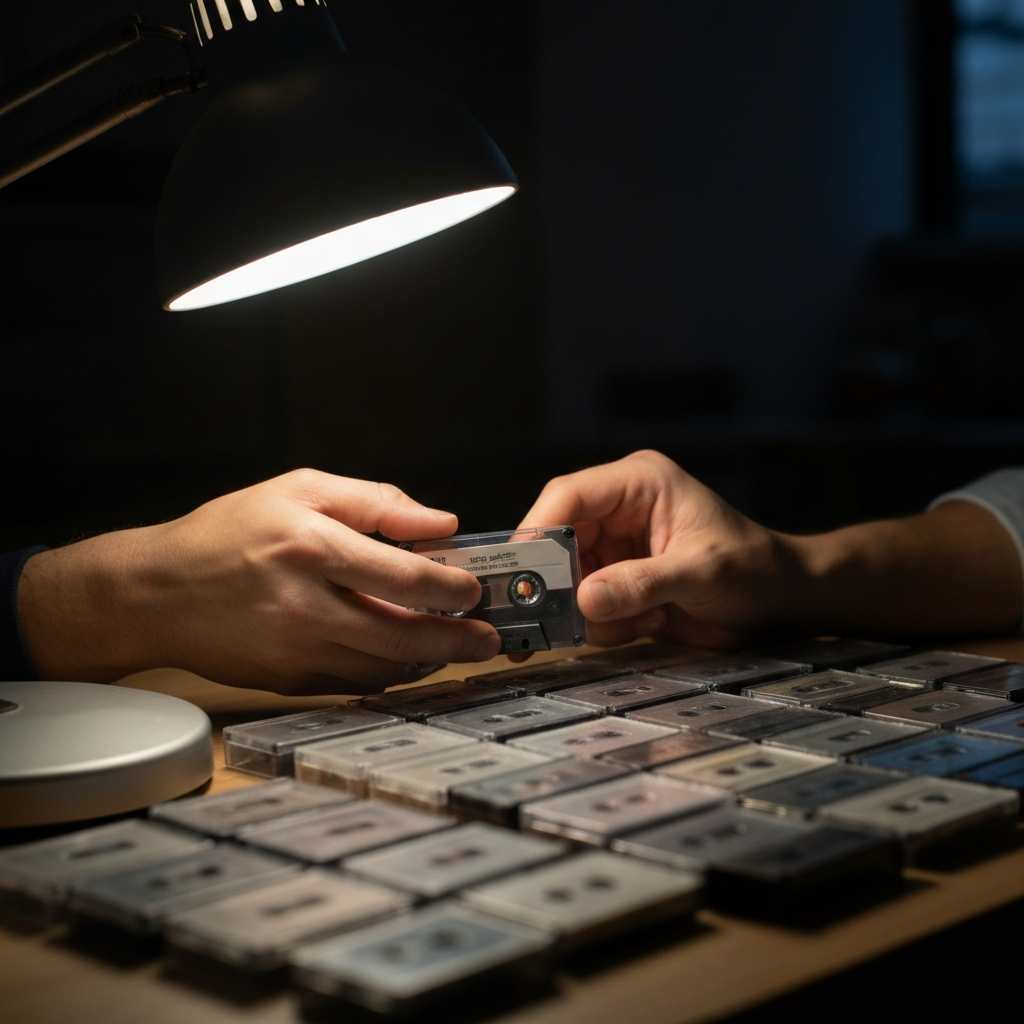
The first step in determining the worth of your cassette tapes is to thoroughly assess your collection. Not all tapes are created equal; popularity, sound quality, and physical condition all play a crucial role in determining value. Start by categorizing your tapes by artist, genre, and recording label. Look for any unusual or rare releases, such as demo tapes, promotional copies, or first editions. These often command higher prices due to their limited availability.
Condition is King
The physical condition of your cassette tapes is paramount. A sealed, mint-condition tape will always be worth more than a used or damaged one. Examine the tape for any signs of wear and tear, such as cracks, scratches, or fading on the case or label. Check the tape itself for signs of degradation, such as stretching or breakage. Even if the tape plays, poor sound quality can significantly reduce its value. A pristine, unopened tape from a popular artist can fetch a surprisingly high price.
Step 2: Researching Market Value
Leveraging Online Resources
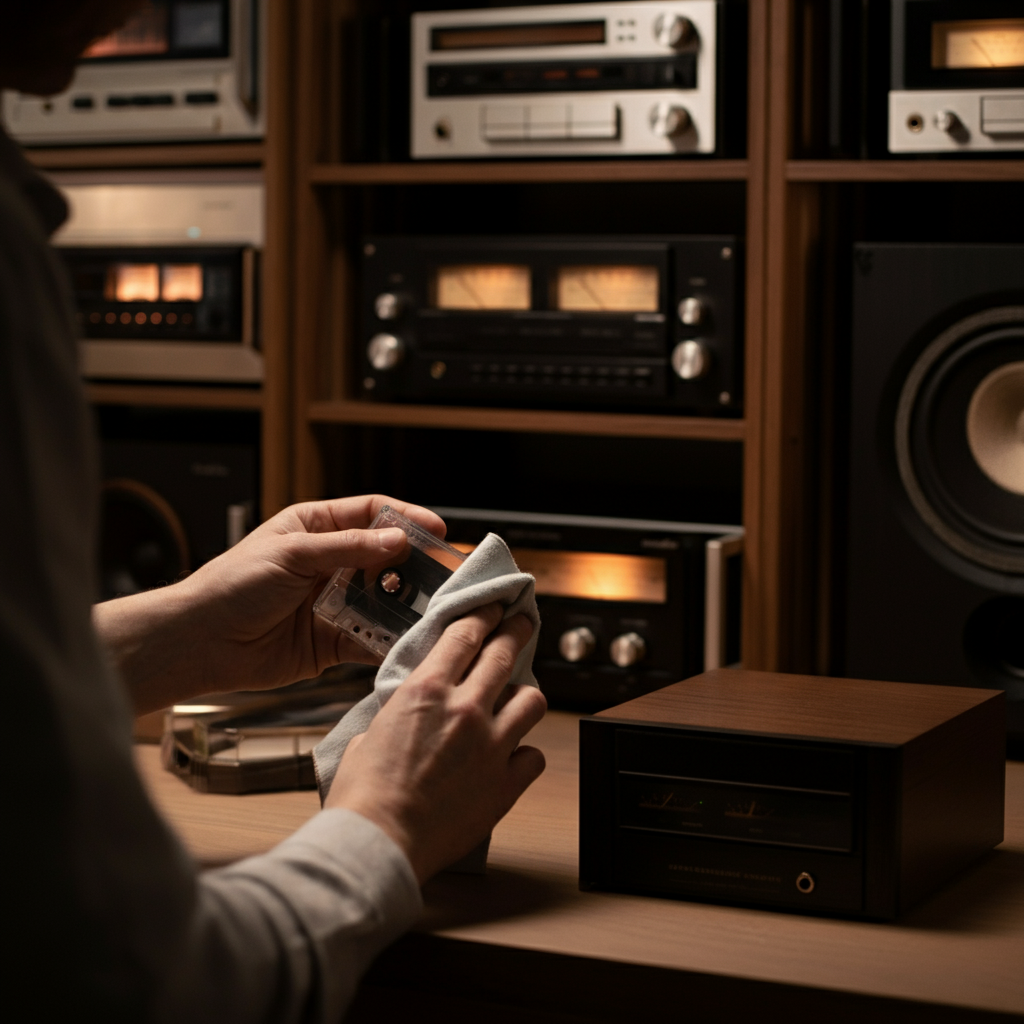
Once you've assessed the condition and rarity of your tapes, it's time to research their market value. Online resources like Discogs and eBay are invaluable tools for determining current prices. Search for your specific tapes and compare them to similar listings, paying close attention to the condition and selling price of previously sold items. Be sure to filter your search results to see "sold" listings, as this will give you a more accurate idea of what buyers are actually willing to pay. Don't rely solely on asking prices, as these may not reflect the true market value.

Understanding Rarity and Demand
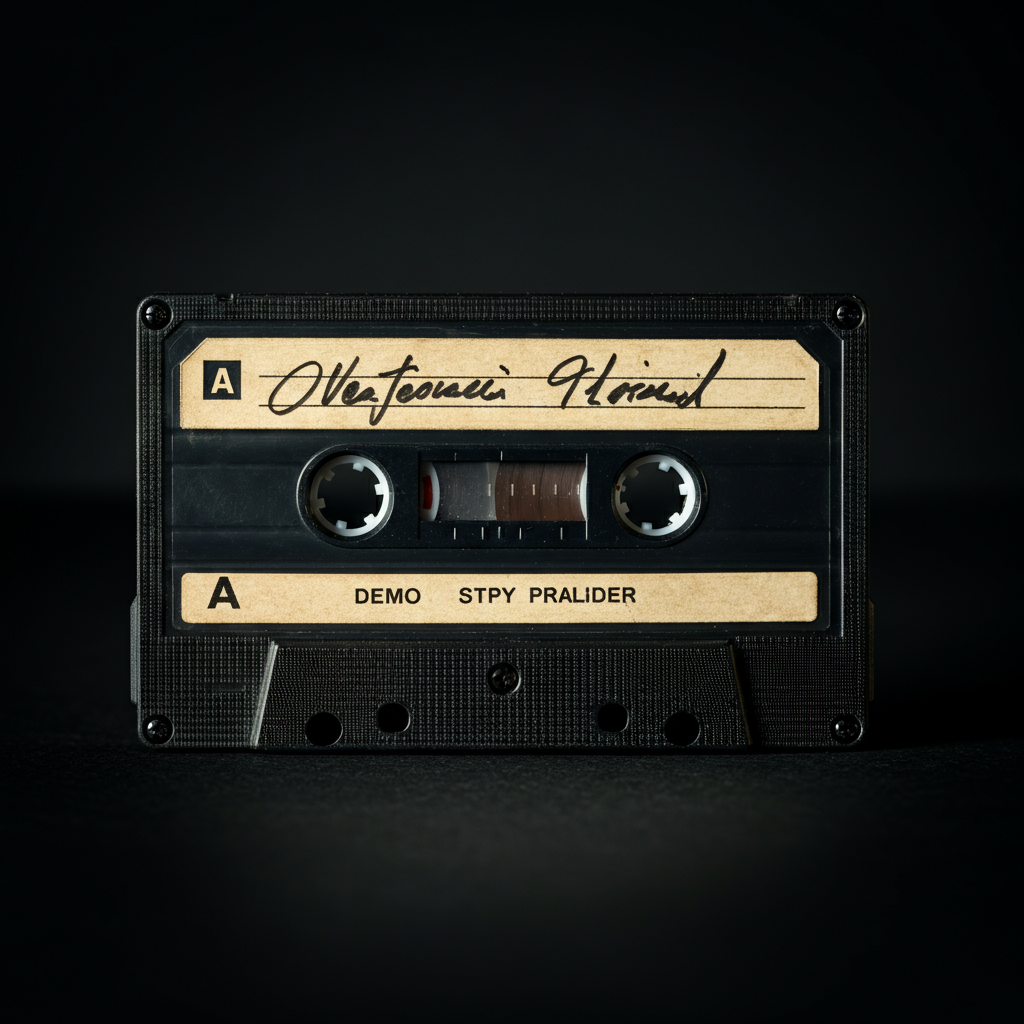
Rarity and demand are the primary drivers of value in the cassette tape market. Tapes featuring music that is no longer mass-produced or are from artists with a dedicated fan base are generally more valuable. Demos, promos, and first editions are often highly sought after by collectors due to their limited availability. However, rarity alone isn't enough; there must also be demand for the tape. A rare tape from an obscure artist may not be worth as much as a common tape from a popular band.
Step 3: Where to Sell Your Cassette Tapes
Online Marketplaces
Online marketplaces like eBay and Discogs are popular options for selling cassette tapes. eBay offers a large audience and a relatively simple selling process, while Discogs is geared specifically towards music collectors and offers a more comprehensive inventory system. When selling online, be sure to take clear, high-quality photos of your tapes and accurately describe their condition. Set a competitive price based on your research and factor in shipping costs.

Local Options and Record Stores
Don't overlook local options for selling your cassette tapes. Record stores, flea markets, and garage sales can be great places to reach potential buyers. Record stores may be interested in purchasing your tapes outright or offering consignment options. Flea markets and garage sales allow you to set your own prices and interact directly with buyers. However, be prepared to negotiate and potentially accept lower prices than you would online.

Digital Garage Sales
Consider selling your cassette tapes on digital garage sale sites like Craigslist or Facebook Marketplace. You'll have a diverse selection of buyers and lots of possible bargains. Selling on these sites requires diligence since the seller is responsible for meeting with the buyer. Make sure to meet in a safe location to avoid being scammed.

Step 4: Maximizing Your Selling Price
Presentation Matters
How you present your cassette tapes can significantly impact their selling price. Clean the tapes and their cases thoroughly, removing any dust, dirt, or stickers. Replace any damaged or missing case parts, if possible. Well-presented tapes are more appealing to buyers and can command a higher price. Consider creating bundles of similar tapes to attract collectors looking for a larger selection.

Detailed Descriptions
Provide detailed descriptions of your cassette tapes, including the artist, album title, recording label, release year, and condition. Be honest and upfront about any flaws or imperfections. Transparency builds trust with potential buyers and can prevent negative feedback. Include information about the tape's history, such as where you acquired it and how it was stored.
Pricing Strategy
Research the market value of your tapes and set a competitive price. Consider starting with a slightly higher price to allow for negotiation. Be willing to adjust your price based on demand and feedback. Remember that the goal is to sell your tapes at a fair price that satisfies both you and the buyer. Don't be afraid to experiment with different pricing strategies to see what works best.
Pro Tips
- Specialize: Focus on selling tapes within a specific genre or artist to attract a more targeted audience.
- Offer Combined Shipping: Reduce shipping costs for buyers who purchase multiple tapes.
- Be Patient: Selling cassette tapes can take time, so don't get discouraged if your tapes don't sell immediately.
- Network: Connect with other cassette tape collectors and sellers to learn more about the market and potential buyers.
FAQ Section
- Q: Are blank cassette tapes worth anything?
- A: Yes, blank, sealed cassette tapes typically sell for $2-$4 a piece. Collectors of vintage technology would easily spend that much.
- Q: What genres are the most valuable?
- A: Metal, rock, hip hop, and rap are some of the top genres for cassette tapes that collectors will pay big sums for.
- Q: What makes a cassette tape valuable?
- A: If the music on your cassette tape collection is no longer being mass-produced, that’s a great sign that collectors would be willing to pay big bucks for it. Rarity plays a key role in making a profit on your sale, so demos, promos, and first editions are typically worth more.
Conclusion
Determining the worth of your cassette tapes requires a combination of research, assessment, and strategic selling. While most tapes may not be worth a fortune, certain rare or well-preserved recordings can fetch surprisingly high prices. By understanding the factors that influence value and utilizing the resources available, you can unlock the hidden potential of your cassette tape collection and turn your nostalgic memories into cash. Happy hunting!