The allure of angels, whether benevolent guardians or rebellious outcasts, has captivated imaginations for centuries. The archetype resonates deeply, touching on themes of protection, guidance, and even challenging the established order. But how can you embody these celestial beings in a modern context? It's more than simply wearing white or black; it requires understanding the nuances of the role you wish to portray.
This guide delves into the practical steps and philosophical considerations involved in acting like a modern guardian angel or fallen angel. We'll explore character development, behavioral adaptations, and ethical responsibilities, providing a framework for a compelling and impactful persona. Remember, the key is authenticity. The best portrayals stem from a genuine understanding of the chosen archetype and a commitment to embodying its core principles.
Before you begin, understand that this is about embodying a character, not imposing on someone's life or beliefs. Respect boundaries, and prioritize genuine help and support over theatrical performance.
Step 1: Define Your Angelic Alignment
Before you begin, you must understand the core differences between a guardian angel and a fallen angel, and select one. Are you dedicated to protecting and guiding someone, offering unwavering support and gentle encouragement? Or are you drawn to the rebellious spirit, challenging norms and questioning authority, while still perhaps offering a different kind of "guidance" – one that may lead to difficult truths? Understanding your core motivation is critical. A guardian angel persona will be focused on selfless service and uplifting others. A fallen angel character may be more focused on exposing hidden truths or advocating for change, even if it means causing discomfort. A shallow understanding of these archetypes will render your attempt cartoonish. Spend time reflecting on your own values and where they align with these contrasting figures.

Step 2: Research Angelic Lore and Modern Interpretations
Don't rely solely on popular culture depictions. Delve into the history of angels across different religions and mythologies. Explore different angelic hierarchies, their roles, and their associated virtues or vices. Read literature, poetry, and philosophical texts that explore the nature of good and evil, free will, and the consequences of choices. This research provides depth and complexity to your chosen persona, allowing you to draw on a rich tapestry of influences rather than relying on tired tropes. For fallen angels, consider studying historical figures who challenged societal norms and suffered for their beliefs. For guardian angels, look to figures who embodied selfless service and compassion. Be aware of common misconceptions and strive for a nuanced understanding.
Common Mistakes to Avoid
- Relying solely on superficial stereotypes (e.g., wings, halos, dark clothing).
- Ignoring the complexities and contradictions within angelic lore.
- Assuming that "fallen" automatically equates to "evil."
Step 3: Select Your Target Individual (Guardian Angels Only)
This step applies specifically to those embodying a guardian angel persona. Choosing the right person to "guard" is crucial and requires careful consideration. This *cannot* be a random act. Select someone you already know, someone you care about, and someone who is genuinely in need of support. It could be a friend struggling with a difficult situation, a family member facing a personal challenge, or a colleague navigating a career change. Never choose someone solely for the sake of the "performance." That is a recipe for disaster and potential harm. The individual *must* benefit from your support, and it must be provided with respect and discretion. Avoid making them feel uncomfortable or stalked. If they express discomfort, immediately cease your actions.
Step 4: Subtle Observation and Needs Assessment
Before actively intervening, observe your chosen individual (or, in the case of a fallen angel, a target situation or system you wish to challenge). What are their specific needs? What are their strengths and weaknesses? What are their goals and aspirations? Pay attention to their emotional state, their relationships, and their daily routines. This period of observation allows you to tailor your actions to their specific needs, ensuring that your support is both effective and appropriate. For fallen angels, this translates to understanding the flaws and vulnerabilities of the system or institution you're challenging. Where are the cracks? What are the points of leverage?
Step 5: Develop Your Communication Style
Your communication style is key to embodying your chosen persona. As a guardian angel, adopt a gentle, encouraging, and supportive tone. Offer advice without being judgmental or condescending. Listen actively and empathize with their struggles. Use positive language and focus on their strengths and potential. As a fallen angel, your communication may be more direct, challenging, and even confrontational. You may use sarcasm, irony, and critical thinking to expose hypocrisy and injustice. However, even in this role, avoid being unnecessarily cruel or malicious. Your goal should be to provoke thought and inspire change, not simply to tear down.
Step 6: Offer Subtle Assistance and Guidance
Begin offering assistance in small, unobtrusive ways. As a guardian angel, this might involve offering a listening ear, providing practical help with a task, or simply being present and supportive during a difficult time. Avoid being overly intrusive or controlling. Let them maintain their autonomy and make their own decisions. As a fallen angel, this might involve questioning assumptions, challenging authority figures, or exposing hidden truths. Do so strategically and thoughtfully, considering the potential consequences of your actions. Protect your sources and prioritize safety.
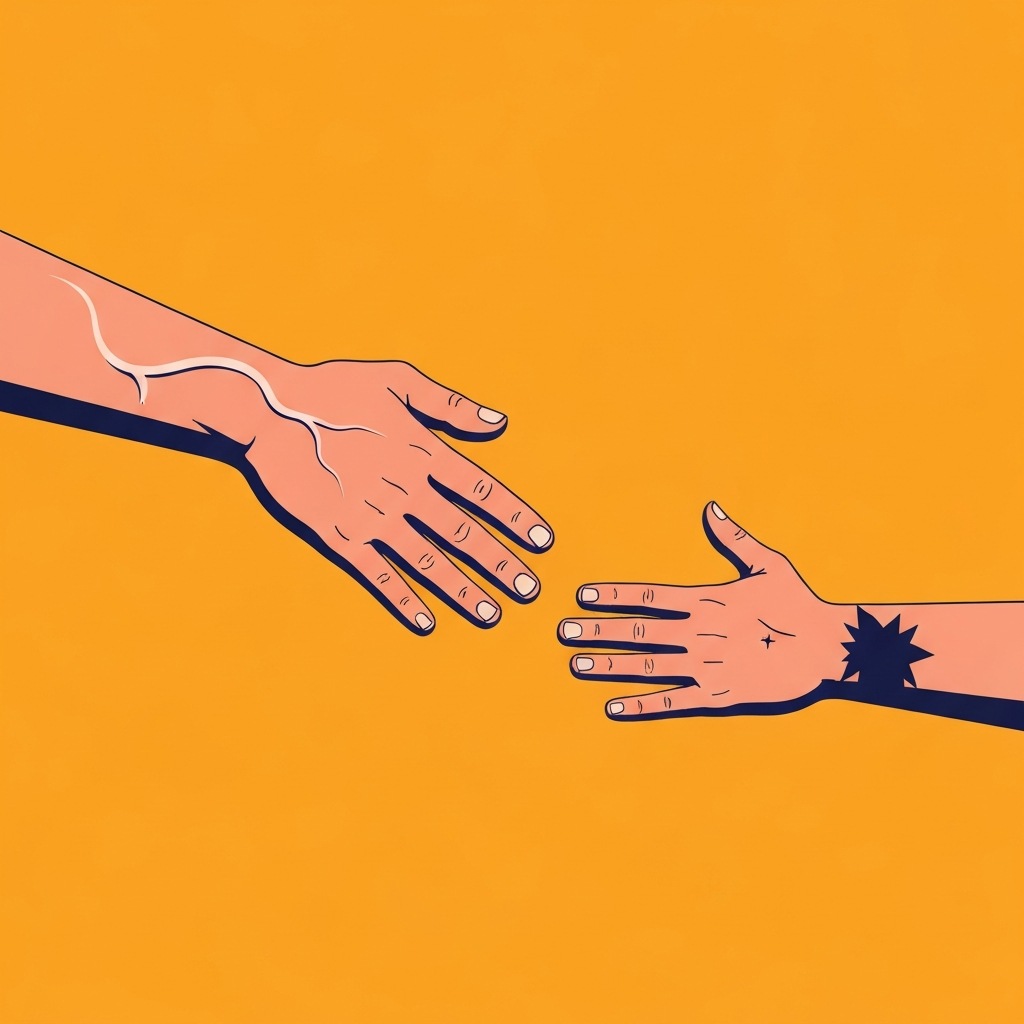
Step 7: Embrace Symbolic Attire and Accessories
While overt costumes are unnecessary (and often counterproductive), consider incorporating subtle symbolic elements into your attire. As a guardian angel, you might choose to wear light colors, soft fabrics, or accessories with angelic motifs (e.g., feathers, crosses, or star pendants). As a fallen angel, you might opt for darker colors, edgier accessories, or clothing with a rebellious flair (e.g., leather jackets, chains, or anti-establishment symbols). The key is subtlety and authenticity. Choose elements that resonate with your chosen persona and that enhance your overall image without being distracting or ostentatious. Remember, the most effective symbolism is personal and meaningful.
Tools or Materials Required (Optional)
- Symbolic jewelry or accessories
- Clothing in appropriate colors and styles
- Books, articles, or other resources related to angelic lore or social justice issues
Step 8: Document Your Experiences (Optional)
Consider journaling your experiences as you embody your chosen persona. This can help you track your progress, identify areas for improvement, and gain a deeper understanding of the role you're playing. Note the challenges you face, the successes you achieve, and the impact you have on others (or on the system you are challenging). This documentation can also serve as a valuable resource for future reflection and growth. For fallen angels, documenting your activities can also serve as a form of personal validation and a reminder of your motivations.
Step 9: Adapt and Evolve
Acting like a modern guardian angel or fallen angel is an ongoing process of adaptation and evolution. Be open to feedback, both from others and from your own self-reflection. Adjust your approach as needed, and be willing to learn from your mistakes. As you grow and evolve, your chosen persona will also evolve, becoming more nuanced, authentic, and impactful. Remember, the goal is not to become a perfect angel (or demon), but to embody the core principles of your chosen archetype and to use those principles to make a positive difference in the world.
Safety Considerations
- Respect boundaries and personal space.
- Avoid any actions that could be construed as stalking, harassment, or intimidation.
- Protect your personal safety and well-being.
- Be aware of the potential consequences of your actions, both legal and social.
- If you are challenging authority figures, prioritize safety and anonymity.
Conclusion
Embodying the persona of a modern guardian angel or fallen angel is a challenging but rewarding endeavor. It requires careful consideration, thoughtful planning, and a commitment to authenticity. By understanding the nuances of these archetypes, developing your communication style, and offering subtle assistance and guidance, you can make a positive impact on the world and inspire others to embrace their own inner angel (or rebel). Remember to prioritize ethical considerations, respect boundaries, and adapt your approach as needed. The journey is ongoing, but the potential for growth and transformation is limitless.