The world is full of memorable groups, and while dynamic duos and treacherous trios often steal the spotlight, the power of four shouldn't be underestimated. From the silver screen to the recording studio, history books to comic books, iconic groups of four have left an indelible mark on our culture. This guide explores some of the most recognizable and influential quartets, examining what makes them so special and why they resonate with audiences across generations.
Whether you're looking to assemble the perfect cosplay group, understand the dynamics of a successful team, or simply appreciate the enduring appeal of a well-formed foursome, this guide will provide insights and examples of some of the most memorable groups ever conceived. We'll delve into their origins, their key characteristics, and their lasting legacies. Prepare to be amazed by the sheer variety and impact of these iconic groups of four!
This isn't just a list; it's an exploration of synergy, camaraderie, and the unique magic that happens when four distinct personalities come together to create something truly extraordinary. Get ready to discover (or rediscover) some of the greatest quartets of all time.
Step 1: The Teenage Mutant Ninja Turtles (TMNT)
Understanding the Turtle Power
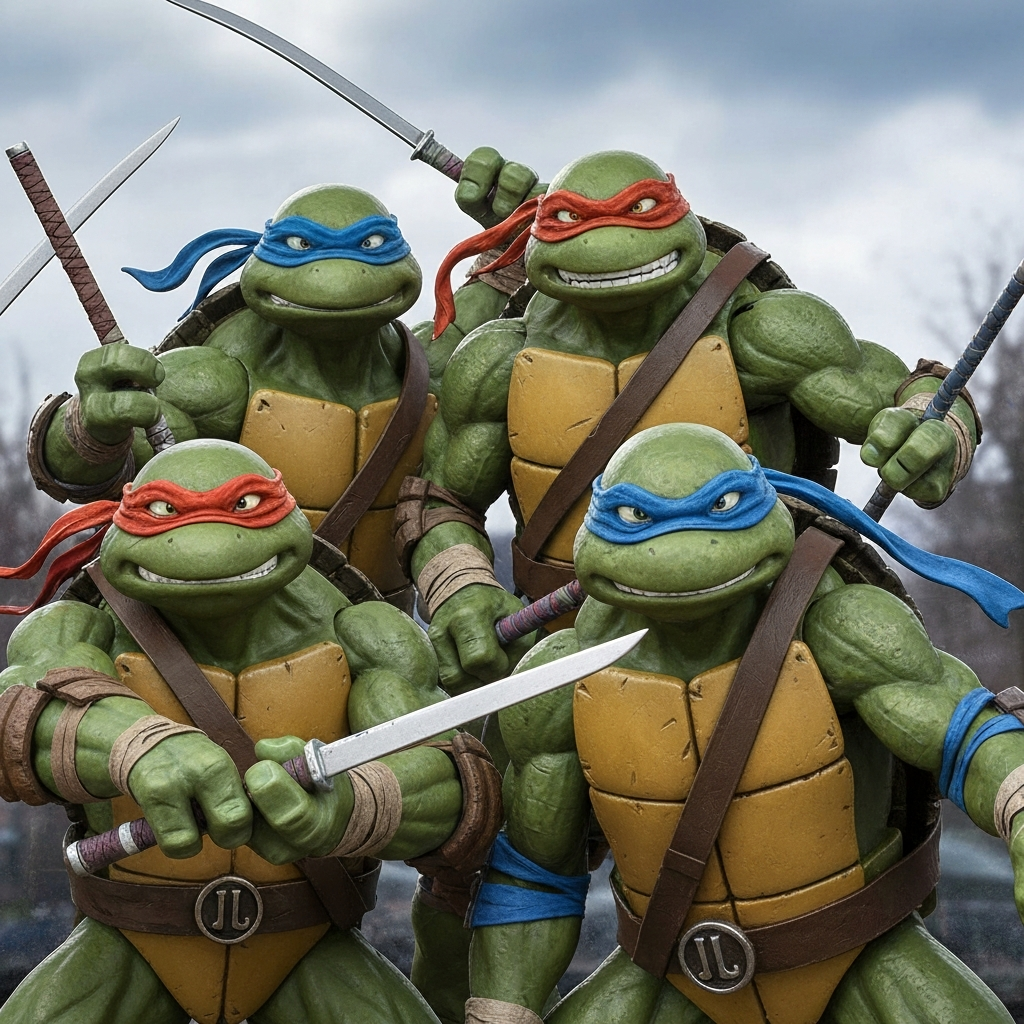
Leonardo, Donatello, Raphael, and Michelangelo. These names, borrowed from Renaissance masters, belong to four crime-fighting, pizza-loving, sewer-dwelling turtles. The TMNT, created by Kevin Eastman and Peter Laird, captured the imaginations of millions with their unique blend of martial arts, humor, and brotherly camaraderie. Their individual personalities, from Leonardo's stoicism to Michelangelo's party-dude attitude, made them relatable and appealing to a wide audience. The success of TMNT highlights the importance of diverse skill sets and distinct personalities within a group working towards a common goal.
Practical Considerations
Cosplaying as the TMNT requires careful attention to detail. Consider the materials for the shells (foam is a popular choice for its lightweight and moldable properties), the accuracy of the colored masks, and the choice of weapons. Getting the personality right is crucial. Are you going for a serious Leonardo, a sarcastic Raphael, an inventive Donatello, or a fun-loving Michelangelo? Communication with your group is key to portraying them accurately. A common mistake is uneven shell sizes or incorrect mask colors. Research your chosen era of TMNT - classic comics, 80s cartoon, or modern iterations - for accuracy. Difficulty: Medium. Time Estimate: 20-40 hours for costume creation, depending on complexity. Cost: $50-$200 per costume.
Step 2: The Beatles
Deconstructing the Fab Four
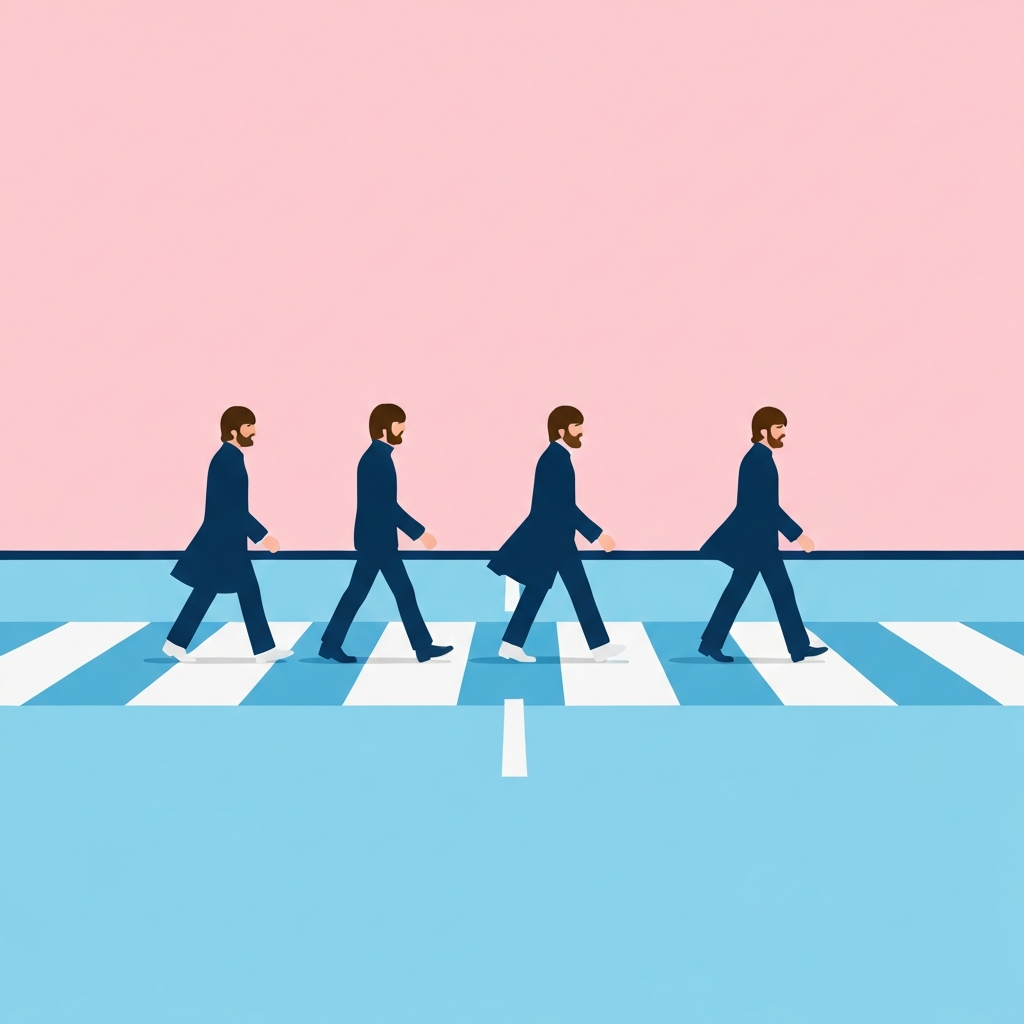
John Lennon, Paul McCartney, George Harrison, and Ringo Starr. Arguably the most influential band in music history, The Beatles revolutionized popular culture with their innovative songwriting, experimental sounds, and undeniable charisma. Their music transcended genres, and their impact on fashion, art, and social attitudes is still felt today. Each member brought a unique talent to the table, contributing to the band's distinctive sound and appeal. The Beatles' journey highlights the power of collaboration and creative synergy in achieving unparalleled success. Their ability to evolve musically while maintaining their core identity is a testament to their artistic vision.
Musical Harmony and Individual Talent
The Beatles were more than just a band; they were a cultural phenomenon. Their individual talents, combined with their collaborative spirit, created a musical force that resonated with millions. Lennon's rebellious spirit, McCartney's melodic genius, Harrison's spiritual depth, and Starr's steady drumming provided the perfect foundation for their groundbreaking music. Emulating their sound requires a deep understanding of their individual styles and their ability to blend them seamlessly. Trying to cover their songs without appreciating the nuances of each member's contribution often results in flat, uninspired renditions.
Step 3: The Fantastic Four
Unveiling Marvel's First Family
Mr. Fantastic (Reed Richards), Invisible Woman (Susan Storm), Human Torch (Johnny Storm), and The Thing (Ben Grimm). Marvel's first family of superheroes, the Fantastic Four, established many of the tropes we now associate with the genre. Created by Stan Lee and Jack Kirby, they explored themes of family, responsibility, and the consequences of scientific exploration. Their powers, gained through exposure to cosmic rays, reflect their individual personalities and contribute to the team's dynamic. The Fantastic Four represent the importance of both individual strengths and collective teamwork in overcoming challenges.
Cosmic Rays and Character Dynamics
The Fantastic Four’s dynamic is rooted in both their unique powers and their pre-existing relationships. Reed and Sue’s romantic connection, Johnny's youthful impulsiveness, and Ben's gruff exterior all contribute to the team's internal tensions and their ability to work together effectively. When cosplaying or writing stories featuring the Fantastic Four, understanding these nuances is critical. Simply replicating their powers without considering their personalities and relationships results in a shallow and unconvincing portrayal. Don't forget the interpersonal drama - the team bickering as much as they fight supervillains!
Pro Tips
When writing about or portraying the Fantastic Four, focus on the family aspect. They are a family first, and superheroes second. Their relationships are often strained by their powers and responsibilities, but their love and loyalty to one another always prevails. This core dynamic is what sets them apart from other superhero teams. Also, Reed Richards is smart, but often neglects his family and friends. This is important to his overall personality.
Step 4: The Ghostbusters
Who You Gonna Call? Understanding the Paranormal Investigators
Dr. Peter Venkman, Dr. Egon Spengler, Dr. Ray Stantz, and Winston Zeddemore. This comedic team of paranormal investigators, brought to life by Bill Murray, Harold Ramis, Dan Aykroyd, and Ernie Hudson, captured the hearts of audiences with their wit, charm, and innovative ghost-busting technology. More than just exterminators, the Ghostbusters represented a down-to-earth approach to dealing with the supernatural, blending science with humor and relatable human flaws. Their success demonstrated the power of teamwork, adaptability, and a good sense of humor in the face of the unknown. Though they all had doctoral degrees, being funny and relatable made them endearing to the audience.
Building a Ghostbusting Team
Cosplaying as the Ghostbusters requires attention to detail in their iconic jumpsuits and proton packs. However, the true essence of the team lies in capturing their individual personalities and comedic timing. Peter's sarcastic wit, Egon's scientific detachment, Ray's childlike enthusiasm, and Winston's grounded perspective are crucial to the team's dynamic. A common mistake is focusing solely on the visual aspects of the costumes and neglecting the characterizations. Spend time watching the movies and understanding the nuances of each character's performance. Proton packs can be expensive and time-consuming to make; consider starting with simpler versions and gradually upgrading over time.
Tools or Materials Required (Ghostbusters Cosplay)
- Tan flight suits
- Proton packs (DIY or purchased)
- Ghost traps
- PKE meters
- Name tags
- Boots
FAQ Section
Q: What makes a group of four "iconic"?
A: Iconicity comes from a combination of factors, including cultural impact, memorability, distinct characterization, and enduring appeal. Iconic groups often represent broader themes or archetypes that resonate with audiences across generations.
Q: What are some common themes or dynamics found in iconic groups of four?
A: Common themes include:
- Balance: Each member contributes unique skills and perspectives.
- Synergy: The group is greater than the sum of its parts.
- Conflict: Internal tensions and disagreements create drama and growth.
- Camaraderie: Strong bonds of friendship and loyalty hold the group together.
Q: Can any group of four become iconic?
A: While it's difficult to predict what will become iconic, some key ingredients include originality, relatability, and the ability to capture the zeitgeist of a particular era.
Conclusion
Iconic groups of four are more than just collections of individuals; they're powerful representations of collaboration, diversity, and the magic that happens when distinct personalities come together to create something extraordinary. From the sewers of New York to the stages of Abbey Road, these quartets have left an indelible mark on our culture, inspiring us with their teamwork, their humor, and their enduring appeal. Understanding the dynamics and characteristics that make these groups so memorable can provide valuable insights into the power of teamwork and the enduring appeal of well-crafted characters.