Finding the right sport can be a game-changer, offering a wealth of benefits from improved physical health and mental well-being to new social connections and enhanced self-esteem. But with so many options available, how do you choose the one that's perfect for you? This guide provides a detailed exploration of how to use a "What Sport Should I Play?" quiz effectively and consider other crucial factors to discover your ideal athletic pursuit.
Many quizzes are designed to consider various aspects of your personality, physical preferences, and competitive spirit. By answering a series of thoughtfully constructed questions, these quizzes analyze your responses and offer sport suggestions tailored to your unique profile. However, the quiz is just the beginning. It's crucial to delve deeper and consider practicalities like cost, accessibility, and your overall fitness goals.
This comprehensive guide will walk you through the steps to utilize a "What Sport Should I Play?" quiz, interpret the results, and supplement them with your own considerations. We'll also explore factors beyond the quiz, such as cost, location, and personal enjoyment, to ensure you make an informed decision that leads to a rewarding and fulfilling athletic journey. Get ready to discover your sporting potential!
Step 1: Taking the "What Sport Should I Play?" Quiz
The first step is to find a reliable "What Sport Should I Play?" quiz. Many are available online, and it's important to choose one that asks comprehensive questions about your personality, physical abilities, and preferences. The quiz mentioned has 11 questions, each designed to reveal key aspects of your suitability for various sports. As you take the quiz, be honest with your answers. Don't try to answer based on what you think you should say. Answer according to your true feelings and inclinations for the most accurate result.

Step 2: Understanding the Quiz Questions
Carefully consider each question before answering. The provided quiz explores elements like competitiveness, preferred elements (water, earth, fire, air), running preference, upper-body strength, teamwork inclination, favorite sports to watch, personal superpowers, desired physical aggression level, extroversion, personality traits, and rule-following tendencies. These seemingly simple questions are designed to create a surprisingly accurate profile. Before taking the quiz, reflect on these areas of your personality. This will help you provide more truthful answers, which will ultimately lead to better recommendations.

Step 3: Interpreting the Results
Once you've completed the quiz, carefully review the suggested sports. Don't dismiss any suggestions outright, even if they seem unusual at first. Read the descriptions associated with each sport and consider why the quiz might have recommended it. The quiz analyzes your answers based on point values assigned to each response (as seen in the data provided). Some sports may align perfectly with your perceived strengths and interests, while others may reveal potential avenues for growth and exploration. Consider the reasoning behind each suggestion and how it connects to your quiz answers.

Step 4: Considering Practical Factors: Cost and Accessibility
The quiz results are a great starting point, but practical considerations are crucial. How much are you willing and able to invest in a new sport? Some sports, like golf or skiing, require significant upfront costs for equipment and membership fees. Others, like running or basketball (at a public court), are much more accessible. Evaluate the initial investment, ongoing expenses (like lessons or league fees), and transportation costs. Furthermore, consider the accessibility of facilities and programs in your area. If you live in a landlocked area, surfing is unlikely to be a realistic option. Research local sports clubs, community centers, and recreational facilities to see what's available.

Step 5: Thinking about Team vs. Individual Sports
Do you thrive in a team environment, or do you prefer the autonomy of individual pursuits? Team sports like soccer, basketball, and football require collaboration, communication, and a shared commitment to a common goal. They offer opportunities for camaraderie, social interaction, and developing leadership skills. Individual sports like tennis, golf, or running provide greater independence, allowing you to focus on personal improvement and set your own pace. Consider your preferred level of social interaction and whether you're motivated by collective success or individual achievement. The quiz touched upon this in questions 5 and 7, now expand on that.

Step 6: Gauging Your Desired Physical Exertion and Aggression Levels
How physically demanding do you want your sport to be? Some sports, like marathon running or competitive swimming, require intense training and a high level of physical fitness. Others, like golf or bowling, are less strenuous. Also consider your comfort level with physical contact and aggression. Contact sports like football, rugby, and martial arts involve a significant risk of injury, while non-contact sports like yoga or swimming are much safer. Be honest with yourself about your physical limitations and your tolerance for pain and risk. Question 8 in the quiz addresses this directly, so review your answer and think about what you selected.
Step 7: Trying Out Different Sports
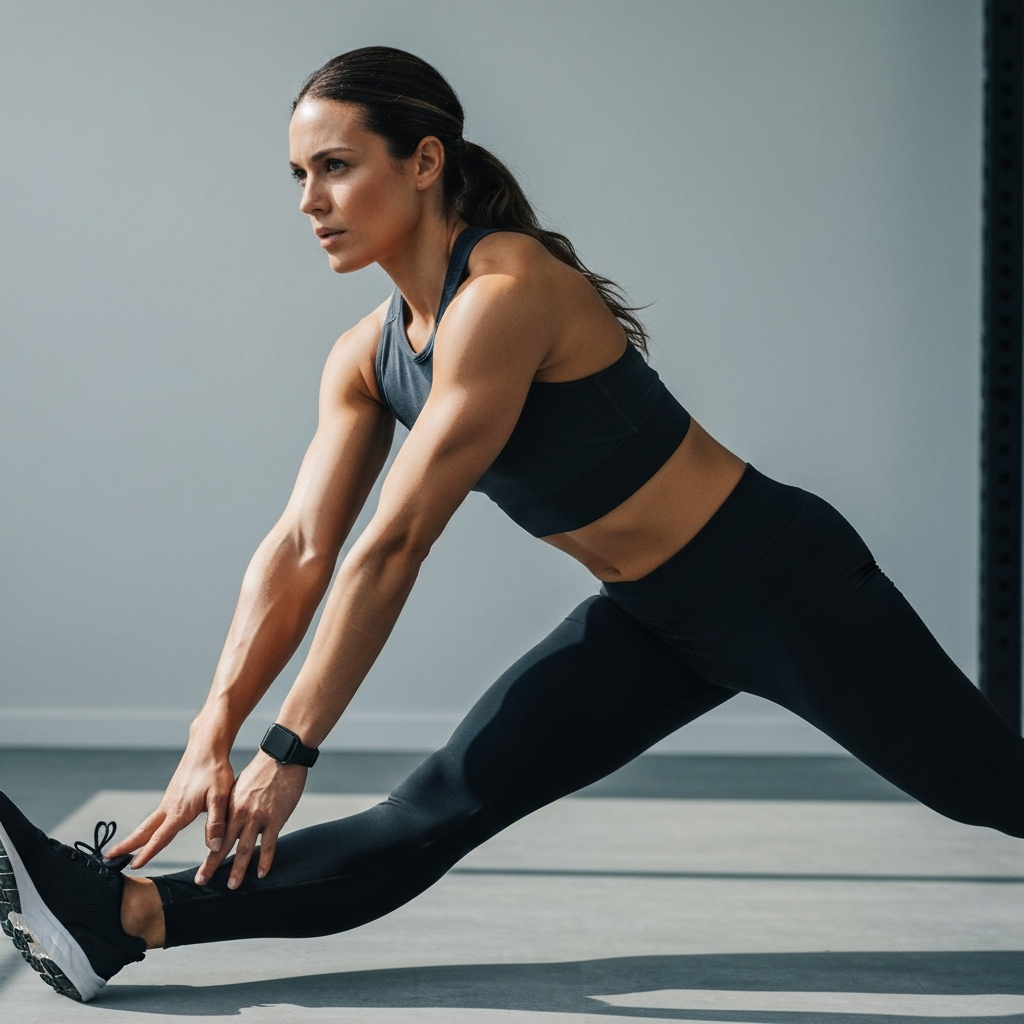
The best way to find the right sport is to try a few! Take advantage of introductory classes, free trials, or open practices offered by local sports clubs. Don't be afraid to step outside your comfort zone and experiment with different activities. Even if you don't immediately excel at a particular sport, the experience can be valuable in helping you understand your preferences and abilities. Remember that it is about trying new things, learning new skills, meeting people, and staying active. Use the quiz results as a guide, but embrace the freedom to explore and discover what truly resonates with you.

Common Mistakes to Avoid
- Ignoring Practicalities: Don't choose a sport solely based on interest if it's financially out of reach or inaccessible in your area.
- Underestimating the Time Commitment: Be realistic about how much time you can dedicate to training and practice.
- Ignoring Your Physical Limitations: Choose a sport that aligns with your current fitness level and any pre-existing injuries.
- Being Afraid to Quit: If you've given a sport a fair try and it's not enjoyable, don't be afraid to move on and explore other options.
FAQ Section
- Q: What if the quiz suggests a sport I've never heard of?
- A: Research it! Look up videos, read articles, and see if there are any local clubs or organizations that offer the sport. You might discover a hidden passion.
- Q: What if I don't have any athletic experience?
- A: Start with beginner-friendly sports that don't require a high level of skill or fitness. Walking, swimming, and yoga are all excellent options.
- Q: How important is it to be "good" at a sport?
- A: Enjoyment is the most important factor. Don't focus on becoming a professional athlete. Focus on having fun, staying active, and improving your skills gradually.
Conclusion
Finding the right sport is a personal journey that requires careful consideration of your interests, abilities, and practical circumstances. A "What Sport Should I Play?" quiz can be a valuable tool for narrowing down your options and uncovering potential avenues for exploration. However, remember to supplement the quiz results with your own research, experimentation, and a healthy dose of self-awareness. By taking a holistic approach, you can discover a sport that brings you joy, improves your health, and enriches your life. Good luck on your sporting adventure!