The lion, often dubbed the "king of the jungle," is far more than just a majestic creature. It's a powerful symbol, deeply woven into the fabric of human history, spirituality, and culture. From ancient civilizations to modern-day heraldry, the lion's image evokes a range of potent ideas. Understanding these symbolic meanings allows us to appreciate the lion's enduring presence in our collective consciousness. Lions symbolize strength, courage, royalty, and justice.
This guide will explore the diverse and fascinating symbolism associated with lions across various contexts. We'll delve into its spiritual interpretations, its role in religion, its cultural significance, and even what it might mean if a lion appears in your dreams. Prepare to embark on a journey that uncovers the rich tapestry of meaning behind this iconic animal.
We will guide you through the complex interpretations and offer insights into how the lion has influenced art, literature, and even personal identity. Whether you're a student of mythology, a spiritual seeker, or simply curious about the world around you, this guide provides a comprehensive overview of the lion's symbolic power. The lion's roar echoes throughout history, carrying with it a message of leadership and unwavering resolve.
Step 1: Spiritual Meanings of a Lion
The lion holds a significant place in spirituality, embodying a range of profound qualities. Its imposing presence and natural dominance translate into symbolic representations of power, courage, and even wisdom. Understanding these spiritual meanings allows us to connect with the lion on a deeper, more meaningful level. The lion's spiritual significance stems from its observed behavior and perceived traits in the wild. It is important to remember that these are interpretations based on observations.

Step 2: Strength and Power
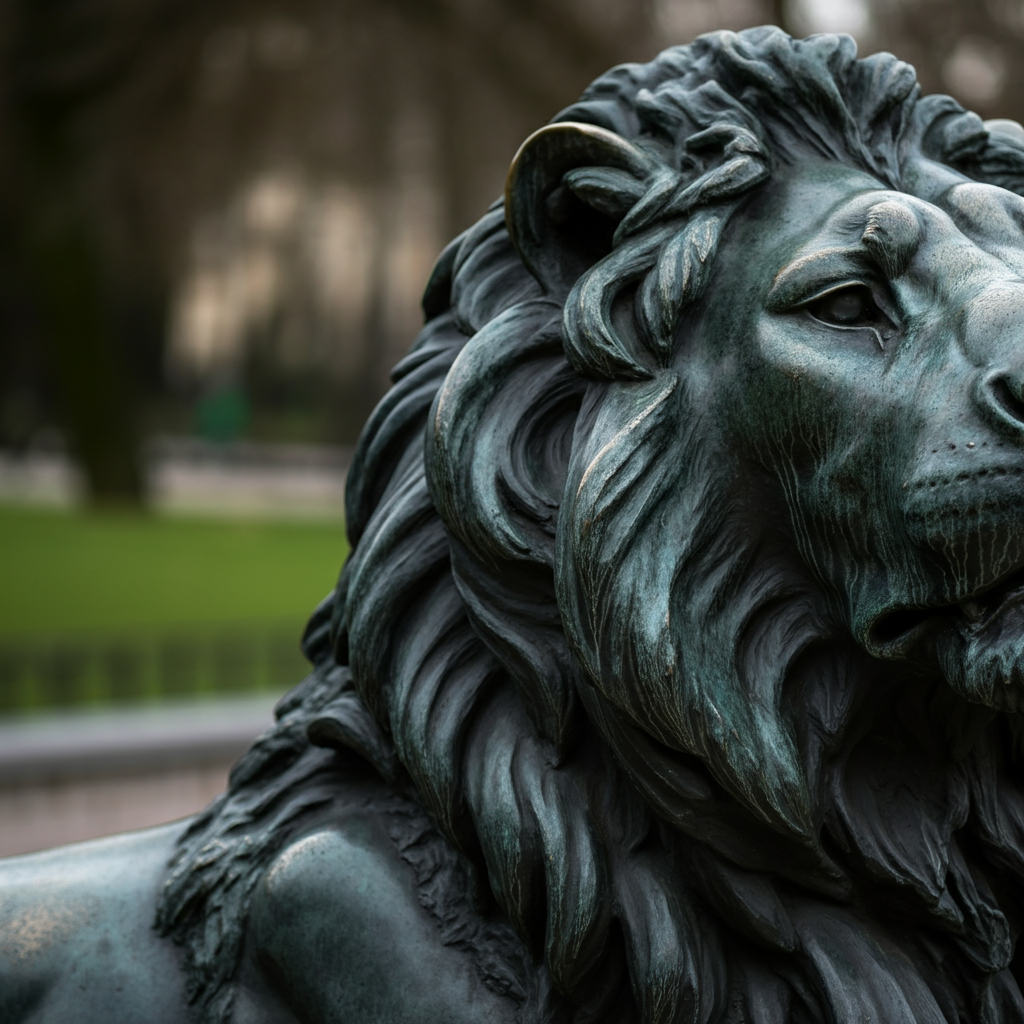
As the "king of the jungle," the lion embodies raw strength and untamed power. This symbolism extends beyond physical prowess, representing inner fortitude and the ability to overcome challenges. When we see a lion, we are reminded of the potential for strength within ourselves. The lion's strength isn't just about physical power; it's about resilience and the ability to persevere. Don't confuse brute force with true strength; inner resilience is more important.
Step 3: Courage
Lions are renowned for their bravery, unafraid to face danger or confront threats. This association with courage makes the lion a symbol of fearlessness and the willingness to stand up for what you believe in. It's a reminder to embrace challenges head-on and not be intimidated by adversity. Courage is not the absence of fear, but the triumph over it, something the lion embodies perfectly. Sometimes people mistakenly associate courage with recklessness. Be mindful and think things through when approaching obstacles.

Step 4: Justice
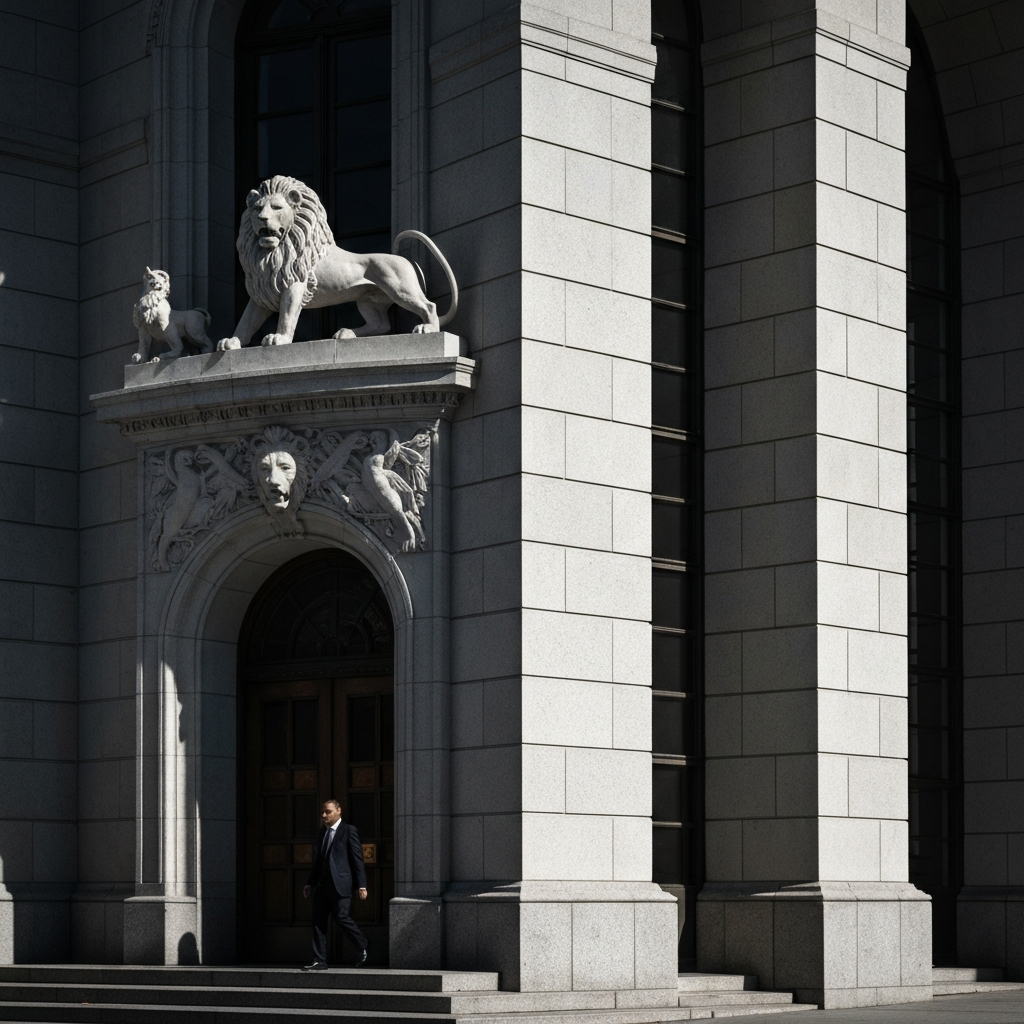
Historically, lions have been linked to justice and fairness. Their image has adorned government buildings and legal institutions, representing the impartial administration of law and the pursuit of truth. The lion serves as a reminder that justice should be blind and applied equally to all. The symbolic association of lions with justice dates back to ancient Rome, where they were emblems of the state. This is primarily a Western cultural association; be mindful of other cultural interpretations.
Step 5: Military Might
Throughout history, lions have appeared on military uniforms and shields, embodying the ideals of strength, discipline, and dominance. Their image inspires armies to face their enemies with unwavering resolve and to fight for their cause with fierce determination. The lion's association with military might highlights its role as a symbol of power and authority in times of conflict. Consider that military symbolism can be interpreted in different ways, not always positive depending on the context.

Step 6: Royalty
The lion's regal bearing and natural leadership qualities have long associated it with royalty and nobility. Monarchs and rulers have often adopted the lion as their emblem, signifying their power, authority, and right to rule. The lion embodies the essence of kingship and the responsibility that comes with it. The "king of the jungle" moniker reinforces the lion's undeniable connection to royalty and leadership. Consider that not all cultures view monarchy or royalty positively.

Step 7: Leadership
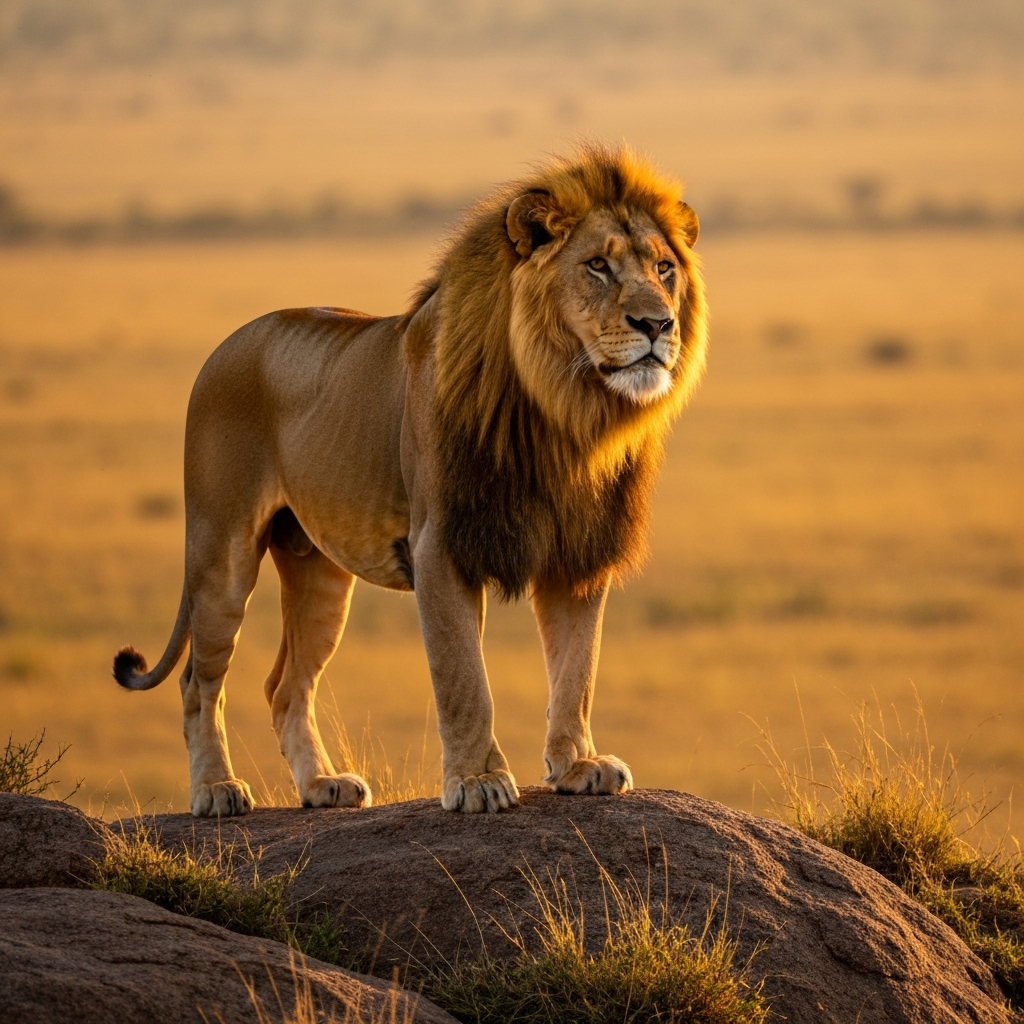
Lions exhibit clear leadership qualities within their prides, making them potent symbols of authority and decision-making. A lion’s leadership qualities enable them to take charge and move forward with the conviction needed to embrace anything they face. Observing lion behavior in the wild reveals how leadership manifests in the natural world. Leadership isn't just about giving orders; it's about providing for and protecting the group, something lions excel at. Try to discern if you're being a good leader or simply being bossy.
Step 8: Pride
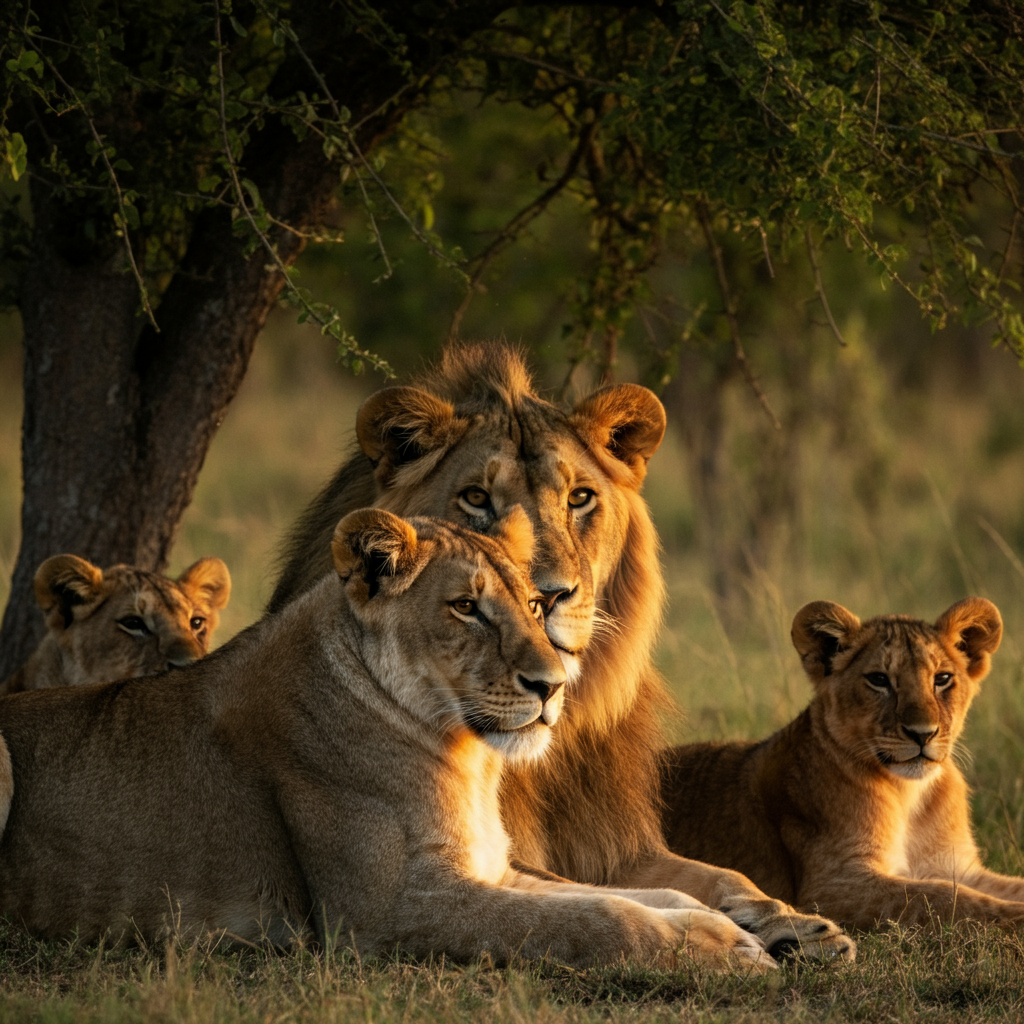
Lions, with their magnificent manes and confident demeanor, are often associated with pride. This isn't arrogance, but rather a healthy sense of self-worth and a celebration of one's achievements. It’s a visible sign of the many battles they’ve faced and survived. The lion's pride is a reminder to embrace your strengths and to be proud of who you are. Pride is an important feeling to foster but should not cross the line into arrogance or conceit. Balance is key.
Step 9: Loyalty
Lions are fiercely loyal to their pride, protecting their family and territory from threats. This loyalty extends to trust, as all members trust that the dominant male lion is making decisions in the best interest of the group. The dominant male lion will do what’s in the best interest of the group. This aspect of loyalty is important to consider. Loyalty is a two-way street; it requires reciprocity and mutual respect. Do not feel obligated to be loyal to those who don't reciprocate the feeling.
Step 10: Protection
Lions act as guardians, safeguarding their pride from danger and ensuring the safety of weaker members. They protect and defend their family as well as their territory. This protective instinct makes the lion a powerful symbol of security and defense. The presence of a loyal, powerful lion ensures the safety of its pride. The lion's protective nature highlights the importance of family and community. Note that protection can sometimes be overbearing, so be mindful of others' autonomy.
Step 11: Wisdom
A lion’s wisdom includes the ability to exercise patience and critical thinking when faced with a problem. They determine what’s best for their pride while demonstrating an understanding of the world that surrounds them. A lion's life in the wild requires a level of wisdom that goes beyond brute strength. It includes experience and cunning. Wisdom is the ability to apply knowledge and experience to make sound judgments. Wisdom is not inherent; it needs to be cultivated through continuous learning and reflection.
Tools or Materials Required
To further explore the symbolism of the lion, consider these helpful tools and materials:
- Books on mythology, symbolism, and animal totems
- Access to online resources and databases on cultural symbols
- Journals for recording insights and reflections
- Art supplies for creating visual representations of lion symbolism
Common Mistakes to Avoid
- Attributing human emotions and motivations to lions without considering their natural behavior.
- Oversimplifying the complex symbolism of the lion, ignoring cultural variations.
- Misinterpreting the lion's pride as arrogance or aggression.
FAQ Section
- Q: What does it mean if a lion appears in my dream?
- A: A lion in a dream often signifies a need to connect with your inner strength and courage. It may also represent feelings of being threatened or challenged.
- Q: Is the lion always a positive symbol?
- A: While generally positive, the lion's symbolism can also represent aggression, dominance, or a need to control, depending on the context.
- Q: What is the significance of the Lion of Judah?
- A: The Lion of Judah is a powerful symbol of bravery, strength, and kingship in the Bible, associated with King David and Jesus Christ.
Conclusion
The lion's symbolism is rich and multifaceted, reflecting its enduring presence in human history and culture. From representing strength and courage to embodying royalty and justice, the lion's image evokes a range of potent meanings. By understanding these symbolic interpretations, we can gain a deeper appreciation for the lion's significance and its lasting impact on our collective consciousness. Embrace the roar of the lion – it's a reminder of your own inner power and potential. Remember to always approach symbolism with critical thought.