Walking, a simple yet beneficial activity, offers numerous physical and mental health advantages. Whether you're strolling through your neighborhood, commuting to work, or exploring a new city, being mindful of safety is paramount. Many accidents and incidents involving pedestrians are preventable with awareness and proactive measures.
This guide will equip you with essential knowledge and practical tips to navigate your surroundings safely. We’ll cover fundamental safety practices, specific advice for walking in various conditions, and strategies for minimizing risks associated with pedestrian travel. By adopting these habits, you can significantly enhance your safety and enjoy your walks with peace of mind.
This isn't about instilling fear; it's about fostering awareness and promoting responsible pedestrian behavior. So, lace up your shoes, and let's embark on a journey towards safer walking!
Step 1: Situational Awareness is Key
Be Present and Observe Your Surroundings
Maintaining constant awareness of your surroundings is the cornerstone of pedestrian safety. Avoid distractions such as smartphones, engrossing conversations, or daydreaming. Scan your environment regularly, paying attention to potential hazards like moving vehicles, cyclists, uneven sidewalks, construction sites, and other pedestrians. Being present allows you to react promptly and avoid potential collisions or dangerous situations. Treat every walk as though you are anticipating the unexpected.
Step 2: Choosing the Right Path
Prioritize Sidewalks and Designated Walkways
Whenever possible, walk on sidewalks or designated multi-use trails. These pathways are specifically designed for pedestrian use and offer a safer alternative to walking directly on roads. If a sidewalk is unavailable, walk on the shoulder of the road, facing oncoming traffic. This allows you to see approaching vehicles and react accordingly. On shared trails, be mindful of cyclists, runners, and other pedestrians; share the space respectfully.
Step 3: Crossing Streets Safely
Mastering the Art of Street Crossing
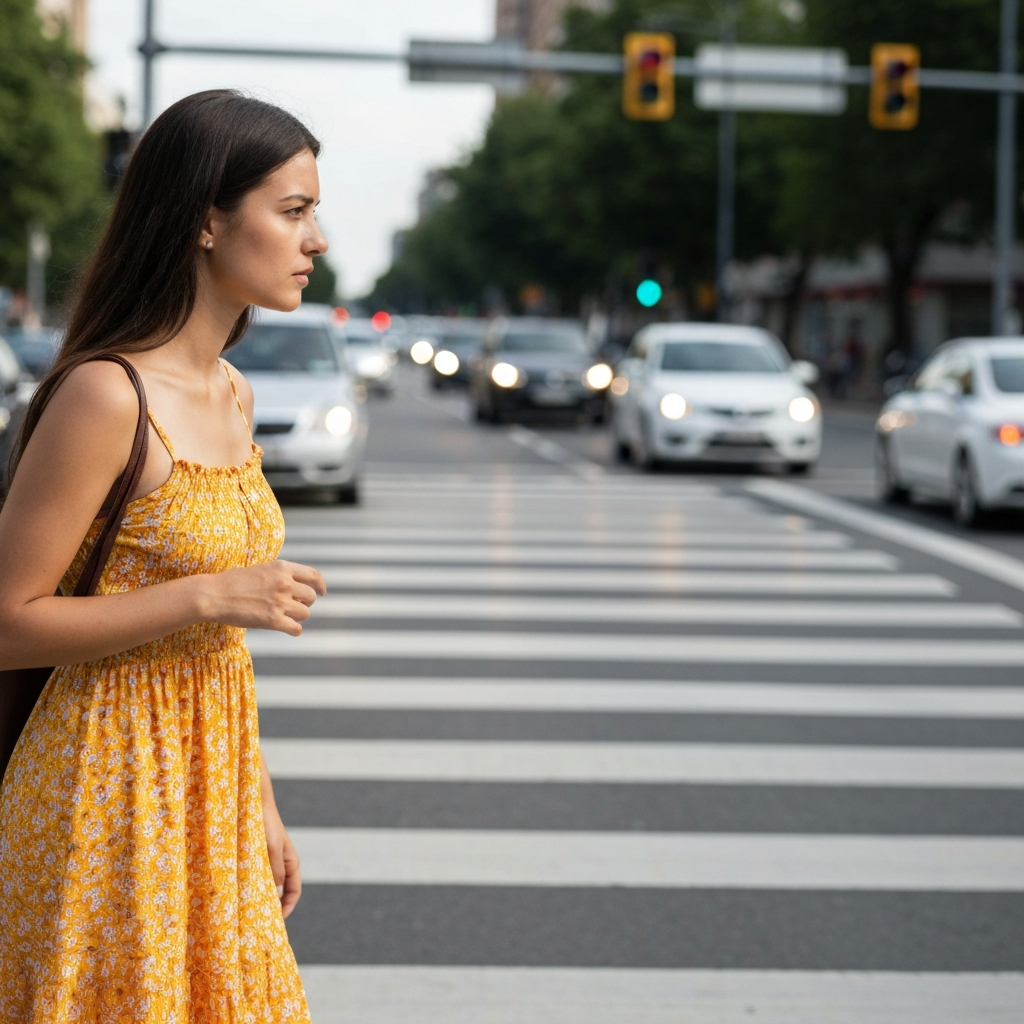
Crossing streets requires extra caution. Always cross at designated crosswalks or intersections whenever possible. Before stepping off the curb, stop, look left, then right, and then left again to ensure no vehicles are approaching. Make eye contact with drivers to confirm they see you before proceeding. Even with a "walk" signal, remain vigilant and scan for turning vehicles. Never assume a driver will stop; always be prepared to yield if necessary. Be extra cautious during dawn, dusk, or periods of reduced visibility.
Step 4: Enhance Your Visibility
Dress the Part for Safety
Especially when walking during dawn, dusk, or at night, wear brightly colored or reflective clothing to increase your visibility to drivers. Light-colored clothing helps during twilight hours, while reflective materials are crucial for nighttime walks. Consider wearing a reflective vest or jacket, and add reflective tape to your shoes, clothing, and bags. The increased visibility significantly reduces the risk of being struck by a vehicle. A small investment in reflective gear can make a huge difference in your safety.
Step 5: Walking at Night
Extra Precautions for Low-Light Conditions
Walking at night presents unique challenges due to reduced visibility. In addition to wearing reflective clothing, carry a flashlight or headlamp to illuminate your path and make yourself more visible to drivers. Choose well-lit routes whenever possible, and avoid walking in isolated or poorly lit areas. Be extra vigilant when crossing streets, and make sure to make eye contact with drivers before proceeding. If possible, walk with a companion. Inform someone of your route and expected return time.
Step 6: Minimize Distractions
Put Away the Phone and Tune In
Avoid distractions such as smartphones, music players, or engaging in conversations while walking, especially in high-traffic areas. These distractions can impair your ability to perceive potential hazards and react quickly. If you must use your phone, step aside to a safe location before doing so. If you must listen to music, keep the volume low enough to hear approaching vehicles or other sounds. Ditch the earbuds altogether when crossing streets or navigating busy intersections.
Step 7: Walking with Children
Keeping Little Ones Safe
When walking with children, hold their hands tightly and keep them close to you, especially when crossing streets or walking near traffic. Teach children basic pedestrian safety rules, such as looking both ways before crossing and obeying traffic signals. Be a role model by demonstrating safe walking behaviors yourself. Supervise children closely and never allow them to run ahead or play near traffic.
Step 8: Walking with Pets
Responsible Pet Ownership on Foot
If you are walking with a dog, keep it on a leash and under control at all times. Ensure your dog is trained to walk politely on a leash and not to lunge or pull. Be mindful of other pedestrians and cyclists, and keep your dog out of their way. Clean up after your dog promptly and dispose of waste properly. Consider using a reflective leash or harness for nighttime walks.
Step 9: Be Predictable
Walk With Confidence and Clarity
Walk in a straight line and avoid sudden stops or changes in direction. Make your intentions clear to drivers and other pedestrians. If you intend to cross the street, make eye contact with drivers and clearly signal your intention to cross. Avoid darting out into traffic unexpectedly. Predictable behavior allows drivers to anticipate your movements and react accordingly.
Safety Considerations
- Weather Conditions: Adjust your walking habits based on weather conditions. Wear appropriate footwear for rain, snow, or ice. In hot weather, stay hydrated and avoid walking during the hottest part of the day.
- Personal Safety: Be aware of your surroundings and avoid walking alone in unfamiliar or unsafe areas, especially at night. Consider carrying a personal alarm or pepper spray for self-defense.
- Health Conditions: If you have any health conditions that may affect your ability to walk safely, such as dizziness or balance problems, consult with your doctor and take necessary precautions.
Common Mistakes to Avoid
- Assuming drivers will always see you.
- Crossing streets without looking.
- Being distracted by electronic devices.
- Wearing dark clothing at night.
- Walking in unsafe areas.
Pro Tips
- Plan your route in advance and choose well-lit, safe paths.
- Inform someone of your route and estimated return time.
- Walk with a friend or family member whenever possible.
- Carry a whistle or personal alarm for emergencies.
Conclusion
Walking can be a safe and enjoyable activity with the right precautions. By staying aware of your surroundings, following traffic laws, enhancing your visibility, and minimizing distractions, you can significantly reduce your risk of accidents and injuries. Remember, your safety is your responsibility. Prioritize safe walking habits and enjoy the many benefits of this simple yet rewarding form of exercise.