Sour cream, with its tangy flavor, is a beloved topping for everything from tacos to baked potatoes. But like all dairy products, it has a limited shelf life. Knowing when your sour cream has turned can save you from an unpleasant experience and potential foodborne illness. This guide provides a detailed, step-by-step approach to identifying spoiled sour cream, ensuring you only use the freshest ingredients in your culinary creations.
While sour cream's natural sourness can sometimes make it tricky to discern spoilage, there are distinct signs to watch out for. Don't rely solely on the expiration date; sensory evaluation is key. We'll explore the telltale signs of spoilage, including changes in appearance, smell, texture, and, as a last resort, taste.
By following these guidelines, you can confidently determine whether your sour cream is safe to use, minimizing waste and maximizing your enjoyment of this versatile condiment. Let's dive in!
Step 1: Inspect the Appearance
Visual Clues to Spoilage
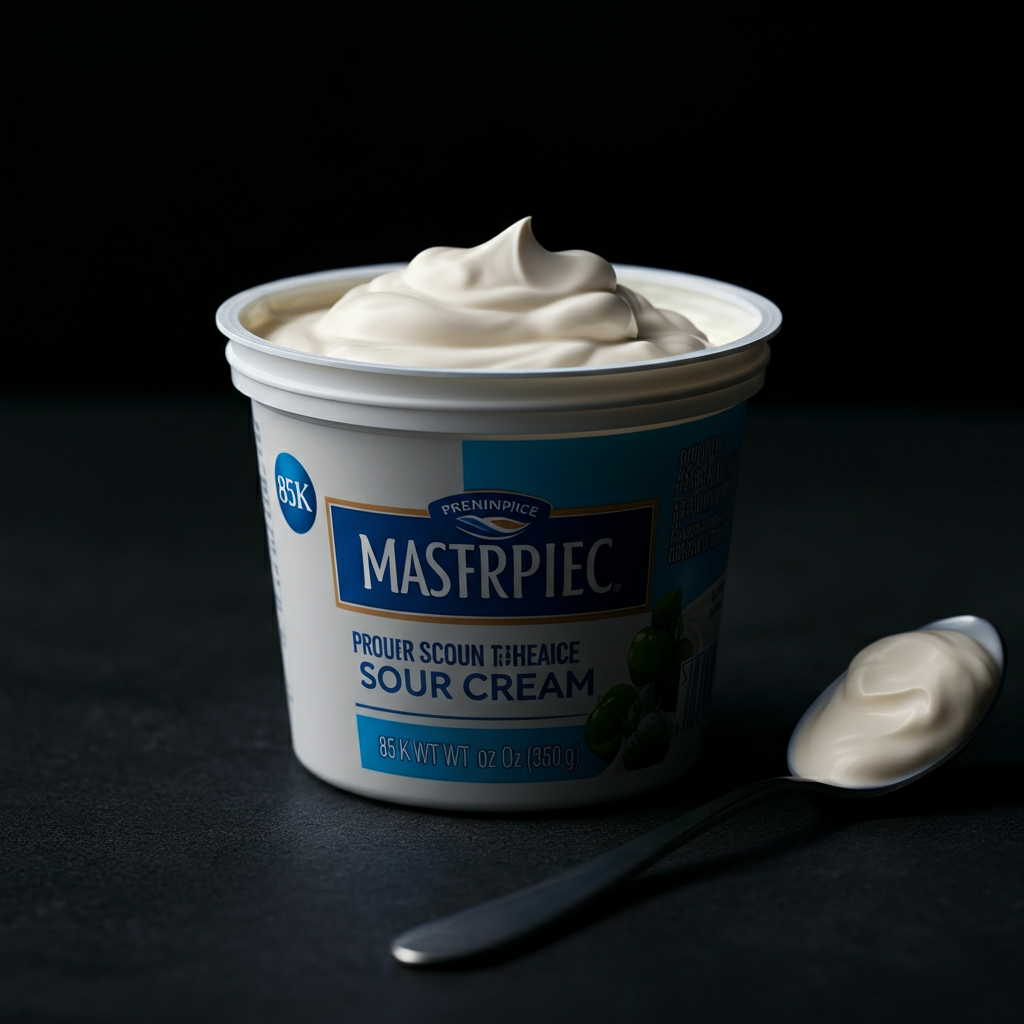
The first line of defense against consuming spoiled sour cream is a thorough visual inspection. Changes in color are often the most obvious indicators. Fresh sour cream should be a consistent white or off-white color. If you observe any yellowing, or worse, green or blue discoloration, it's a strong sign that the sour cream has gone bad. Mold growth, even small fuzzy spots, is an unequivocal sign of spoilage, and the entire container should be discarded immediately. Also look for excessive liquid separation (more than the usual whey on top), large lumps, or a curdled appearance, all of which suggest that the sour cream is no longer safe to eat.
Step 2: Trust Your Nose
The Smell Test
Even if the sour cream appears relatively normal, its odor can reveal hidden spoilage. While sour cream naturally has a tangy, slightly acidic scent, a foul, rancid, or overly pungent odor is a red flag. Spoiled sour cream will often smell distinctly "off," with a sourness that's far beyond its typical tangy aroma. Any hint of a yeasty or moldy smell also indicates that it's time to toss it. Don't hesitate to compare the smell to a fresh container of sour cream for reference. If you are unsure it's always best to err on the side of caution.

Step 3: Evaluate the Texture
Consistency Matters
Sour cream should have a smooth, creamy, and slightly thick consistency. If the texture is slimy, watery, or excessively thick and pasty, it's likely spoiled. Pay close attention to any unusual changes from its typical creamy texture. Sometimes, sour cream can develop a grainy texture or separate into curds and whey, which is another indication that it's past its prime. Use a clean spoon to stir the sour cream and assess its consistency. If it doesn't blend smoothly, it's best to discard it.

Step 4: The Taste Test (Proceed with Caution!)
A Last Resort
If the appearance, smell, and texture seem borderline, a tiny taste test can be the final determinant. However, only proceed if you're reasonably confident that the sour cream isn't severely spoiled. Take a very small amount (a tiny dab on your fingertip is sufficient) and taste it. Spoiled sour cream will have a distinctly sour, bitter, or otherwise unpleasant taste that's significantly different from its usual tangy flavor. If it tastes even slightly "off," discard the entire container immediately. It is best to err on the side of caution as some bacteria can make you very sick.

Pro Tips
- Store it Right: Always refrigerate sour cream promptly after opening. Keep it in its original container with the lid tightly sealed.
- Use Clean Utensils: Avoid contaminating the sour cream with dirty spoons or utensils. Always use a clean utensil each time you scoop out sour cream.
- Consider Upside Down Storage: Store the container upside down in the refrigerator. This can create a better seal and help prevent spoilage.
Common Mistakes to Avoid
- Ignoring the Signs: Don't ignore obvious signs of spoilage, such as mold growth or a foul odor, just because you don't want to waste it.
- Relying Solely on Expiration Dates: Expiration dates are merely guidelines. Always use your senses to evaluate the quality of the sour cream.
- Scooping Out Mold: Never attempt to scoop out mold and use the rest of the sour cream. Mold can spread unseen throughout the entire container.
FAQ Section
- How long does sour cream typically last after the expiration date?
- Sour cream can often last for 1-3 weeks after the "sell-by" or "use-by" date, provided it's stored properly and doesn't show any signs of spoilage.
- Can I freeze sour cream?
- Yes, you can freeze sour cream, but the texture may change and become slightly watery upon thawing. It's best used in cooked dishes rather than as a topping.
- Is it safe to eat sour cream with a little bit of liquid on top?
- A small amount of clear liquid, known as whey, is normal. You can either drain it off or stir it back into the sour cream.
Conclusion
Identifying spoiled sour cream is crucial for preventing foodborne illness and ensuring the quality of your meals. By diligently following these steps – inspecting the appearance, trusting your nose, evaluating the texture, and, when necessary, cautiously tasting – you can confidently determine whether your sour cream is safe to use. Remember, when in doubt, throw it out! Prioritizing safety is always the best approach when dealing with perishable dairy products.