Aloe vera gel, prized for its soothing and healing properties, is a staple in many households. Whether you've harvested it fresh from your own plant or purchased it from a store, proper storage is crucial to maintain its efficacy and prevent spoilage. This guide provides expert techniques for storing aloe vera gel, ensuring you can enjoy its benefits for as long as possible.
Fresh aloe vera gel, extracted directly from the plant, is incredibly versatile. It can be used to soothe sunburns, hydrate skin, and even as a natural ingredient in homemade beauty products. However, its lack of preservatives means it spoils quickly. Understanding the various storage methods and their impact on shelf life is key to maximizing the lifespan of your aloe vera gel.
This guide will cover everything from basic refrigeration to more advanced preservation techniques, such as freezing and blending with natural preservatives. By following these expert-recommended methods, you can ensure your aloe vera gel remains potent and ready for use whenever you need it.
Step 1: Refrigerating Raw Aloe Vera Gel
The Basics of Refrigeration
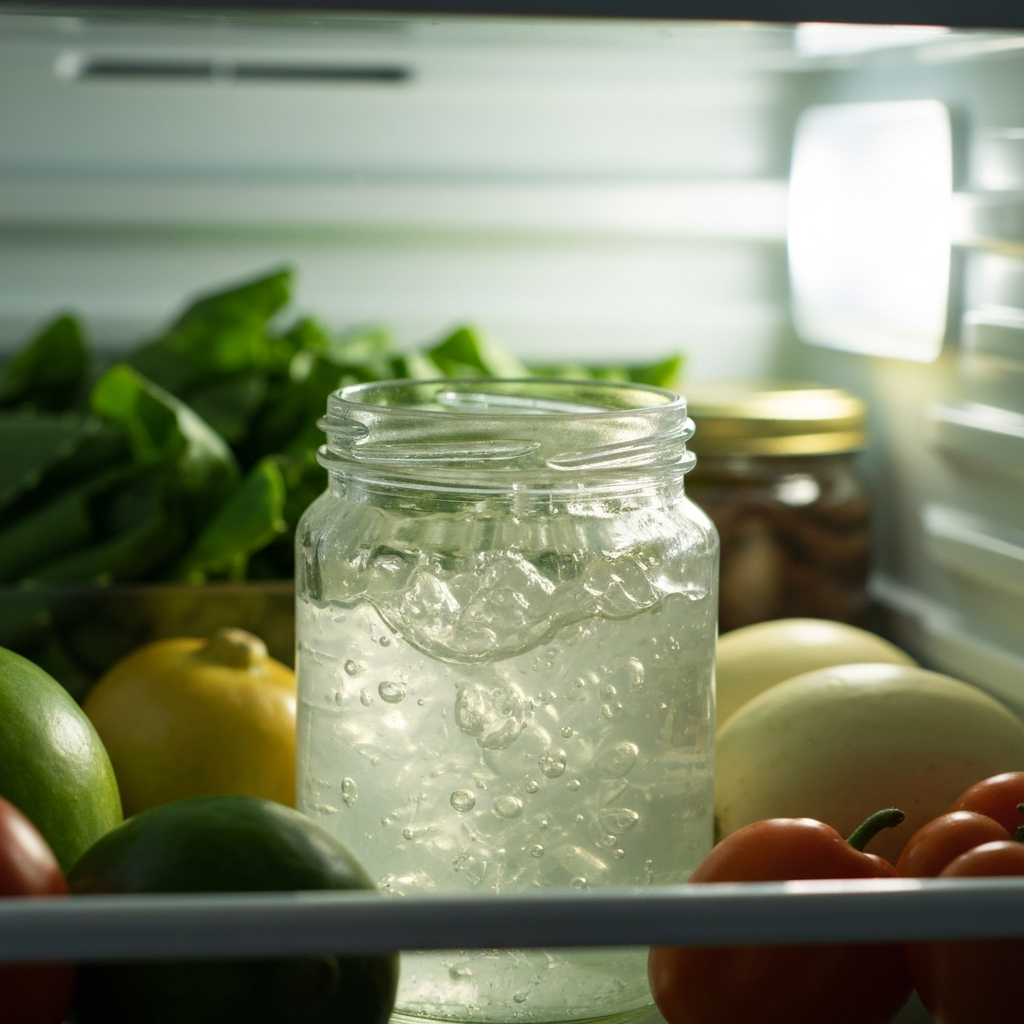
Refrigeration is the simplest method for storing raw aloe vera gel. Once extracted, transfer the gel to an airtight container. An airtight container is essential to prevent oxidation and contamination, both of which can accelerate spoilage. Store the container in the refrigerator at a consistent temperature. While this method is convenient, it only extends the shelf life for a limited time.
Considerations: Raw aloe vera gel stored in the refrigerator will typically last for about one week. Keep in mind that temperature fluctuations inside the refrigerator (e.g., from frequently opening the door) can affect the gel's longevity. Before each use, inspect the gel for any signs of spoilage, such as changes in color or odor.
Step 2: Freezing Aloe Vera Gel
Freezing for Extended Storage
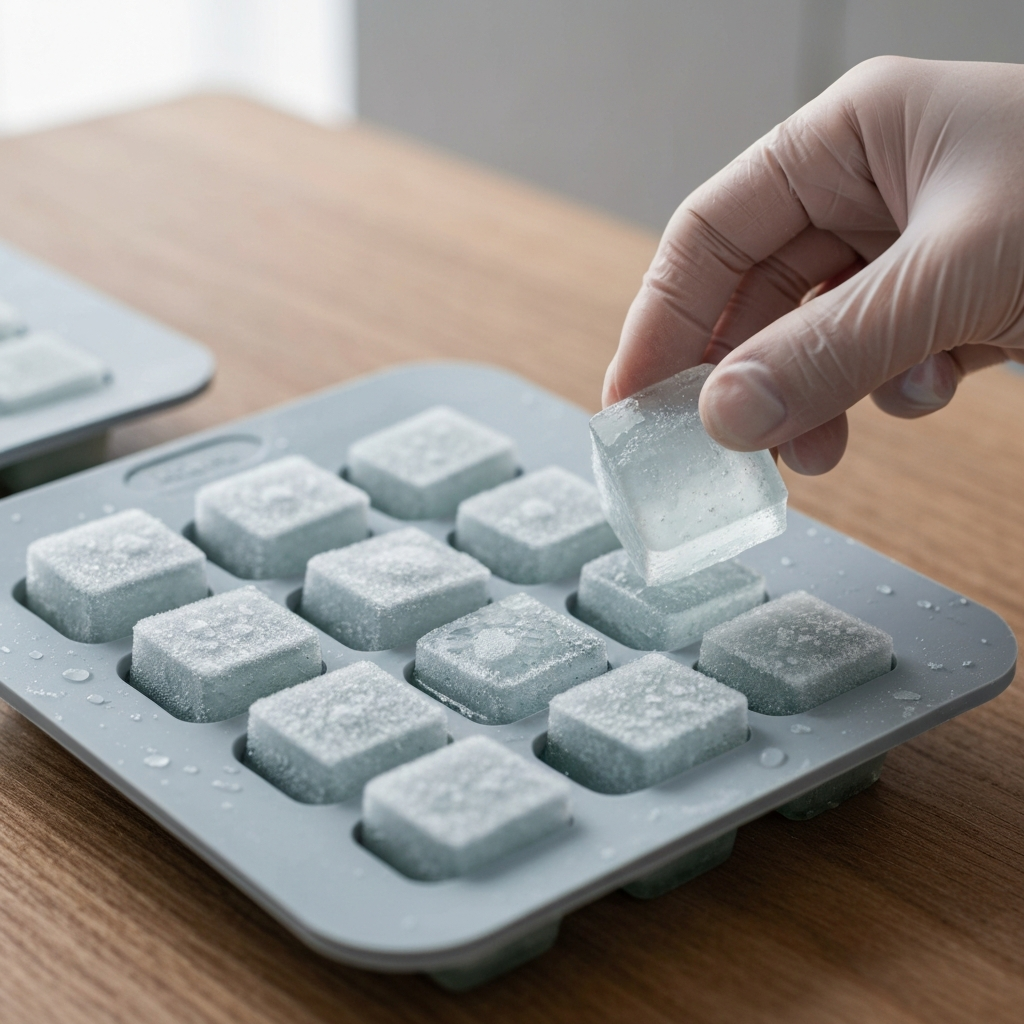
Freezing is an excellent method for preserving aloe vera gel for longer periods. The best approach is to pour the gel into ice cube trays. Freezing in individual portions makes it easy to thaw only the amount you need, preventing unnecessary thawing and refreezing of the entire batch. Once the trays are filled, place them flat in the freezer to avoid spills.
Once the aloe vera cubes are completely frozen (typically overnight), transfer them to a freezer-safe bag or container, labeling it with the date. Frozen aloe vera gel can last up to one year. To thaw, place the desired number of cubes in the refrigerator for a few hours. Avoid using heat to thaw, as this can degrade the gel's beneficial properties.
Step 3: Blending with Vitamin C
Utilizing Vitamin C as a Natural Preservative
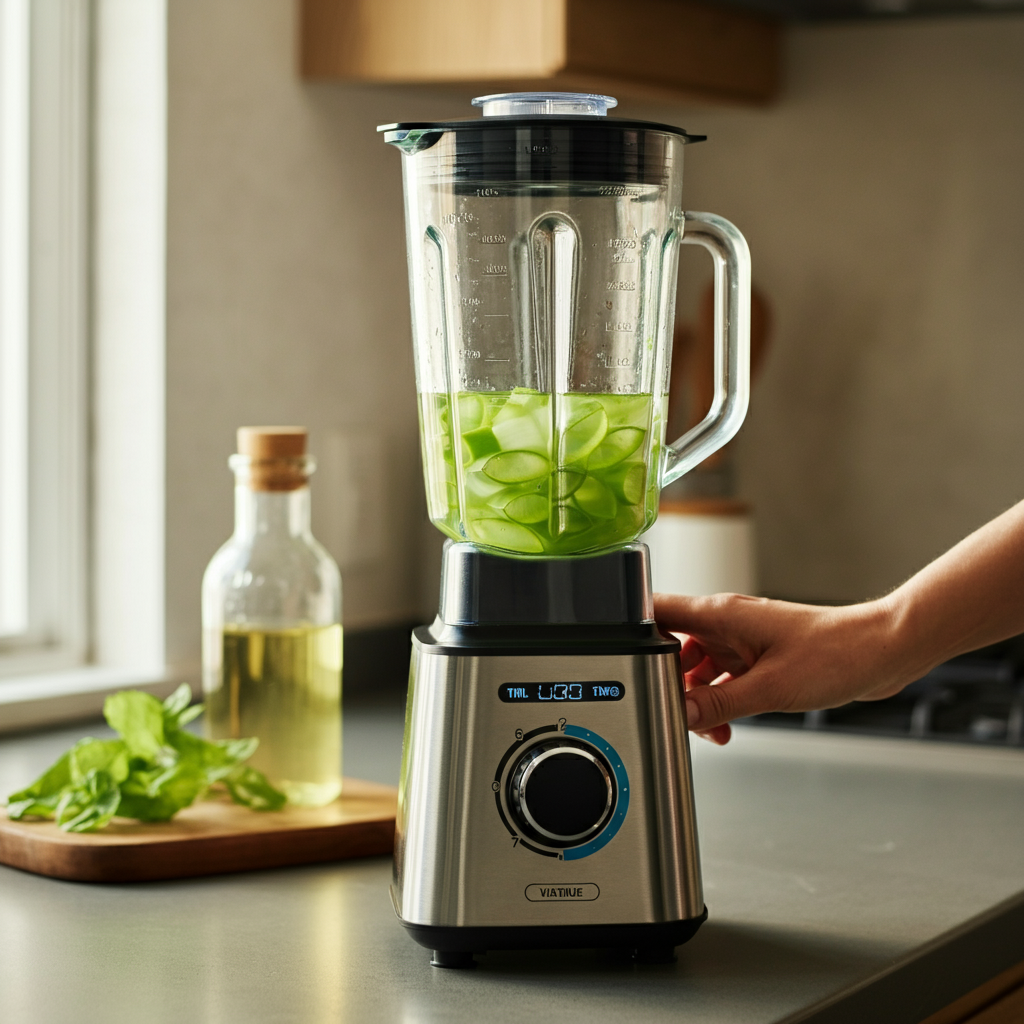
Vitamin C (ascorbic acid) is a powerful antioxidant that can act as a natural preservative for aloe vera gel. To use this method, combine the gel with a crushed Vitamin C tablet in a blender. A ratio of approximately 500mg of Vitamin C per ¼ cup (60ml) of aloe vera gel is recommended for optimal preservation. The blender will also help to liquefy the gel, making it easier to use in various applications.
Blend the mixture on high speed for a few seconds until well combined. Transfer the resulting aloe vera juice to an airtight container and store it in the refrigerator. This method can extend the shelf life of the gel for up to one month. The blended mixture may have a foamy layer on top initially, but this will dissipate over time.
Step 4: Mixing with Honey
Harnessing Honey's Preservative Properties
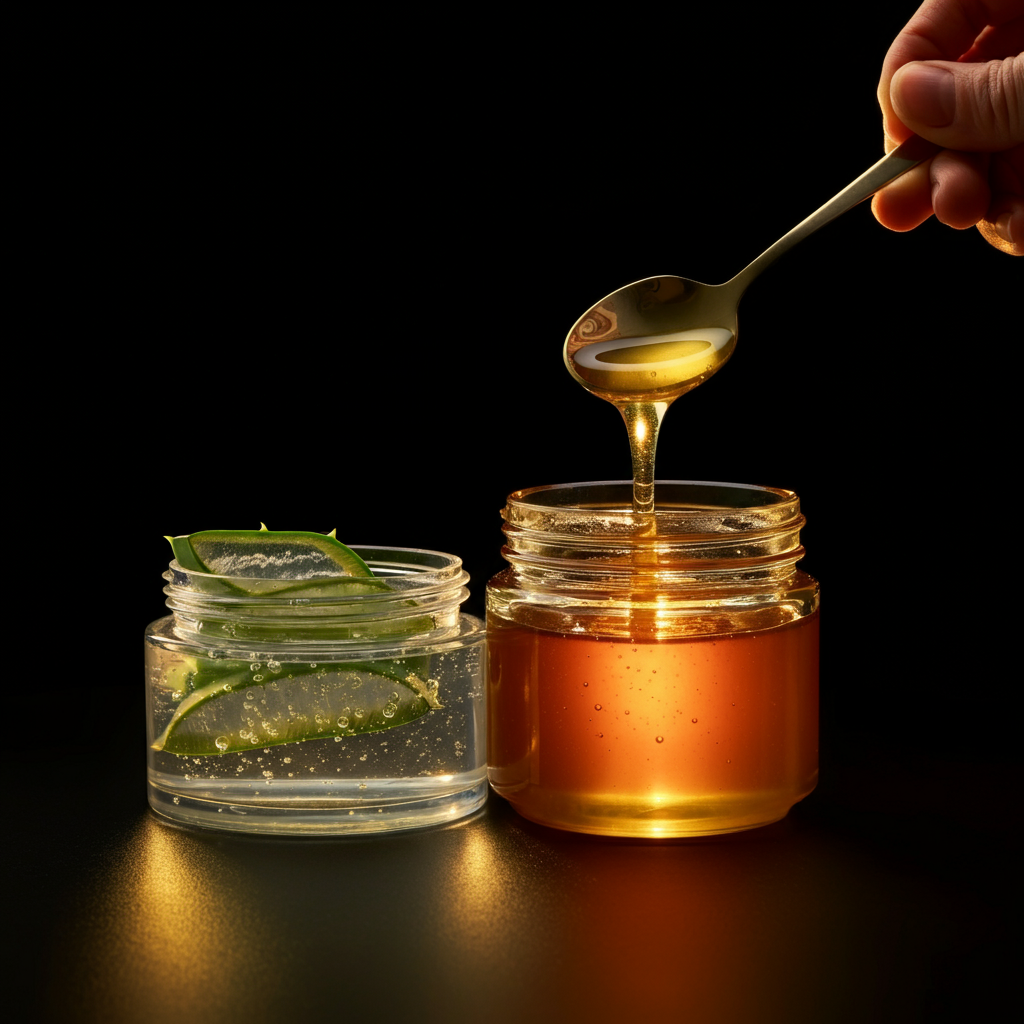
Honey, with its low water content and high sugar concentration, is an excellent natural preservative. To store aloe vera gel using honey, combine the gel with honey in a 1:1 ratio in an airtight container. Using high-quality, raw honey that is free from additives will maximize the effectiveness of this method. Mix the honey and gel thoroughly to ensure even distribution.
Store the mixture in the refrigerator or at room temperature, away from direct sunlight. Aloe vera gel preserved with honey can last for up to eight months. This mixture is particularly versatile and can be easily incorporated into facial scrubs, body washes, and hair products.
Step 5: Storing Store-Bought Aloe Vera Gel
Proper Storage of Processed Aloe
Store-bought aloe vera gel typically contains preservatives, which extend its shelf life compared to raw gel. Keep the gel in a cool, dry place away from direct sunlight, such as a closet or cabinet. While refrigeration is not always necessary, ensuring the lid is tightly closed is crucial to prevent bacterial contamination and maintain potency.
Always refer to the label's storage instructions for specific guidance. Unopened store-bought aloe vera gel can often last for several years. Once opened, pay attention to any changes in color, texture, or odor, which may indicate spoilage. Discard the gel if any of these signs are present.
Safety Considerations
Always perform a patch test before applying any aloe vera gel mixture to a large area of skin, especially if you have sensitive skin or a history of allergic reactions. Discontinue use if you experience any irritation, redness, or itching. If you are unsure about the purity or quality of your aloe vera gel, it is always best to err on the side of caution and discard it.
Common Mistakes to Avoid
- Using contaminated containers: Ensure all containers and utensils are thoroughly cleaned and sanitized before use.
- Exposing aloe vera gel to direct sunlight: Sunlight can degrade the beneficial properties of the gel and accelerate spoilage.
- Ignoring signs of spoilage: Regularly inspect stored aloe vera gel for changes in color, texture, or odor.
- Using heat to thaw frozen aloe vera gel: Heat can damage the gel's beneficial compounds.
FAQ Section
Q: How can I tell if my aloe vera gel has gone bad?
A: Look for changes in color (e.g., turning brown or green), texture (e.g., becoming watery or gritty), or odor (e.g., developing a sour or fermented smell). The presence of mold or visible bacteria is also a clear sign of spoilage.
Q: Can I use expired aloe vera gel?
A: It is generally not recommended to use expired aloe vera gel. Applying expired gel to the skin can lead to irritation, allergic reactions, or, in extreme cases, infection.
Q: Does freezing aloe vera gel affect its potency?
A: Freezing aloe vera gel may slightly reduce its potency, but it remains a viable option for long-term storage. The benefits of preserving the gel outweigh the minor loss of efficacy.
Conclusion
Properly storing aloe vera gel is essential to maintain its therapeutic benefits and extend its shelf life. Whether you choose to refrigerate raw gel, freeze it for longer-term storage, or blend it with natural preservatives like Vitamin C or honey, following these expert guidelines will ensure your aloe vera gel remains potent and ready for use. Always prioritize cleanliness, monitor for signs of spoilage, and heed safety precautions to enjoy the full benefits of this versatile natural remedy.