The simple act of piercing an ear can carry a surprising amount of historical and cultural weight. While today, ear piercings are largely considered a form of personal expression, they haven't always been so devoid of specific meaning. The right ear, in particular, has a rich and sometimes controversial past, especially for men.
This guide delves into the history of right ear piercings, exploring their significance across different eras and cultures. From ancient rituals to modern fashion statements, we'll unpack the symbolism associated with this seemingly simple modification. Whether you're considering getting your right ear pierced or simply curious about its origins, this comprehensive overview will provide you with valuable insights.
It's important to remember that meaning is fluid and often changes with time and societal context. What was once a bold statement can become commonplace, and what was once taboo can become celebrated. Understanding the historical context of a right ear piercing allows for a more informed and personal decision.
Let's embark on a journey through time to unravel the fascinating story behind the right ear piercing.
Step 1: Understanding the Historical Context
Historically, the meaning of a right ear piercing, particularly for men, evolved significantly. In the 20th century, particularly from the 1970s onwards, a right ear piercing served as a discreet signal within the LGBTQ+ community. Being openly gay was less accepted, and this provided a subtle, non-verbal way for gay men to identify each other. This allowed for connection and community building in a time when open displays of affection or identity could lead to discrimination or even violence. Fashion and societal norms shifted over time, with a growing acceptance of LGBTQ+ culture making this form of signaling less necessary.

Step 2: Dissecting the "Gay Ear" Myth
The term "gay ear" was often used to refer to the right ear when pierced on a man. This originated from the aforementioned practice of using the right ear piercing as a signal within the gay community. The phrase "left is right and right is wrong" was a mnemonic device used to remember which ear to pierce, with "wrong" being a derogatory synonym for "gay" at the time. It's crucial to recognize that this association is outdated and can be considered offensive. Modern society largely rejects this simplistic and often harmful stereotype, viewing ear piercings as a form of personal expression regardless of sexual orientation. Focusing on individual intent, rather than outdated and potentially offensive associations, is essential for maintaining respectful dialogue.
Step 3: Cultural and Spiritual Interpretations
Beyond its association with sexuality, ear piercings hold diverse cultural and spiritual meanings across the globe. In some cultures, ear piercings mark a rite of passage into adulthood. For example, certain African tribes practice ear piercing ceremonies to signify maturity and readiness for new life stages. In Asian traditions, ear piercing is linked to health benefits within Ayurvedic medicine, believed to promote well-being and energy flow. It’s vital to research and understand the cultural context if you're adopting a piercing style with roots in a specific tradition. This prevents cultural appropriation and ensures respectful representation.
Step 4: Historical Significance Across Civilizations
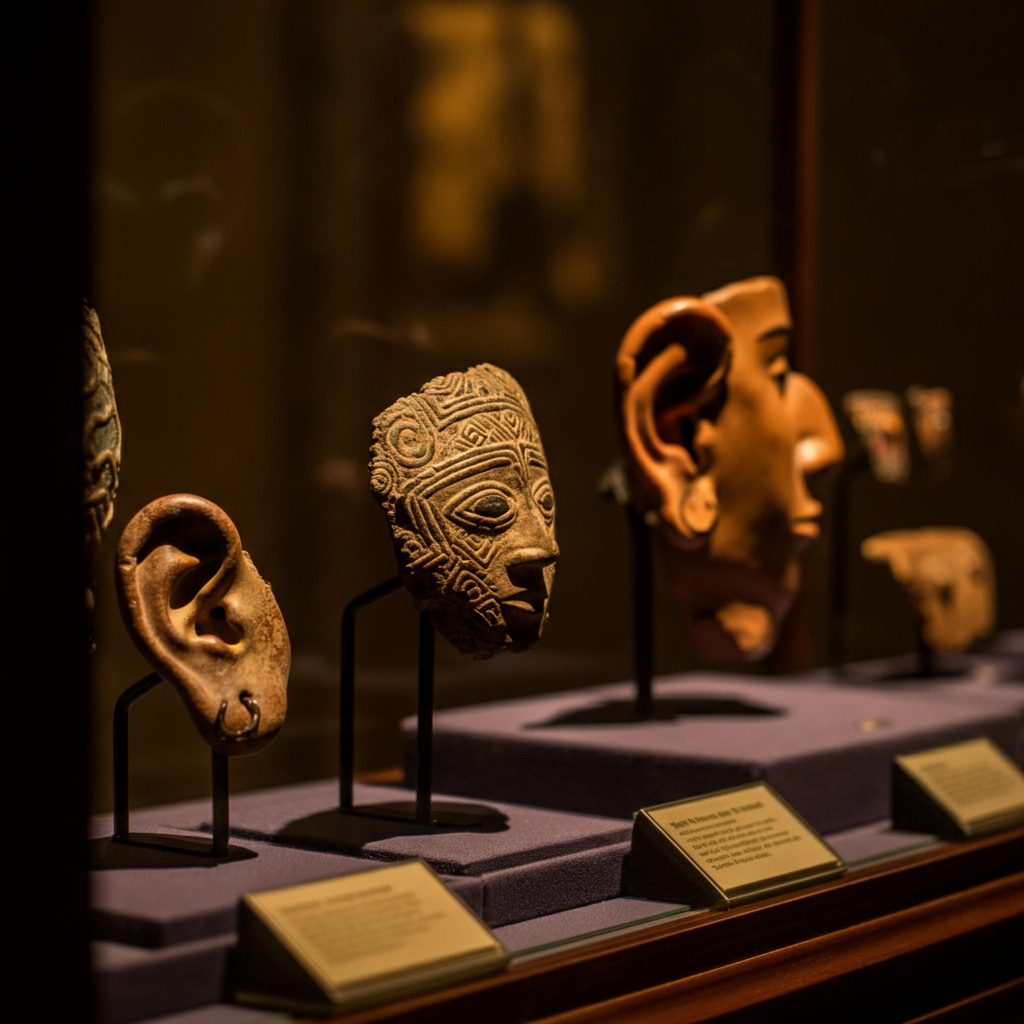
The history of ear piercing extends far back into antiquity. Archaeological evidence, such as the discovery of Ötzi the Iceman, dating back over 5,000 years, reveals that pierced ears were common even in prehistoric times. Ancient Egyptians, including figures like King Tutankhamun, adorned themselves with elaborate earrings. In other historical periods, earrings served as indicators of social status or occupation. For instance, some sailors wore earrings to signify their travels or as a means to pay for a proper burial should they perish at sea. Understanding the historical context provides a richer appreciation for the enduring appeal of ear piercings.

Step 5: Modern Meanings and Personal Expression
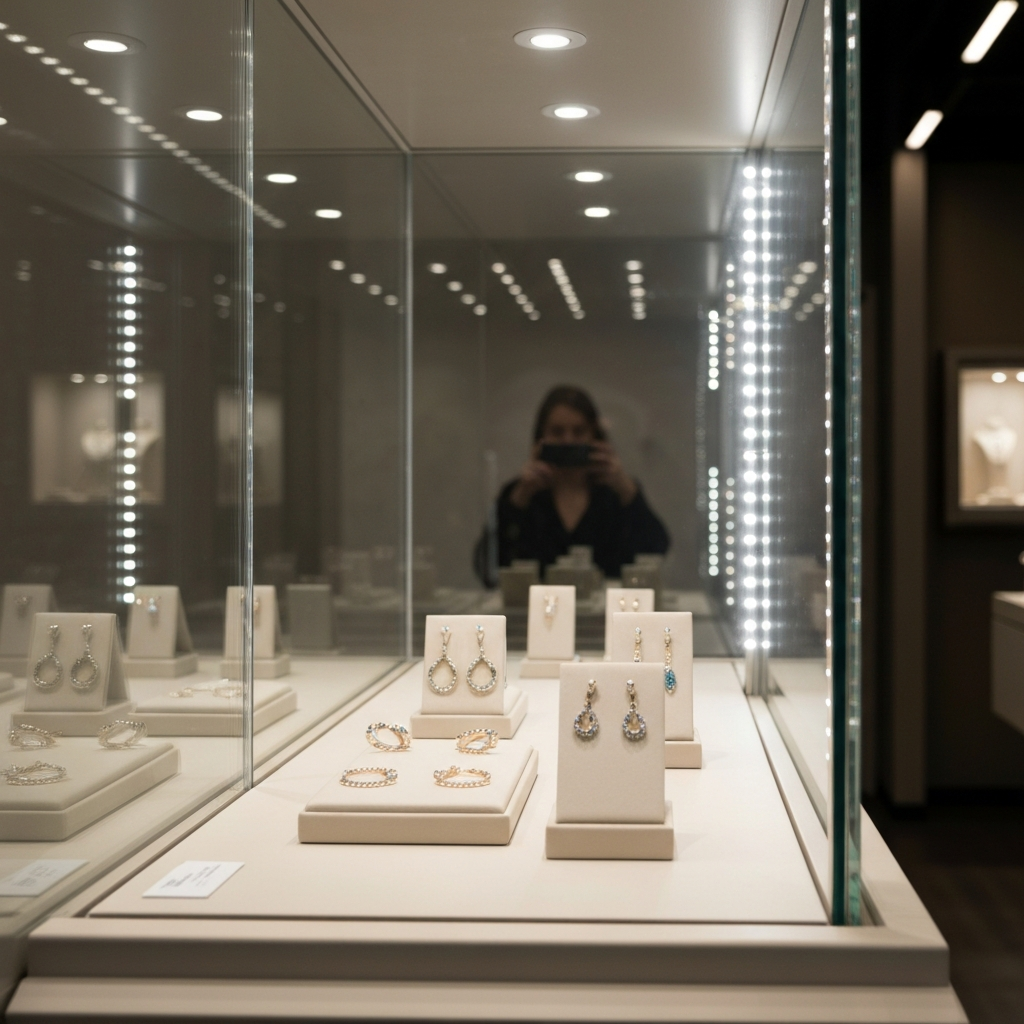
In contemporary society, the meaning of a right ear piercing is largely determined by individual choice. While historical associations may linger in some circles, most people view ear piercings as a form of self-expression and personal style. The wide variety of earring styles available – from simple studs to elaborate hoops and dangles – allows individuals to customize their look and convey their unique personality. Ultimately, the meaning of your right ear piercing is what you choose it to be. Embrace the freedom to express yourself without being bound by outdated stereotypes or assumptions. Choose jewelry and styles that resonate with your personal aesthetic and values.
Tools or Materials Required (If Considering a Piercing)
- Sterilized piercing needle or gun (professional use recommended)
- Hypoallergenic earrings (surgical steel, titanium, or gold are good options)
- Disinfectant solution (e.g., saline solution)
- Marking pen
- Gloves (for the piercer)
Safety Considerations
- Always choose a reputable and licensed piercing professional.
- Ensure that all equipment is properly sterilized to prevent infection.
- Follow aftercare instructions diligently to promote healing.
- Be aware of potential allergic reactions to certain metals.
FAQ Section
- Does a right ear piercing still mean someone is gay?
- No, this association is outdated and inaccurate. Ear piercings are now largely seen as a form of personal expression, regardless of sexual orientation.
- Is it safe to pierce my own ear?
- While it's possible, it's strongly discouraged. Professional piercers have the expertise and sterilized equipment necessary to minimize the risk of infection and ensure proper placement.
- How long does it take for a right ear piercing to heal?
- Healing times vary, but typically it takes 6-8 weeks for a lobe piercing to heal completely. Cartilage piercings can take longer, up to several months.
Conclusion
The right ear piercing has a complex and evolving history. While it once served as a discreet signal within the LGBTQ+ community, its modern meaning is largely shaped by individual expression. Cultural and historical contexts provide valuable insights, but ultimately, the significance of a right ear piercing rests in the hands of the wearer. Embrace the freedom to express yourself authentically and confidently.