The allure of purple eyes has captivated imaginations for centuries, often depicted in fantasy literature and folklore as a sign of royalty, magic, or extraordinary abilities. Daenerys Targaryen from "A Song of Ice and Fire" is a prime example. But how much of this mystique is rooted in reality? Are naturally purple eyes truly possible, or are they merely a figment of our collective imagination? This guide explores the fascinating world of purple eyes, delving into the genetic factors, rare conditions, and practical methods to achieve this captivating look.
While naturally occurring purple eyes are exceptionally rare, understanding the underlying science and available options allows us to separate fact from fiction. We'll explore the role of melanin, the potential influence of genetics, and the impact of conditions like albinism. Moreover, we'll cover practical and safe methods for temporarily achieving the violet-eyed look through cosmetic means.
Whether you're fascinated by the genetic possibility, intrigued by the conditions that might lead to it, or simply seeking to replicate the aesthetic, this guide provides a comprehensive exploration of purple eyes.
-
Understanding the Genetics of Eye Color
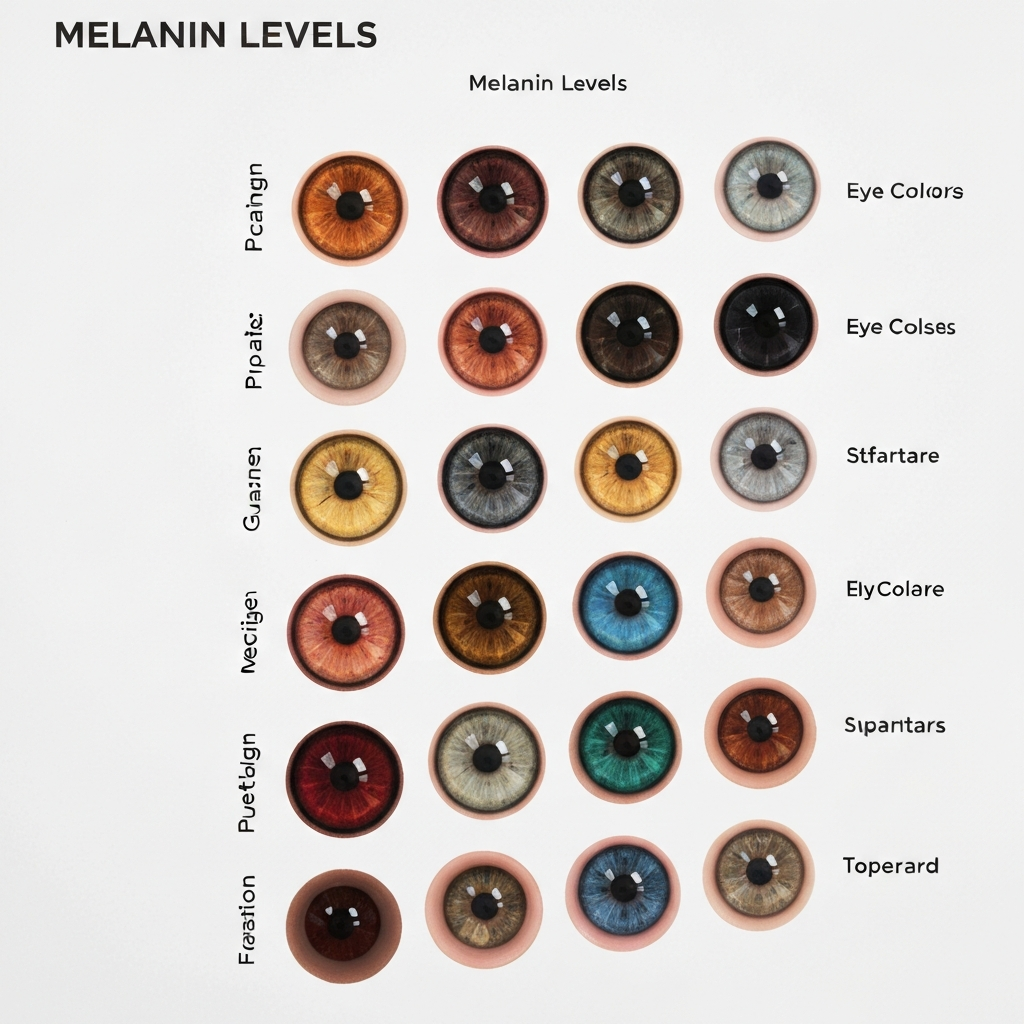
Eye color is primarily determined by the amount and type of melanin present in the iris. Melanin, the same pigment responsible for skin and hair color, comes in different forms, with eumelanin (brown/black) and pheomelanin (red/yellow) being the most prevalent. The specific combination of these pigments, alongside the structure of the iris itself, influences how light is scattered and reflected, resulting in the array of colors we see.
-
The Rarity of Naturally Purple Eyes
While any color is possible with a mix of genetics, naturally occurring purple eyes are extremely rare, estimated to be present in less than 1% of the global population. This rarity stems from the specific genetic combination required to produce the necessary low levels of melanin and the right structural properties in the iris. Brown eyes make up a significant percentage of the population (70-80%), while blue and green eyes are more common than purple. The idea is that lower levels of melanin in the iris allow more light to be reflected. When there is low melanin in the iris, the eyes may appear purple or violet.
-
The Link to Albinism and Other Conditions
One of the most well-known connections to the potential for purple eyes is albinism. Albinism is a genetic condition characterized by a significant reduction or absence of melanin production. Individuals with albinism often have very pale skin, hair, and eyes. In some cases, the lack of pigment in the iris can allow the underlying blood vessels to become more visible, creating a reddish or, in specific lighting conditions, a purplish hue. Heterochromia, as well as Fuchs, Horner or Waardenburg syndromes can alter melanin production or distribution.
-
Distinguishing True Purple from Apparent Purple
It's crucial to differentiate between genuine purple eye color and the appearance of purple due to lighting, makeup, or other external factors. Some individuals with very light blue or violet eyes may appear purple under certain lighting conditions, especially when wearing complementary colors. The iconic actress Elizabeth Taylor, often cited as having violet eyes, likely achieved the enhanced effect through makeup and strategic lighting. A truly purple iris exhibits the hue consistently across various lighting situations.
-
Achieving the Purple-Eyed Look with Contact Lenses
For those seeking to replicate the captivating appearance of purple eyes without genetic intervention, colored contact lenses offer a safe and effective solution. A wide array of purple and violet shades are available, ranging from deep indigo to subtle amethyst tones. Popular options include Powerglow Bluish Purple for a deep indigo shade, Luxury Violet for a perfect balance between purple and gray, and Pink Label Mykonos Violet for a truly mystical aesthetic. Be sure to consult with an optometrist or eye doctor before wearing any kind of contacts to be sure the lenses you use are safe for your eyes.
-
Debunking the Myth of Alexandria's Genesis
Alexandria's Genesis is a fictional genetic mutation often associated with purple eyes, heightened beauty, and other extraordinary traits. This concept, popularized in fan fiction and online communities, is not a real medical condition. There is no scientific evidence to support the existence of such a genetic anomaly. While the idea is intriguing, it's important to recognize it as a purely imaginative creation.
Safety Considerations
When using colored contact lenses, prioritize eye health and safety. Always obtain lenses from a reputable source and follow the instructions provided by your eye care professional. Proper hygiene, including washing hands before handling lenses and cleaning them regularly, is crucial to prevent infections and irritation. Never wear lenses for longer than recommended, and discontinue use immediately if you experience any discomfort or redness. Consult your eye doctor.
Common Mistakes to Avoid
A common mistake is believing online myths or unverified information about genetic mutations or miracle cures for changing eye color. Stick to credible sources and consult with medical professionals for accurate information. Another mistake is purchasing colored contact lenses from unregulated sources, which can pose serious risks to eye health. Always consult with your eye care professional when deciding what kind of lenses to use.
FAQ Section
- Are purple eyes a sign of a medical condition?
- While certain conditions like albinism can increase the likelihood of purple eyes, they are not inherently a sign of a specific medical problem. In most cases, they are simply a rare genetic variation.
- Can eye color change over time?
- Eye color can sometimes change, especially during infancy. Changes in adulthood are less common and may indicate an underlying medical condition, warranting a consultation with an ophthalmologist.
- How can I determine if my eyes are truly purple?
- Observe your eye color under various lighting conditions. True purple eyes will maintain a consistent purplish hue regardless of the light source. If the color appears only in specific lighting or when wearing certain colors, it's likely an optical illusion.
In conclusion, while naturally occurring purple eyes are an extraordinary rarity, understanding the underlying genetics and conditions associated with them provides valuable insight. While permanent natural purple eyes are an extreme rarity, contacts can bring the look to life.