Workshops are a powerful tool for knowledge sharing, skill development, and collaborative problem-solving. A well-prepared workshop can leave participants feeling empowered, informed, and ready to apply their new skills. Conversely, a poorly planned workshop can be a frustrating waste of time for everyone involved. This guide provides a step-by-step approach to designing and delivering an engaging and effective workshop.
The key to a successful workshop lies in thorough preparation. This involves not only crafting compelling content but also understanding your audience, structuring the session effectively, and creating an environment conducive to learning and participation. Don't underestimate the importance of meticulous planning; it's the foundation upon which a memorable and impactful workshop is built.
Whether you're a seasoned trainer or a first-time facilitator, these guidelines will equip you with the knowledge and strategies to create a workshop that achieves its objectives and leaves a lasting positive impression on your participants. Let's dive in and explore the essential steps involved in preparing a workshop that truly delivers.
Step 1: Define the Workshop Objective
Before you start outlining activities or creating presentations, it's crucial to clearly define the objective of your workshop. What specific knowledge, skills, or outcomes do you want participants to gain by the end of the session? A well-defined objective acts as a compass, guiding your content, activities, and overall structure. A vague or poorly defined objective will lead to a disjointed and ineffective workshop.

Step 2: Understand Your Audience
Knowing your audience is paramount to delivering a relevant and impactful workshop. Consider their existing knowledge, skill level, learning styles, and motivations. What are their expectations? What challenges are they facing that your workshop can address? Tailoring your content and delivery to the specific needs and interests of your audience will significantly enhance their engagement and learning experience. Conduct pre-workshop surveys or informal conversations to gather insights and personalize your approach.

Step 3: Create a Detailed Workshop Outline
A well-structured outline is the backbone of a successful workshop. It provides a roadmap for you and your participants, ensuring a logical flow of information and activities. Begin with an engaging introduction, clearly state the workshop's objectives, and outline the key topics or skills you'll be covering. Divide the workshop into manageable segments, each with a specific focus and allocated time. Don't forget to include opportunities for interaction, discussion, and practical application.

Step 4: Allocate Time for Each Section
Once you have a detailed outline, it's essential to allocate realistic time slots for each section. Consider the complexity of the material, the level of participant engagement required, and the need for breaks. Overestimating or underestimating time can derail your workshop, leading to rushed presentations or awkward silences. Build in buffer time for unexpected questions or discussions. Practice your presentation to gauge the actual time required for each segment.

Step 5: Develop Engaging Supporting Materials
High-quality supporting materials can significantly enhance the learning experience. Prepare clear and concise handouts summarizing key concepts, providing step-by-step instructions, or offering additional resources. Incorporate visually appealing presentation slides with relevant images, charts, and graphs. Consider using interactive worksheets, quizzes, or case studies to reinforce learning and encourage active participation. Avoid overwhelming participants with too much information; focus on clarity and relevance.

Step 6: Incorporate Interactive Activities
Interactive activities are crucial for maintaining engagement and facilitating deeper learning. Incorporate a variety of activities such as group discussions, brainstorming sessions, role-playing exercises, or hands-on projects. Encourage participants to share their experiences, ask questions, and collaborate with one another. Remember that activities should be relevant to the workshop objectives and aligned with the participants' learning styles. Provide clear instructions and facilitate the activities effectively to ensure that everyone is actively involved.

Step 7: Plan for Questions and Answers
Allocate dedicated time for questions and answers throughout the workshop. Encourage participants to ask questions and provide thoughtful and informative responses. Create a safe and supportive environment where participants feel comfortable expressing their doubts or seeking clarification. Anticipate potential questions and prepare concise and accurate answers in advance. If you don't know the answer to a question, be honest and offer to follow up with more information later.
Step 8: Practice Your Presentation
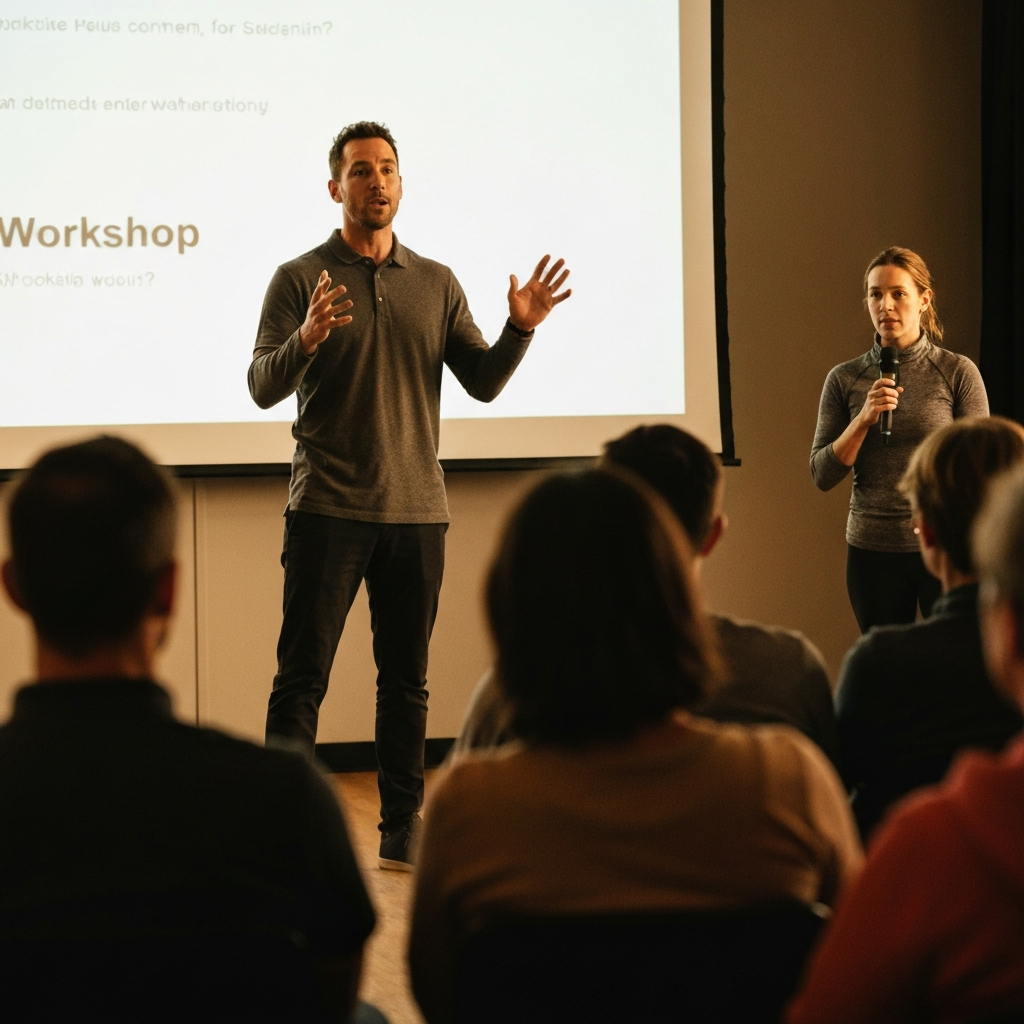
Rehearsing your presentation is essential for delivering a polished and confident workshop. Practice your delivery, familiarize yourself with the content, and time yourself to ensure you stay within the allocated time. Identify any areas where you may need to improve your clarity, pacing, or visual aids. Present to colleagues, friends, or family members and solicit feedback on your presentation style, content, and overall effectiveness. A well-rehearsed presentation will not only boost your confidence but also enhance the participants' learning experience.

Step 9: Prepare the Workshop Space
The physical environment can significantly impact the success of your workshop. Ensure that the space is clean, well-lit, and comfortable. Arrange the seating in a way that encourages interaction and collaboration. Set up any necessary equipment, such as projectors, screens, or sound systems, and test them thoroughly before the workshop begins. Provide refreshments, such as water, coffee, or snacks, to keep participants energized and focused. Pay attention to details such as room temperature, noise levels, and accessibility to ensure a positive and productive learning environment.
Step 10: Gather Feedback and Evaluate
After the workshop, gather feedback from participants to assess its effectiveness and identify areas for improvement. Use feedback forms, surveys, or informal discussions to collect information on the content, activities, delivery, and overall experience. Analyze the feedback and use it to refine your workshop for future sessions. Continuous improvement is key to delivering consistently high-quality workshops that meet the evolving needs of your audience.
Tools or Materials Required
- Presentation Software (e.g., PowerPoint, Keynote)
- Projector and Screen
- Whiteboard or Flip Chart
- Markers and Pens
- Handouts and Worksheets
- Refreshments (Water, Coffee, Snacks)
- Feedback Forms
Common Mistakes to Avoid
- Failing to define clear objectives
- Not understanding your audience
- Overloading participants with too much information
- Neglecting interactive activities
- Poor time management
- Inadequate preparation of the workshop space
Pro Tips
- Start with a strong and engaging opening.
- Use storytelling to illustrate key concepts.
- Encourage questions and participation throughout the workshop.
- Provide practical examples and real-world applications.
- End with a clear call to action.
FAQ Section
- How long should a workshop be?
- The ideal length depends on the topic and the audience. However, most workshops range from a few hours to a full day.
- How many participants should I have in a workshop?
- The optimal number of participants depends on the type of activities and the available space. Generally, smaller groups (10-20 participants) are more conducive to interaction and collaboration.
- How can I make my workshop more engaging?
- Incorporate a variety of interactive activities, use visual aids, and encourage questions and discussions.
In conclusion, preparing a successful workshop requires careful planning, a deep understanding of your audience, and a commitment to creating an engaging and interactive learning experience. By following these steps and avoiding common mistakes, you can design and deliver a workshop that achieves its objectives and leaves a lasting positive impact on your participants. Remember to continuously seek feedback and refine your approach to ensure that your workshops remain relevant and effective.