The 1990s. A decade of dial-up internet, groundbreaking music, and iconic fashion statements. It was a time of transition, moving from analog to digital, and the pop culture of the era reflected this shift in profound ways. From the rise of grunge to the explosion of boy bands and the dawn of the internet age, the 90s left an indelible mark on the world, one that continues to influence trends and inspire nostalgia today.
Understanding the nuances of 90s pop culture requires more than just recognizing the trends. It's about appreciating the context in which these trends emerged. The decade was marked by a sense of optimism and relative prosperity, which fueled creativity and innovation across various fields. This guide will delve into the key aspects of 90s pop culture, providing you with a comprehensive understanding of this transformative decade.
So, grab your scrunchies and get ready to take a trip down memory lane. We'll explore everything from the music that defined a generation to the movies that shaped our childhoods, and the fashion that, for better or worse, we all participated in. Welcome to the 90s!
Step 1: Music - The Soundtrack of a Generation
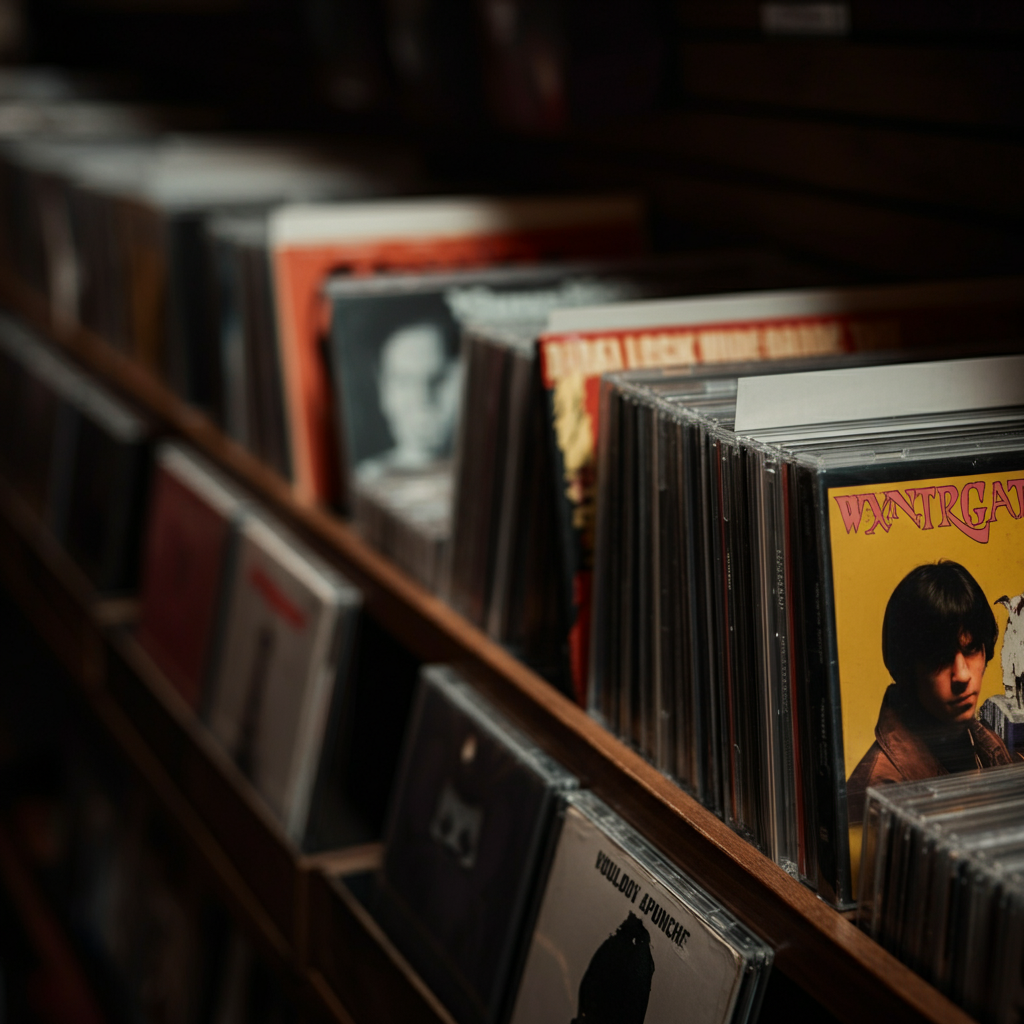
The 1990s were a truly diverse time for music, and the decade produced many of the most recognizable songs we still hear today. Grunge rock stormed the scene with bands like Nirvana, Pearl Jam, and Soundgarden challenging the hair metal dominance of the 80s. At the same time, hip-hop and R&B exploded in popularity with artists like Tupac, The Notorious B.I.G., TLC, and Destiny's Child dominating the charts. Pop music also saw a major resurgence, with the rise of boy bands like NSYNC and the Backstreet Boys, alongside solo artists like Britney Spears and Christina Aguilera. Understanding the nuances of these different genres is key to grasping the overall musical landscape of the decade.
Step 2: Fashion - From Grunge to Glam
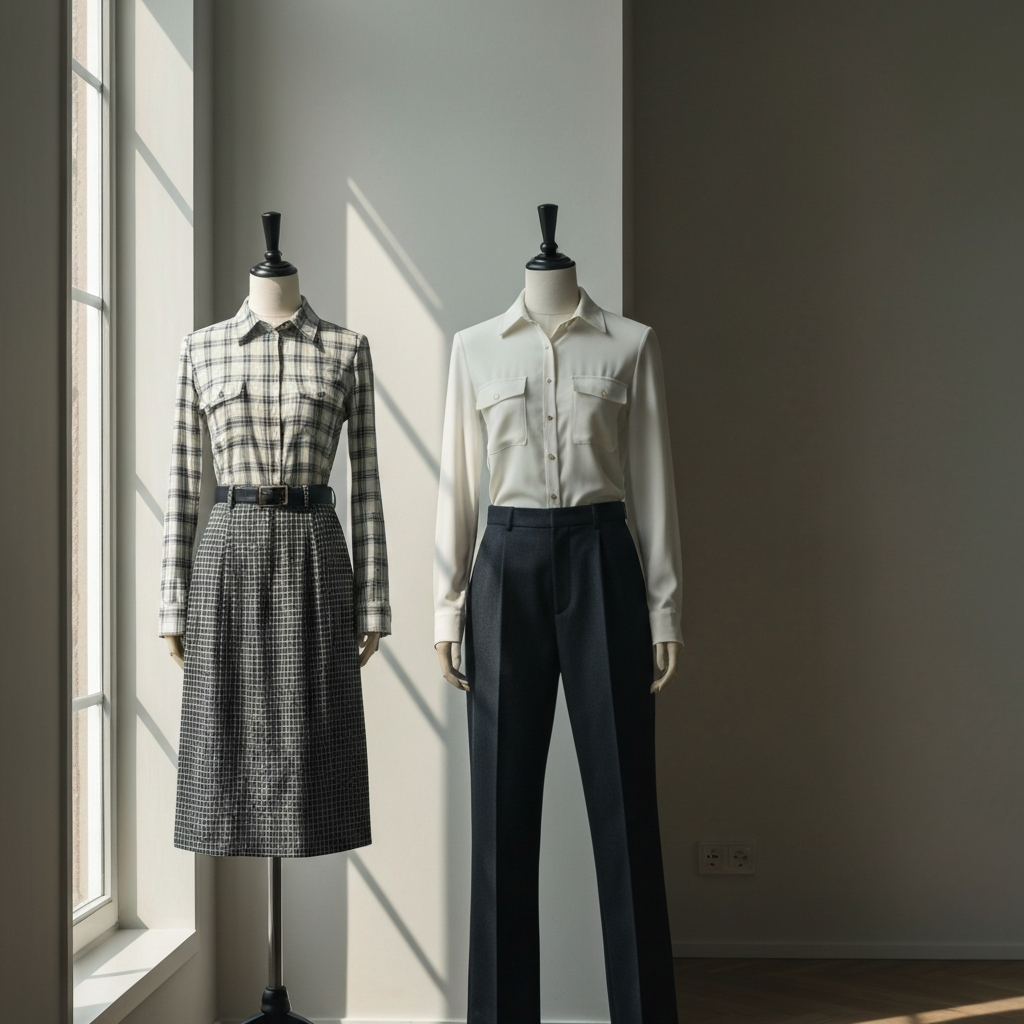
90s fashion was nothing if not eclectic, with styles ranging from the disheveled grunge look to the polished, preppy aesthetic. Grunge, popularized by bands like Nirvana, consisted of ripped jeans, flannel shirts, Dr. Martens boots, and generally an anti-establishment attitude. On the other hand, the "Clueless" aesthetic embraced bright colors, mini-skirts, and matching sets. Consider also the influence of hip-hop culture on fashion, with brands like Tommy Hilfiger and FUBU becoming extremely popular. Keep in mind that comfort was also a major factor, as athleisure wear became increasingly acceptable.
Step 3: Movies - Blockbusters and Indie Gems
The 90s produced a diverse range of films that remain classics to this day. Blockbusters like "Titanic," "Jurassic Park," and "Forrest Gump" dominated the box office. The decade also marked the Disney Renaissance, with animated masterpieces like "The Lion King," "Beauty and the Beast," and "Aladdin." Indie films like "Pulp Fiction" and "The Shawshank Redemption" pushed boundaries and challenged conventional storytelling. Teen movies like "Clueless" and "10 Things I Hate About You" captured the zeitgeist of the decade. Examining the themes and styles of these films provides valuable insight into the cultural values of the time.

Step 4: Television - The Rise of Sitcoms
Television in the 90s was defined by the rise of sitcoms. Shows like "Friends," "Seinfeld," "The Fresh Prince of Bel-Air," and "Full House" became cultural phenomena, shaping our understanding of family, friendship, and society. These shows tackled relatable issues with humor and heart, and their catchphrases and characters became ingrained in popular culture. Other notable shows included "Buffy the Vampire Slayer," "The X-Files," and "ER," which showcased the diversity of television programming during this decade.

Step 5: Technology - The Dawn of the Internet Age
The 1990s witnessed a technological revolution with the rise of the internet. Dial-up modems, clunky computers, and the early days of email became commonplace. The World Wide Web emerged as a new frontier, connecting people across the globe in unprecedented ways. The release of the first flip phone, the Motorola StarTAC, marked a significant step in mobile communication. And the founding of Google in 1998 signaled the beginning of the information age. Understanding these technological advancements is crucial to understanding the socio-cultural changes of the 90s.

Common Mistakes to Avoid
One common mistake is viewing the 90s as a monolithic entity. The decade was diverse and multifaceted, with different trends emerging at different times. Another mistake is oversimplifying the cultural impact of certain trends, such as grunge or hip-hop. It's important to appreciate the complexity and nuance of these movements and their influence on society.
Pro Tips
To truly immerse yourself in 90s pop culture, consider watching documentaries, reading articles, and listening to podcasts about the era. Engaging with primary sources, such as old magazines and newspapers, can also provide valuable insights. Don't be afraid to explore niche subcultures and trends, as they often offer a unique perspective on the decade.
FAQ Section
Q: What was the defining characteristic of 90s pop culture?
A: The 90s were defined by a sense of optimism, innovation, and a transition from analog to digital.
Q: What were some of the most popular movies of the 90s?
A: "Titanic," "Jurassic Park," "Forrest Gump," and "Clueless" were among the most popular movies.
Q: What were some of the most popular TV shows of the 90s?
A: "Friends," "Seinfeld," "The Fresh Prince of Bel-Air," and "Full House" were some of the most beloved shows.
Conclusion
The 1990s were a transformative decade that left an indelible mark on the world. From the music that defined a generation to the movies that shaped our childhoods, and the technology that revolutionized communication, the 90s offer a rich tapestry of cultural experiences. By understanding the key trends, events, and figures of the era, we can gain a deeper appreciation for the cultural landscape of today. So, embrace the nostalgia and keep exploring the fascinating world of 90s pop culture!