Phrogging, a term that might sound like something out of a fictional thriller, refers to the act of someone secretly living in a home without the knowledge or consent of the residents. While thankfully rare, the thought of a stranger inhabiting your personal space is understandably unsettling. It's crucial to understand what phrogging is, how it differs from other similar situations like squatting, and, most importantly, what steps you can take to protect your home and family.
This comprehensive guide aims to provide you with expert insights into the world of phrogging. We'll delve into the definition, explore the signs that might indicate someone is living in your home unbeknownst to you, and offer actionable advice on what to do if you suspect phrogging is occurring. Remember, knowledge is power, and being informed is the best defense against this unusual, yet potentially dangerous, intrusion.
Prepare to have your understanding of home security expanded as we address the realities, dispel the myths, and empower you with the information you need to safeguard your haven. This guide focuses on understanding, prevention, and safe action.
Step 1: Defining Phrogging and Its Distinctions
Understanding the Core Definition
At its most basic, phrogging involves an individual secretly residing in an occupied property without the owner's awareness or permission. This differs significantly from squatting, which typically involves occupying abandoned or unoccupied properties. Phroggers deliberately target homes where people are actively living, often seeking temporary shelter in less frequented areas like basements, attics, or crawl spaces before moving on to another location. The motives behind phrogging can vary, stemming from homelessness, mental health challenges, or dire financial circumstances. It's essential to remember that phrogging is illegal and can lead to charges of trespassing, vandalism, or even burglary, depending on the specifics of the situation.

Step 2: Recognizing the Signs of Phrogging
Identifying Unusual Activity
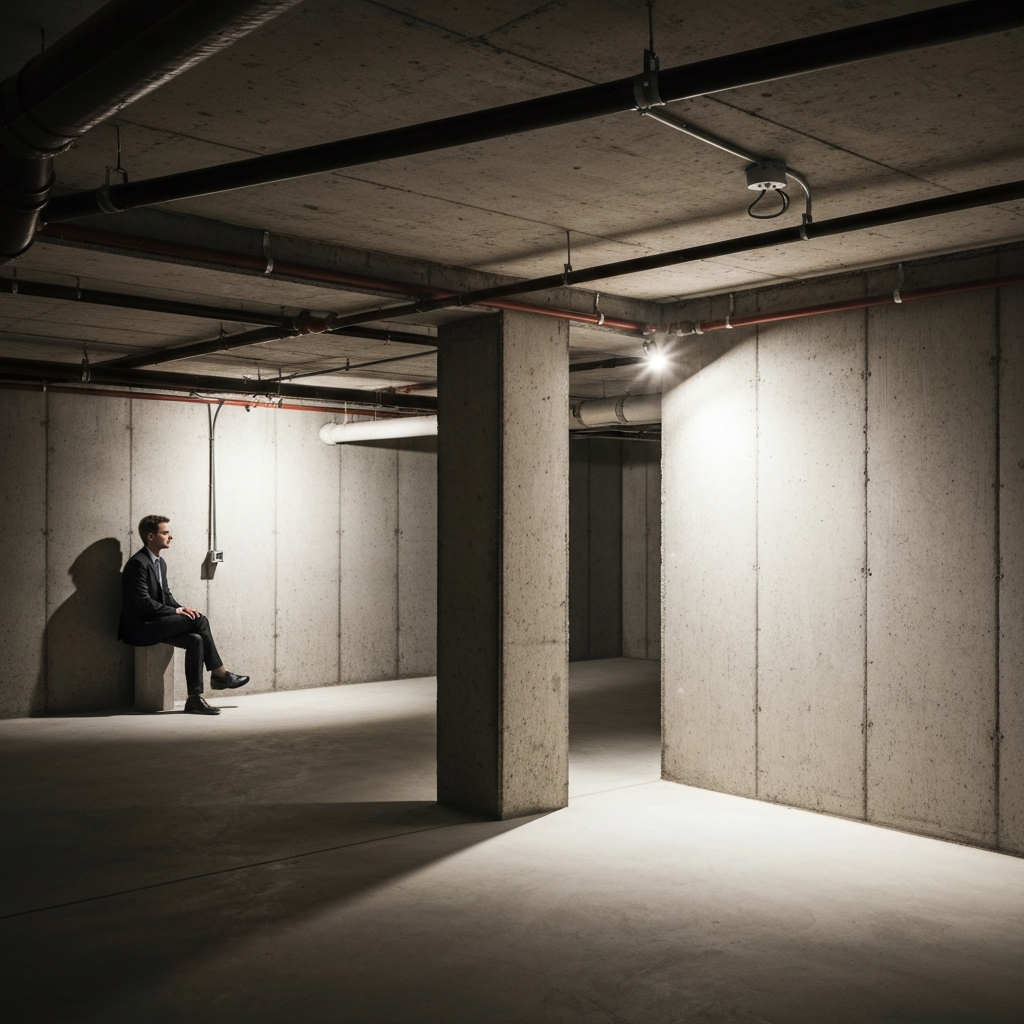
Detecting phrogging can be challenging, as phroggers often go to great lengths to avoid detection. However, certain telltale signs can indicate their presence. Pay close attention to unexplained noises, such as bumps, footsteps, or muffled voices, especially if these sounds are new and frequent. Missing or misplaced items, even seemingly insignificant ones, can also be red flags. Perhaps a small amount of food disappears from the refrigerator, or an item is subtly moved from its usual spot. Changes in your pets' behavior, such as increased anxiety, stress, or barking at specific areas of the house, can also suggest something is amiss. Finally, trust your intuition; a persistent feeling of being watched should not be ignored.
Step 3: What to Do If You Suspect Phrogging
Taking Action Safely
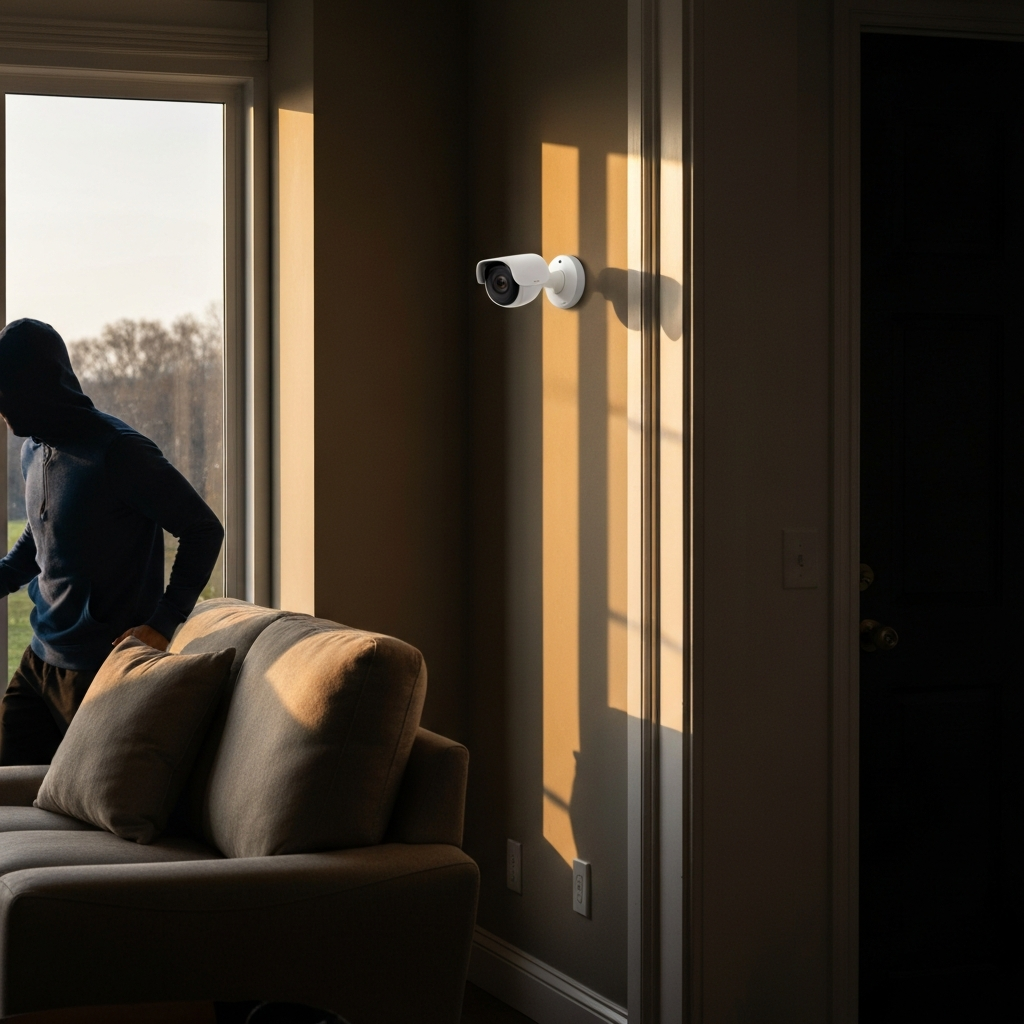
If you suspect phrogging, your safety and the safety of your household are paramount. Do not attempt to confront or investigate the situation on your own. Instead, carefully check less frequented areas of your home, such as the basement, attic, and crawl spaces, but do so cautiously. Install security cameras at potential entry points to deter intruders and provide evidence. Take careful note of any missing or moved items. Most importantly, contact the police immediately and explain your concerns. Allow law enforcement professionals to handle the situation. If you feel unsafe in your home, consider staying elsewhere temporarily until the matter is resolved.
Step 4: Differentiating Phrogging from Squatting
Understanding the Legal Differences
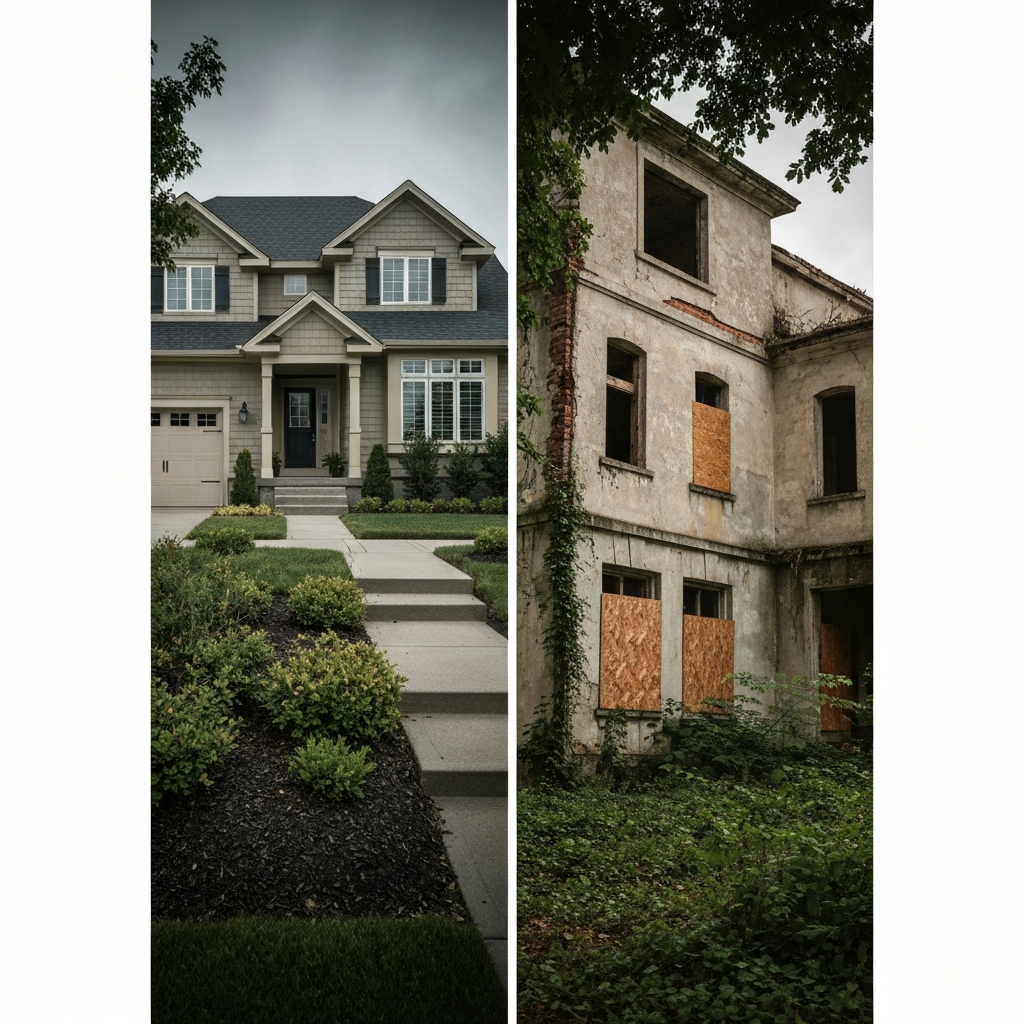
While both phrogging and squatting involve unauthorized occupation of property, key differences exist. Phrogging, as discussed, involves secretly living in an occupied residence without the owner's consent. Squatting, on the other hand, typically occurs in abandoned or unoccupied properties. Squatters often aim to establish long-term residency and potentially gain legal rights to the property over time, whereas phroggers tend to seek temporary shelter and avoid detection. Legally, phrogging can lead to more severe charges, as it involves trespassing on occupied property and potentially theft or other crimes against the residents. Squatting laws vary by jurisdiction, and squatters may have certain legal protections if they meet specific criteria.
Step 5: Implementing Preventative Measures
Protecting Your Home
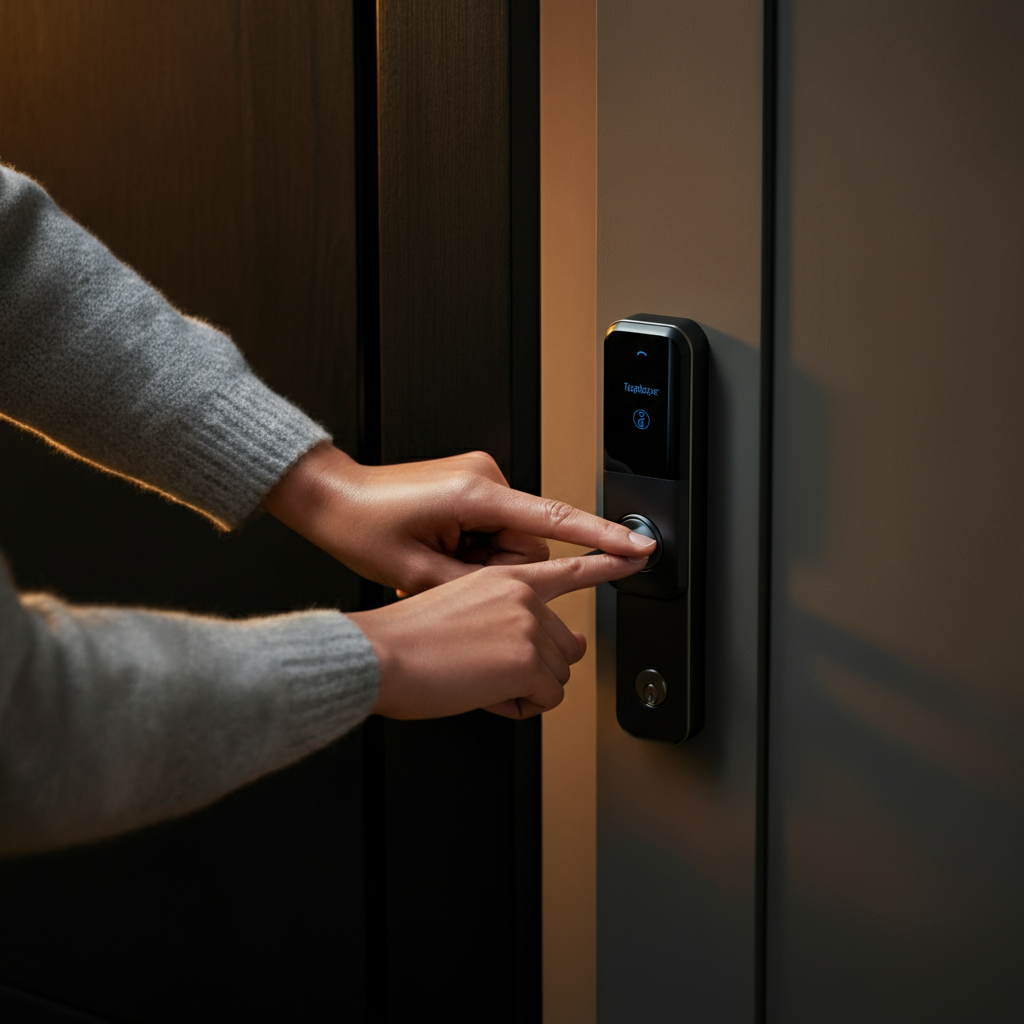
Taking proactive steps can significantly reduce your risk of becoming a victim of phrogging. Ensure all doors and windows are securely locked, and consider installing a home security system with alarms and cameras. Regularly inspect your property, paying particular attention to less frequented areas like the basement, attic, and crawl spaces. Trim shrubs and bushes around your home to eliminate potential hiding spots. Be mindful of who has access to your home's keys or entry codes, and change locks if necessary. Building a strong relationship with your neighbors and maintaining open communication can also help deter potential intruders.
Safety Considerations
Your personal safety is paramount. Never confront a suspected phrogger on your own. Always contact the police and allow them to handle the situation. If you feel unsafe in your home, leave immediately and seek temporary shelter elsewhere. Be aware of your surroundings and trust your instincts. Taking these precautions can help protect yourself and your family from potential harm.
FAQ Section
Q: Is phrogging really that common?
A: No, phrogging is relatively rare. However, the potential consequences can be severe, so it's important to be aware of the risks and take preventative measures.
Q: Where is phrogging most likely to occur?
A: Larger homes with multiple hiding places and easy access points may be more attractive to phroggers. However, any home can be vulnerable.
Q: What legal recourse do I have if I discover a phrogger in my home?
A: Contact the police immediately. Phrogging is illegal and can result in charges of trespassing, vandalism, or burglary.
Conclusion
Phrogging, while rare, is a real concern that can impact your sense of security and well-being. By understanding what phrogging is, recognizing the potential signs, and taking proactive preventative measures, you can significantly reduce your risk. Remember to prioritize your safety and always contact the police if you suspect phrogging is occurring. Staying informed and vigilant is the best way to protect your home and family from this unusual form of intrusion.