Ears, often overlooked, are fascinating features that contribute significantly to our appearance and, according to some beliefs, even our personality. While beauty standards are diverse and constantly evolving, the size and shape of one's ears can sometimes be a source of self-consciousness. This guide aims to provide a balanced perspective on "big ears," exploring their potential symbolic meanings, associated personality traits, and, most importantly, practical styling tips to embrace or minimize their appearance based on personal preference.
Beyond aesthetics, some cultures and physiognomic traditions view larger ears as auspicious, signifying prosperity, good luck, and intelligence. Understanding these perspectives can help shift the focus from perceived flaws to potential strengths and positive attributes. Regardless of your personal views, this guide offers insightful information and practical advice to navigate the world with confidence, regardless of your ear size.
Whether you're seeking to embrace your unique features or explore ways to style your hair and accessories to create a different look, this guide provides actionable steps and expert insights to help you feel comfortable and confident in your own skin.
Step 1: Understanding the Cultural Significance and Perceived Personality Traits
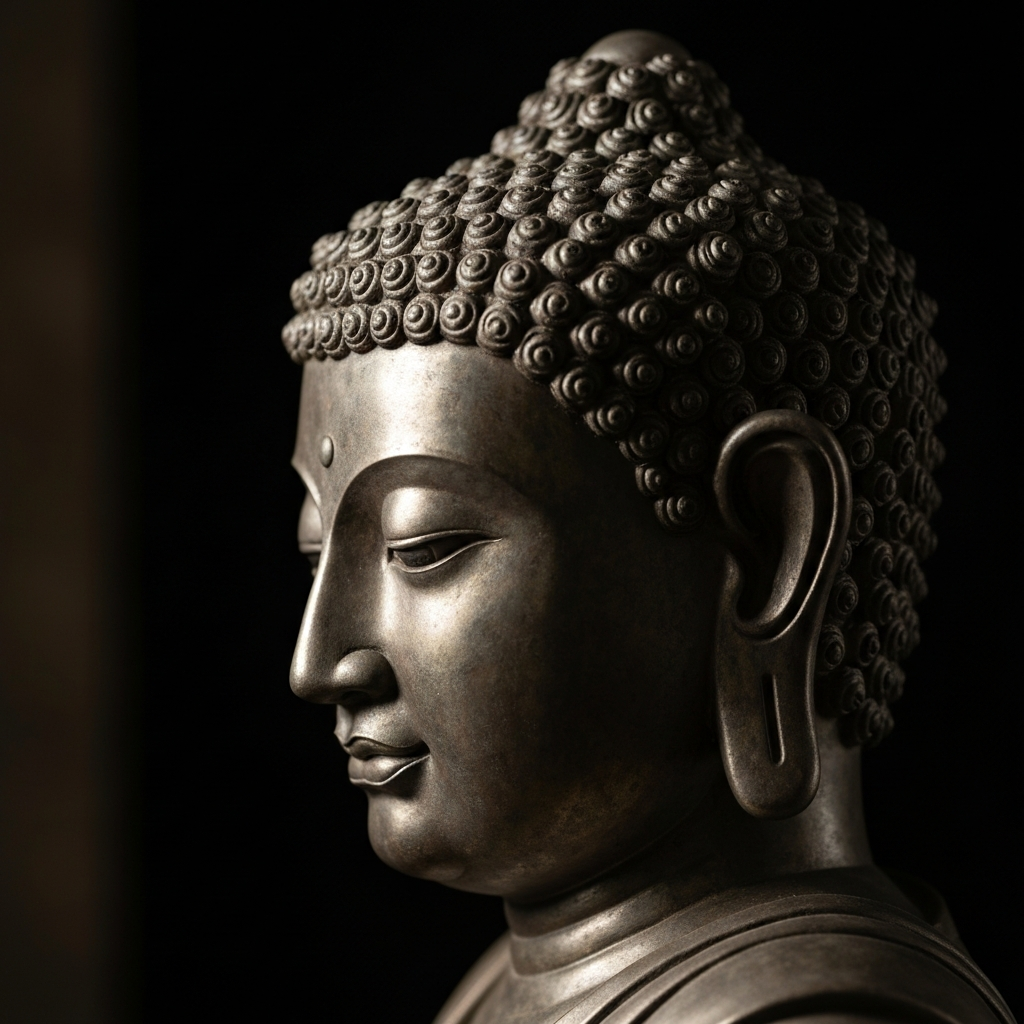
Before diving into styling techniques, it's beneficial to understand the diverse perspectives surrounding big ears. In some cultures, particularly in Asia, large ears are considered a sign of good luck, prosperity, and intelligence. This belief is rooted in historical figures like Siddhartha Buddha, who is often depicted with large ears symbolizing his noble birth and spiritual enlightenment. Furthermore, physiognomy, the art of assessing personality based on facial features, often associates large ears with traits like resilience, level-headedness, and independence. Acknowledging these positive associations can help reframe any negative self-perception.
Step 2: Hair Styling Strategies for Complementing Big Ears
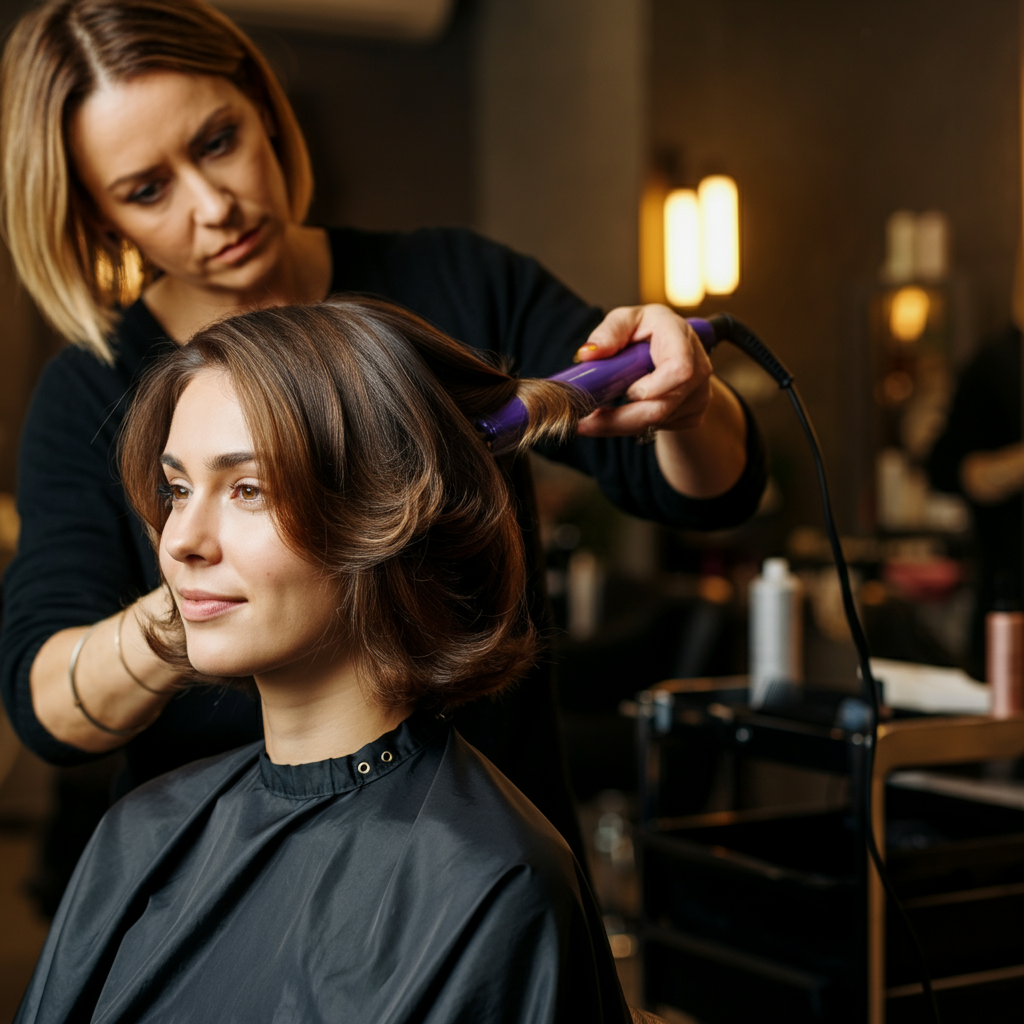
Hair styling is a powerful tool for influencing how your ears are perceived. A longer hairstyle that falls around the ears can naturally soften their appearance. Consider incorporating layers, particularly around the face, to create movement and draw attention away from the ears. Face-framing pieces are particularly effective. Avoid hairstyles that are slicked back or pulled tightly away from the face, as these will accentuate the ears. Texturized styles with waves or curls can also add volume and visual interest, further minimizing the prominence of the ears.

Step 3: Mastering the Art of Face-Framing
Directing attention to your face is key. Hairstylist Hannah Metz suggests styling hair towards the face and adding curls that are curled away from the face to add volume. The goal is to create a balanced and harmonious look where the ears are not the primary focus. Never tuck hair behind the ears. Face-framing layers should always remain in front of the ears to help diminish their appearance. Experiment with different partings and styles to find what works best for your face shape and hair type.
Step 4: Accessorizing Strategically: Hats and Scarves
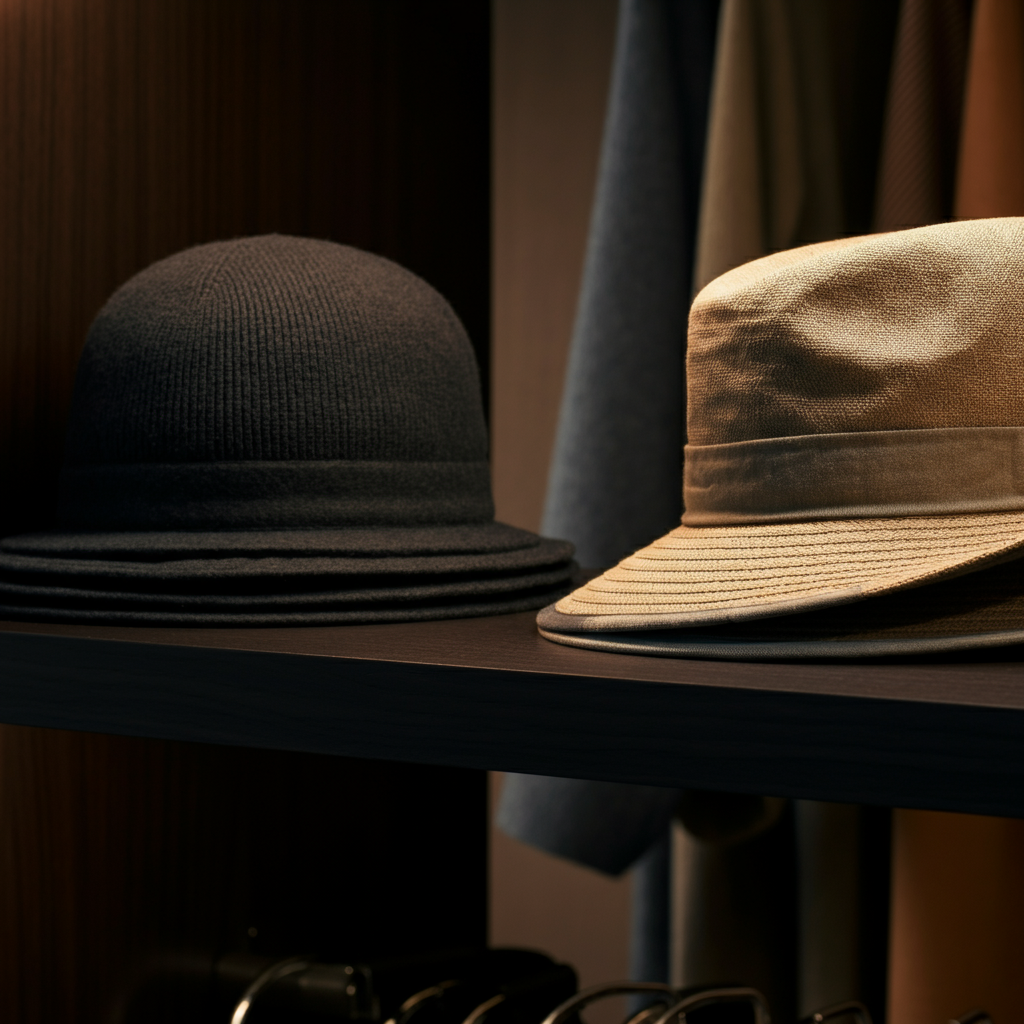
Accessories can be valuable allies in styling big ears. Hats, in particular, are versatile and can be adapted to various occasions. Beanies are excellent for the colder months, keeping ears warm and close to the head. Baseball caps offer a casual and sporty look, while wide-brimmed hats are perfect for sunny days. When selecting a hat, prioritize one that complements the proportions of your face. Scarves can also be used to subtly cover the ears or add visual interest around the neck and face, diverting attention from the ears.
Step 5: Understanding the Genetics and Aging Process
It's important to remember that ear size is largely determined by genetics. Just like other physical features, your ear shape and size are inherited from your parents. Furthermore, ears tend to grow larger as we age due to cartilage growth and loss of elasticity. This natural aging process affects everyone, and understanding it can help normalize any perceived changes in ear size over time. While some genetic conditions can also influence ear size, in most cases, it's simply a matter of natural variation.

Common Mistakes to Avoid
- Overly short haircuts: These expose the ears more prominently.
- Slicked-back hairstyles: These accentuate the ears by pulling hair away from the face.
- Ignoring face shape: Choose hats and hairstyles that complement your face shape, not just your ears.
- Focusing solely on the ears: Remember to consider the overall balance and harmony of your appearance.
FAQ Section
Q: Can large ears affect my hearing?
A: No, ear size does not affect hearing ability.
Q: Is there a way to permanently reduce the size of my ears?
A: Surgical options like otoplasty can reshape or reduce ear size, but it's essential to consult with a qualified surgeon to discuss the risks and benefits.
Q: Are there any exercises that can make my ears smaller?
A: No, there are no exercises that can change the size of your ears.
Pro Tips
Experiment with different hairstyles and accessories to find what makes you feel most confident. Consider consulting with a stylist who can provide personalized recommendations based on your face shape, hair type, and personal style. Remember that confidence is the most attractive accessory of all.
Safety Considerations
If considering surgical options, thoroughly research qualified and experienced surgeons. Be aware of the potential risks and complications associated with surgery. Prioritize your health and well-being above all else.
In conclusion, understanding the cultural perceptions, employing strategic styling techniques, and embracing self-acceptance are key to navigating the world with confidence, regardless of ear size. Focus on highlighting your best features and cultivating a positive self-image, and remember that beauty comes in many forms.