Independent service, sometimes called "car preference" or "VIP" mode, is a special operating setting found on many elevators. This mode allows you to bypass the normal call-response system, essentially taking direct control of the elevator car. When activated, the elevator will ignore all hall calls (calls from buttons outside the elevator) and respond only to the floor selection buttons inside the car. This is particularly useful when moving large items, prioritizing a passenger, or when quick, uninterrupted travel is required.
Understanding how to properly engage and disengage independent service is crucial for building staff, maintenance personnel, and anyone authorized to use this feature. Improper use can disrupt elevator service for other users and potentially create safety hazards. Always ensure you have proper authorization and training before attempting to operate an elevator in independent service.
This guide will provide a clear, step-by-step process on how to safely and effectively operate an elevator in independent service. We'll cover everything from locating the necessary controls to returning the elevator to normal operation.
Step 1: Call the Elevator and Clear Occupants
First, you need to get the elevator to your floor. Use the standard call buttons (up or down) on the hallway panel to summon the elevator. Once the elevator arrives, before engaging independent service, politely inform any current passengers that you need to use the elevator for a special purpose and request they exit. Explain that they can simply call the elevator again once you're finished. Remember to prioritize passenger safety and courtesy. If the elevator utilizes destination dispatch, you may need an access code to use the standard call buttons.

Step 2: Locate the Independent Service Switch
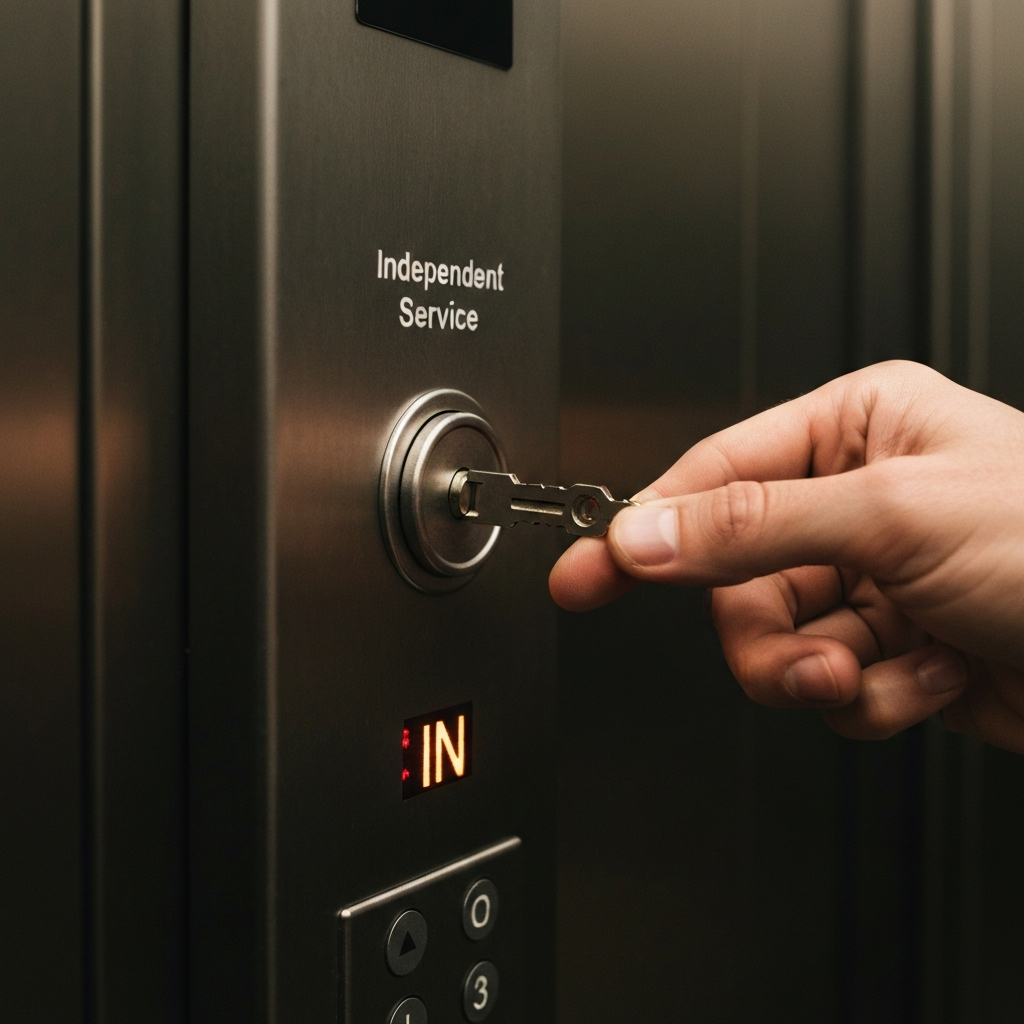
The independent service switch is typically located inside the elevator car, often within a locked cabinet or behind a panel near the floor selection buttons. Look for a small, rectangular door with a keyhole. In some elevators, the keyswitch may be located directly above or below the floor buttons. The switch may be labeled "Independent Service," "Car Preference," "VIP," or simply "IN". Familiarize yourself with the location of this switch in the elevators you're authorized to operate.
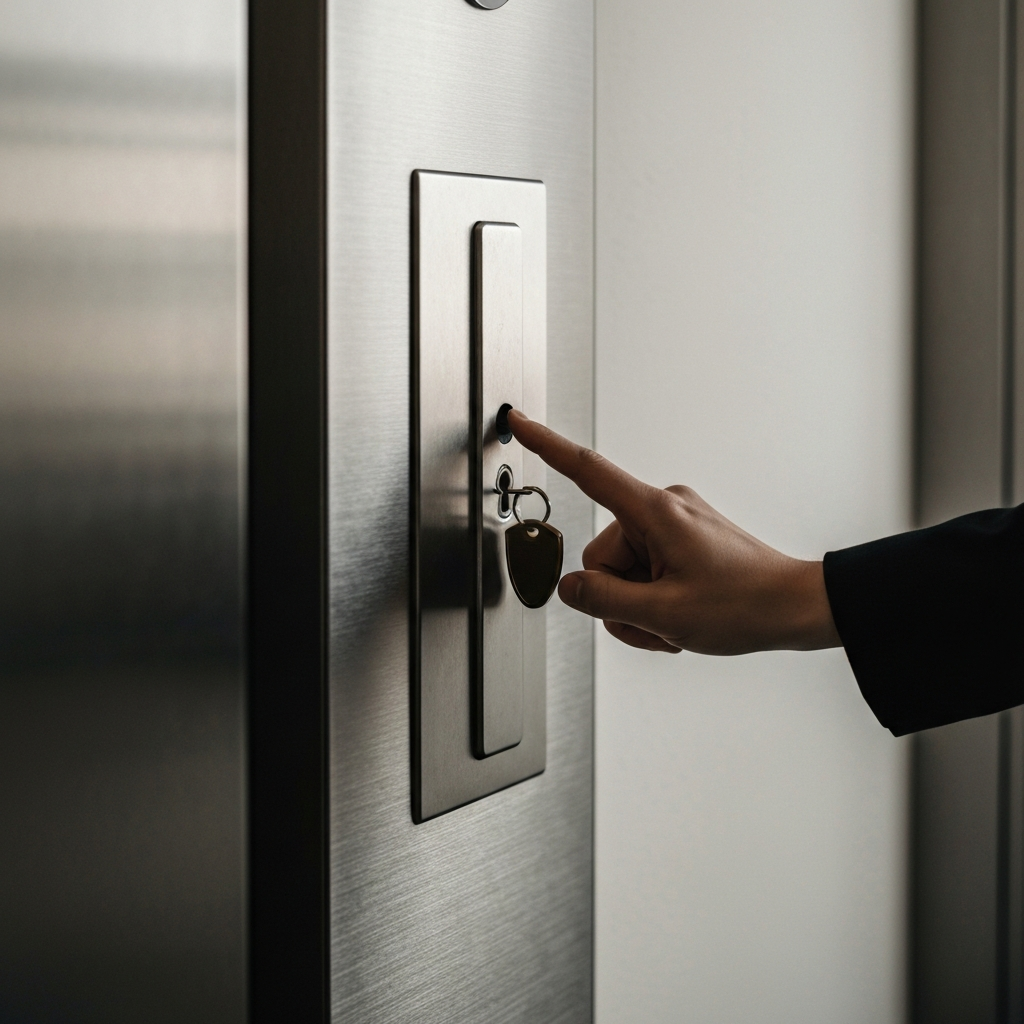
Step 3: Activate Independent Service
Insert the elevator key into the keyswitch. Turn the key to the "ON," "INDEPENDENT," or "VIP" position. The exact terminology may vary depending on the elevator manufacturer. Once activated, the floor indicator inside the elevator should display "IN," "Independent Service," or a similar indication that the mode is engaged. Verify that the hall call buttons are no longer illuminated, confirming that the elevator is no longer responding to outside calls. If the indicator doesn't change, double check the key is inserted correctly and the key is turned fully into the correct position.
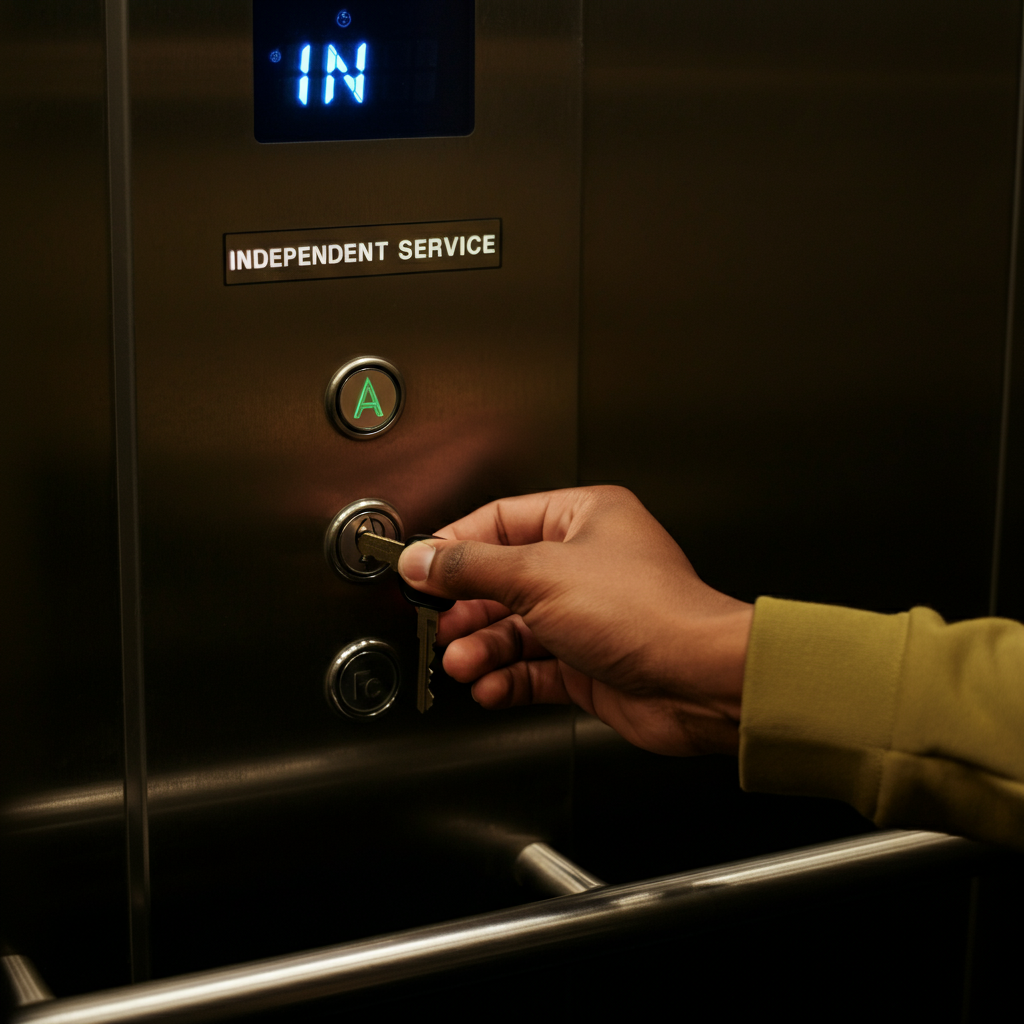
Step 4: Close the Elevator Doors
Elevators often have safety features that prevent movement while the doors are open. To initiate movement in independent service mode, you must first ensure the doors are fully closed. Press and hold the "Door Close" button (usually labeled with a converging arrow symbol) until the doors are completely shut. Maintain constant pressure on the button until the doors are sealed to avoid them reopening prematurely. Some older elevators may require you to hold the floor button to initiate door closure if there is no dedicated 'Door Close' button.
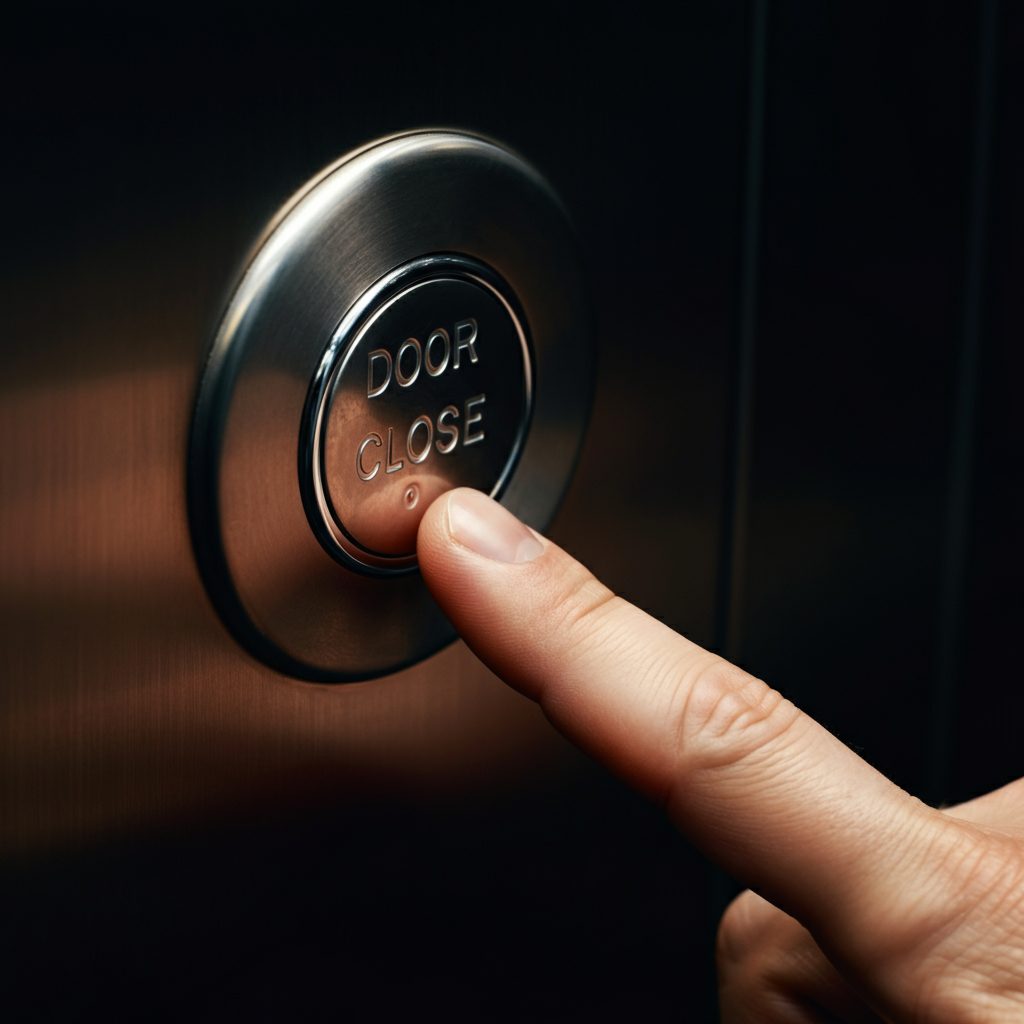
Step 5: Select Your Destination Floor
Once the doors are closed, select your desired floor by pressing the corresponding floor button. The button should illuminate, indicating your selection. In some elevators, you may need to hold the floor button down until the elevator begins to move, especially if a dedicated door close button is absent. Be sure that the button remains illuminated. If the elevator fails to move, start the process over at step 4.
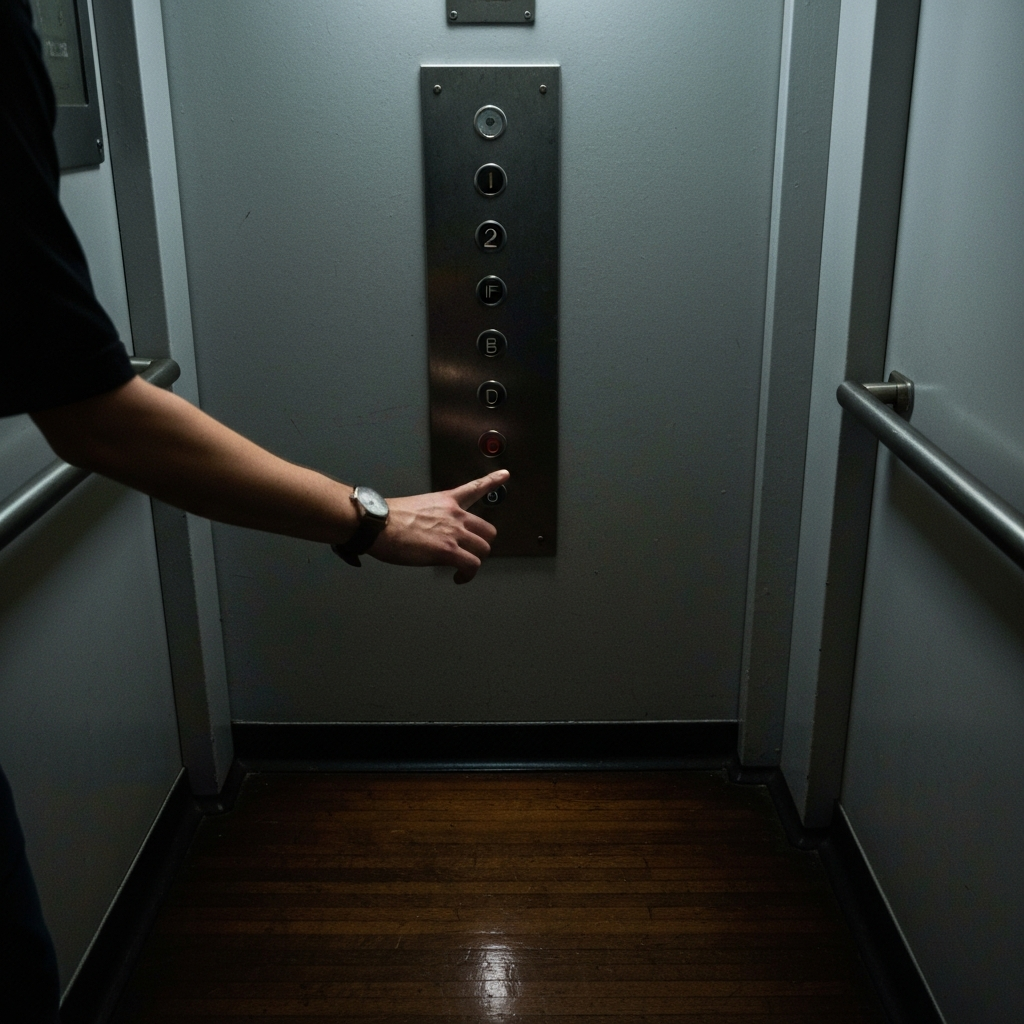
Step 6: Manually Open the Doors Upon Arrival
Upon arriving at your destination floor, the elevator may or may not automatically open the doors. In many cases, especially in independent service mode, you will need to manually open the doors by pressing and holding the "Door Open" button (usually labeled with diverging arrows). Keep the button pressed until the doors are fully open. Releasing the button prematurely may cause the doors to partially close or stop opening.
Step 7: Return to Normal Service
Once you have completed your task, it is crucial to return the elevator to normal operating mode. Insert the key back into the independent service switch and turn it to the "OFF," "GROUP," or equivalent position. The "IN" or "Independent Service" indicator on the floor display should disappear. Verify that the elevator responds to hall calls by pressing a floor button outside the elevator to confirm it is back in normal operational mode. Remove the key and store it securely.
Safety Considerations
Operating an elevator in independent service carries inherent responsibilities. Never use independent service without proper authorization and training. Be mindful of other users and ensure that returning the elevator to normal service is a priority. If you are transporting heavy or bulky items, take extra precautions to avoid damage to the elevator car or injury to yourself. Never exceed the elevator's weight capacity.
Common Mistakes to Avoid
A common mistake is forgetting to return the elevator to normal service, which can inconvenience other users. Another mistake is failing to properly close the doors before selecting a floor, preventing the elevator from moving. Always double-check each step to ensure proper execution. Finally, attempting to use independent service without proper authorization or knowledge of the system is a serious error.
Pro Tips
Familiarize yourself with the specific procedures and features of each elevator you are authorized to operate, as they may vary slightly depending on the manufacturer and model. Before commencing use, test the door open and close functions in independent service to ensure they are functioning correctly. Always communicate clearly with any individuals who may be affected by your use of independent service.
FAQ Section
Q: What if the elevator doesn't respond after I engage independent service?
A: Ensure the doors are fully closed and the floor button is properly selected. Double-check that the independent service switch is fully engaged. If the problem persists, consult with elevator maintenance personnel.
Q: Can I use independent service during a fire alarm?
A: No. Elevators should not be used during a fire alarm. Use the stairs instead.
Q: Who is authorized to use independent service?
A: Only authorized personnel, such as building staff, maintenance technicians, or security personnel, should use independent service.
Conclusion
Operating an elevator in independent service provides a valuable capability for specific situations. However, it is essential to approach this function with a clear understanding of the procedures, safety considerations, and potential pitfalls. By following the steps outlined in this guide and always prioritizing safety and courtesy, you can effectively utilize independent service while minimizing disruption to other elevator users.