Living with others, be it family, roommates, or partners, can be a wonderful experience filled with shared laughter and mutual support. However, it also presents a unique challenge: maintaining personal privacy. In today's fast-paced world, having a sanctuary within your own home is crucial for mental well-being and overall productivity. The constant feeling of being observed or accessible can lead to stress, burnout, and a diminished sense of self.
This guide is designed to provide practical, actionable steps to carve out your own private space and time, even in the most crowded living situations. We'll explore creative solutions, communication strategies, and lifestyle adjustments that will help you reclaim your personal space and foster a healthier, more balanced home environment. Remember, prioritizing your privacy isn't selfish; it's an essential component of self-care.
Let's embark on this journey towards creating a more private and peaceful home life, where you can recharge, reflect, and simply be yourself without the constant awareness of others.
Step 1: Defining Your Privacy Needs
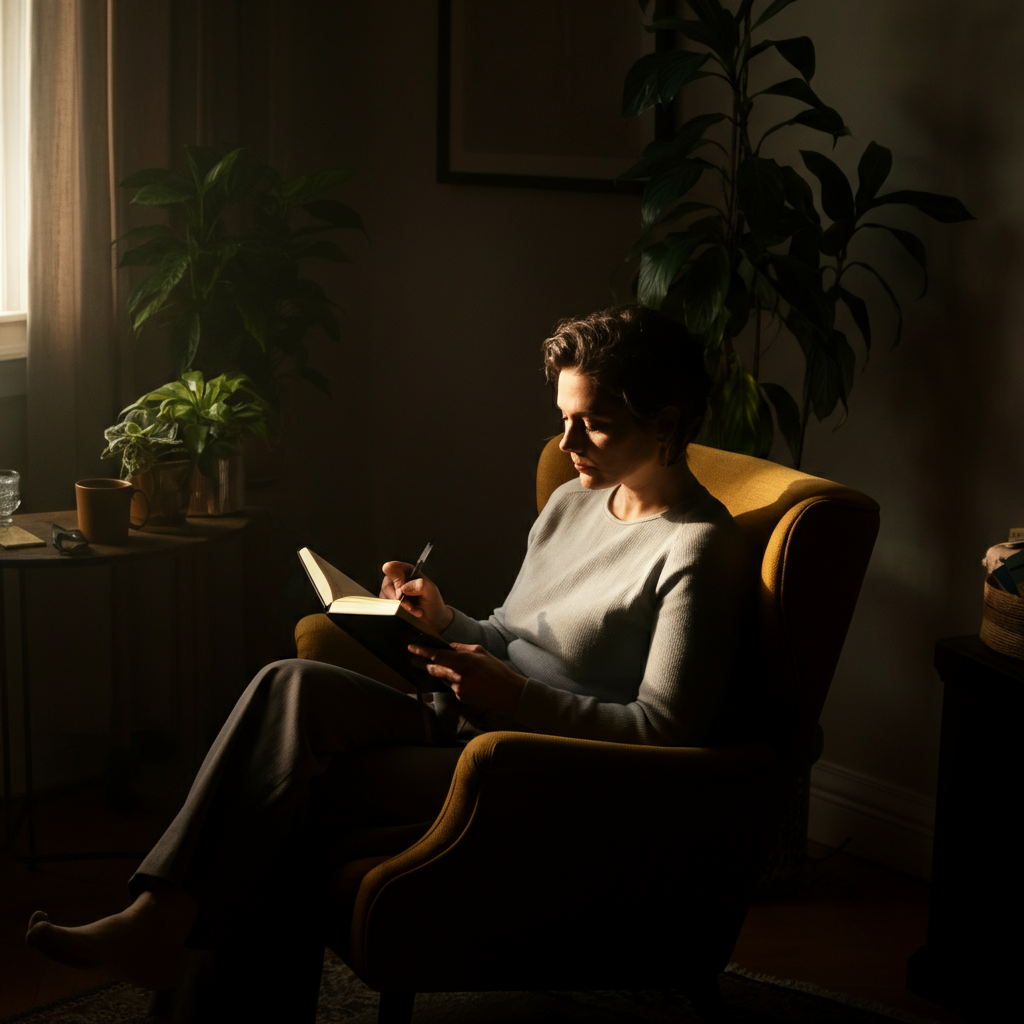
Before you can address the lack of privacy, it's essential to identify precisely what you need. Ask yourself: What activities do you need privacy for? Where do you feel most exposed? What times of day are most critical for your alone time? Are you looking for a quiet workspace, a personal relaxation zone, or simply the ability to change clothes without feeling observed? Understanding your specific needs will allow you to tailor your approach and implement the most effective solutions. Consider a journal entry or a brief period of quiet reflection to pinpoint these needs.
Step 2: Creating Physical Boundaries
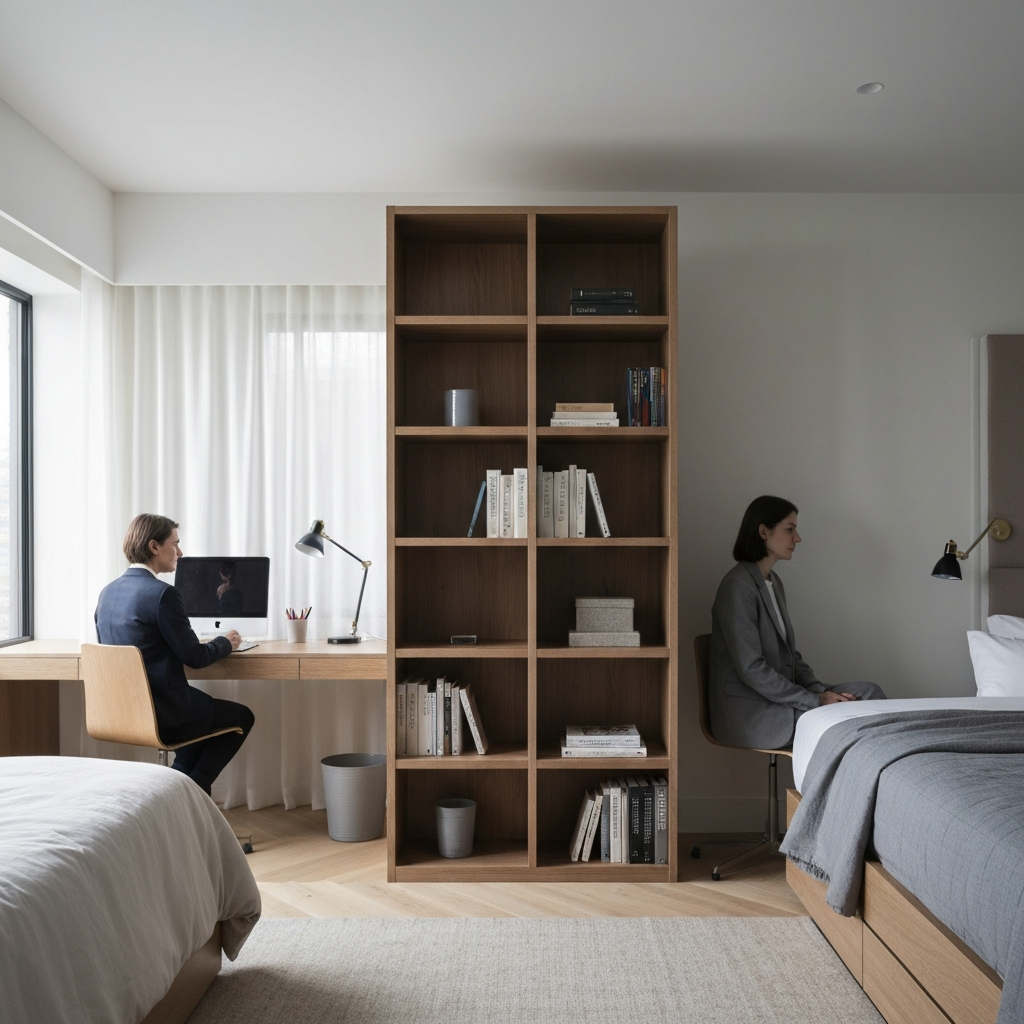
When sharing a living space, physical boundaries are crucial for establishing a sense of personal territory. If you share a bedroom, consider using room dividers, curtains, or even strategically placed furniture like bookshelves to delineate your personal area. A tall bookcase can act as both a storage solution and a visual barrier, creating a sense of separation and privacy. In shared living spaces, identify a corner or area that can be designated as your own. A small table and chair, accompanied by a potted plant or screen, can transform a corner of the living room into a private workspace or relaxation zone.
Step 3: Establishing a Communication Protocol
Open and honest communication is paramount when sharing a living space. Talk to your housemates or family members about your need for privacy and establish clear boundaries. This might involve setting rules about knocking before entering your room, respecting designated "quiet times," or avoiding unnecessary interruptions when you're working or studying. Frame your requests in a positive and considerate manner, explaining how respecting your need for privacy will ultimately benefit everyone's well-being. Using "I" statements can be very effective, for example: "I feel more productive when I have an hour of uninterrupted time in the morning."

Step 4: Leveraging Technology and Sound Management
In a noisy environment, technology can be your best friend. Noise-canceling headphones are an excellent tool for creating a personal sound bubble, allowing you to focus on work, enjoy music, or simply escape the surrounding chaos. Consider investing in a white noise machine or downloading a white noise app to mask distracting sounds and promote relaxation. If conversations are a source of disturbance, explore soundproofing options for your room, such as thick curtains, rugs, or acoustic panels. Don't underestimate the power of a simple "Do Not Disturb" sign on your door.

Step 5: Seeking Solitude Outside the Home
Sometimes, the most effective way to gain privacy is to leave the house altogether. Take advantage of public spaces like libraries, coffee shops, parks, or museums to enjoy some alone time. A walk in nature can be incredibly restorative, providing a sense of peace and tranquility that's difficult to achieve within the confines of a busy household. Consider joining a club, volunteering, or taking a class to create opportunities for regular "escape" time. Even a short drive can provide a much-needed change of scenery and a sense of freedom.

Common Mistakes to Avoid
- Failing to communicate your needs clearly.
- Assuming others understand your boundaries without explicitly stating them.
- Neglecting to create physical boundaries in shared spaces.
- Becoming passive-aggressive instead of addressing the issue directly.
- Not seeking external solutions when home privacy is consistently compromised.
Pro Tips
- Create a shared calendar to schedule "alone time" in communal areas.
- Use lighting strategically to create a more private and relaxing atmosphere.
- Designate specific chores or responsibilities to each household member to reduce shared burdens.
- Explore creative storage solutions to minimize clutter and maximize personal space.
- Remember that compromise is key; be willing to adjust your expectations and accommodate the needs of others.
FAQ Section
- Q: What if my family/roommates consistently ignore my boundaries?
- A: It may be necessary to have a more serious conversation, emphasizing the impact their actions have on your well-being. If the behavior persists, consider seeking mediation or exploring alternative living arrangements.
- Q: How can I politely ask for privacy without sounding rude?
- A: Use "I" statements and focus on your own needs and feelings. For example, "I need some quiet time to focus on this project, so I'd appreciate it if I could have some uninterrupted time."
- Q: Is it selfish to prioritize my privacy when living with others?
- A: No, it's not selfish. Everyone needs personal space and time to recharge. Taking care of your own well-being is essential for maintaining healthy relationships with others.
In conclusion, reclaiming your privacy at home is an achievable goal with the right strategies and mindset. By defining your needs, creating physical boundaries, communicating effectively, and leveraging technology, you can cultivate a personal sanctuary within your living space. Remember, prioritizing your privacy is not a luxury; it's an essential component of self-care and a key ingredient for a harmonious and balanced home life. Be patient, persistent, and willing to adapt your approach as needed, and you'll be well on your way to creating a more private and peaceful home environment.