Across cultures and throughout history, humanity has sought to understand and connect with the natural world. One common way this connection manifests is through the concept of nature deities – gods, goddesses, spirits, and other supernatural beings believed to embody or control aspects of the environment. Understanding these deities offers insight into a culture's values, beliefs, and relationship with the world around them.
From the mighty sky gods of thunder to the gentle spirits residing in forests and rivers, nature deities are incredibly diverse. Some are associated with specific locations or natural phenomena, while others represent broader concepts like fertility, abundance, or destruction. Learning about these figures allows us to appreciate the rich tapestry of human spirituality and the profound impact of nature on our collective consciousness.
This guide will explore various types of nature deities from around the globe, providing examples and outlining key aspects of their worship and significance. Whether you're an avid mythology enthusiast or simply curious about different cultural perspectives, this exploration into nature deities will provide a richer understanding of the interconnectedness between humanity and the natural world.
Step 1: Understanding Earth Deities
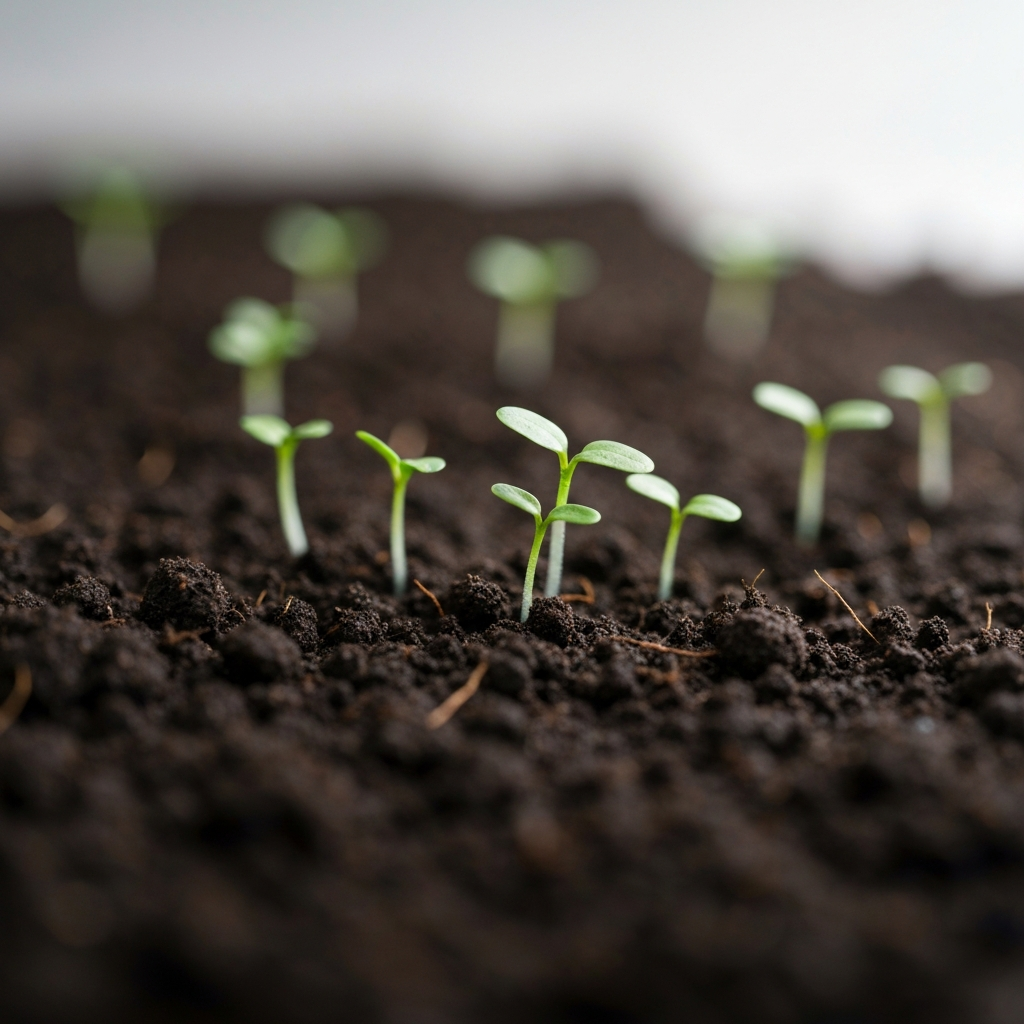
Earth deities represent the very ground beneath our feet, embodying the planet's nurturing and life-giving qualities. They are often associated with fertility, agriculture, and the cycles of life and death. In many cultures, the earth is considered a mother figure, providing sustenance and a foundation for all living things. These deities are frequently honored through rituals involving offerings of food, drink, or other valuable items, reflecting a deep respect for the earth's bounty. Examples include Gaia (Greek), Prithvi (Hindu), and Asase Yaa (Akan).
Step 2: Delving into Sky, Water, and Weather Deities
The sky, water, and weather are powerful forces that have shaped human civilization since its inception. Deities associated with these elements often wield considerable power and are responsible for both life-giving rain and devastating storms. Sun gods are prevalent across many cultures, often depicted as powerful rulers or sources of light and warmth. Water deities can range from benevolent protectors of rivers and oceans to fearsome guardians of the deep. Similarly, weather deities govern the forces of wind, thunder, and lightning. Amaterasu (Japanese Sun Goddess), Varuna (Hindu God of the Oceans), and Thor (Norse God of Thunder) are good examples.

Step 3: Exploring Forest, Land, & Mountain Deities
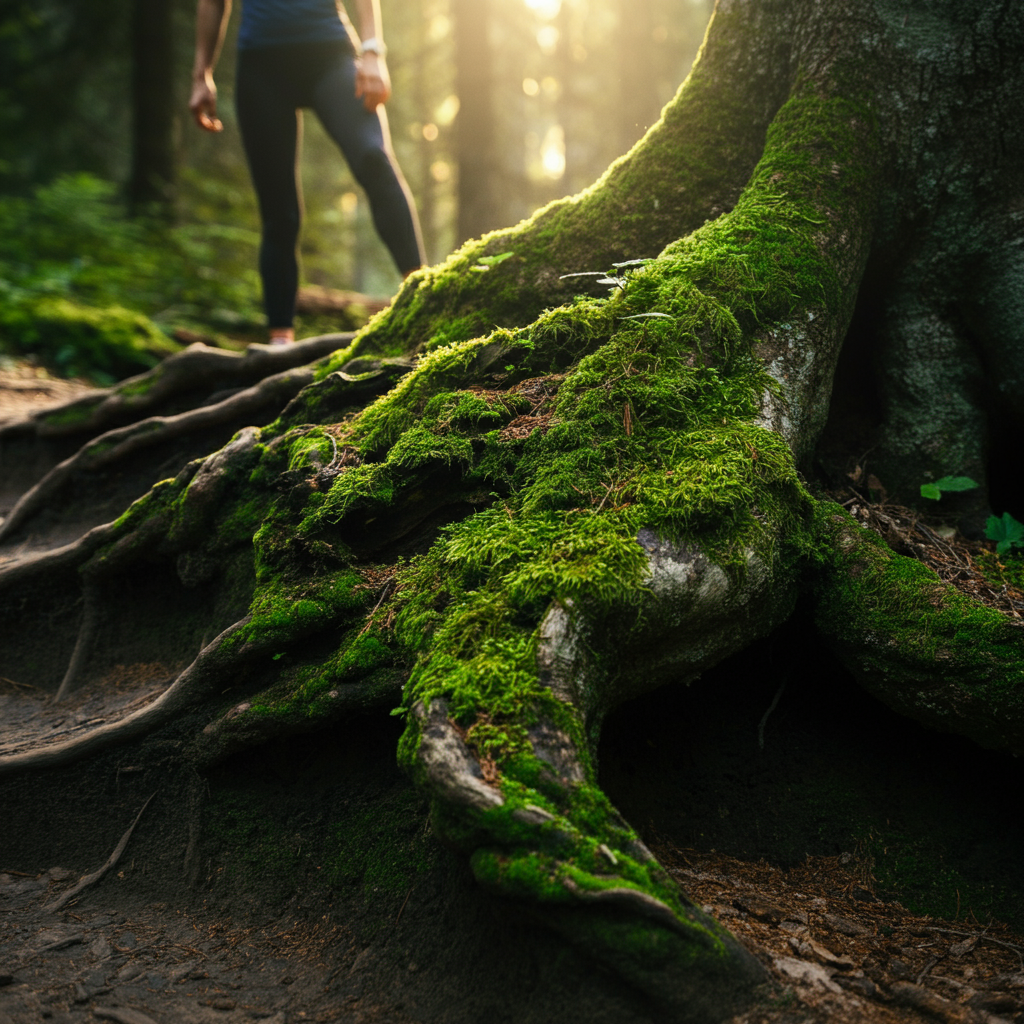
Forests, mountains, and wild lands are often seen as mysterious and dangerous places, requiring the protection of specific deities or spirits. These beings can be guardians of the animals and plants within their domain, or they may represent the untamed aspects of nature. Forest deities are often invoked for guidance in hunting or gathering, while mountain deities are revered for their strength and stability. Examples include Tapio (Finnish God of the Forest), Skaði (Germanic Goddess of the wilderness and mountains) and Curupira (Brazilian Forest Spirit). It is important to acknowledge and respect the protective and sometimes volatile nature of these deities.
Step 4: Understanding Plant, Agriculture, & Fertility Deities
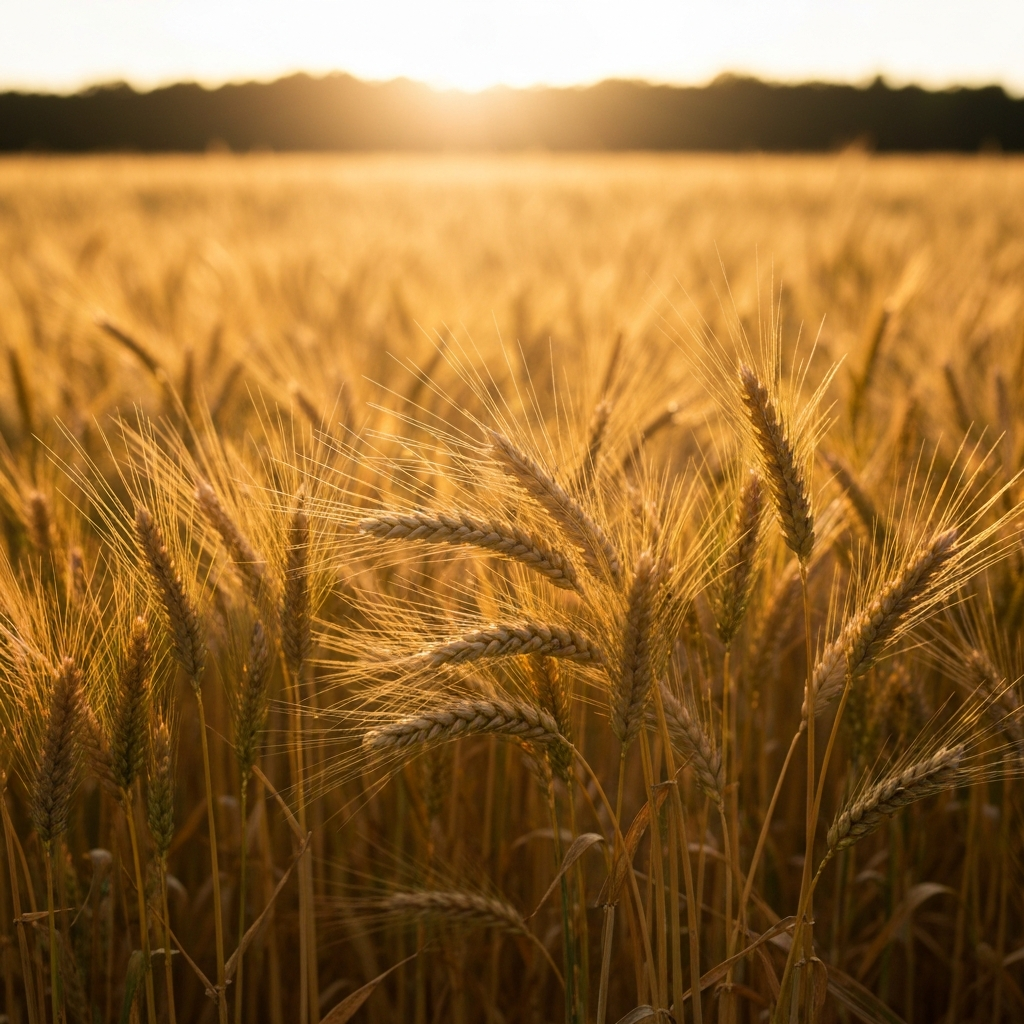
The growth of plants and the fertility of the land are essential for human survival, so deities associated with these aspects are often highly venerated. Agricultural deities oversee the planting and harvesting of crops, ensuring a bountiful harvest for the community. Fertility deities, on the other hand, are responsible for human and animal reproduction, ensuring the continuation of life. These deities are often linked to rituals celebrating the changing seasons, from the spring equinox to the autumnal harvest. Freyja (Norse Goddess of fertility, love, and war), Demeter (Greek Goddess of fertility, harvest, and crops), and Nomkhubulwane (Zulu Goddess of fertility, agriculture, and rain) are excellent examples.
Step 5: Minor Nature Deities and Spirits
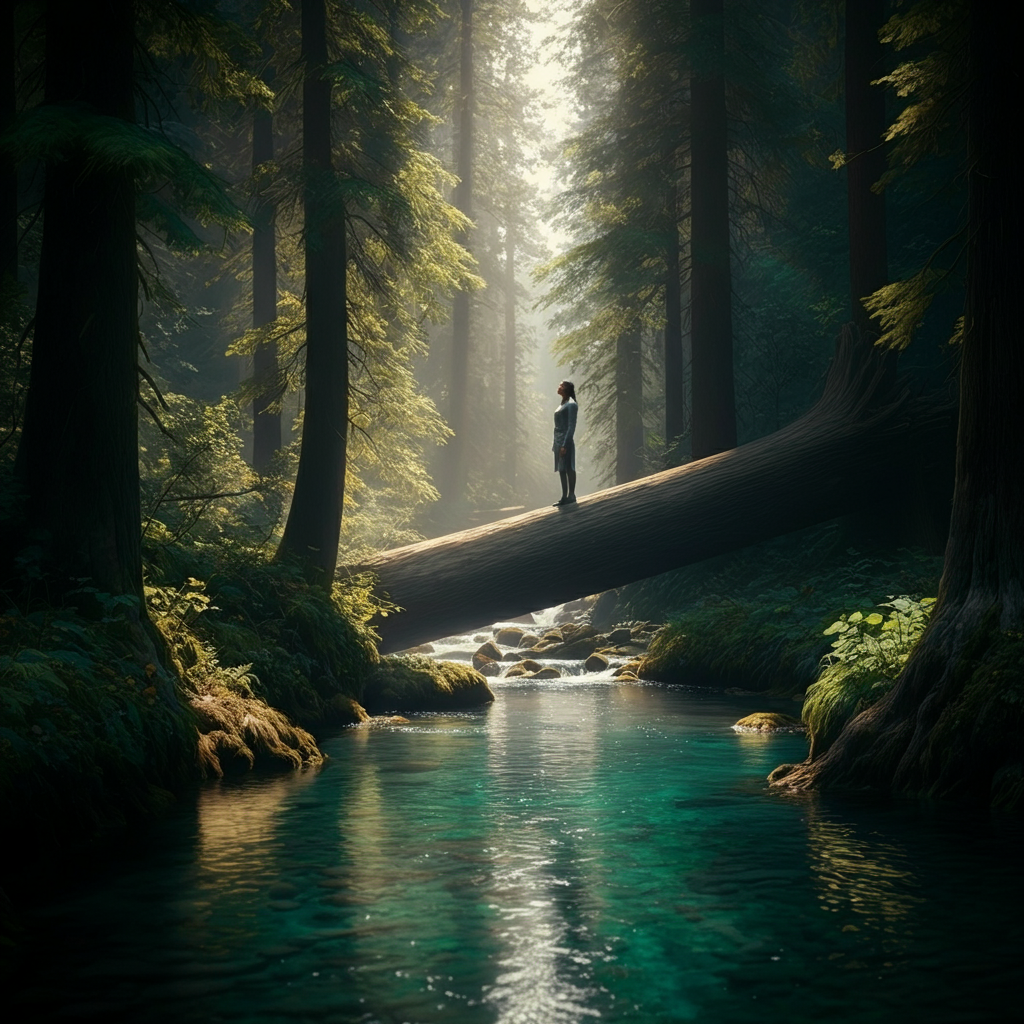
Beyond the major gods and goddesses, many cultures recognize a multitude of minor nature deities and spirits that inhabit specific locations or elements. These beings, such as nymphs, dryads, and elementals, may be associated with individual trees, springs, or rock formations. While they may not wield the same power as the major deities, they are still considered important protectors of their local environments. Ignoring or disrespecting these minor spirits is often seen as inviting bad luck or misfortune. This is a widespread belief in many cultures, linking respect for the natural world with personal well-being. Examples include Dokkaebi (Korean nature spirits) and Anthousai (Greek flower nymphs).
Common Mistakes to Avoid
A common mistake when learning about nature deities is to oversimplify their roles and attributes. Each deity is embedded in a specific cultural context, and their significance can vary widely. Avoid making generalizations or imposing modern interpretations onto ancient beliefs. It's also crucial to be respectful of different cultural traditions and avoid appropriating or misrepresenting their sacred figures.
Safety Considerations
While engaging with the concept of nature deities, it's essential to prioritize safety, especially when exploring natural environments. Always be mindful of potential hazards, such as wildlife, weather conditions, and terrain. If you choose to make offerings, be sure to use biodegradable materials and avoid polluting the environment. Never engage in practices that could harm or disrupt the natural world.
Conclusion
Exploring nature deities offers a profound connection to the history of human belief and the deep-seated reverence for the natural world. By understanding the diverse roles and attributes of these figures, we gain a richer appreciation for the interconnectedness between humanity and the environment. Remember to approach this topic with respect, curiosity, and a commitment to preserving the beauty and balance of our planet.