The nape of the neck, that often-overlooked area at the back of your neck, holds a surprising amount of significance. From its anatomical function and cultural associations to its potential as an erogenous zone, the nape deserves a closer look. This guide will explore the various facets of this fascinating part of the human body.
Whether you're interested in the etymology of the word "nape," curious about its role in different cultures, or simply seeking information on how to care for the skin and hair in this area, this article provides a comprehensive overview. We'll delve into practical considerations, common questions, and expert advice to give you a complete understanding of the nape of the neck.
So, join us as we embark on a journey to uncover the secrets and significance of the nape – a seemingly small area with a rich and complex story to tell.
Step 1: Defining the Nape
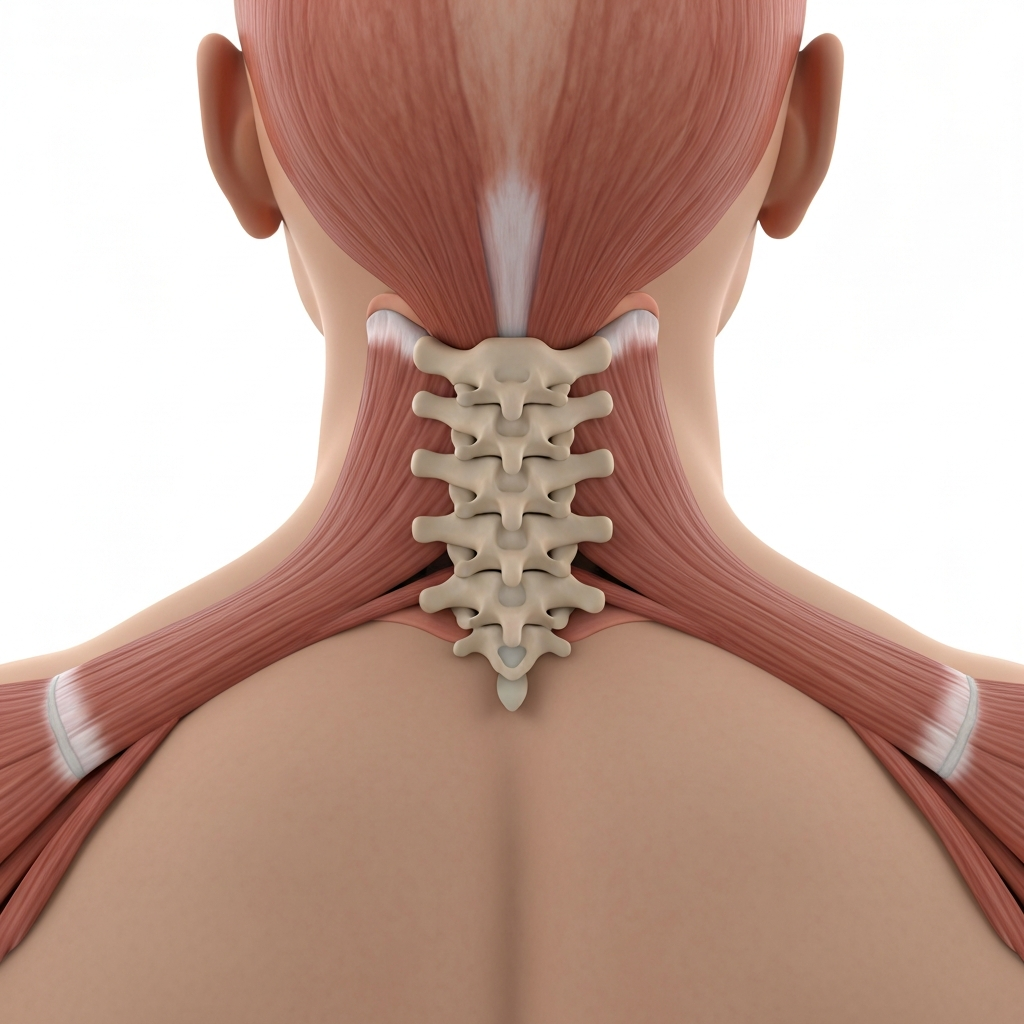
The nape is essentially the back of your neck, specifically the area located just beneath the base of the skull where your hairline begins. Medically, this region is sometimes referred to as the nucha. It's the point where the muscles of your neck connect to the base of your skull, playing a crucial role in supporting your head and facilitating movement. Consider it the anchor point for many of the muscles responsible for head posture and flexibility.
Step 2: Cultural Significance
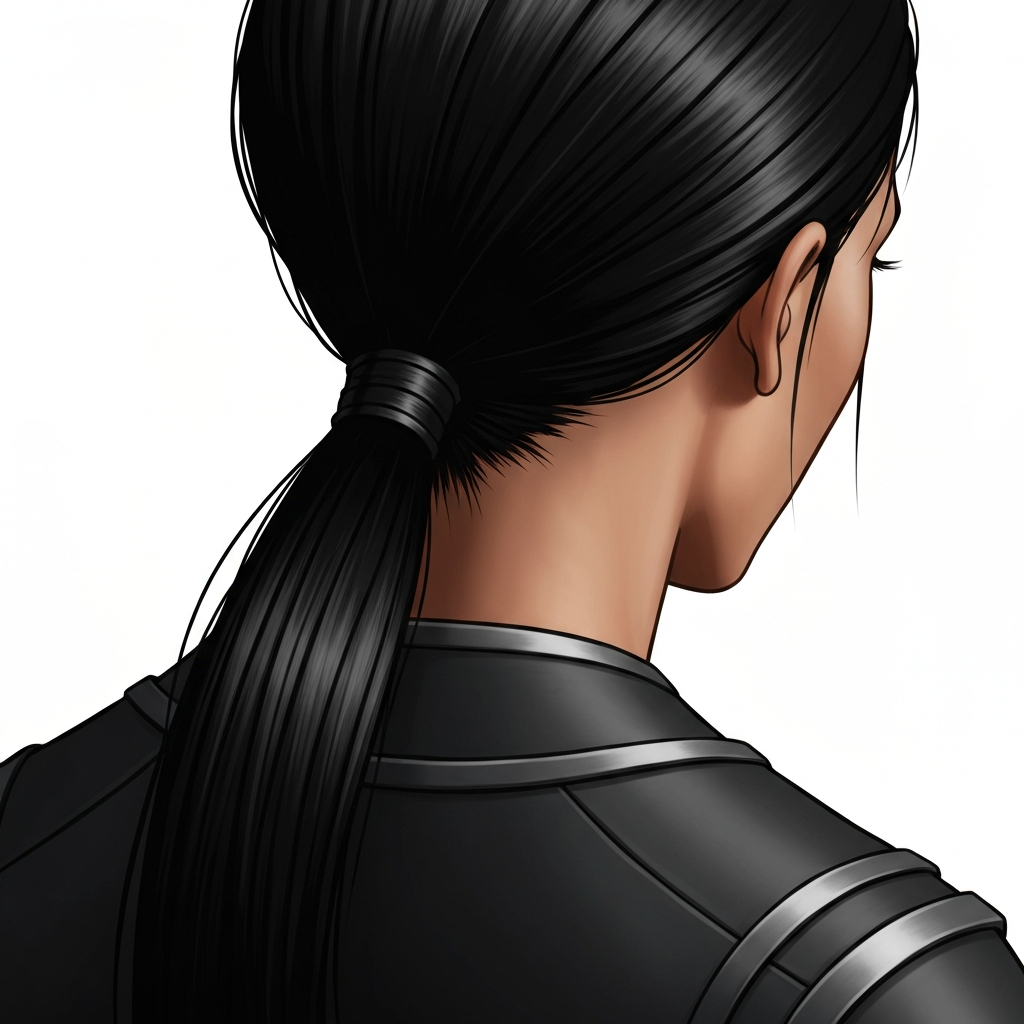
Across various cultures, the nape has held different meanings and connotations. In traditional Japanese culture, for example, the nape of a woman's neck was considered an attractive and even sensual feature. This was because it was one of the few areas of skin that remained uncovered by traditional clothing. Even today, the nape can carry cultural weight, with some schools in Japan having controversially banned ponytails due to concerns that the exposed nape might be sexually provocative.
Conversely, in some Middle Eastern cultures, a slap on the nape of the neck is considered a deeply insulting gesture. It's viewed as a form of disrespect or a disciplinary measure, highlighting the diverse interpretations and cultural sensitivities associated with this seemingly innocuous body part. It's a good reminder that body language and physical contact can have vastly different meanings depending on the cultural context.
Step 3: The Nape as an Erogenous Zone
For many individuals, the nape of the neck is a highly sensitive and erogenous zone. The skin in this area is rich in nerve endings, making it particularly responsive to touch, kisses, and other forms of stimulation. This sensitivity contributes to its appeal as a target area for affectionate gestures and foreplay. The nape's location, nestled at the base of the head and neck, also adds to its intimate nature.
A gentle massage of the neck and shoulders, focusing on the nape, can be incredibly relaxing and pleasurable. The light pressure and kneading motions help to release tension and stimulate blood flow, enhancing the sensitivity of the area. It's a simple yet effective way to enhance intimacy and connection.
Step 4: Caring for the Nape's Skin and Hair
The skin and hair at the nape of your neck often require special attention. The hair in this area can sometimes have a different texture than the rest of your hair, potentially being coarser, shorter, or more prone to tangling. Additionally, the skin at the nape can be susceptible to dryness, irritation, and breakouts due to sweat, friction from clothing, and product buildup.
Tools or Materials Required
- Gentle shampoo and conditioner
- Soft towel
- Moisturizing lotion or cream
- Leave-in conditioner (optional)
- Small scissors or trimmers (for stray hairs)
To properly care for the nape, start by washing the area regularly with a gentle shampoo and conditioner. After washing, gently pat the area dry with a soft towel to avoid irritation. Apply a moisturizing lotion or cream to keep the skin hydrated and prevent dryness. If you have longer hair, consider using a leave-in conditioner to detangle and protect the hair at the nape. Finally, trim any stray hairs to maintain a neat and tidy appearance. Pay attention to ingredients and avoid harsh chemicals that can irritate the skin.

Step 5: Nape Piercings
Nape piercings, also known as surface piercings, are a form of body modification that involves inserting a barbell through the skin on the back of the neck, just below the hairline. Unlike traditional piercings that pass through a specific body part, surface piercings create a bridge through the skin. These piercings require careful placement and aftercare to prevent rejection or infection.
Safety Considerations
- Choose a reputable and experienced piercer.
- Ensure the piercer uses sterile equipment.
- Follow aftercare instructions diligently.
- Be aware of the potential for rejection.
If you're considering a nape piercing, it's crucial to choose a reputable and experienced piercer who can properly assess your anatomy and ensure the piercing is placed correctly. Strict adherence to aftercare instructions is essential for preventing infection and promoting healing. However, even with proper care, there is a risk of the piercing being rejected by the body over time. Regular cleaning with a saline solution is vital during the healing process.
Step 6: Massage Techniques for the Nape
Massaging the nape of the neck can relieve tension, reduce headaches, and promote relaxation. Using your fingertips, apply gentle pressure and circular motions to the muscles at the base of the skull. Gradually work your way down the neck, focusing on any areas that feel particularly tight or tense. You can use massage oil or lotion to reduce friction and enhance the experience.
When massaging the nape, be mindful of the pressure you're applying. Avoid pressing too hard, especially on the spine or any sensitive areas. Communicate with the person you're massaging to ensure they're comfortable and that the pressure is appropriate. A good massage should be relaxing and therapeutic, not painful.
Pro Tips
- Use a warm compress before the massage to relax the muscles.
- Incorporate essential oils like lavender or chamomile for added relaxation.
- Focus on breathing deeply during the massage to further reduce tension.
Step 7: Common Mistakes to Avoid
When dealing with the nape of the neck, there are a few common mistakes to avoid. Overly tight hairstyles, such as high ponytails or buns, can put excessive strain on the hair follicles at the nape, leading to breakage and hair loss. Similarly, neglecting to properly cleanse and moisturize the skin in this area can result in dryness, irritation, and breakouts. Furthermore, attempting to perform a nape piercing without proper training and sterilization can lead to serious infections and complications.
Common Mistakes to Avoid
- Wearing overly tight hairstyles.
- Neglecting to cleanse and moisturize the nape.
- Attempting to perform a nape piercing without proper training.
- Ignoring signs of skin irritation or infection.
FAQ Section
- Is the nape of the neck the same as the scruff of the neck?
- While both terms refer to the back of the neck, "scruff" is typically used in reference to animals, particularly the loose skin that mothers use to carry their young.
- Why is my nape so sensitive?
- The nape is rich in nerve endings, making it a particularly sensitive area to touch and stimulation.
- How can I prevent breakouts on my nape?
- Keep the area clean and moisturized, avoid tight clothing that rubs against the skin, and consider using a salicylic acid cleanser to prevent clogged pores.
- Can I shave the hair at the nape of my neck?
- Yes, you can shave the hair at the nape, but be careful to avoid irritation and ingrown hairs. Use a sharp razor and shave in the direction of hair growth.
Conclusion
The nape of the neck is more than just a small patch of skin at the back of your neck. It's a complex area with anatomical significance, cultural associations, and the potential for sensual pleasure. By understanding its various aspects and taking proper care of the skin and hair in this region, you can appreciate the nape's importance and enhance your overall well-being.