PEZ dispensers, those iconic candy-delivering toys, hold a special place in the hearts of many. What started as a simple breath mint dispenser in Austria has evolved into a global phenomenon, with countless characters and designs capturing the imagination of collectors worldwide. But beyond their nostalgic appeal, some PEZ dispensers have become highly sought-after treasures, commanding staggering prices in the collector's market.
For the uninitiated, the world of rare PEZ dispensers can seem bewildering. Factors like age, design variations, historical significance, and condition all contribute to a dispenser's value. This guide aims to demystify the market, providing you with the knowledge to identify and appreciate these coveted collectibles. Whether you're a seasoned collector or just curious about the potential goldmine hiding in your attic, prepare to embark on a fascinating journey into the realm of the most expensive PEZ dispensers.
We'll delve into the stories behind these prized possessions, revealing the unique characteristics that make them so valuable. Understanding these nuances is key to accurately assessing the value of any PEZ dispenser you might come across. So, let's unlock the secrets of these small but mighty collectibles and discover the treasures that await.
Step 1: Identifying the 1961 Political Dispensers
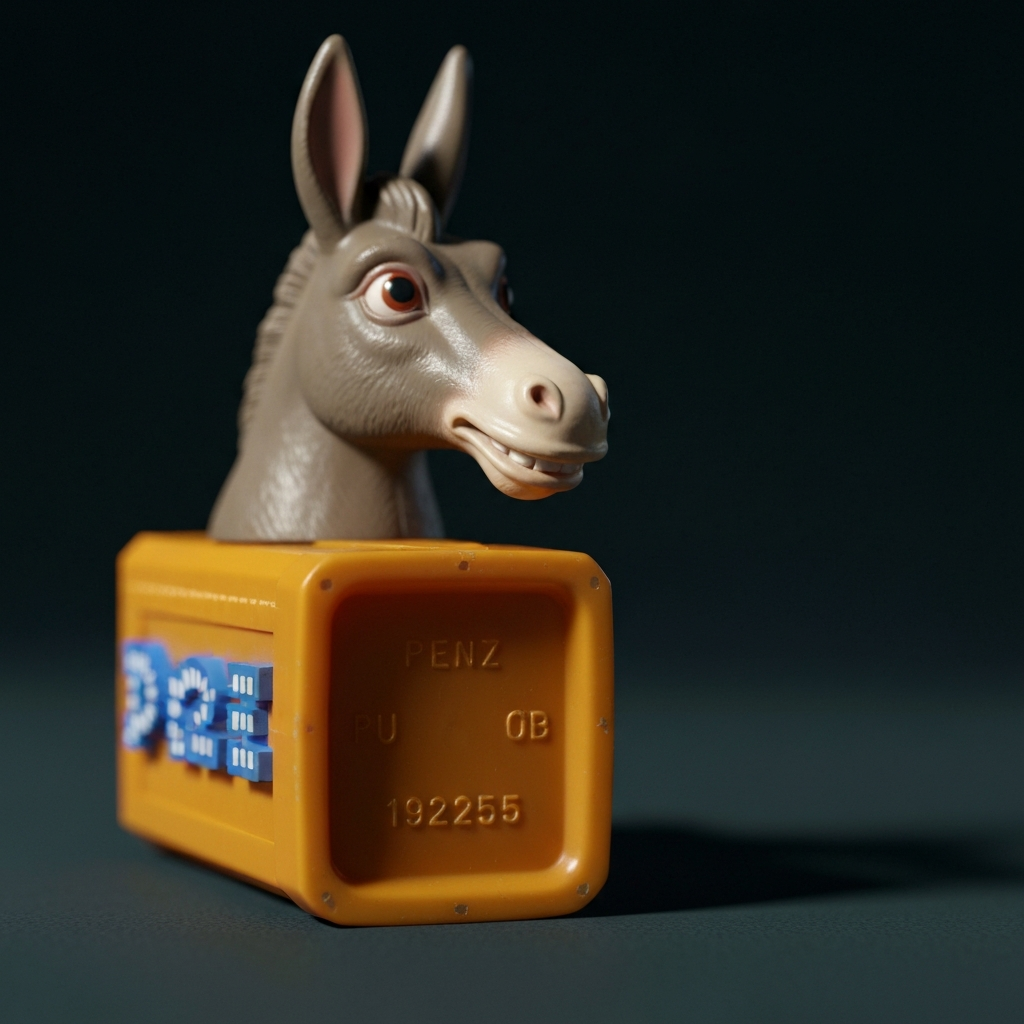
The undisputed champions of the PEZ world are the 1961 Political Dispensers, gifted to President John F. Kennedy. These dispensers, featuring a donkey head (representing the Democratic Party) and an elephant head (representing the Republican Party), were intended to honor the American two-party system. Only three are known to exist, one of which was reportedly presented to JFK himself. Their historical significance and extreme rarity make them the holy grail for PEZ collectors.
Practical details: These dispensers are seldom seen on the open market. One donkey dispenser is on display at the PEZ Visitor Center in Orange, Connecticut. When authenticating, look for the specific stem markings and head design characteristic of early 1960s PEZ production. Potential mistakes include confusing them with later donkey or elephant dispensers, which are far more common. The originals have a unique mold and color.
Step 2: Recognizing the 1982 World's Fair Astronaut B
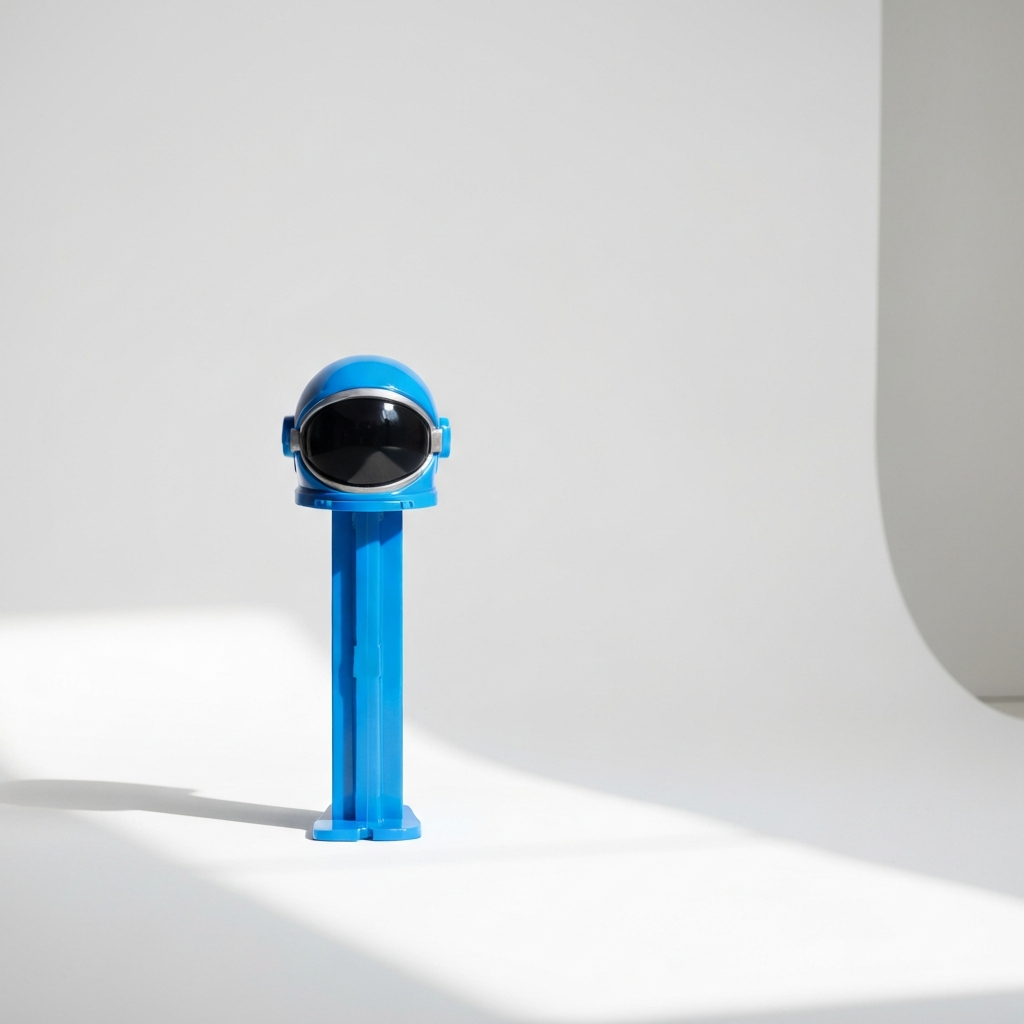
Another exceptionally rare dispenser is the 1982 World's Fair Astronaut B, created for the Knoxville, Tennessee event. This dispenser features a blue astronaut with a yellow helmet. Reportedly, only two were ever made, the other being a white astronaut with a yellow helmet (which remains lost to this day). The limited production run and the mystery surrounding its counterpart significantly contribute to its high value.
Practical Details: The astronaut's coloring and helmet design are key identifiers. Ensure the stem and spring mechanism are consistent with 1980s PEZ production. Be wary of reproductions or customized dispensers. The original Astronaut B has a specific shade of blue and a distinct helmet mold. The "B" designation refers to its cataloging within the PEZ collecting community.
Step 3: Distinguishing the Soft Head Disney Characters
During the 1970s, PEZ experimented with soft rubber heads, particularly featuring Disney characters. Mickey Mouse, Dumbo, and Captain Hook were among the prototypes created. However, Disney ultimately rejected the project, leaving only a handful of these prototypes in existence. These soft-head dispensers are highly desirable due to their experimental nature and the limited quantities produced.
Practical Details: These dispensers are characterized by their soft, pliable rubber heads. Inspect the head for signs of age and wear, but avoid handling them excessively, as the rubber can deteriorate over time. The color and detailing of the heads should match the respective Disney characters. Note the specific stem colors associated with each character. A common mistake is mistaking modern, hard-headed Disney dispensers for these rare prototypes.
Step 4: Assessing Condition and Identifying Marks
The condition of a PEZ dispenser significantly affects its value. Mint condition, meaning unused and still in its original packaging, commands the highest prices. However, even dispensers with minor wear and tear can be valuable, particularly if they are exceptionally rare. Identifying marks, such as patent numbers and manufacturing stamps, can also help determine a dispenser's age and authenticity. Careful examination and accurate identification are crucial for determining a dispenser's worth.
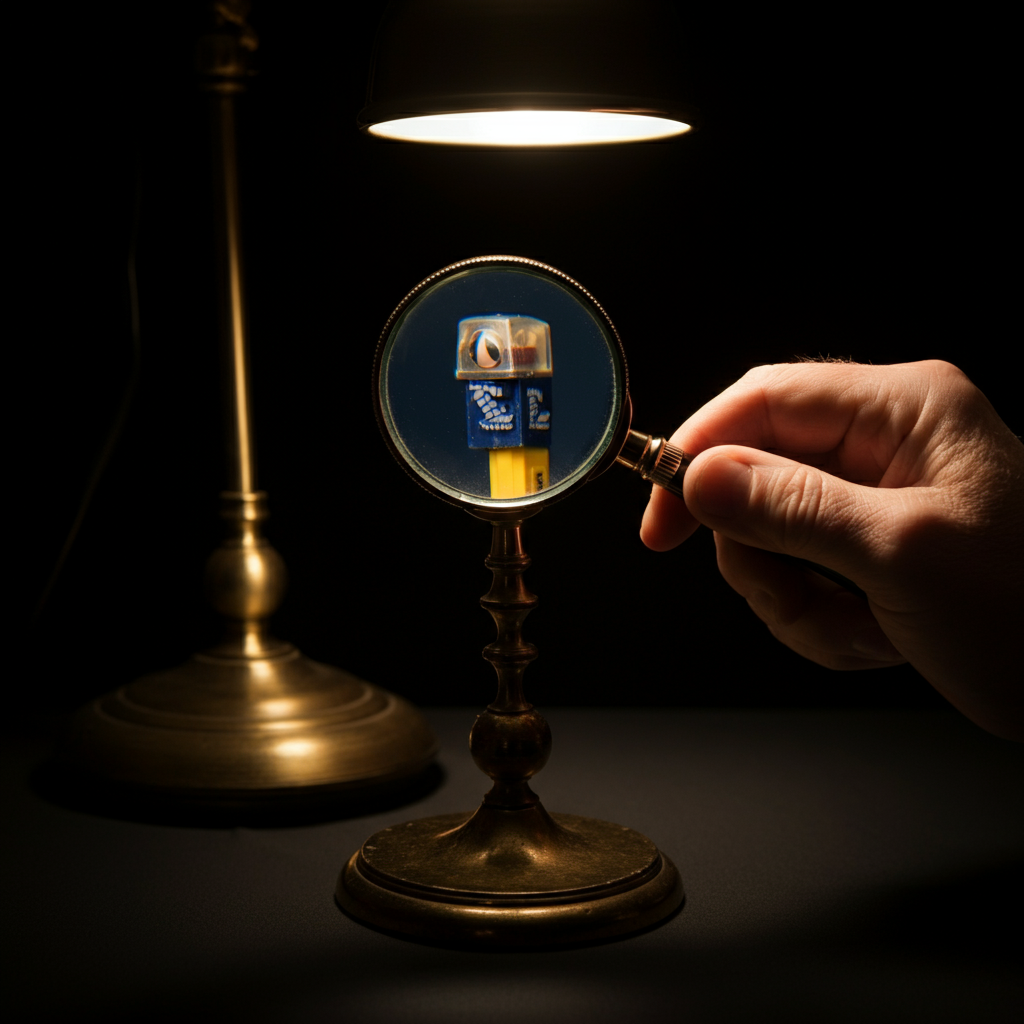
Practical Details: Examine the dispenser for scratches, cracks, discoloration, and missing parts. Check the patent number on the stem against known dates to estimate the age. Note any unique markings or features that might indicate a particular production run or variation. Compare your dispenser to reference images and descriptions in PEZ collector guides. Use magnification to examine fine details and identify potential repairs or alterations.
Tools or Materials Required
- Magnifying glass
- PEZ collector guides or online databases
- Soft cloths for gentle cleaning
- Archival-quality storage containers
Common Mistakes to Avoid
- Assuming all old PEZ dispensers are valuable.
- Overlooking minor damage that can affect value.
- Misidentifying common dispensers as rare variations.
- Improperly cleaning dispensers, which can cause damage.
Step 5: Understanding Patent Numbers and Age
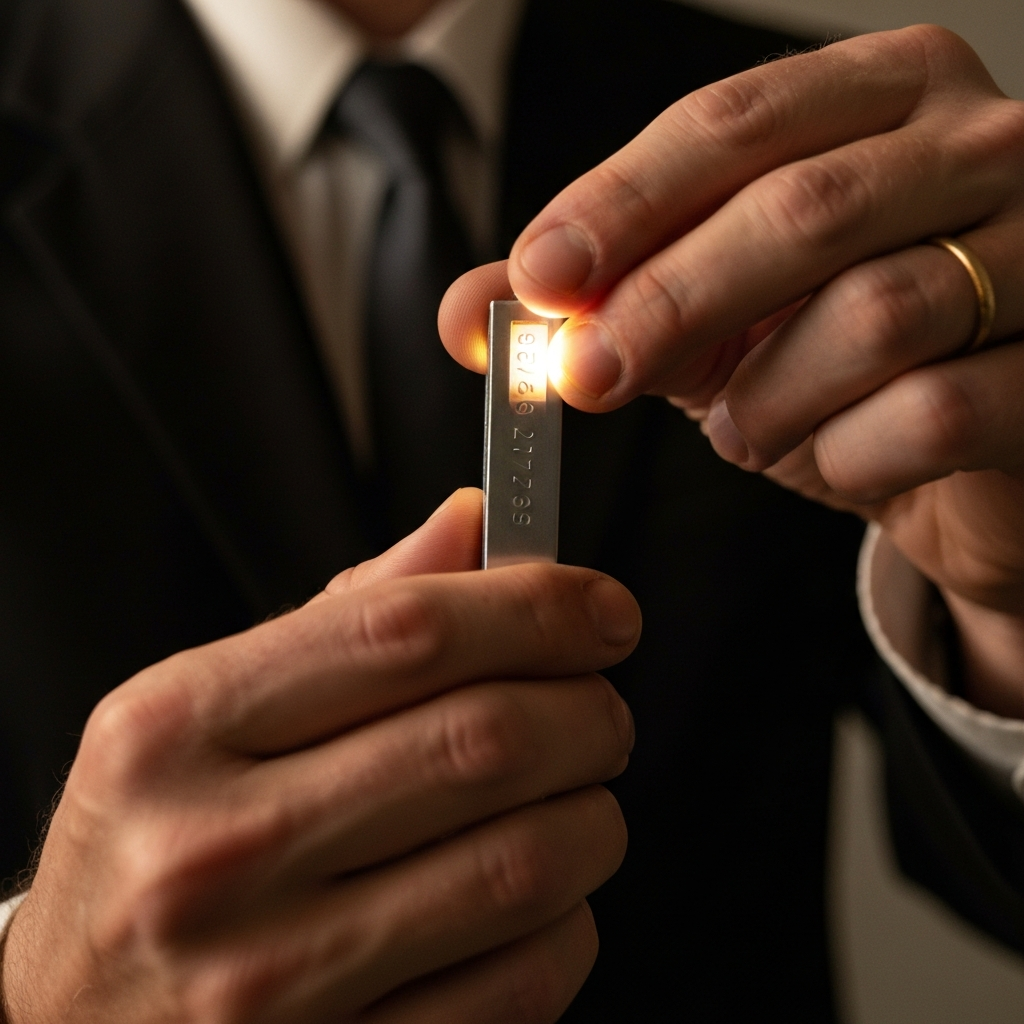
PEZ dispensers have patent numbers running down the side of their stem. These numbers are key indicators of the dispenser's age and can help authenticate vintage models. Dispensers with patent numbers 2,620,061 or 3,410,455, for example, were made between 1952 and 1974, a peak era for PEZ collectibles. Modern dispensers also have patent numbers but are generally less valuable unless they are part of a limited-edition release.
Practical Details: Locate the patent number on the stem, typically under "Made in (country)". Compare it to a list of known PEZ patent numbers to determine the approximate year of manufacture. Keep in mind that stems can be swapped, so verify other features as well. For example, patent number 3,845,882 was issued in 1974. Patent number 4,966,305 was issued in 1990.
Step 6: Identifying "Footed" vs. "Footless" Dispensers
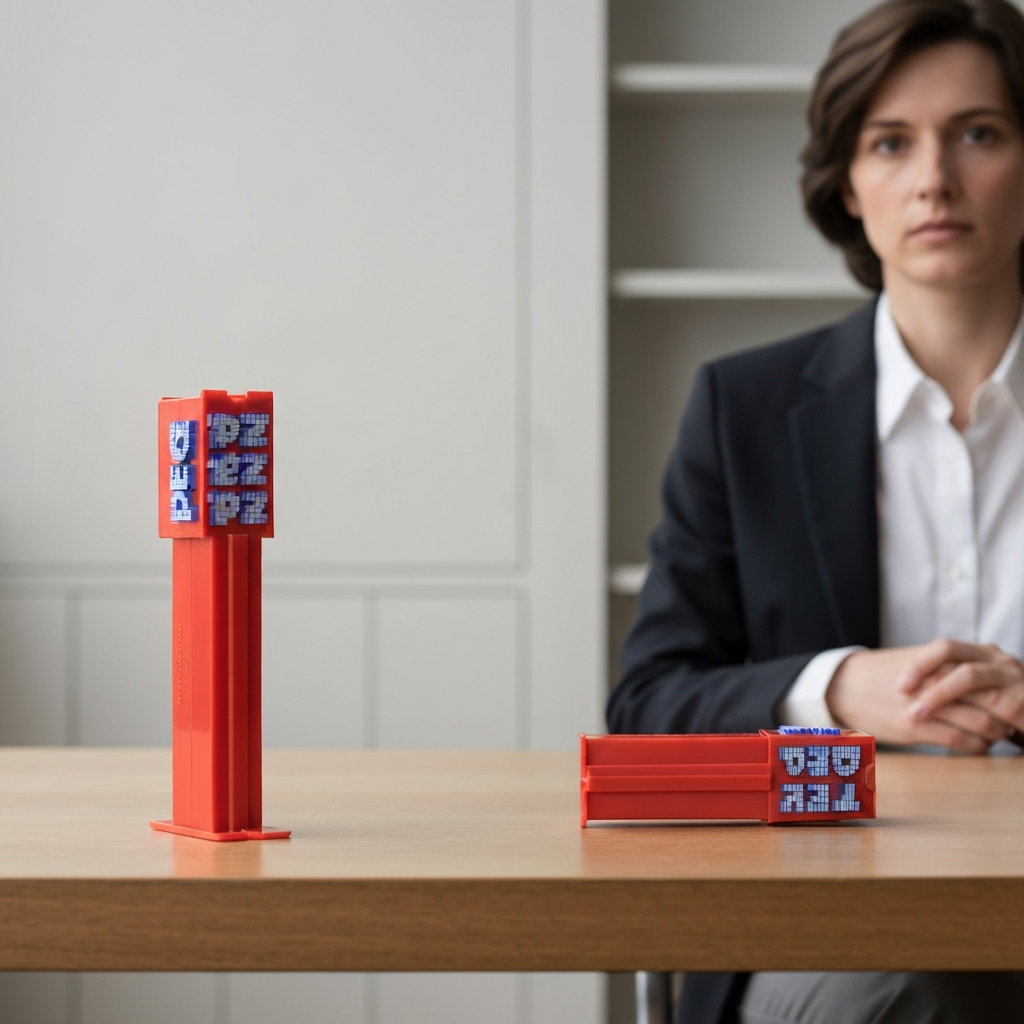
Modern PEZ dispensers typically have "feet," or a small plastic block at the bottom of the stem, that helps them stand upright. This standardization started around the 1980s. Therefore, a "footless" dispenser is generally a sign of an older model and can indicate higher value. However, the absence of feet alone does not guarantee rarity, so consider other factors like character, patent number, and overall condition.
Practical Details: Carefully examine the bottom of the dispenser's stem. If there is no protruding plastic block, it is likely a footless model. Be aware that some feet may have been intentionally removed. Compare the stem to images of known footless dispensers to confirm authenticity. The presence of feet can dramatically decrease value if the dispenser is otherwise rare.
Step 7: Determining if the Dispenser Portrays a Popular Character
While historical significance and rarity are paramount, the popularity of a character can also influence a PEZ dispenser's value. Dispensers featuring well-known and beloved characters from Disney, Star Wars, or other franchises tend to attract more interest from collectors. However, some of the most expensive dispensers, like the Political Dispensers or the Alpine Man, are valuable for their historical context or unique design, regardless of character recognition.
Practical Details: Consider the character's popularity and cultural significance. Dispensers featuring iconic characters or those with a strong nostalgic appeal are more likely to be valuable. However, don't dismiss lesser-known characters or obscure designs. Research the history and production details of the dispenser to determine its potential value, regardless of character recognition.
FAQ Section
- What is the best-selling PEZ dispenser of all time?
- The Santa Claus dispenser, first sold in 1955, is the best-selling PEZ dispenser of all time.
- What is the rarest PEZ flavor?
- Some of the rarest PEZ flavors include licorice, flowers, and chlorophyll, which debuted in the 1960s.
- What is the oldest PEZ?
- The oldest PEZ candy was a peppermint-flavored treat sold in 1927 in Vienna, Austria. The earliest dispenser resembled a cigarette lighter.
Pro Tips
- Join PEZ collector communities online and in person.
- Attend PEZ conventions and auctions.
- Consult with experienced PEZ appraisers.
- Document your collection with photos and descriptions.
- Store your PEZ dispensers in a safe, climate-controlled environment.
Conclusion
The world of rare PEZ dispensers is a captivating blend of nostalgia, history, and collecting. By understanding the key factors that determine value – rarity, condition, historical significance, and character appeal – you can navigate this market with confidence. Whether you're seeking to add a prized piece to your collection or simply curious about the hidden treasures lurking in your childhood memorabilia, this guide has provided you with the essential knowledge to appreciate the unique and often surprisingly valuable world of PEZ.