Learning shouldn't be a chore; it should be an adventure. As educators and parents, we often face the challenge of transforming mundane lessons into exciting experiences that captivate and inspire. The key is to move beyond rote memorization and embrace innovative approaches that cater to individual interests, creativity, and technological savvy.
This guide provides actionable strategies for making learning fun, whether in the classroom or at home. We'll explore methods to personalize education, create hands-on activities, leverage technology, and foster a collaborative learning environment. Our goal is to unlock the joy of discovery and instill a lifelong love for learning in every child.
By implementing these techniques, you can transform the learning landscape and empower students to become active participants in their own educational journey. Get ready to spark curiosity, ignite imaginations, and make learning an unforgettable experience!
Step 1: Discover and Incorporate Individual Interests
Engaging students starts with understanding their passions. Take the time to discover your students' hobbies, interests, and preferred learning styles. Are they fascinated by dinosaurs, captivated by coding, or passionate about painting? Once you identify these interests, find creative ways to integrate them into your lesson plans.
For example, if a student loves music, explore mathematical concepts through musical notation or historical events through the lens of their favorite artists. If they're into sports, use statistics from games to teach math or write reports analyzing player performance. By connecting learning to their existing passions, you create a sense of relevance and excitement that motivates them to engage more deeply.

Step 2: Structure Learning to Meet Individual Needs
Every child learns differently, and it's crucial to recognize and cater to these individual learning styles. Some students thrive in structured environments, while others need more flexibility and movement. Observe your students to determine if they are visual, auditory, or kinesthetic learners. Adapt your teaching methods accordingly.
If a student struggles to sit still, incorporate movement breaks into your lessons or create learning stations that allow them to move around. For visual learners, use images, diagrams, and videos to enhance understanding. Auditory learners may benefit from lectures, discussions, and audio recordings. Experiment with different approaches and solicit feedback from your students to find what works best for them. Consider using online quizzes to assess learning styles if you're unsure, or consulting with a specialist.

Step 3: Foster Collaborative Learning Through Peer Teaching
Empower students to become teachers themselves. When children are given the opportunity to explain concepts to their peers, they solidify their own understanding and develop valuable communication skills. Assign students topics to research and present to the class or have them work in pairs to solve problems and complete projects.
Encourage students to rely on each other for support before seeking help from you. Pair students who excel in a particular subject with those who are struggling, creating a supportive learning environment where everyone benefits from each other's strengths. When your child is having difficulty grasping an idea, resist giving away the solution immediately. Instead, pose probing questions about the subject matter, such as "How did you come to that conclusion?" or "What methods could you employ to address this issue?".

Step 4: Actively Participate in the Learning Process
Show your students that you value learning by actively participating alongside them. When children see you engaged and enthusiastic, they're more likely to embrace the material themselves. Join in on activities, ask questions, and share your own experiences and insights.
If your child is reading a book, read one alongside them and discuss it together. If they're working on a science experiment, get involved in the process and explore the concepts together. By demonstrating your own curiosity and love for learning, you set a positive example and create a shared experience that strengthens your connection and fosters a deeper appreciation for education. Spend quality one-on-one time with children because they value individualized attention and feel more important when they receive it. This fosters a more receptive attitude toward learning.

Step 5: Create Hands-On Learning Experiences
Engage multiple senses through hands-on activities. Children learn best when they can touch, explore, and manipulate objects. Incorporate arts and crafts, science experiments, and building projects into your lessons. These activities not only make learning more engaging but also help students develop critical thinking, problem-solving, and fine motor skills.
For instance, while studying fractions, have students bake a cake and divide it into equal pieces. When learning about the solar system, create a model using different sized balls. Or when teaching history, have students create dioramas. By connecting abstract concepts to tangible experiences, you make learning more memorable and meaningful. Group students based on their interests or skills, providing them with engaging activities to explore topics in a way that resonates with them.
Step 6: Take Learning Beyond the Classroom with Field Trips
Connect classroom concepts to the real world through field trips. Visiting museums, historical sites, nature centers, and other relevant locations provides students with firsthand experiences that bring learning to life. Choose field trips that align with your curriculum and offer opportunities for hands-on exploration.
For example, if you're studying local government, take a trip to the city hall. If you're learning about art, visit an art museum. Before the trip, prepare students by discussing what they will see and learn. After the trip, encourage them to reflect on their experiences through writing, drawing, or presentations. Consider going to an art museum out of state to see a favorite painting, or visiting a historic site to experience the nation's history.

Step 7: Unleash Imagination Through Creative Expression
Nurture creativity by allowing students to express themselves through various mediums. Encourage them to write stories, draw pictures, act out scenes, and compose music. Provide opportunities for students to make choices and explore their own unique perspectives.
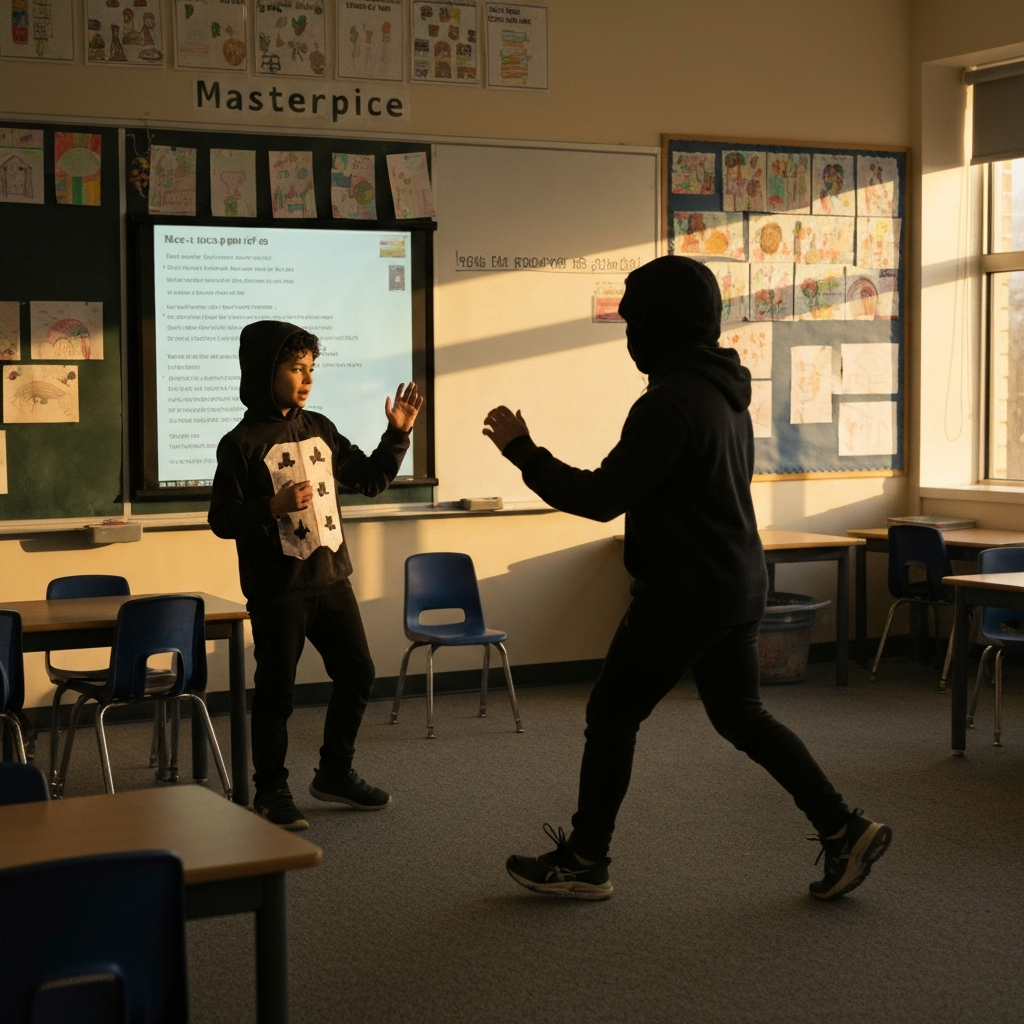
When teaching about historical events, have students create skits or write songs from the perspective of different historical figures. When studying literature, encourage them to write alternative endings or create their own illustrations. By fostering creativity, you empower students to become active creators of knowledge, not just passive recipients. Provide children with the freedom to express themselves through diverse mediums, such as writing a story, drawing a picture, or performing a reenactment for a history lesson.
Step 8: Gamify Learning with Educational Games
Transform learning into a game with educational activities that reinforce concepts in a fun and engaging way. Utilize online games, board games, card games, and create your own review games based on popular game shows or trivia tournaments.
For example, use a Jeopardy-style game to review vocabulary words, or create a scavenger hunt to reinforce map skills. Many free resources are available online to create and modify classic game formats. By incorporating games into your lessons, you create a positive association with learning and motivate students to participate actively. After teaching a lesson or studying a concept, allow students to play an educational game to test their knowledge.
Step 9: Make Abstract Concepts Relevant to Real Life
Demonstrate the practical applications of what students are learning. Explain how concepts are used in everyday life and connect them to real-world scenarios. Have the students set up a store or lemonade stand to explore mathematical and business principles, or ask them to find recent news articles or TV clips that relate to the topics they are learning in school.
For example, when teaching fractions, show how they are used in cooking and baking. When teaching about economics, discuss the stock market and how businesses operate. By making learning relevant, you increase student engagement and help them understand the value of their education. Host a mock trial, organize a mini-model UN session, or have students re-enact a famous battle.
Step 10: Embrace Technology for Engaging Lessons
Leverage technology to create interactive and dynamic learning experiences. Today's students are digital natives, and they are naturally drawn to technology. Incorporate digital projects, educational videos, interactive simulations, and online learning tools into your lessons.
For example, instead of writing a traditional report, have students create a website or video presentation. Use educational apps to reinforce concepts in a fun and engaging way. Explore virtual field trips to destinations around the world. But remember to always supervise screen time and encourage responsible online behavior. Allow students to use computers and tablets to conduct research, build websites, create videos, or develop podcasts.
Tools or Materials Required
- Various arts and crafts supplies (paper, markers, paint, glue, etc.)
- Board games and card games
- Computers, tablets, and internet access
- Educational apps and software
- Books, articles, and other reading materials
- Props and costumes for role-playing activities
Common Mistakes to Avoid
- Trying to force fun without understanding student interests
- Relying solely on technology without considering individual learning styles
- Failing to provide clear instructions and expectations
- Ignoring student feedback and adapting accordingly
- Creating activities that are too easy or too difficult
Pro Tips
- Regularly assess student understanding to ensure they are grasping the concepts.
- Offer choices and allow students to take ownership of their learning.
- Create a positive and supportive learning environment.
- Celebrate successes and encourage effort.
- Never stop learning and exploring new ways to make learning fun!
FAQ Section
- How do I know what my student is interested in?
- Ask them! Conduct surveys, have informal conversations, and observe their behaviors and interests.
- What if I don't have access to technology?
- There are many low-tech ways to make learning fun, such as using board games, creating hands-on activities, and going on nature walks.
- How do I balance fun with academic rigor?
- Focus on integrating fun activities that reinforce core concepts and provide opportunities for critical thinking and problem-solving.
Conclusion
Making learning fun is not just about entertaining students; it's about creating a lasting impact on their intellectual development and fostering a lifelong love for learning. By personalizing education, creating hands-on experiences, embracing technology, and nurturing creativity, you can transform the learning landscape and empower students to become active, engaged, and enthusiastic learners. Remember, the key is to spark curiosity, ignite imaginations, and make learning an unforgettable adventure!