Have you ever needed a quick, portable, and surprisingly effective way to generate an attention-grabbing (and perhaps mildly annoying) noise? Look no further than the humble sheet of paper! This guide will walk you through crafting a simple device capable of producing a distinctive squeak, squawk, or whistle – perfect for signaling, playful pranks, or simply exploring the physics of sound. Forget complex instruments; all you need is paper, scissors, and a little bit of ingenuity.
While simple in concept, the paper squeaker requires precision and a keen understanding of how airflow interacts with its construction. Even slight variations in the cut, fold, or blowing technique can drastically alter the sound produced. This guide provides detailed instructions, troubleshooting tips, and design considerations to ensure you can consistently create a satisfying and, yes, somewhat irritating noise.
Get ready to unleash your inner noisemaker! This guide will help you create a simple paper squeaker and understand the mechanics behind this satisfyingly irritating noise-maker.
Step 1: Gathering Your Materials
Before you begin, ensure you have all the necessary tools and materials within easy reach. You'll need a sheet of paper (standard printer paper works perfectly, but experimenting with different thicknesses can yield interesting results), a pair of scissors (safety scissors are recommended for younger users), and a flat surface to work on. The quality of the paper isn't critical, but avoid excessively thin or brittle paper, as it may tear easily. A ruler can be helpful for precise measurements, but isn't strictly required.

Step 2: Cutting the Rectangular Strip
The first step is to cut a rectangular strip from your sheet of paper. The dimensions aren't critical, but a rectangle approximately 2 inches wide and 4 inches long is a good starting point. You can adjust the size later to fine-tune the pitch of the squeaker. Use your scissors to make clean, straight cuts. While a perfectly precise cut isn't essential, a ragged edge can affect the airflow and reduce the effectiveness of the squeaker. If you're using a ruler, draw light guidelines with a pencil before cutting to ensure accuracy.

Step 3: Folding the Strip in Half
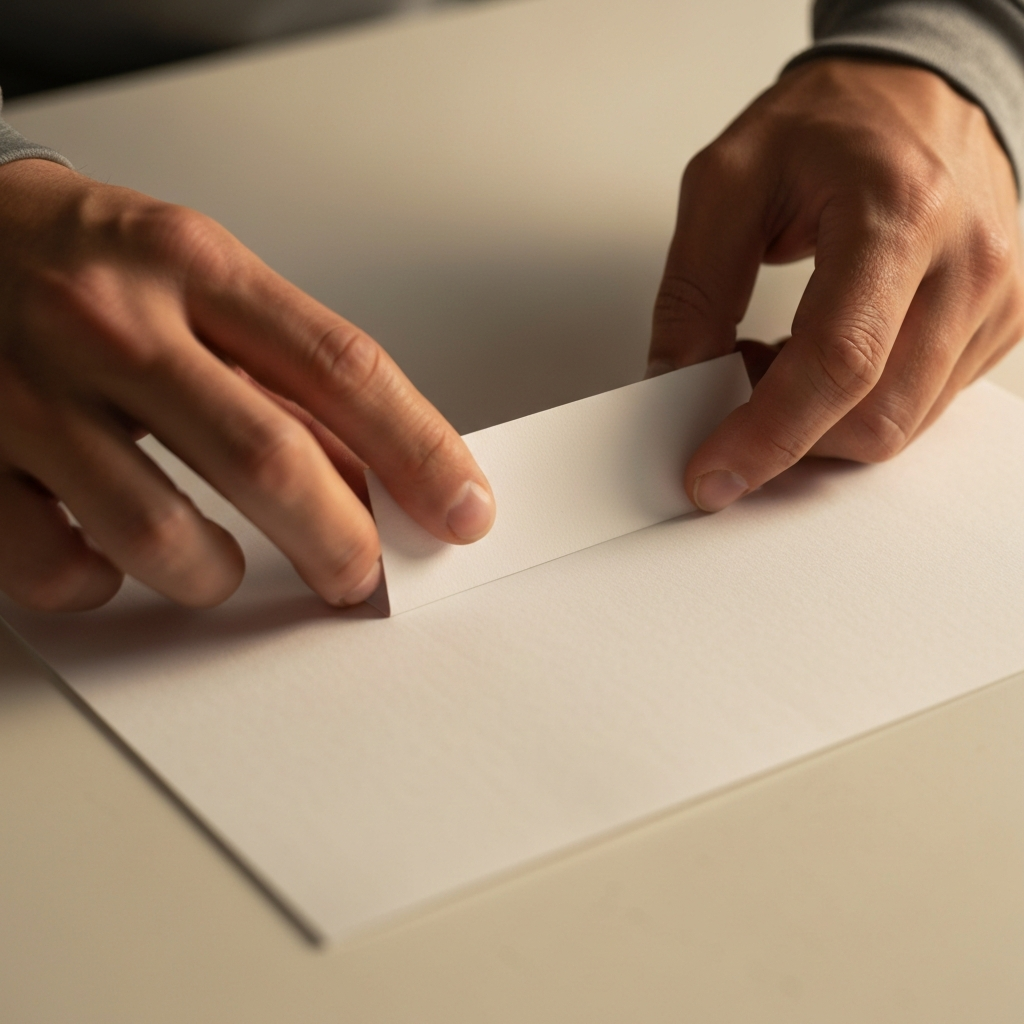
Now, carefully fold the rectangular strip in half lengthwise, creating a crisp crease. Ensure the edges align as perfectly as possible. A well-defined crease is crucial for the squeaker to function correctly. Run your fingernail along the fold to reinforce it. This fold will serve as the central axis around which the other folds and cuts will be made. If the fold is uneven, the air flow won't be even on both sides.
Step 4: Cutting the Triangles
With the paper folded, it's time to cut the two triangles. With the folded edge on the left side, make a cut from the top right corner down to about halfway to 3/4 the way to the bottom right corner. Repeat on the opposite side. You should now have two small triangular flaps. The size and angle of these triangles will affect the tone of the sound. Experiment with different shapes and sizes to see what sounds you can create. Make sure the cuts only go through the TOP layer of paper.

Step 5: Folding the Sides Inward
This is the final shaping step. Fold each of the outer edges toward the center crease that you made earlier. The paper should start resembling a narrow tent shape. Ensure the folds are even and symmetrical. This creates the air channel necessary for creating the sound. You will be blowing air through the slits formed by the triangles.

Step 6: Making the Noise
Now for the moment of truth! Hold the paper squeaker between your thumbs and forefingers, with the open end facing your mouth. Position the edge of the squeaker just inside your lips and blow sharply and consistently. Experiment with different blowing angles and pressures until you achieve the desired squeak. It may take a few attempts to find the sweet spot. The sound is created by the air passing over the triangular openings, causing them to vibrate.

Common Mistakes to Avoid
A frequent mistake is cutting the triangles too large or too small. Experimentation is key. Also, ensure the center crease is well-defined, as a weak crease will cause air leakage and reduce the effectiveness of the squeaker. Another common error is not blowing hard enough or positioning the squeaker incorrectly in your mouth. Finally, make sure you have not folded the sides incorrectly or unevenly.
Pro Tips
For a louder and higher-pitched squeak, try using thicker paper or making the triangles smaller. You can also experiment with different paper types, such as cardstock or even thin plastic sheets, to create unique sounds. Decorate your squeakers with markers or stickers to personalize them.
Safety Considerations
Always supervise children when they are using scissors. Avoid making excessively loud noises in quiet environments. Be mindful of others and use your paper squeaker responsibly.
FAQ Section
Q: Why isn't my squeaker making any noise? A: Double-check that your triangles are cut correctly, the center crease is strong, and you are blowing hard enough and at the correct angle.
Q: Can I use different types of paper? A: Yes! Experiment with different paper types to see what sounds you can create. Thicker paper usually produces a louder sound.
Q: How can I change the pitch of the squeak? A: Adjust the size and shape of the triangles.
Conclusion
Congratulations! You've now mastered the art of creating an annoying noise with a paper squeaker. This simple yet effective device is a fun and easy way to explore the physics of sound and, perhaps, irritate your friends. Remember to experiment with different techniques and materials to fine-tune your squeaker and create unique sounds. Happy noisemaking!