In situations where conventional tools are unavailable, resourcefulness becomes paramount. The ability to create fire can be crucial for warmth, cooking, signaling, and psychological comfort. While the methods described here are inspired by extreme circumstances, it's important to understand that replicating these techniques should only be considered in genuine survival scenarios or for educational purposes, always adhering to strict safety guidelines.
This guide will detail how to create a rudimentary lighter using readily available materials like gum wrappers or aluminum foil and a battery. These methods rely on the principle of creating a short circuit, generating heat that can ignite tinder. Understanding the underlying physics and exercising extreme caution are critical for safe execution. Remember, fire is a powerful tool that demands respect and responsibility.
Before proceeding, it's essential to emphasize the potential dangers involved. Misuse of these techniques can lead to burns, accidental fires, and other serious injuries. This guide is strictly for informational purposes and should not be used for any illegal or harmful activities. Always prioritize safety and adhere to local laws and regulations.
Tools or Materials Required
- A gum wrapper (with foil/plastic lining) or aluminum foil
- A battery (any voltage will work, but higher voltage = faster results)
- Scissors or a sharp knife (optional, for precise cutting)
- Tinder (dry leaves, paper, cotton, etc.)
- Gloves (recommended for heat protection)
- Fire extinguisher or water nearby (for safety)
Step 1: Gathering Your Materials
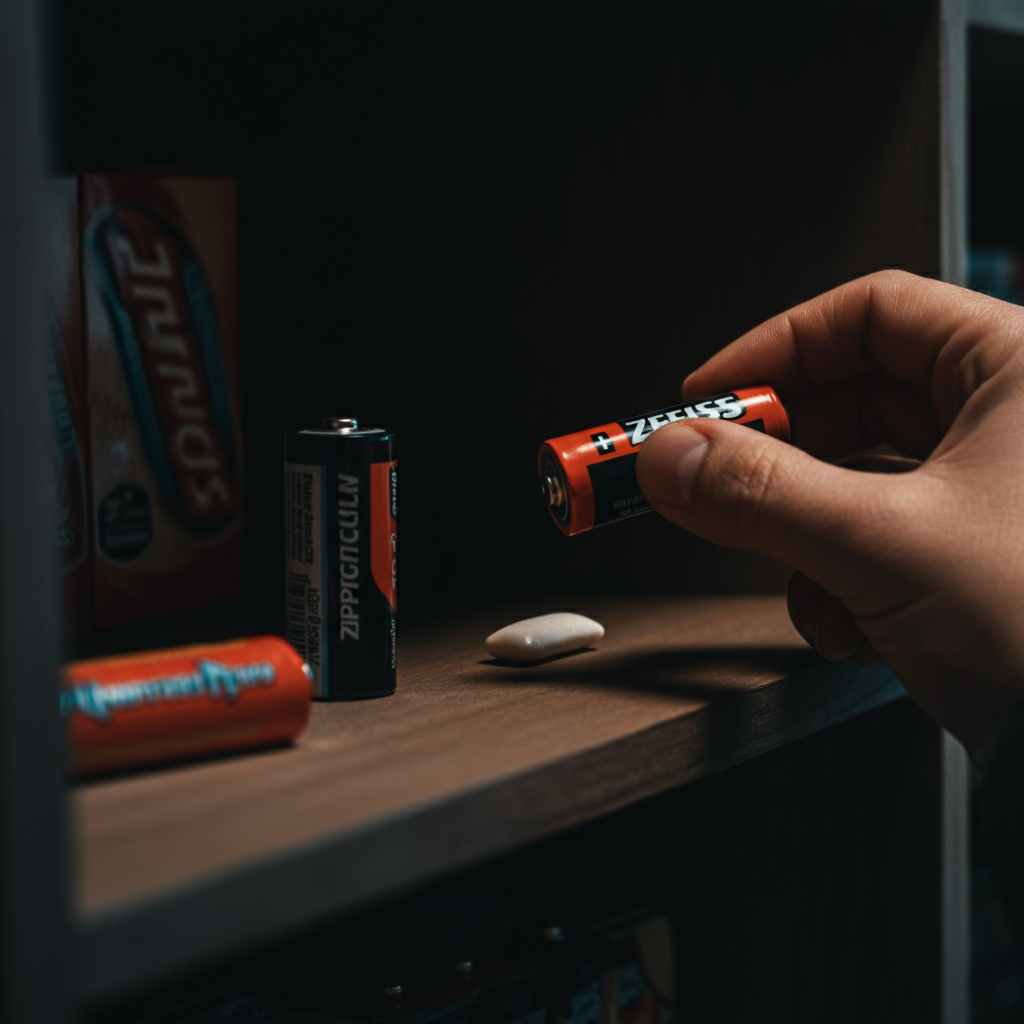
The first step involves acquiring the necessary components. A gum wrapper with a metallic lining (often aluminum or a metallicized plastic) or a piece of aluminum foil will serve as the heating element. A battery, such as a AA, AAA, C, or D cell, will provide the electrical current. The type of tinder you use is also vital; dry, easily combustible material is essential for catching the initial spark. Cotton balls treated with petroleum jelly are an excellent tinder option.
Step 2: Preparing the Foil/Wrapper Strip
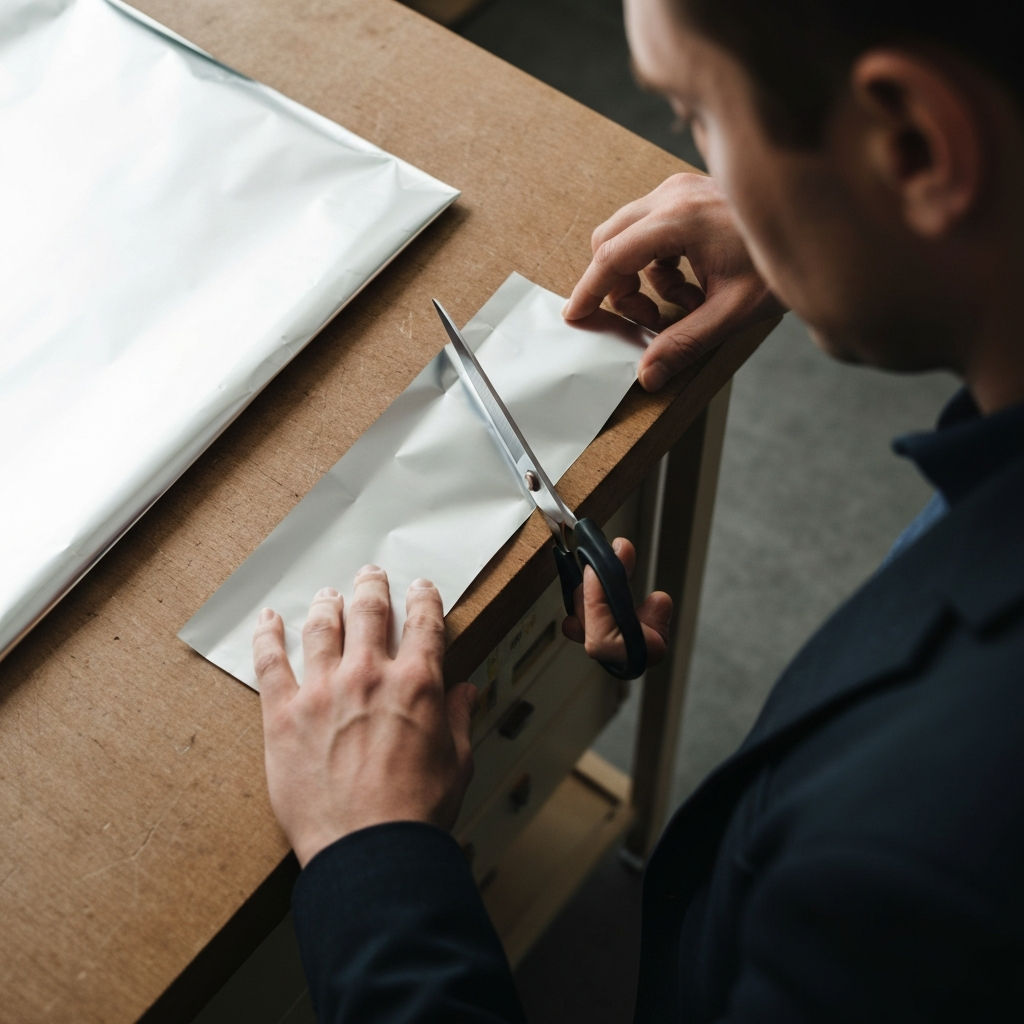
This step is crucial for creating the necessary short circuit. If using a gum wrapper, carefully unfold it and smooth it out. If using aluminum foil, tear off a small piece, approximately 1 inch wide and 3-4 inches long. Using scissors or a knife (if available), carefully cut a thin strip from the foil or wrapper. The strip should be narrowest in the center, resembling a bow tie shape. This creates a point of high resistance, concentrating the heat.
Step 3: Connecting the Battery
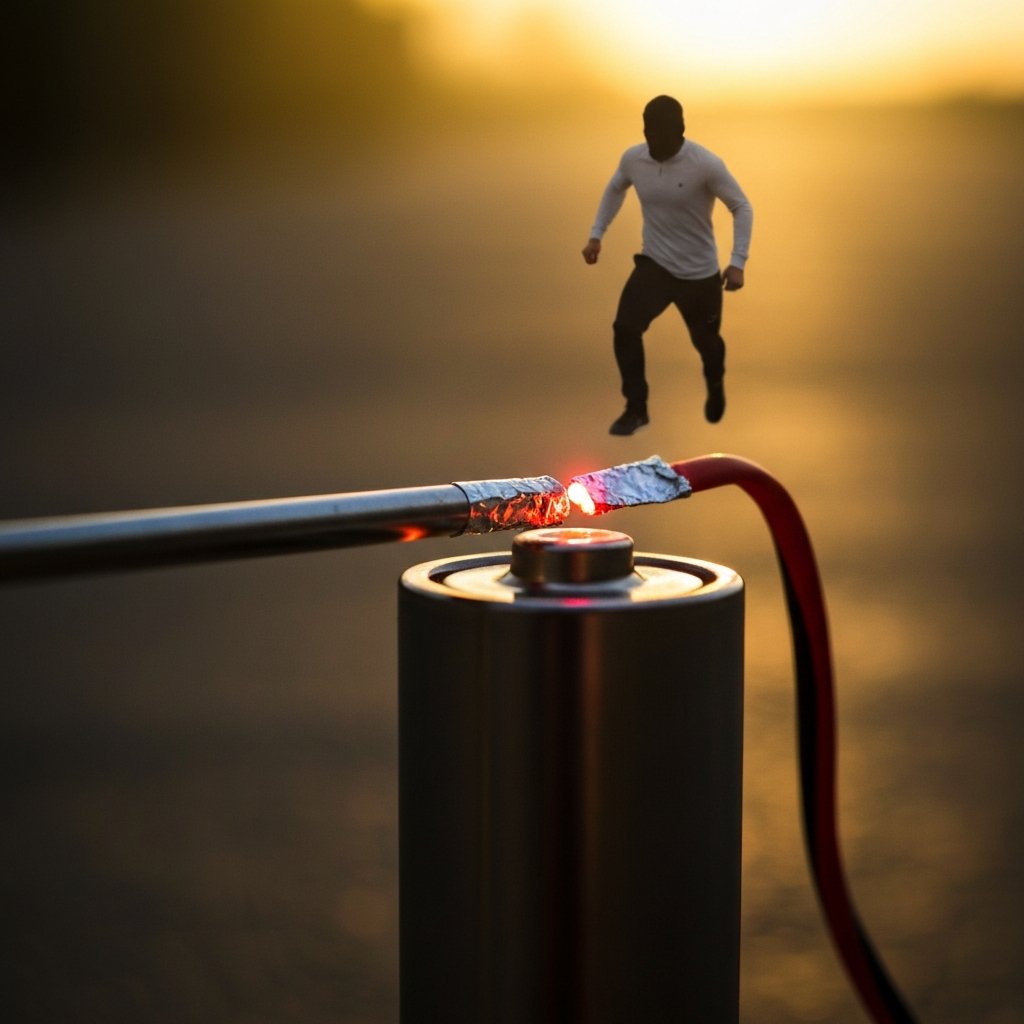
Now, carefully touch each end of the prepared foil/wrapper strip to the positive (+) and negative (-) terminals of the battery simultaneously. Ensure that the narrowest part of the strip is making contact with the battery terminals. This will create a closed circuit, and the narrow section of the strip will begin to heat up rapidly due to the electrical resistance.
Step 4: Ignition and Transfer to Tinder
Within a few seconds, the narrow section of the foil/wrapper strip should become extremely hot, potentially glowing red or even burning through. Immediately transfer the heat or flame to your tinder. Gently blow on the tinder to encourage the flames to spread. Be patient; it may take a few attempts to get the tinder to catch properly. Be ready to move the tinder quickly once the strip ignites, as the burning foil/wrapper won't last long.

Safety Considerations
- Burns: The foil/wrapper strip and the battery can become very hot quickly. Wear gloves or use pliers to hold the materials.
- Fire Hazard: Keep flammable materials away from the area. Have water or a fire extinguisher nearby.
- Ventilation: Perform this in a well-ventilated area to avoid inhaling fumes.
- Supervision: Never leave a fire unattended.
Common Mistakes to Avoid
- Using Damp Tinder: Make sure your tinder is completely dry for easy ignition.
- Strip Too Wide: A wide strip will distribute the heat, preventing ignition.
- Poor Contact: Ensure good contact between the strip and the battery terminals.
- Impatience: Give the strip enough time to heat up before transferring to tinder.
Pro Tips
- Use a higher voltage battery for faster ignition.
- Prepare multiple foil/wrapper strips in advance.
- Pre-heat the tinder slightly (if possible) for better results.
- Practice this technique in a controlled environment before relying on it in a survival situation.
FAQ Section
Q: What if the strip doesn't heat up?
A: Ensure the strip is narrow enough in the center and that there is good contact with the battery terminals. Try a different battery or a fresh piece of foil/wrapper.
Q: Can I use a different type of metal?
A: Other metals may work, but aluminum foil and metallicized wrappers are readily available and have the appropriate resistance.
Q: Is this dangerous?
A: Yes, this can be dangerous if not done carefully. Follow all safety precautions to avoid burns and accidental fires.
Conclusion
Crafting a makeshift lighter is a valuable skill in survival situations, highlighting the importance of resourcefulness and understanding basic principles. By carefully following these steps and prioritizing safety, you can create a source of fire using readily available materials. Remember, practice and preparation are key to success in any survival scenario. Always prioritize safety, respect the power of fire, and adhere to local laws and regulations.