The vibrant and intricate designs of Native American art have captivated audiences worldwide, influencing everything from high fashion to everyday accessories. Incorporating these elements into your personal style can be a beautiful way to express appreciation for Native American cultures. However, it's crucial to approach this with respect, awareness, and a commitment to supporting Native American artists and communities.
This guide aims to provide you with the knowledge and resources necessary to navigate the world of Native American-inspired fashion ethically and authentically. We will explore how to choose clothing and accessories that honor the traditions behind them, understand the significance of cultural appropriation, and ensure that your choices contribute positively to Native American communities.
Ultimately, this is about moving beyond mere aesthetics and engaging in a meaningful way with the rich history and enduring spirit of Native American cultures. Let's embark on this journey of respectful appreciation together.
Step 1: Prioritize Native American-Made Products
Source Directly from Native American Artists and Retailers
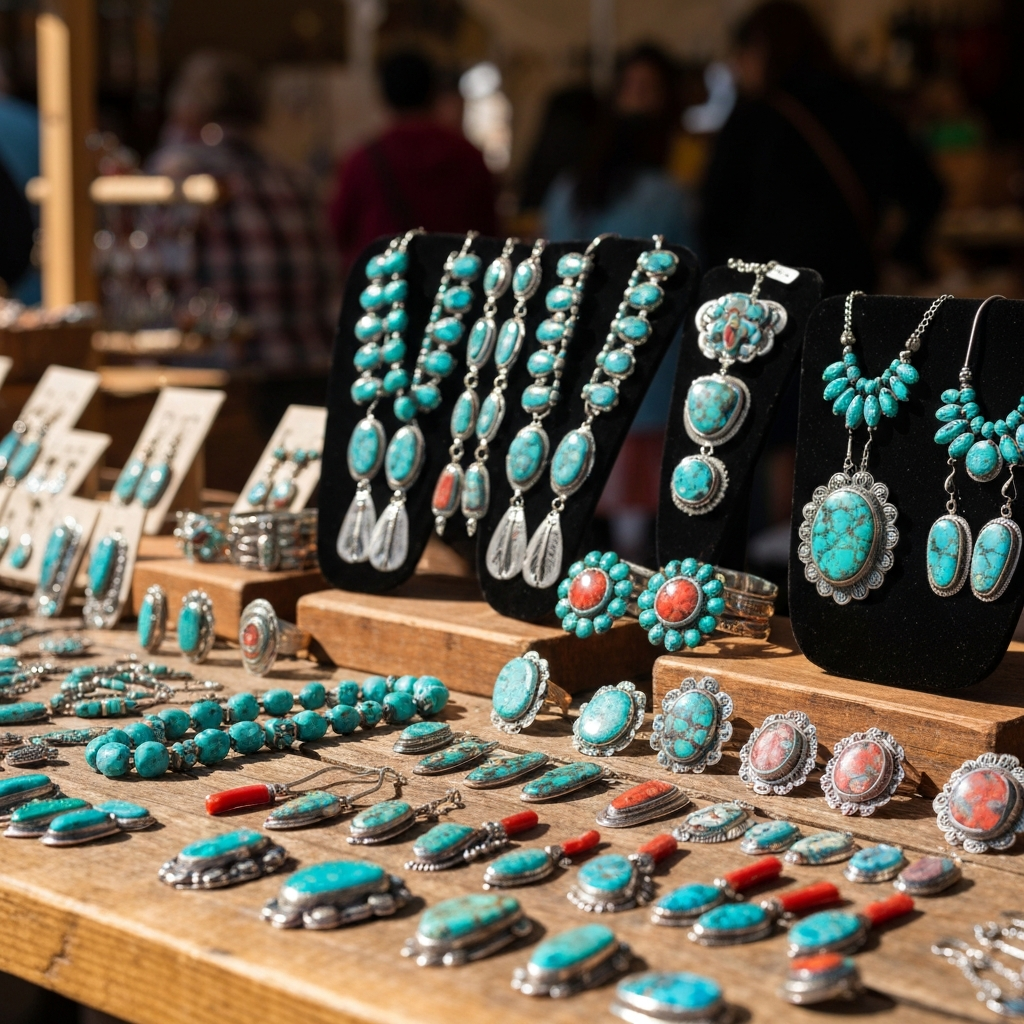
The most direct and impactful way to incorporate Native American designs into your wardrobe is to purchase directly from Native American artists and retailers. This ensures that the artists receive fair compensation for their work, that their cultural traditions are respected, and that you gain a deeper understanding of the artistry involved. Look for online marketplaces, craft fairs, and local shops that showcase the work of Native American artisans. This offers opportunities to learn about the specific cultural significance of the items you are buying. Consider attending a powwow to witness traditional arts and crafts firsthand and support local vendors.
Verify Authenticity: Look for the "Native Made" Label
The Indian Arts and Crafts Act (IACA) is a federal law that protects Native American artists and their work by prohibiting the misrepresentation of Native American-made products. Look for the "Native Made" label, which signifies that the item was produced by a certified Native American artisan or tribe. Be wary of items that are mass-produced or labeled with vague terms like "Native American-inspired," as these are often not authentic and may perpetuate cultural appropriation. Always verify the source and authenticity of items before making a purchase.
Step 2: Understanding Cultural Significance and Avoiding Appropriation
Research the History and Meaning Behind Designs
Before incorporating any Native American-inspired design into your style, take the time to research its history, meaning, and cultural significance. Many symbols, patterns, and motifs have deep roots in specific Native American cultures and should be treated with respect. Avoid wearing items without understanding their origins, as this can be seen as disrespectful or even offensive. Look for resources such as tribal museums, cultural centers, and online educational materials to learn more about the symbolism and artistry of different Native American cultures. Spend some time learning about the history and traditions associated with specific designs.
Recognize Items Best Left to Their Originators
Certain items, such as headdresses, warbonnets, and ceremonial regalia, hold deep spiritual and cultural significance and are often reserved for specific individuals or ceremonies. These items should not be worn casually or treated as fashion accessories by those outside of the culture. Respect the sacred nature of these items and avoid appropriating them for personal use. Consider the potential impact of your choices on Native American communities and prioritize respectful representation over personal expression.
Be Aware of Stereotypes and Misrepresentations
Avoid perpetuating harmful stereotypes or misrepresentations of Native American cultures through your fashion choices. This includes avoiding costumes, caricatures, or imagery that trivializes or dehumanizes Native American people. Be mindful of the messages you are sending through your clothing and accessories and strive to promote accurate and respectful representations of Native American cultures. Consider the impact of your choices on Native American communities and strive to promote positive and respectful representations.
Step 3: Incorporating Elements Respectfully
Opt for Subtle and Thoughtful Accents
Instead of trying to "look" Native American, focus on incorporating subtle and thoughtful accents into your personal style. This could include a piece of jewelry made by a Native American artisan, a scarf with a traditional design, or a pair of moccasins. Avoid wearing an entire outfit that mimics traditional Native American clothing, as this can be seen as disrespectful or appropriative. Prioritize authenticity and craftsmanship over imitation and mass-produced items.
Support Brands That Collaborate With Native American Artists
Look for brands that collaborate directly with Native American artists and communities, ensuring that they are fairly compensated and that their cultural traditions are respected. These collaborations often result in unique and authentic designs that celebrate Native American artistry. Research the brand's history and business practices to ensure that they are committed to ethical and responsible sourcing. Support brands that prioritize cultural sensitivity and inclusivity.
Educate Others and Advocate for Change
Use your knowledge and understanding to educate others about the importance of cultural appreciation and the harm caused by cultural appropriation. Speak out against instances of cultural appropriation and advocate for change within the fashion industry and beyond. Support Native American-led initiatives and organizations that are working to promote cultural preservation and economic empowerment. By becoming an advocate for change, you can help create a more equitable and respectful world for all.
Common Mistakes to Avoid
A frequent misstep is buying items labeled "Native American inspired" from large corporations that do not directly benefit Native American artisans. Another mistake is to wear ceremonial items, such as headdresses, without understanding their sacred significance. Remember, intention is not enough; understanding and respect are critical.
FAQ Section
Q: Is it okay to wear turquoise jewelry? A: Yes, if the turquoise jewelry is purchased from a Native American artist or retailer and you wear it respectfully, acknowledging its cultural significance.
Q: What is cultural appropriation? A: Cultural appropriation is the adoption of elements of a minority culture by members of the dominant culture, often without understanding or respecting their original context.
Conclusion
Incorporating Native American-inspired designs into your personal style can be a beautiful way to express appreciation for these rich and diverse cultures. However, it's crucial to approach this with respect, awareness, and a commitment to supporting Native American artists and communities. By prioritizing authentic products, understanding cultural significance, and avoiding appropriation, you can ensure that your fashion choices contribute positively to the preservation and celebration of Native American heritage. Remember, this is about more than just fashion; it's about fostering understanding, respect, and meaningful connections between cultures.