Childhood is a fleeting, precious time filled with wonder, discovery, and boundless energy. It’s a period of growth, not just physically, but emotionally and mentally. Learning to navigate the world as a child can be challenging, but it's also an opportunity to cultivate lifelong habits of joy, resilience, and connection. This guide is designed to help you embrace the magic of childhood and make the most of these formative years.
Contrary to popular belief, being a kid isn't always easy. There are social dynamics to understand, academic pressures to navigate, and the ever-present need to figure out who you are. This guide provides a framework for building strong friendships, exploring your passions, and developing a positive outlook on life. It's about finding the balance between responsibility and fun, and learning to embrace the unique challenges and opportunities that childhood presents.
Remember, childhood is a journey of self-discovery and growth. By following these steps, you can cultivate a happy, healthy, and fulfilling childhood, setting the stage for a bright future. So, let's dive in and explore the secrets to living life to the fullest as a kid!
Step 1: Forge Meaningful Friendships
Talking to New People and Finding Common Ground
Making friends is a crucial part of growing up. Start by talking to new people and discovering shared interests. Don't be afraid to approach someone who looks lonely or is engaging in an activity you enjoy. While it's wonderful to maintain friendships with those you've known for a long time, actively seeking out diverse connections can enrich your life and broaden your perspectives. Playing together, sharing stories, and supporting each other are the cornerstones of lasting friendships.
If you find yourself struggling to initiate a conversation, a simple "Hi, my name is..." followed by a question about their interests can be a great icebreaker. Remember to be yourself and genuinely listen to what they have to say. A potential pitfall is being too eager to impress or trying to be someone you're not. Authenticity is key to building genuine connections.

Step 2: Embrace Acceptance and Celebrate Diversity
Understanding and Respecting Differences
One of the most important lessons you can learn as a child is to accept and appreciate people for who they are, regardless of their differences. Avoid judging others based on superficial qualities or things they cannot control. The world is a diverse place, and celebrating those differences makes it a richer and more interesting place to live. Recognizing that everyone has their own unique story and perspective is essential for building empathy and understanding.
It's crucial to stand up against bullying in all its forms. If you witness someone being mistreated because of their appearance, background, or any other reason, speak up or tell a trusted adult. Ignoring such behavior can perpetuate harm and create a hostile environment for everyone. Remember, kindness and compassion can make a profound difference in someone's life.

Step 3: Practice Kindness and Compassion
The Power of a Simple Act of Kindness
Kindness is a powerful force that can transform lives. Make a conscious effort to be kind to others, even if you don't know them well. A simple "hello" or a genuine compliment can brighten someone's day. Remember, kindness is often reciprocated, creating a ripple effect of positivity. By practicing kindness, you not only make others feel good but also cultivate a sense of empathy and compassion within yourself.
Look for opportunities to help others, whether it's offering a helping hand to a classmate who's struggling or inviting someone who's eating alone to join you. These small acts of kindness can have a significant impact. A common mistake is to assume that someone doesn't need help or that your efforts won't make a difference. Every act of kindness, no matter how small, matters.
Step 4: Embrace Your Authenticity
Staying True to Yourself
It's tempting to change yourself to fit in with others, but true happiness comes from embracing your authentic self. Don't compromise your values or interests to gain approval from others. While it's important to be open to new experiences, never lose sight of what makes you unique. Your individuality is a strength, and it's what makes you special.
Resist the pressure to conform to popular trends or pretend to enjoy activities that don't resonate with you. Instead, focus on developing your own passions and pursuing activities that bring you joy. This can lead to building friendships based on genuine connection rather than superficial similarities. Remember, your true friends will appreciate you for who you are, not who you pretend to be.
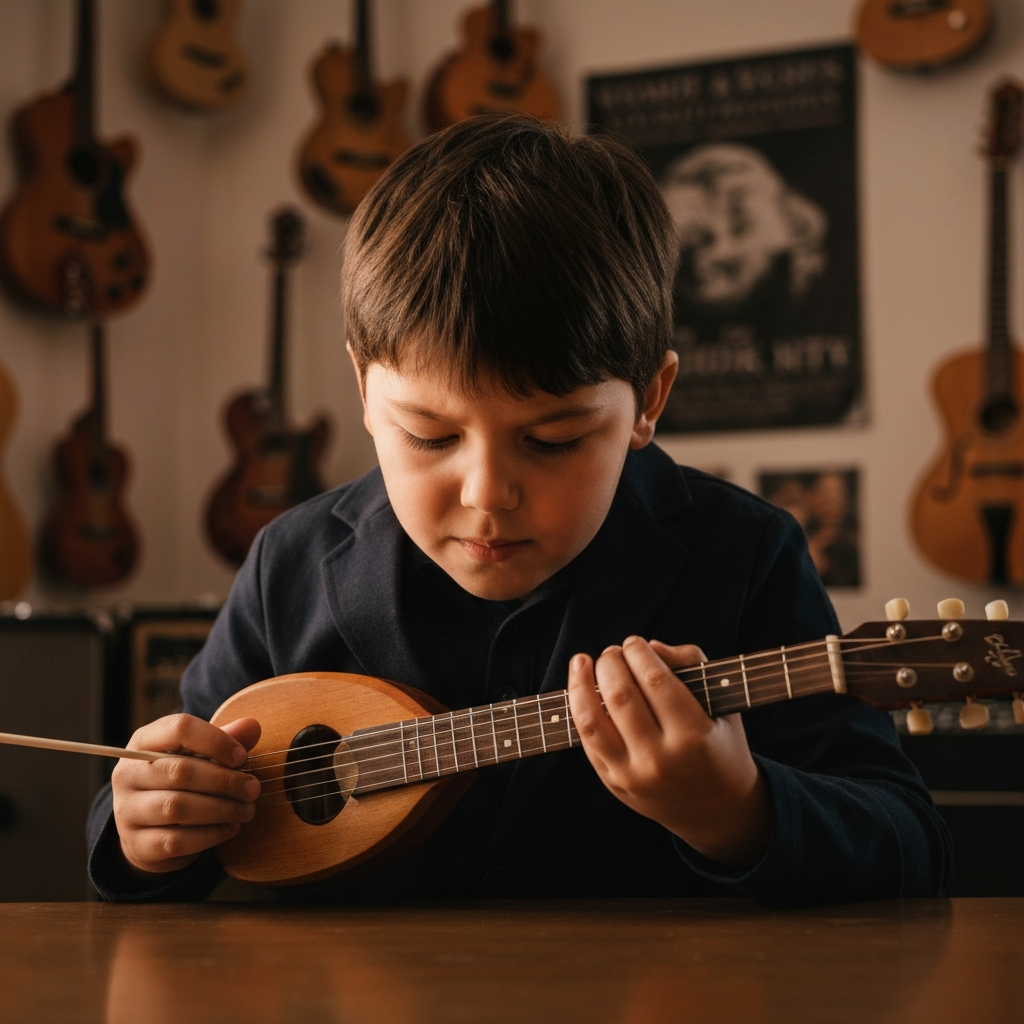
Step 5: Pursue Your Passions and Interests
Making Time for What You Love
Childhood is a time to explore your interests and discover your passions. Make time for activities that bring you joy, whether it's reading, playing sports, creating art, or exploring the outdoors. Engaging in activities you love is essential for your well-being and helps you develop a sense of purpose. Don't be afraid to try new things and experiment with different hobbies until you find what truly resonates with you.
It's easy to get caught up in schoolwork and other obligations, but it's important to prioritize your hobbies. Schedule time for them each week and treat them as important appointments. Remember, taking time for yourself is not selfish; it's essential for maintaining a healthy balance in your life. Don't feel pressured to excel at every activity you try. The goal is to have fun and explore your potential.

Step 6: Embrace New Experiences
Stepping Outside Your Comfort Zone
While it's important to have activities you enjoy, don't be afraid to step outside your comfort zone and try new things. Trying new foods, activities, and even making new friends can broaden your horizons and help you discover hidden talents. An open mind is a valuable asset as you navigate the world, and embracing new experiences can lead to unexpected joys and opportunities.
Overcoming your fear of the unknown is a powerful skill that will serve you well throughout your life. Approach new experiences with curiosity and a willingness to learn. Don't be discouraged if you don't immediately excel at something new; the important thing is to have fun and try your best. Remember, every new experience is an opportunity for growth and self-discovery.
Step 7: Prioritize Happiness and Seek Support
Finding Joy in Everyday Moments
Childhood is a time for joy and laughter. Focus on finding happiness in everyday moments and celebrating the small victories. Don't let stress or worries overshadow your ability to enjoy life. If you're feeling overwhelmed or sad, talk to your parents or a trusted adult about it. They can provide guidance and support to help you navigate your emotions.
Remember, it's okay to ask for help. Seeking support is a sign of strength, not weakness. Your parents, teachers, and other trusted adults are there to guide and support you. Prioritizing your well-being and seeking help when you need it will enable you to live a happier and more fulfilling life. Moshe Ratson, MFT, PCC, highlights the importance of self-care: "The happier you feel, the better of a family member you'll be. Take time to prioritize yourself and do things that you enjoy. When you do things that revitalize you, you'll be more equipped to make your home a happy place!"

Step 8: Strive for Academic Excellence
The Importance of Effort in School
While having fun is essential, remember to put in effort in your studies. Doing well in school opens doors to future opportunities and helps you develop critical thinking skills. If you're struggling with a particular subject, don't be afraid to ask for help from your teachers or parents. They can provide extra support and guidance to help you succeed.
Consider asking your parents about a tutor. This extra one on one help can make a huge difference. Procrastination and lack of preparation are common pitfalls to avoid. Developing good study habits early on can set you up for success in future academic endeavors.

Step 9: Maintain a Positive Outlook
Finding the Good in Every Situation
Cultivating a positive attitude can make a significant difference in your overall well-being. Even when faced with challenges or setbacks, try to find the positive aspects of the situation. Focusing on the good can help you maintain a sense of hope and resilience, even during difficult times. Remember, every cloud has a silver lining, and even the most challenging experiences can provide valuable lessons.
If you find yourself dwelling on negative thoughts, make a conscious effort to shift your focus to positive ones. Think about things you're grateful for or look forward to. Practicing gratitude can help you cultivate a more positive outlook on life. Reframing negative experiences in a more positive light is a skill that will serve you well throughout your life.
Step 10: Celebrate Your Achievements
Recognizing Your Strengths and Abilities
Everyone has unique talents and abilities. Take time to recognize and celebrate your achievements, no matter how small. Acknowledging your strengths and abilities can boost your self-esteem and help you build confidence. Don't compare yourself to others; focus on your own progress and celebrate your personal growth.
If you're feeling down about yourself, make a list of your accomplishments and things you're good at. This can serve as a reminder of your strengths and help you feel more positive about yourself. Don't be afraid to ask your friends or parents what they admire about you; their perspectives can provide valuable insights. Remember, you are unique and valuable, and your achievements deserve to be celebrated.
Step 11: Respect and Listen to Guidance
Valuing the Wisdom of Adults
While it may not always seem like it, the adults in your life usually have your best interests at heart. Respecting and listening to their guidance can help you make informed decisions and avoid potential pitfalls. Their life experiences and wisdom can provide valuable insights that you may not yet have.
If you don't understand a rule or instruction, ask your parents or teachers to explain it to you. Understanding the reasoning behind their guidance can help you appreciate their perspective and make it easier to follow their advice. Remember, adults are not always perfect, but they are usually trying to help you succeed. Open communication and mutual respect are essential for building strong relationships with the adults in your life.
Safety Considerations
It's important to prioritize your safety in all your activities. Always follow safety rules when playing sports, riding your bike, or engaging in other outdoor activities. Be aware of your surroundings and avoid situations that feel unsafe. If you ever feel threatened or uncomfortable, tell a trusted adult immediately.
Be careful when interacting with strangers online or in person. Never give out personal information, such as your address or phone number, to someone you don't know. If you're meeting someone in person, make sure it's in a public place and with the supervision of a trusted adult. Remember, your safety is paramount, and it's always better to be cautious than to take unnecessary risks.
Conclusion
Living life as a kid is a unique and precious opportunity. By building strong friendships, embracing diversity, practicing kindness, staying true to yourself, pursuing your passions, embracing new experiences, prioritizing happiness, striving for academic excellence, maintaining a positive outlook, celebrating your achievements, and respecting adult guidance, you can create a childhood filled with joy, growth, and meaningful connections. Remember to cherish every moment and make the most of this special time in your life. Your childhood is a foundation upon which you will build your future, so make it a strong and joyful one.