A clean school is a healthy school, a happy school, and a more productive learning environment. Maintaining cleanliness is not just the responsibility of the custodial staff; it's a collective effort that involves students, teachers, and administrators alike. By implementing simple daily habits and organizing larger cleaning initiatives, we can all contribute to creating a more pleasant and conducive atmosphere for learning.
This guide provides practical steps and actionable strategies for keeping your school clean. From everyday cleaning habits to organizing school-wide cleaning events, we'll cover everything you need to know to make a positive impact on your school's environment. Remember, a little effort from everyone goes a long way. We will also touch on the importance of hygiene and some health and safety benefits of keeping things tidy.
Let's work together to create a cleaner, healthier, and more inspiring school environment for everyone!
Step 1: Practicing Everyday Cleaning Habits
Adopting simple cleaning habits in your daily routine can significantly impact your school's overall cleanliness. These small actions, when performed consistently, contribute to a cleaner and more pleasant environment for everyone. It all starts with personal responsibility and a commitment to maintaining cleanliness.

Step 2: Wipe Your Feet Before Entering
One of the easiest ways to prevent dirt and debris from accumulating indoors is by wiping your feet on entrance mats. Mats effectively trap dirt, mud, and other outdoor particles before they can be tracked into classrooms and hallways. Make it a habit to thoroughly wipe your shoes or boots on the provided mats before entering the school building. If your school doesn't have mats, try scraping your feet on the pavement before entering to remove some of the larger debris.

Step 3: Throw Away Trash Immediately
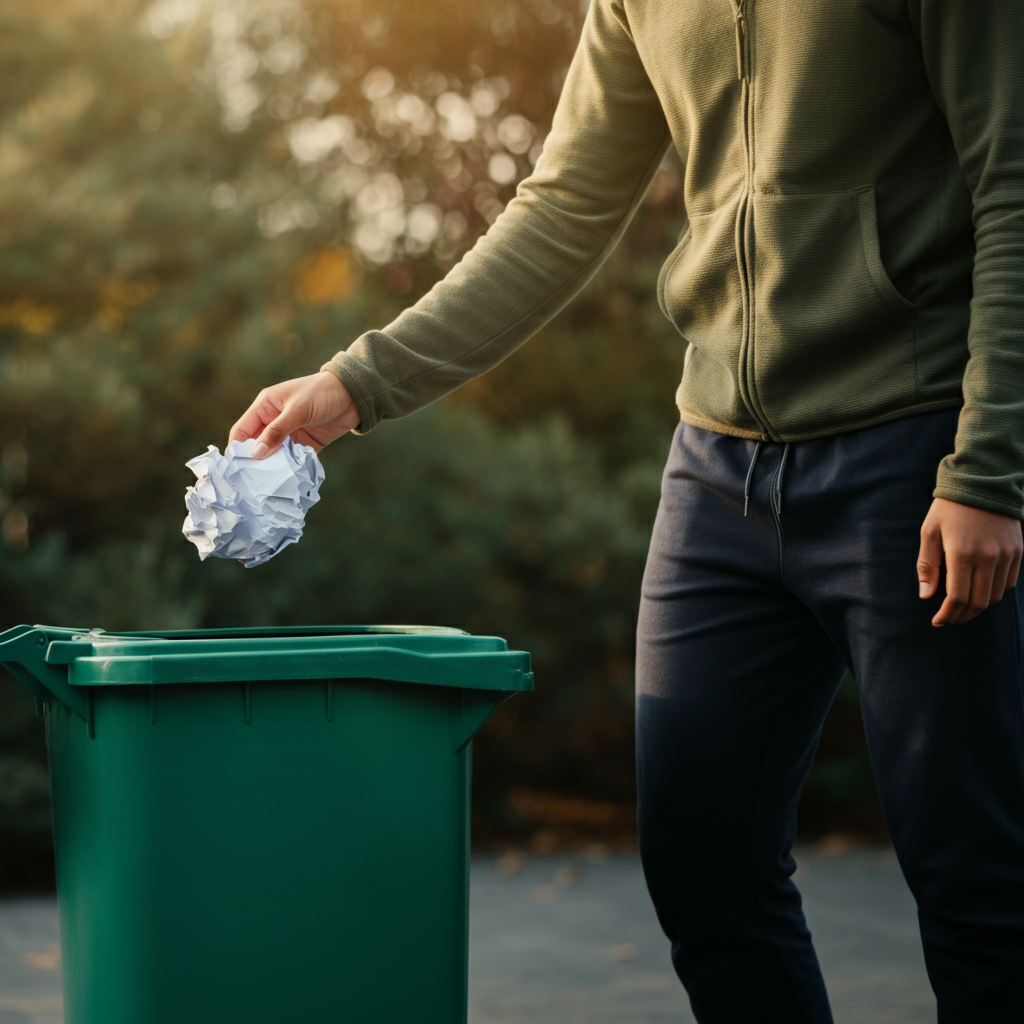
Avoid littering by disposing of trash in designated waste bins. Whether it's a candy wrapper, a used tissue, or a scrap of paper, make a conscious effort to throw it away immediately. If you notice trash on the floor, even if it's not yours, pick it up and dispose of it properly. This simple act of kindness contributes to a cleaner environment and sets a positive example for others. Encourage your friends to do the same. If you find something unpleasant, like a used tissue, use a napkin or paper towel to pick it up.
Step 4: Recycle Responsibly
Recycling is an essential part of waste management and environmental sustainability. Familiarize yourself with your school's recycling program and sort recyclable materials properly. Paper, plastic, glass, and aluminum cans should be placed in designated recycling bins. If your school doesn't have a recycling program, consider advocating for one. Start a "green team" and organize a lunch to encourage others to recycle. Setting up recycling bins with visual aids showing which items belong in each bin will help everyone recycle effectively.

Step 5: Put Things Away After Use
A cluttered environment can be distracting and overwhelming. After using books, equipment, or materials, always put them back in their designated places. This simple act keeps classrooms and common areas organized and prevents items from getting lost or damaged. Leaving things lying around creates a messy environment and can be a safety hazard. Remember, even small efforts like putting things away after use can make a significant difference.

Step 6: Clean Up Your Lunch Area
The cafeteria can quickly become messy during lunch breaks. Make sure to clean up your table before leaving. Dispose of food wrappers, empty containers, and used napkins properly. Wipe up any spills with a paper towel. Push in your chair to keep the area tidy and prevent accidents. Checking the floor for dropped items before you leave is also a good idea.
Step 7: Clean Up Spills Immediately
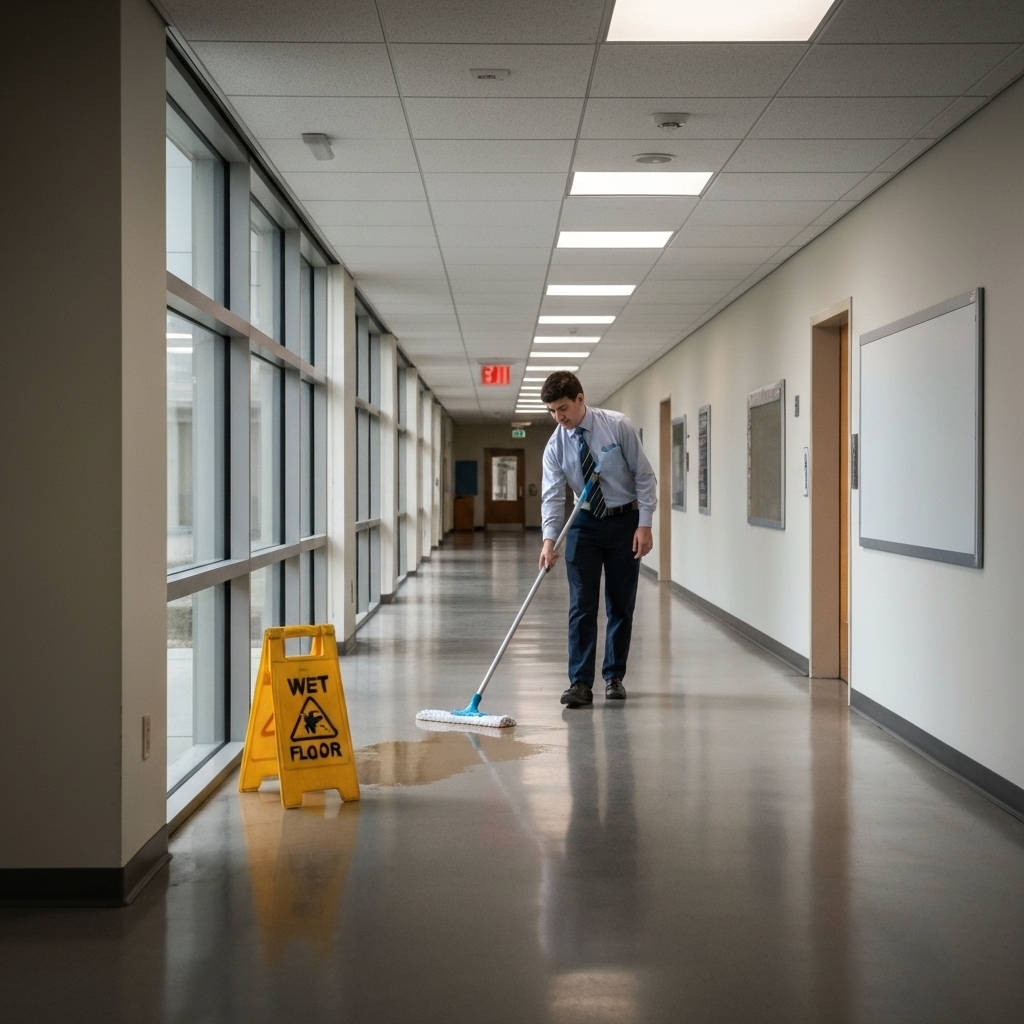
Spills happen. But neglecting to clean them up can create sticky messes, safety hazards, and attract pests. If you spill a drink or any other liquid, clean it up immediately. Use paper towels or ask a teacher or staff member for assistance with a mop. Promptly addressing spills helps prevent accidents and maintains a clean and safe environment.

Step 8: Avoid Damaging Displays
Schools often showcase student work, projects, and educational displays. These displays enhance the learning environment and celebrate student achievement. Be mindful of these displays and take care not to bump into them or cause damage. Respect the work of others by treating displays with care. If you accidentally damage a display, report it to a teacher or staff member immediately.

Step 9: Cover Your Mouth When You Sneeze or Cough
Proper hygiene is crucial for preventing the spread of germs and illnesses. When you sneeze or cough, cover your mouth and nose with a tissue or your elbow. Wash your hands thoroughly with soap and water after coughing or sneezing. This simple practice significantly reduces the transmission of airborne germs and protects the health of your classmates and teachers.
Step 10: Wash Your Hands Frequently
Handwashing is one of the most effective ways to prevent the spread of germs. Wash your hands frequently with soap and water, especially after using the restroom, before eating, and after touching potentially contaminated surfaces. Carry hand sanitizer for situations where soap and water are not readily available. Frequent handwashing helps maintain personal hygiene and protects the health of the entire school community.
Step 11: Organizing a School Cleaning Event
Organizing a school cleaning event is a great way to engage students, teachers, and parents in maintaining a clean and healthy environment. These events can address areas that are often overlooked during regular cleaning routines and foster a sense of community and responsibility.
Step 12: Seek Permission
The first step in organizing a cleaning event is to obtain permission from the school administration. Schedule a meeting with the principal to discuss your proposal, including the goals of the event, the proposed date and time, and the areas you plan to clean. Gather support from teachers and students by circulating a petition before the meeting. This demonstrates widespread interest in the event and increases the likelihood of approval.
Step 13: Gather Cleaning Supplies
Once you have received permission, gather the necessary cleaning supplies. Check if the school has supplies you can borrow. If not, consider organizing a fundraiser to purchase the needed items. Essential supplies include rubber gloves, cleaning solutions, cloths, trash bags, feather dusters, and toilet brushes (if cleaning restrooms).
Expert Tip: For an all-purpose cleaner, mix a teaspoon of castille soap with a quart of deionized water in a spray bottle. Deionized water is a powerful cleaning agent that can clean almost anything.Step 14: Promote Your Event
To ensure a successful cleaning event, promote it widely. Create flyers and posters to advertise the event around the school. Announce the event during assemblies or morning announcements. Utilize social media and school newsletters to reach a wider audience. Word-of-mouth is also an effective tool – encourage your friends to invite others. Consider offering incentives, such as pizza or snacks, to attract more volunteers.
Step 15: Organize Volunteers
On the day of the event, divide volunteers into groups and assign each group specific tasks. This ensures that all areas are covered and prevents duplication of effort. For example, one group could focus on cleaning classrooms, another on cleaning bathrooms, and another on tidying up the school grounds. Provide each group with the necessary cleaning supplies and instructions.
Step 16: Focus on Overlooked Areas
Concentrate on cleaning areas that are not typically addressed during regular cleaning routines. These may include cleaning chairs in the auditorium, dusting the tops of lockers, washing windows, or cleaning marker off bathroom walls. Consider planting flowers around the campus to enhance the aesthetic appeal. This approach ensures that the cleaning event has a significant impact on the overall cleanliness of the school.
Step 17: Practice Safety
Safety is paramount during any cleaning event. Ensure that all volunteers wear rubber gloves when handling cleaning chemicals. Read and follow the instructions on all cleaning product labels. Avoid touching used tissues or other potentially contaminated materials. Dispose of trash bags carefully to prevent spills. If any accidents occur, report them to a supervisor immediately.
Step 18: Start a Cleaning Club
If the cleaning event is a success, consider forming a school cleaning club to make cleanliness a regular practice. The club can organize weekly or monthly cleaning sessions to maintain the school's cleanliness. Seek approval from the school administration and recruit members. By establishing a cleaning club, you can create a sustainable culture of cleanliness and responsibility within the school community.
Safety Considerations
- Always wear gloves when handling cleaning chemicals.
- Read and follow the instructions on all cleaning product labels.
- Avoid mixing different cleaning products, as this can create hazardous fumes.
- Dispose of trash and cleaning supplies properly.
- Report any accidents or injuries to a supervisor immediately.
FAQ Section
- Q: What if my school doesn't have recycling bins?
- A: Talk to your teachers and principal about starting a recycling program. Offer to help organize it!
- Q: What if I see someone littering?
- A: Politely ask them to pick it up. You can also set a good example by picking up litter yourself.
- Q: What kind of cleaning supplies are safe for kids to use?
- A: Look for non-toxic, environmentally friendly cleaning products. Always follow the instructions on the label.
Conclusion
Keeping your school clean is a shared responsibility that benefits everyone. By adopting simple daily cleaning habits and participating in organized cleaning events, you can contribute to a healthier, more pleasant, and more productive learning environment. Remember, even small actions can make a big difference. Let's work together to create a school we can all be proud of!