A clean school is a happy school. It's a place where students can focus on learning, teachers can teach effectively, and everyone can feel comfortable and proud of their environment. Maintaining cleanliness isn't just the responsibility of the custodial staff; it's a collective effort that involves students, teachers, administrators, and the wider school community. A clean school not only looks better, but it also contributes to better health, improved morale, and a more positive learning atmosphere.
Keeping a school clean might seem like a monumental task, but it's achievable through a combination of daily habits, organized efforts, and a shared commitment to maintaining a healthy and welcoming space. This guide provides practical steps and insights into fostering a cleaner school environment, from individual actions to school-wide initiatives. We'll cover everything from simple daily cleaning habits to organizing larger clean-up events. The goal is to make cleanliness an integral part of the school culture.
Let's dive into the specific actions you can take to make a tangible difference in keeping your school clean and a source of pride for everyone.
Step 1: Develop Daily Cleaning Habits
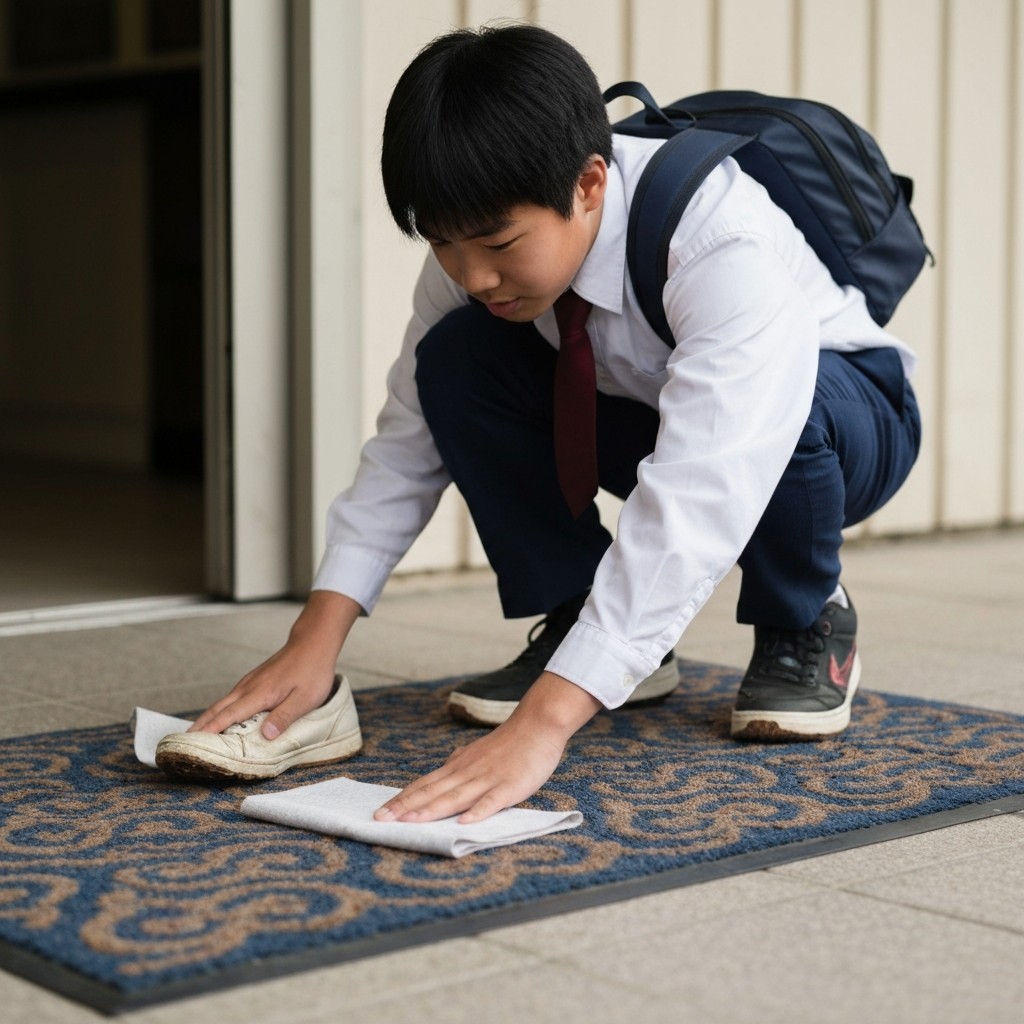
Wipe Your Feet Before Entering
One of the easiest and most effective ways to keep your school clean is to wipe your feet thoroughly on entrance mats before entering the building. Shoes can track in dirt, mud, leaves, and other debris, which quickly accumulate and make floors look dirty. Taking a few seconds to wipe your feet significantly reduces the amount of outside grime brought inside. If your school doesn't have adequate mats, consider suggesting their installation to the administration or student council. Perhaps a fundraising activity could be organized to pay for them. A good mat at each entrance can make a surprisingly big difference.
Step 2: Dispose of Trash Properly
Make a conscious effort to dispose of all trash in designated wastebaskets. This includes everything from candy wrappers and used tissues to discarded papers. Even small pieces of trash can contribute to a messy and unappealing environment. If you see someone else drop something, be proactive and pick it up. Encourage your friends to do the same. Small acts of kindness like these make a big impact collectively. For potentially unsanitary items, like used tissues, using a napkin or glove to pick them up is a good hygiene practice.
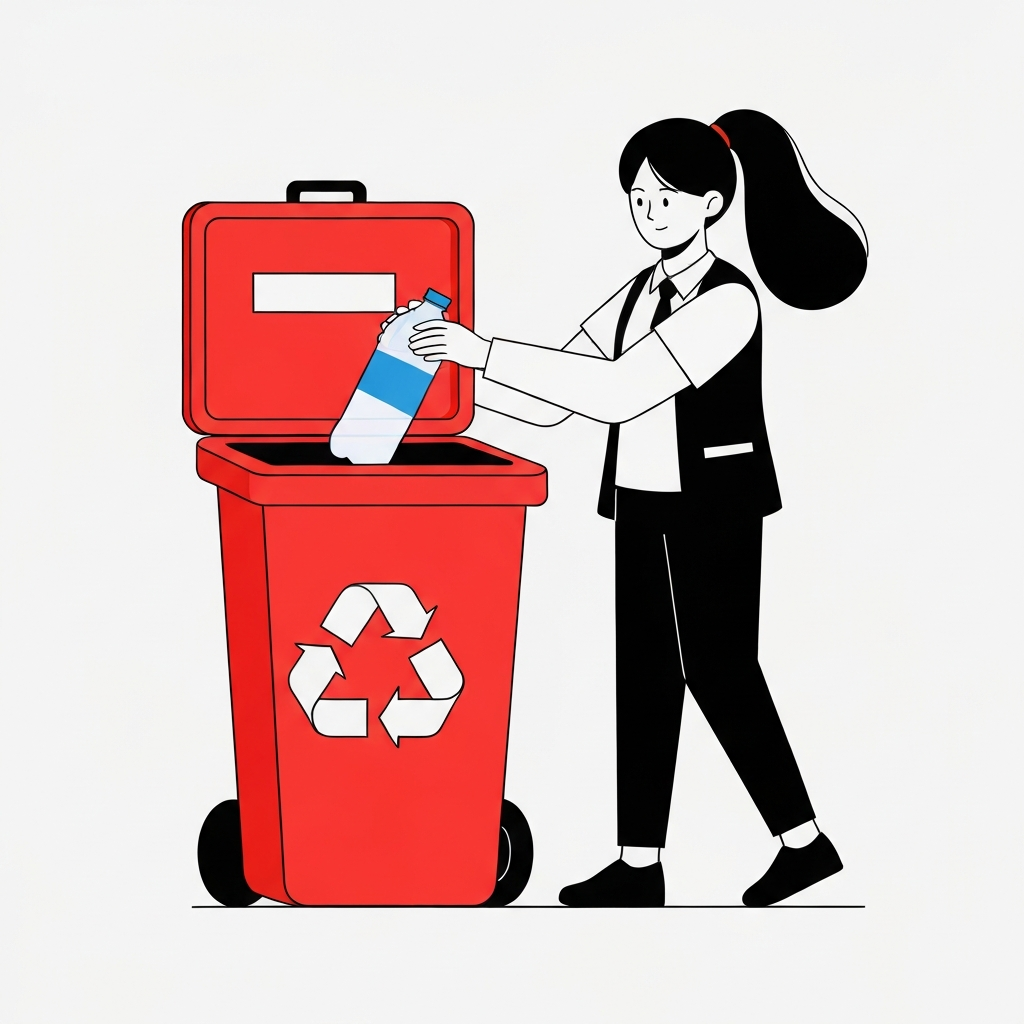
Step 3: Embrace Recycling
Participate actively in your school's recycling program. Separate paper, plastic, glass, and aluminum cans into the appropriate recycling bins. Recycling reduces the amount of waste sent to landfills and conserves natural resources. If your school doesn't have a recycling program, advocate for its implementation. You can work with teachers, administrators, and fellow students to establish a system for collecting and sorting recyclable materials. Consider starting a "Green Team" that focuses on promoting sustainability and waste reduction throughout the school.
Step 4: Put Things Away After Use
Always put items back in their designated places after using them. This applies to everything from books and supplies in the classroom to equipment in the science lab or gym. Leaving things lying around creates clutter and makes it more difficult to maintain a clean and organized space. Make it a habit to return items promptly after use, and encourage others to do the same. Remind yourself that even small acts of tidiness contribute to an overall sense of order and cleanliness.
Step 5: Keep Lunch Areas Clean
After finishing lunch or snacks, make sure your table is clean and free of food scraps, wrappers, and containers. Wipe up any spills immediately. Push in your chair before leaving the table. Check the floor around your area for any dropped items and pick them up. The cafeteria or lunchroom is a high-traffic area, and keeping it clean requires the cooperation of everyone using the space. Take pride in leaving the area clean for the next person.
Step 6: Clean Up Spills Immediately
Accidents happen, and spills are inevitable. However, the key is to address them promptly. If you spill your drink or any other liquid, clean it up immediately using paper towels or a mop. Leaving spills unattended can create a sticky mess, attract pests, and potentially cause slip-and-fall hazards. Alert a teacher or staff member if you need assistance with cleaning up a large or difficult spill.
Step 7: Respect Displays and Artwork
Be mindful of your surroundings and avoid damaging or disrupting displays, artwork, and other projects around the school. These items are often the result of students' hard work and creativity, and they contribute to the overall aesthetic appeal of the school. Take care not to bump into or knock over displays, and avoid touching or handling artwork without permission. Remember that respecting the work of others helps create a positive and appreciative school environment.
Step 8: Practice Proper Hygiene
Cover your mouth and nose with a tissue or your elbow when you cough or sneeze to prevent the spread of germs. Dispose of used tissues properly. Wash your hands frequently with soap and water, especially after using the restroom, before eating, and after touching surfaces that may be contaminated. If soap and water are not readily available, use hand sanitizer. Practicing good hygiene is essential for preventing the spread of illness and maintaining a healthy school environment. Remind others about the importance of handwashing, especially during cold and flu season.
Step 9: Organize a School Cleaning Event
Get Permission and Plan
Organizing a school-wide cleaning event is an excellent way to make a significant impact on the cleanliness of the school. First, seek permission from the school administration. Schedule a meeting with the principal to discuss your proposal, including the scope of the event, the date and time, and the resources you will need. Before your meeting, gather support from teachers, students, and parents. A petition demonstrating widespread support can strengthen your case. Consider partnering with local businesses or organizations to secure sponsorships or donations of cleaning supplies.
Gather Supplies
Once you have approval, gather the necessary cleaning supplies. Depending on the areas you plan to clean, you may need items such as: rubber gloves, cleaning solutions (ensure they are school-approved and safe for use by students), trash bags, brooms, mops, buckets, dust cloths, window cleaner, and gardening tools (if you plan to clean outdoor areas). Check with the school's custodial staff to see if you can borrow any supplies. If not, consider holding a fundraiser to purchase the necessary items. Don't forget safety gear like gloves and eye protection.
Promote the Event
Spread the word about the cleaning event through flyers, posters, announcements, social media, and word of mouth. Highlight the benefits of a clean school and encourage students, teachers, parents, and community members to participate. Offer incentives, such as refreshments or small prizes, to motivate volunteers. Create a sign-up sheet to track participation and assign tasks.
Assign Tasks and Focus Areas
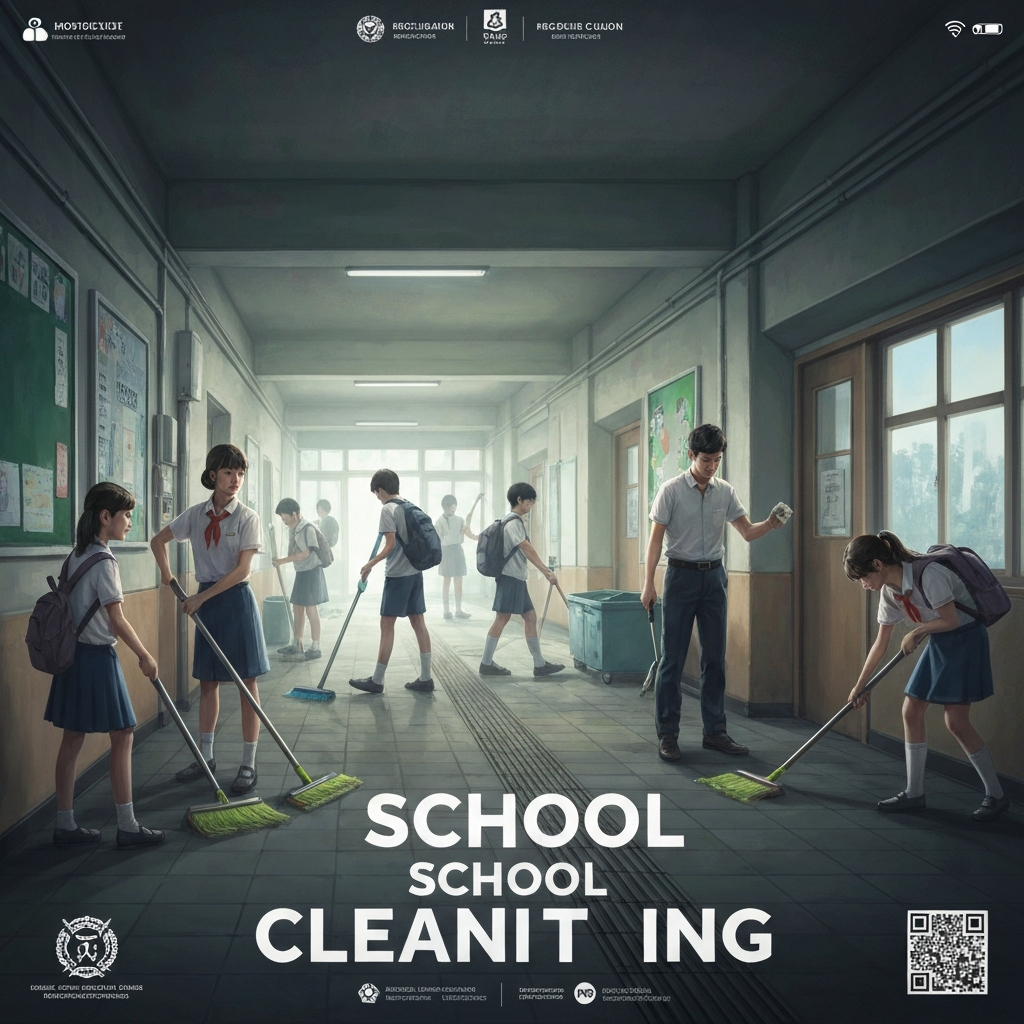
On the day of the event, organize volunteers into teams and assign specific tasks to each team. Focus on areas that are often overlooked or neglected, such as: cleaning windows, dusting high shelves, wiping down lockers, scrubbing bathroom tiles, picking up litter on the playground, weeding flower beds, and organizing storage areas. Make sure each team has the necessary supplies and instructions for their assigned task. Regularly check in with the teams to provide support and address any challenges.
Prioritize Safety
Emphasize the importance of safe cleaning practices. Provide clear instructions on how to use cleaning products safely, and ensure that all volunteers wear appropriate protective gear, such as gloves and eye protection. Supervise the use of cleaning products and equipment, especially by younger students. Dispose of waste and used cleaning supplies properly. Have a first-aid kit on hand in case of minor injuries.
Consider a Cleaning Club
If the cleaning event is successful, consider forming a school cleaning club to make cleaning a regular activity. Meet regularly to clean specific areas of the school or organize larger cleaning events. The cleaning club can also promote awareness of cleanliness and environmental responsibility through educational campaigns and activities.
Common Mistakes to Avoid
- Not seeking permission: Always get approval from the school administration before organizing any cleaning events.
- Using inappropriate cleaning products: Only use cleaning products that are approved by the school and safe for use by students.
- Ignoring safety precautions: Always wear appropriate protective gear and follow safe cleaning practices.
- Lack of organization: Plan the cleaning event carefully and assign tasks to avoid confusion and inefficiency.
- Not involving the entire community: Encourage participation from students, teachers, parents, and community members.
Safety Considerations
- Always read and follow the instructions on cleaning product labels.
- Wear gloves and eye protection when handling cleaning products.
- Ventilate the area well when using cleaning products.
- Never mix different cleaning products together.
- Dispose of used cleaning supplies and waste properly.
- Supervise the use of cleaning products and equipment by younger students.
FAQ Section
- Q: How can I convince my school to start a recycling program?
- A: Gather data on the benefits of recycling, present a proposal to the school administration, and enlist the support of teachers, students, and parents.
- Q: What should I do if I see someone vandalizing school property?
- A: Report the incident to a teacher, administrator, or security personnel.
- Q: How can I encourage my classmates to be more responsible about cleaning up after themselves?
- A: Lead by example, politely remind them to clean up, and explain the benefits of a clean school environment.
Conclusion
Keeping your school clean is a collaborative effort that requires the participation of the entire school community. By adopting daily cleaning habits, organizing cleaning events, and promoting awareness of cleanliness and environmental responsibility, you can create a healthier, more pleasant, and more productive learning environment for everyone. Remember that even small actions can make a big difference, and that a clean school is a source of pride for all.