Embarking on a fitness journey can feel daunting, but it's one of the most rewarding investments you can make in yourself. Forget the notion of overnight transformations or unrealistic expectations. This guide focuses on building a sustainable foundation for lifelong health and well-being. It’s about progress, not perfection.
This isn't about becoming a professional athlete; it's about discovering the athlete within – the person capable of pushing their limits, achieving their goals, and feeling incredible in their own skin. We'll cover the essentials, from setting realistic goals to understanding basic nutrition and establishing a consistent workout routine.
Prepare to challenge yourself, embrace the process, and unlock a healthier, more vibrant you. Remember, consistency is key. Let's dive in!
Step 1: Define Your "Why" and Set Realistic Goals
Before you lace up your shoes, take a moment to reflect on your motivation. Why do you want to get fit? Is it to improve your energy levels, manage your weight, reduce stress, or something else entirely? Clearly defining your "why" will serve as your compass during challenging times. Once you have your "why", it's time to set some S.M.A.R.T. goals – Specific, Measurable, Achievable, Relevant, and Time-bound. Avoid vague goals like "get in shape." Instead, aim for something like "walk for 30 minutes, three times a week for the next month," or "lose 5 pounds in two months by incorporating healthier meal choices." Start small and gradually increase the intensity and duration of your workouts.

Step 2: Consult with a Healthcare Professional
Especially if you have any underlying health conditions, haven't exercised in a while, or are experiencing any pain or discomfort, it's crucial to consult with your doctor or a qualified healthcare professional before starting a new fitness program. They can assess your overall health, identify any potential risks, and provide personalized recommendations based on your individual needs. This is not a step to skip. Your health should always be your top priority. Ignoring this step could lead to injury or exacerbate existing conditions.

Step 3: Build a Balanced Workout Routine
A well-rounded fitness routine should incorporate three key elements: cardiovascular exercise, strength training, and flexibility exercises. Cardiovascular exercise, such as running, swimming, or cycling, improves your heart health and endurance. Strength training, using weights or bodyweight exercises, builds muscle mass and strengthens your bones. Flexibility exercises, such as stretching or yoga, improve your range of motion and reduce your risk of injury. Aim for at least 150 minutes of moderate-intensity aerobic exercise or 75 minutes of vigorous-intensity aerobic exercise per week, along with strength training exercises that work all major muscle groups at least two days a week. Don't be afraid to experiment with different activities to find what you enjoy.

Step 4: Master the Basics of Nutrition
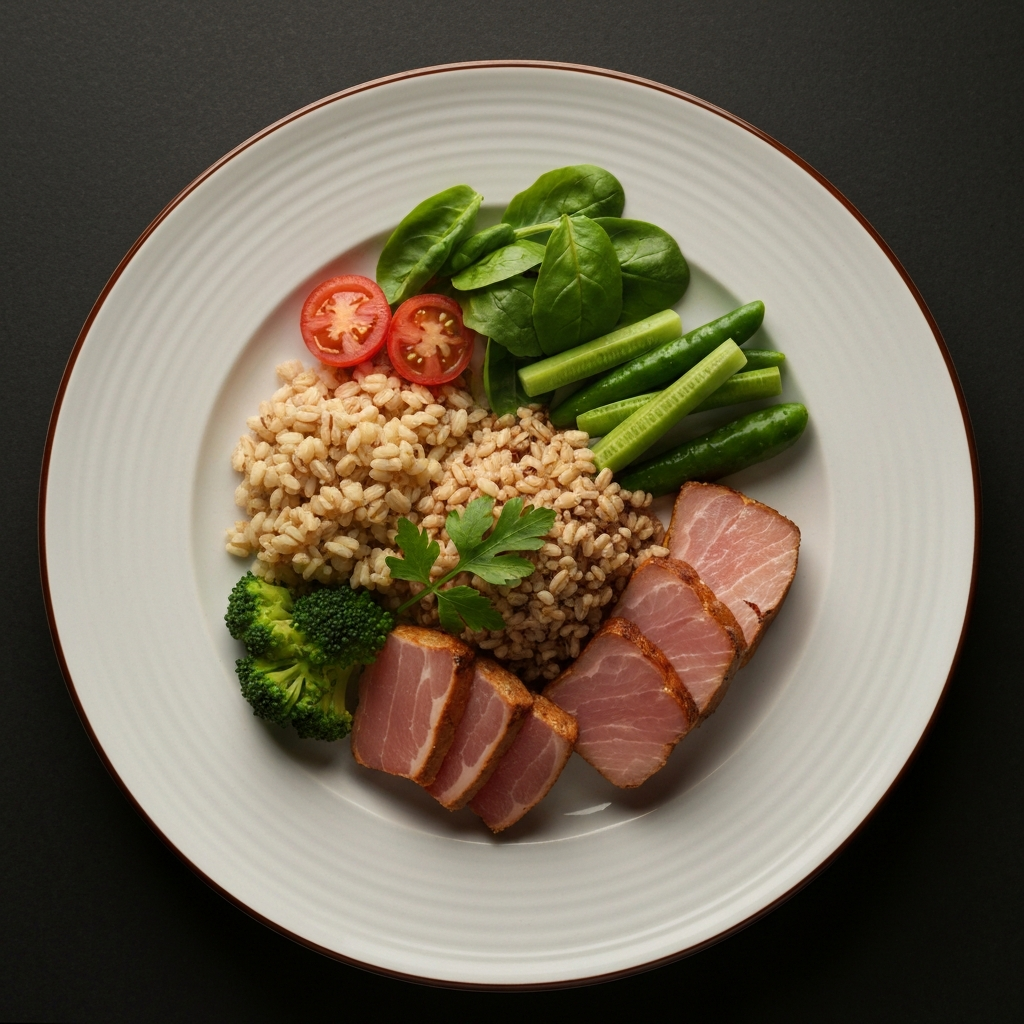
Fitness is not just about exercise; it's also about nourishing your body with the right nutrients. Focus on consuming a balanced diet rich in fruits, vegetables, lean protein, and whole grains. Limit your intake of processed foods, sugary drinks, and unhealthy fats. Pay attention to portion sizes and listen to your body's hunger cues. Consider consulting with a registered dietitian or nutritionist for personalized guidance on meal planning and healthy eating habits. Drinking plenty of water throughout the day is also essential for optimal performance and overall health. Don't drastically change your diet overnight. Small, sustainable changes are more likely to lead to long-term success.
Step 5: Prioritize Rest and Recovery
Rest and recovery are just as important as exercise and nutrition. When you work out, you're essentially breaking down your muscle fibers. Rest allows your body to rebuild and repair these fibers, making you stronger. Aim for at least 7-8 hours of quality sleep per night. Incorporate rest days into your workout routine to allow your body to recover. Consider activities like yoga, meditation, or massage to promote relaxation and reduce stress. Ignoring rest and recovery can lead to overtraining, injury, and burnout.

Common Mistakes to Avoid
- Doing too much, too soon: Start slowly and gradually increase the intensity and duration of your workouts.
- Ignoring pain: Listen to your body and stop if you feel any pain.
- Comparing yourself to others: Focus on your own progress and celebrate your achievements.
- Not tracking progress: Keep a workout journal or use a fitness tracker to monitor your progress and stay motivated.
- Neglecting proper form: Always prioritize proper form over lifting heavy weights.
Safety Considerations
Always warm up before each workout and cool down afterward. Use proper form when performing exercises. Stay hydrated by drinking plenty of water before, during, and after your workouts. Wear appropriate clothing and footwear. If you experience any pain or discomfort, stop immediately and consult with a healthcare professional.
FAQ Section
- Q: How often should I work out?
- A: Aim for at least 150 minutes of moderate-intensity aerobic exercise or 75 minutes of vigorous-intensity aerobic exercise per week, along with strength training exercises that work all major muscle groups at least two days a week.
- Q: What should I eat before a workout?
- A: Choose a light, easily digestible snack that is high in carbohydrates and low in fat, such as a banana or a slice of toast with peanut butter.
- Q: What should I eat after a workout?
- A: Focus on consuming a meal or snack that is high in protein and carbohydrates to help replenish your energy stores and repair your muscle tissue.
- Q: How long will it take to see results?
- A: Results vary depending on individual factors, such as genetics, diet, and consistency. However, you can expect to see noticeable improvements in your energy levels, strength, and overall well-being within a few weeks of starting a regular fitness program.
Unlocking your inner athlete is a journey, not a destination. Be patient, persistent, and celebrate your progress along the way. Remember that small, consistent steps will ultimately lead to significant and lasting results. Embrace the challenge, enjoy the process, and discover the incredible potential within you. The most important workout is the one you actually do. Now go out there and make it happen!