In the wild and wonderful world of the internet, memes reign supreme. They're the cultural currency of our time, shared, remixed, and re-imagined across countless platforms. But creating a meme that truly resonates and goes viral is more than just slapping text onto a funny image. It requires understanding humor, culture, and the ever-shifting landscape of online trends.
This guide is your roadmap to becoming a master of meme creation, someone who can consistently craft content that captures the zeitgeist and spreads like wildfire. We'll delve into the core principles of meme creation, from identifying trending topics to understanding comedic timing and leveraging the power of shareability.
Prepare to unlock your inner meme lord and learn how to craft content that not only entertains but also leaves a lasting impact on the internet.
Step 1: Identify Trending Topics and Cultural Moments
The foundation of any successful meme is its relevance. You need to be plugged into the current cultural conversation. This means staying abreast of news events, trending hashtags, viral videos, and popular social media challenges. Pay attention to what people are talking about, what they're feeling, and what they're sharing. Tools like Google Trends, Twitter's trending topics, and Reddit's r/popular subreddit are invaluable resources. Don't just passively observe; actively engage with the content and try to understand why it's resonating with audiences.

Step 2: Choose Your Meme Format Wisely
Different meme formats lend themselves to different types of humor and commentary. The "Drake Hotline Bling" meme might be perfect for contrasting preferences, while the "Distracted Boyfriend" meme is ideal for highlighting divided loyalties. Understanding the strengths and limitations of each format is crucial. Browse meme aggregators like Know Your Meme or use online meme generators to familiarize yourself with the vast array of templates available. Experiment with different formats to see which ones best suit your comedic style and the message you're trying to convey. Avoid using outdated or overly saturated formats, as they're less likely to gain traction.

Step 3: Craft a Hilarious and Relatable Caption
The caption is where the magic happens. A clever, witty, and relatable caption can transform an ordinary image into a viral sensation. Strive for humor that is both original and universally understandable. Avoid inside jokes that only a small group of people will get. Use strong verbs, active voice, and concise language. Consider incorporating puns, wordplay, or ironic twists. Test your captions on a small group of friends or colleagues to gauge their reactions before posting them online. The more relatable the caption, the wider the audience it will reach.

Step 4: Add Visual Enhancements (If Necessary)
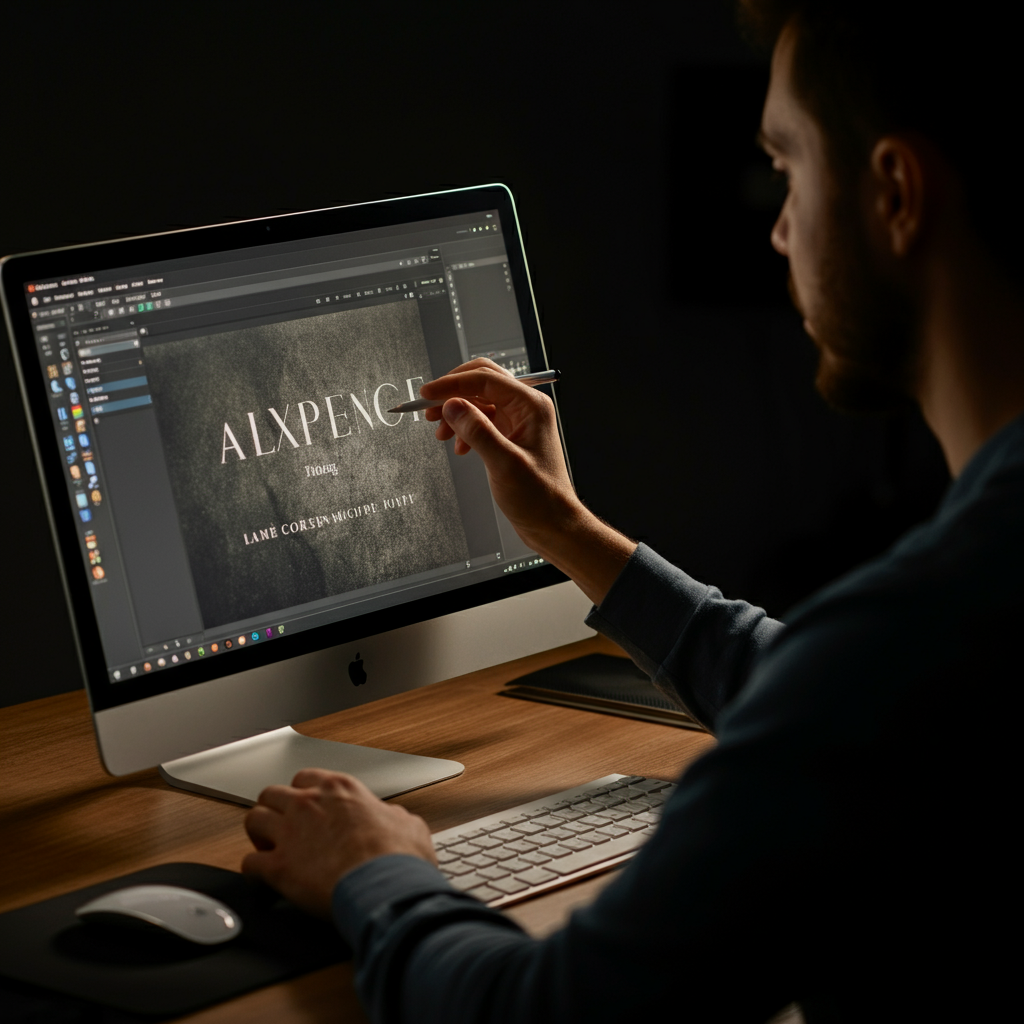
While some memes rely solely on the image and caption, others benefit from additional visual enhancements. This could involve adding text overlays, speech bubbles, or simple graphics. The key is to keep it clean, simple, and visually appealing. Avoid using excessive or distracting effects. Ensure that the text is legible and easy to read, even on small screens. If you're using graphics, choose colors and styles that complement the overall aesthetic of the meme. There are many free online tools to help with simple photo editing tasks.
Step 5: Share Strategically
Creating a great meme is only half the battle. You also need to share it strategically to maximize its reach. Identify the platforms where your target audience is most active. Tailor your posting schedule to align with peak engagement times. Use relevant hashtags to increase visibility. Share your memes in relevant online communities and forums. Encourage your friends and followers to share your content. Consider collaborating with other meme creators or influencers to amplify your reach. The more you promote your meme, the greater its chances of going viral.

Step 6: Analyze and Adapt
The meme landscape is constantly evolving, so it's important to analyze your results and adapt your strategy accordingly. Pay attention to which memes perform well and which ones flop. Identify the factors that contribute to success, such as the format, caption, or timing. Use analytics tools to track your meme's reach, engagement, and shareability. Experiment with different approaches to see what resonates with your audience. Don't be afraid to abandon strategies that aren't working and embrace new trends as they emerge. The key to becoming a successful meme creator is to be adaptable and constantly learning.

Pro Tips
- Be Authentic: Create memes that reflect your own personality and sense of humor.
- Be Patient: Not every meme will go viral, and that's okay.
- Be Respectful: Avoid creating memes that are offensive, hateful, or harmful.
- Stay Updated: Continuously learn about new meme formats, trends, and technologies.
FAQ Section
- What makes a meme go viral?
- A combination of factors, including relevance, humor, relatability, shareability, and strategic promotion.
- How can I find trending topics?
- Use tools like Google Trends, Twitter's trending topics, and Reddit's r/popular subreddit. Also, pay attention to news events and viral videos.
- Is it okay to use copyrighted material in memes?
- Fair use laws can be complex. It's generally acceptable to use small excerpts of copyrighted material for parody or commentary, but always err on the side of caution.
Conclusion
Unleashing your inner meme lord is a journey, not a destination. It requires a keen understanding of online culture, a sharp wit, and a willingness to experiment. By following the steps outlined in this guide, you'll be well on your way to creating memes that resonate with audiences and leave a lasting impact on the internet. Remember to stay authentic, be patient, and always strive to create content that is both entertaining and respectful. Now go forth and meme!