Let's face it, family life can be chaotic. Between the early morning rush, after-school activities, and the general buzz of everyone living under one roof, finding peace and quiet can feel like an impossible dream. But fear not! This guide is designed to provide practical, actionable steps to help you cultivate a more harmonious home environment. It's not about eliminating the fun and laughter; it's about creating a sustainable balance that supports everyone's well-being.
We'll explore strategies for establishing routines, managing conflicts, fostering communication, and creating dedicated spaces for both individual pursuits and family time. Remember, consistency is key, and small changes can make a big difference in the long run. The goal isn't perfect silence, but rather a home where everyone feels respected, heard, and able to thrive. It's about managing the volume, not muting it entirely.
Consider this your roadmap to a slightly less wild, slightly more peaceful family life. Let's begin the journey toward a calmer and happier home.
Step 1: Establish Predictable Routines
Creating Structure for Sanity
The foundation of a calmer home lies in predictable routines. Children, especially, thrive on knowing what to expect. A consistent morning routine, for example, can reduce stress and arguments. This could include set wake-up times, designated tasks (getting dressed, brushing teeth), and pre-planned breakfast options. Similarly, establish regular mealtimes, homework schedules, and bedtime rituals. Post these routines visibly. Consistency is paramount; stick to the schedule as much as possible, even on weekends (with some flexibility, of course). This reduces uncertainty and provides a sense of security.

Step 2: Designate Zones for Activities
Creating Physical Boundaries for Focus
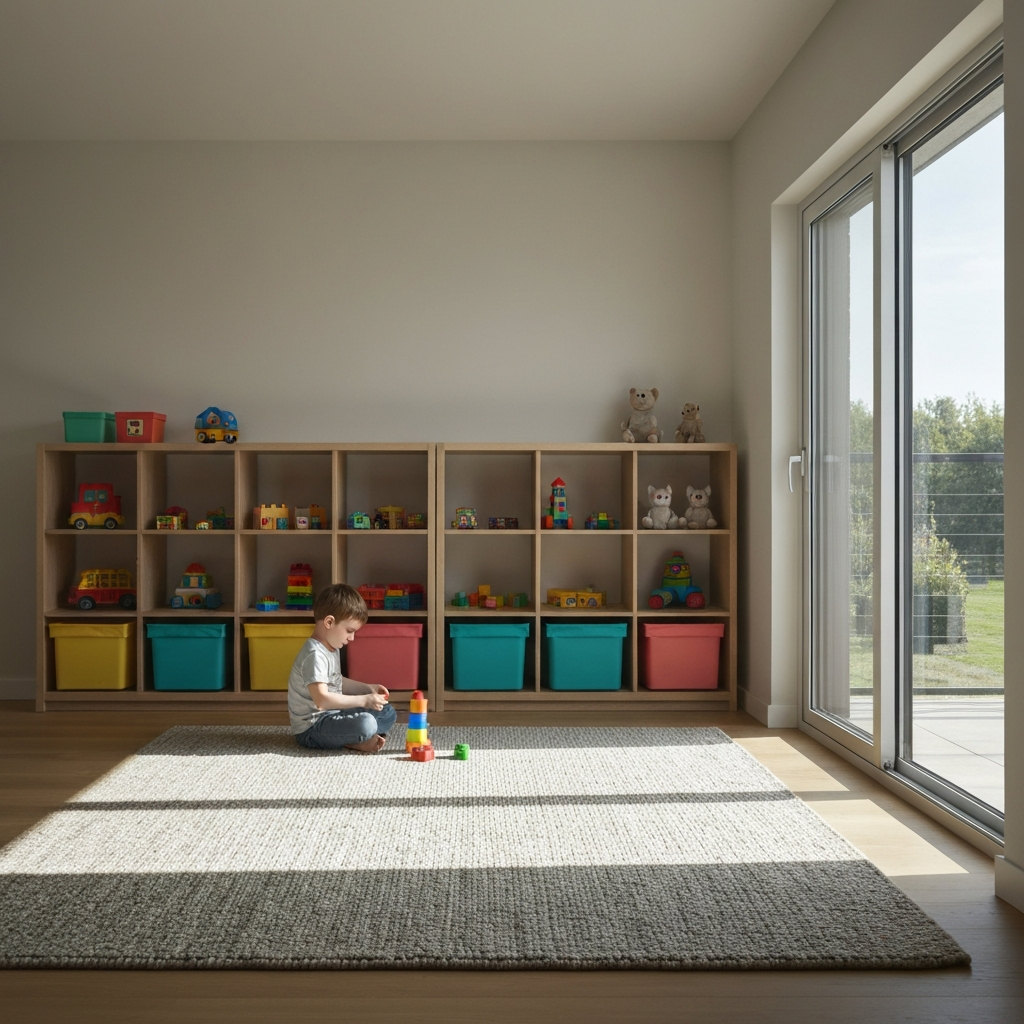
A multi-functional space can easily become a source of chaos. Designate specific areas for different activities. This means creating a dedicated homework zone, a play area for children, and a quiet space for adults to relax. Clearly define the purpose of each zone and enforce the rules. For example, the homework zone should be free from distractions, while the play area should be designed for fun and creativity. Storage solutions, like bins and shelves, are crucial for keeping these zones organized. Think vertically to maximize space. Also, consider the lighting in each zone to enhance functionality, warmer tones for relaxation, and brighter lighting for study.
Step 3: Master the Art of Communication
Listening and Speaking Effectively
Open and honest communication is essential for resolving conflicts and fostering understanding. Establish regular family meetings where everyone can share their thoughts and feelings. Teach active listening skills: paying attention, making eye contact, and paraphrasing what others say. When addressing conflicts, focus on the problem, not the person. Use "I" statements to express your feelings without blaming others (e.g., "I feel frustrated when the dishes are left in the sink"). Create a safe space where everyone feels comfortable expressing themselves without fear of judgment. Practice empathy and validation.

Step 4: Implement a Noise Management System
Setting Volume Limits and Quiet Times
Constant noise can be overwhelming. Implement a system for managing noise levels in the house. This could involve establishing designated quiet times (e.g., during homework or bedtime), using headphones for electronic devices, and setting limits on television volume. Teach children the concept of inside voices versus outside voices. Consider using visual cues, such as a chart indicating noise levels, to help children understand and respect the limits. White noise machines or calming music can also help mask distracting sounds and create a more peaceful environment. Be realistic about the noise levels of children playing and consider outdoor playtime as an outlet for exuberant behavior.

Step 5: Teach Conflict Resolution Skills
Empowering Kids to Solve Problems
Conflicts are inevitable in any family. Teach your children (and practice yourself!) effective conflict resolution skills. This includes identifying the problem, generating solutions, evaluating options, and compromising. Encourage them to use "I" statements to express their feelings and to listen to each other's perspectives. Model healthy conflict resolution in your own interactions with your partner or other family members. Role-playing different conflict scenarios can also be a helpful way to practice these skills. Remain neutral and act as a facilitator, guiding them to find their own solutions.

Step 6: Embrace Individual Downtime
Recharging and Rejuvenating
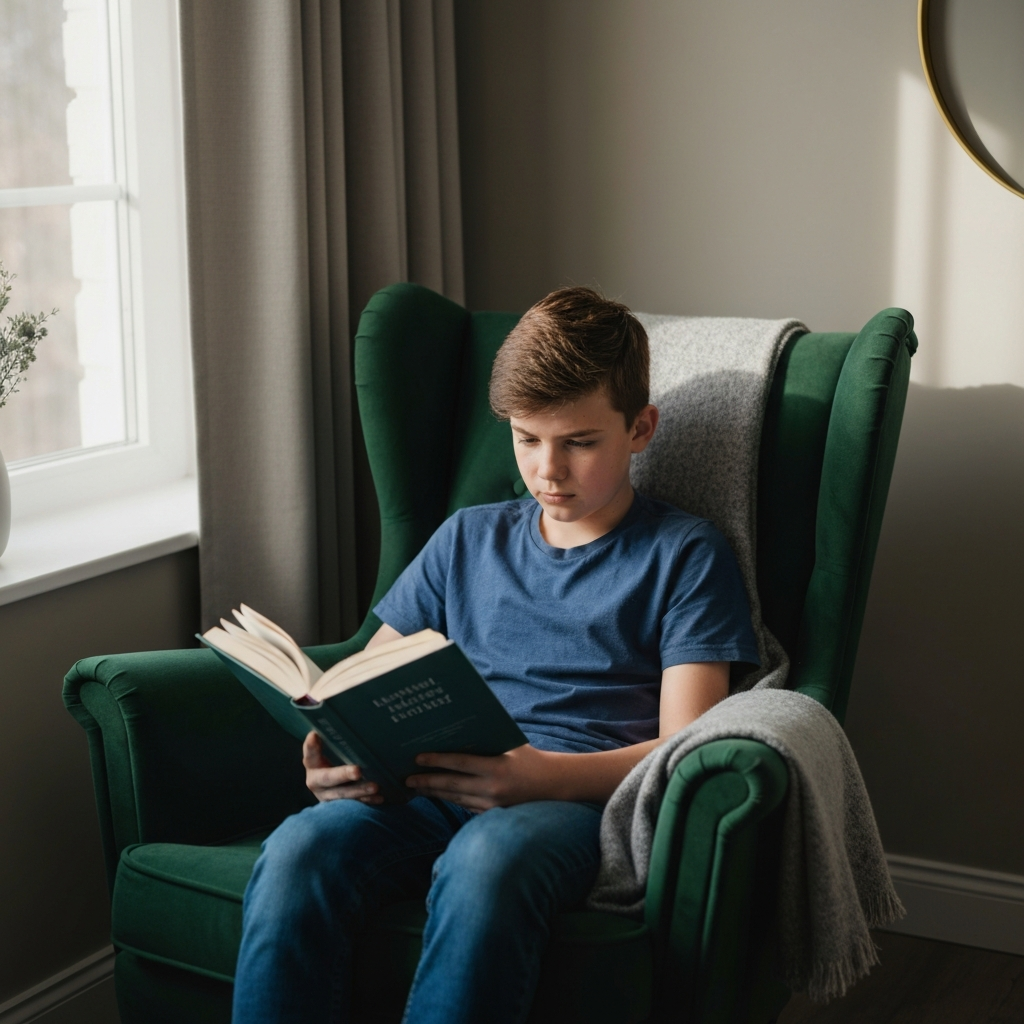
Everyone needs time to recharge. Encourage individual downtime for all family members. This could involve reading a book, taking a bath, listening to music, or simply relaxing in a quiet space. Respect each other's need for solitude and create opportunities for everyone to pursue their own interests. Schedule regular "quiet time" blocks where the entire family engages in independent activities. Communicate the importance of respecting others' downtime and avoid interruptions unless absolutely necessary. This helps prevent burnout and fosters a sense of well-being.
Step 7: Simplify Your Life
Decluttering and Prioritizing
A cluttered environment can contribute to stress and anxiety. Regularly declutter your home and simplify your life. Get rid of items you no longer need or use. Streamline your schedule by prioritizing activities and eliminating unnecessary commitments. Reduce the number of decisions you need to make each day by preparing meals in advance and organizing your belongings. A simpler lifestyle can lead to a calmer and more peaceful home environment. Consider implementing a "one in, one out" rule: for every new item that enters your home, one old item must leave.

FAQ Section
Q: What if my children resist the new routines?
A: Resistance is normal. Involve your children in creating the routines and setting the rules. Explain the benefits of a calmer home and be patient and consistent. Start with small changes and gradually introduce more structure.
Q: How do I handle sibling rivalry?
A: Sibling rivalry is common. Teach conflict resolution skills and encourage empathy. Avoid comparing your children and provide each child with individual attention. Intervene only when necessary and focus on helping them find solutions together.
Q: What if I can't afford to create dedicated zones?
A: You don't need to spend a lot of money. Use existing furniture to define spaces. A folding screen, a bookshelf, or even a rug can create a visual barrier. Focus on organization and decluttering to maximize the space you have.
Pro Tips
- Use a visual timer to help children manage their time and transitions.
- Create a family "command center" to organize schedules, messages, and important documents.
- Incorporate calming activities into your daily routine, such as yoga, meditation, or spending time in nature.
Conclusion
Taming the family zoo is an ongoing process, not a one-time fix. By implementing these strategies and remaining consistent, you can create a more harmonious and peaceful home environment. Remember to be patient with yourself and your family, celebrate small victories, and adapt your approach as needed. The goal is not perfection, but progress toward a calmer, happier, and more connected family life. Focus on creating a supportive environment where everyone feels valued and respected.