Family life, while rewarding, can often feel like navigating a turbulent sea. Between work schedules, school activities, chores, and individual needs, maintaining a sense of calm and order can seem like an impossible feat. But it doesn't have to be this way. With a few strategic adjustments and a commitment to consistency, you can create a more peaceful and harmonious home environment.
This guide offers a practical, step-by-step approach to taming the family chaos and establishing routines that promote cooperation, reduce stress, and foster a stronger sense of connection. It's about creating a system that works for *your* family, taking into account individual personalities, schedules, and needs. Get ready to reclaim your sanity and transform your home into a haven of peace and collaboration.
Implementing these steps will require patience and persistence. Remember that creating lasting change takes time, and there will be setbacks along the way. The key is to stay committed to the process and celebrate small victories. Let's begin the journey to a smoother, more enjoyable family life.
Step 1: Establish Clear and Consistent Routines
Creating Predictable Schedules
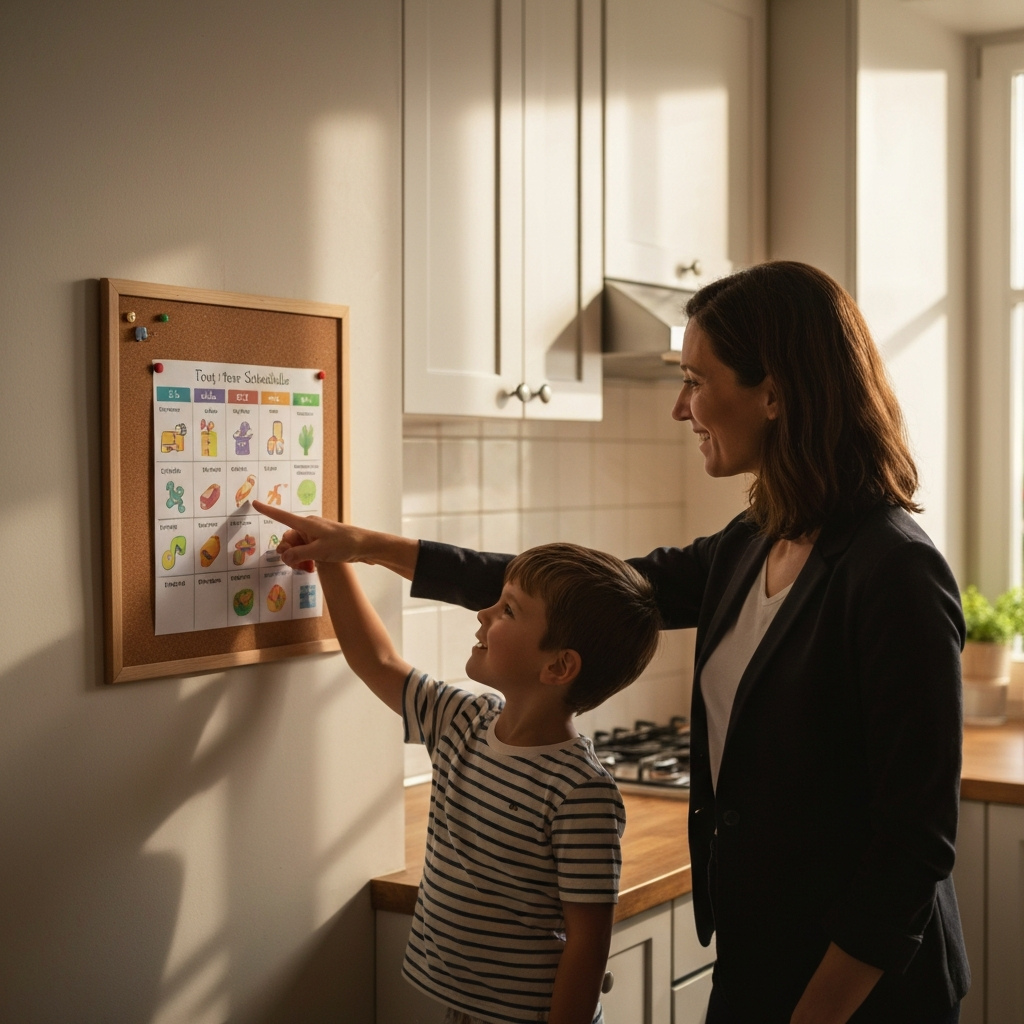
The foundation of a calmer home lies in predictable routines. Children, in particular, thrive on knowing what to expect, and routines help minimize power struggles and create a sense of security. Start by mapping out your family's typical day, identifying key transition points like wake-up, mealtimes, school drop-off/pick-up, homework, and bedtime. A visual schedule, especially for younger children, can be incredibly helpful. Make sure everyone understands their roles and responsibilities within these routines. Consider posting the schedule in a central location, such as the kitchen or family room.
Step 2: Implement a Family Calendar System
Centralizing Schedules and Appointments
With everyone's activities pulling in different directions, it's crucial to have a centralized calendar system. This could be a digital calendar shared among family members (Google Calendar, Cozi, etc.) or a large wall calendar in a high-traffic area. The key is that everyone has access and commits to updating it regularly. Include everything: doctor's appointments, school events, extracurricular activities, work meetings, and even family fun nights. This helps avoid scheduling conflicts, keeps everyone informed, and promotes a sense of teamwork. Review the calendar together at least once a week, preferably during a designated "family meeting".

Step 3: Divide and Conquer Chores Effectively
Assigning Age-Appropriate Responsibilities
Household chores should not fall solely on one person. Divide responsibilities based on age and ability, ensuring everyone contributes to maintaining the home. Make a list of all necessary chores, from simple tasks like setting the table to more involved duties like vacuuming or mowing the lawn. Clearly define expectations for each chore and provide instruction as needed. Rotate chores periodically to prevent boredom and ensure everyone learns a variety of skills. Consider using a chore chart or a digital app to track progress and offer positive reinforcement for completed tasks. Avoid using chores as punishment; instead, frame them as a contribution to the family's well-being.

Step 4: Designate Zones for Specific Activities
Creating Functional Spaces
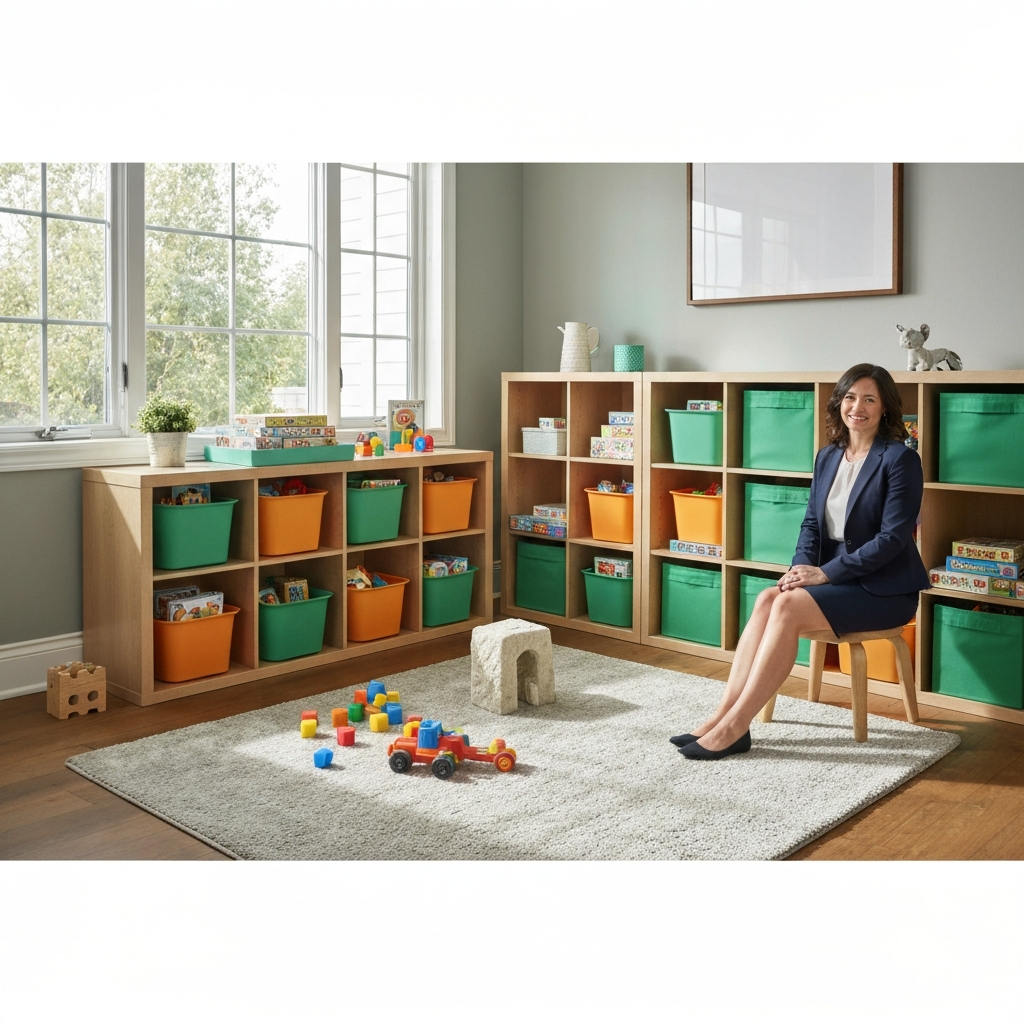
Chaos often stems from a lack of organization and designated spaces. Create zones within your home for specific activities. For example, establish a homework zone free from distractions, a designated play area for children, and a quiet reading nook for relaxation. Ensure each zone is equipped with the necessary supplies and tools to facilitate the intended activity. Regularly declutter these zones to prevent them from becoming dumping grounds for unwanted items. Encourage family members to respect these designated spaces and use them for their intended purposes. This helps create a sense of order and promotes focus.
Step 5: Prioritize Family Time and Connection
Scheduling Uninterrupted Moments
Amidst the hustle and bustle of daily life, it's easy to lose sight of the importance of family time. Intentionally schedule uninterrupted moments for connection and quality time. This could be a family dinner with no phones allowed, a weekly game night, or a weekend outing to a local park. Make these activities a priority and protect them from being crowded out by other commitments. Engage in activities that everyone enjoys and that foster communication and laughter. These shared experiences create lasting memories and strengthen family bonds, contributing significantly to a more peaceful home environment.

Common Mistakes to Avoid
- **Being Inconsistent:** Consistency is key to establishing new routines and habits. Don't give up after a few days or weeks.
- **Not Involving Everyone:** Get everyone's input and buy-in when creating routines and assigning chores.
- **Setting Unrealistic Expectations:** Start small and gradually increase expectations as everyone adjusts.
- **Ignoring Individual Needs:** Recognize that each family member has unique needs and preferences.
- **Failing to Communicate:** Open communication is essential for resolving conflicts and ensuring everyone feels heard.
Conclusion
Taming the family chaos is an ongoing process, not a one-time fix. By implementing these simple steps and consistently reinforcing them, you can create a more structured, peaceful, and harmonious home environment. Remember to be patient, flexible, and communicate openly with your family. The rewards of a smoother home life are well worth the effort.