Communication is the bedrock of any successful career. It's not just about talking; it's about understanding, connecting, and influencing. Mastering communication can unlock doors to leadership, collaboration, and innovation. Whether you're aiming for a promotion, building a team, or simply striving to be heard, honing your communication skills is an investment that pays dividends.
This guide provides actionable steps to transform your communication abilities from adequate to exceptional. We'll delve into active listening, effective speaking, nonverbal cues, and written communication, equipping you with the tools you need to excel in any professional setting. By implementing these strategies, you'll not only become a more effective communicator but also a more valued and respected colleague.
Let's embark on this journey to supercharge your communication skills and unlock your full career potential. It's time to learn, practice, and implement these techniques for long-term success.
Step 1: Master Active Listening
Understanding Active Listening
Active listening is more than just hearing what someone is saying. It's about fully concentrating, understanding, responding, and remembering what is being said. This involves paying attention to both verbal and nonverbal cues, asking clarifying questions, and providing feedback to ensure you're truly understanding the message. Failing to actively listen can lead to misunderstandings, missed opportunities, and damaged relationships. Focus intently on the speaker, resist the urge to interrupt, and show empathy.

Step 2: Hone Your Verbal Communication
Crafting Clear and Concise Messages
Verbal communication encompasses the words you choose and how you deliver them. Clarity and conciseness are paramount. Avoid jargon, ambiguity, and rambling explanations. Structure your thoughts logically before speaking, and tailor your language to your audience. Practice articulating your ideas in a clear, straightforward manner, ensuring your message is easily understood. Focus on using confident and professional language. Consider the tone of your voice; it should be appropriate for the situation. Monitor your pace and enunciate clearly.
Step 3: Elevate Your Nonverbal Communication
Decoding Body Language and Projecting Confidence
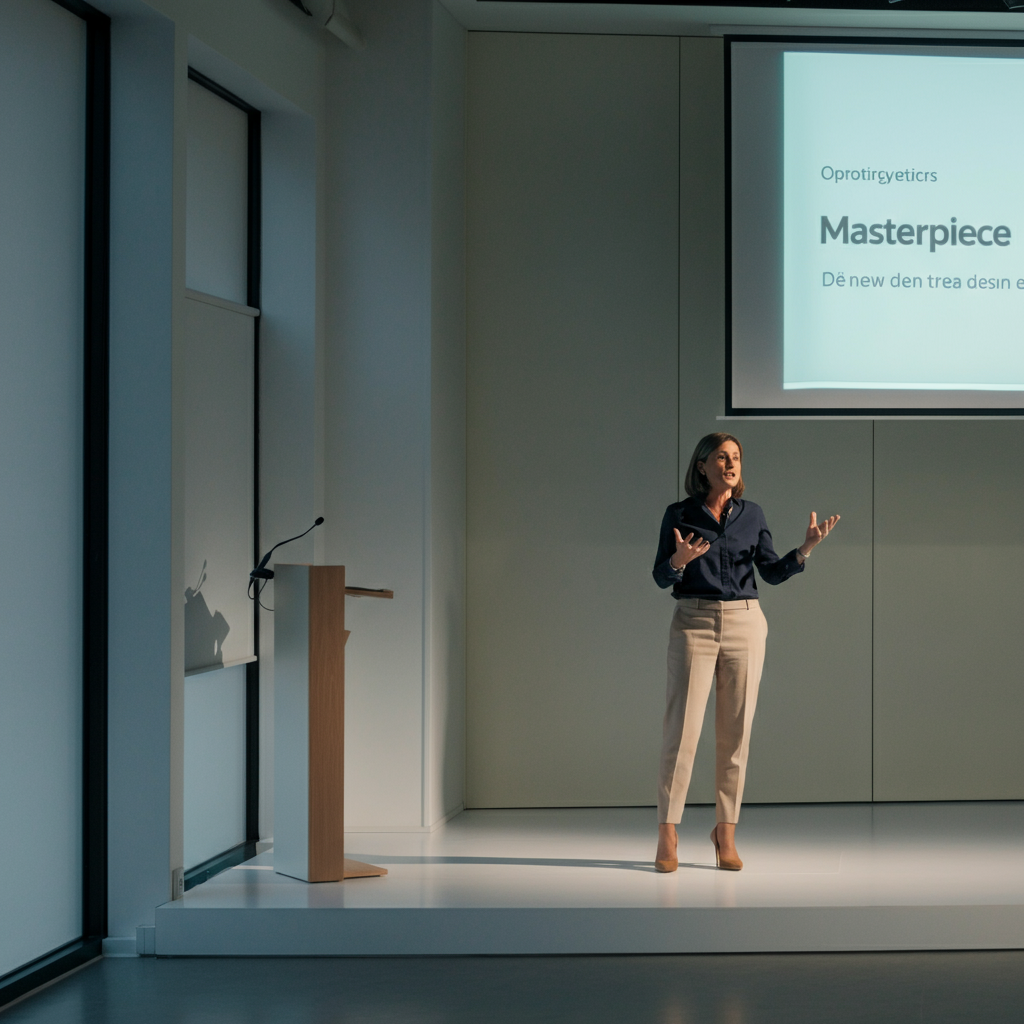
Nonverbal communication includes body language, facial expressions, and tone of voice. These cues can often convey more than your words themselves. Maintain eye contact, adopt an open posture, and use appropriate hand gestures. Be aware of your facial expressions and ensure they align with your message. Projecting confidence through nonverbal cues can significantly enhance your credibility and persuasiveness. Practice mirroring techniques to build rapport, subtly adopting similar postures or gestures as the person you're communicating with. But be subtle; avoid blatant imitation.

Step 4: Master Written Communication
Writing Effective Emails and Reports
In today's digital age, written communication is crucial. Emails, reports, and memos are vital tools for conveying information and influencing decisions. Ensure your writing is clear, concise, and error-free. Proofread carefully before sending any written communication. Use proper grammar, punctuation, and spelling. Structure your writing logically, using headings and bullet points to improve readability. Tailor your writing style to the specific audience and purpose. Avoid slang or informal language in professional settings. Use a professional email signature.

Step 5: Practice Empathy and Emotional Intelligence
Understanding and Responding to Emotions
Empathy is the ability to understand and share the feelings of another person. Emotional intelligence involves recognizing, understanding, and managing your own emotions, as well as the emotions of others. By developing empathy and emotional intelligence, you can build stronger relationships, resolve conflicts more effectively, and create a more positive and productive work environment. Practice active listening to understand others' perspectives and respond with compassion and understanding. Consider the emotional impact of your words and actions.

Step 6: Seek Feedback and Continuously Improve
Soliciting Constructive Criticism
Communication is a skill that requires continuous improvement. Actively seek feedback from colleagues, mentors, and supervisors. Be open to constructive criticism and use it as an opportunity to learn and grow. Ask specific questions about your communication style and areas where you can improve. Record yourself speaking and analyze your performance. Attend workshops and training sessions to enhance your communication skills. The most effective communicators are always striving to refine their abilities.

Pro Tips
- Practice Regularly: Communication skills are like any other skill – they require regular practice to maintain and improve.
- Observe Effective Communicators: Pay attention to how effective communicators interact with others and try to emulate their techniques.
- Be Mindful of Cultural Differences: Communication styles can vary significantly across cultures. Be aware of these differences and adapt your communication accordingly.
- Use Storytelling: Stories can be a powerful tool for engaging your audience and making your message more memorable.
Common Mistakes to Avoid
- Interrupting Others: Interrupting demonstrates a lack of respect and disrupts the flow of conversation.
- Using Jargon: Using overly technical or specialized language can alienate your audience.
- Being Unclear or Ambiguous: Vague language can lead to misunderstandings and confusion.
- Failing to Listen Actively: Not paying attention to what others are saying can damage relationships and lead to missed opportunities.
FAQ Section
- Q: How can I improve my public speaking skills?
- A: Practice regularly, join a public speaking group (like Toastmasters), and seek feedback from others. Focus on clarity, conciseness, and engaging delivery.
- Q: What are some tips for writing effective emails?
- A: Use a clear subject line, keep your message concise, use proper grammar and punctuation, and proofread before sending.
- Q: How can I become a better listener?
- A: Pay attention to both verbal and nonverbal cues, ask clarifying questions, and provide feedback to ensure you understand the message.
Conclusion
Supercharging your communication skills is an investment in your career success. By mastering active listening, effective speaking, nonverbal cues, and written communication, you can unlock your full potential and achieve your professional goals. Remember to practice regularly, seek feedback, and continuously strive to improve your abilities. The journey to becoming an exceptional communicator is ongoing, but the rewards are well worth the effort. Start implementing these strategies today, and watch your career soar.