Have you ever watched a TED Talk and been captivated by the speaker's eloquence and poise? The ability to communicate complex ideas with clarity and charisma is a skill that can be learned and honed. Speaking like a TED Talk pro isn't just about memorizing a script; it's about crafting a compelling narrative, connecting with your audience, and delivering your message with impact. This guide will provide you with the essential steps and techniques to elevate your speaking skills and present your ideas with the same confidence and authority as a seasoned TED speaker.
The key to a successful TED Talk lies in the preparation, the delivery, and the connection you make with your audience. It's about finding your unique voice, mastering the art of storytelling, and practicing until your message resonates with authenticity. Whether you're aiming to deliver a captivating presentation at work, inspire a crowd with your personal story, or simply improve your overall communication skills, the strategies outlined below will guide you on your journey to becoming a confident and compelling speaker.
This isn't just about public speaking; it's about effective communication. From crafting a compelling narrative to mastering your delivery, this guide provides a comprehensive roadmap to help you confidently share your ideas with the world. Let's dive in and unlock the secrets to speaking like a true TED Talk professional.
Step 1: Craft a Compelling Narrative
Every great TED Talk begins with a compelling narrative. This means identifying a central idea or theme that you are passionate about and weaving a story around it. Think about the problem you're addressing, the solution you're proposing, and the impact it can have on the world. Your narrative should be clear, concise, and engaging, with a beginning, middle, and end. Avoid jargon and overly technical language. Instead, use storytelling techniques to connect with your audience on an emotional level. Consider incorporating personal anecdotes, relatable examples, and surprising statistics to keep your audience captivated.

Step 2: Structure Your Talk Logically
A well-structured talk is easy to follow and more likely to resonate with your audience. Begin by outlining your main points and arranging them in a logical sequence. A common structure involves introducing the problem, explaining your solution, and highlighting the benefits. Use transitions to smoothly connect your ideas and guide your audience through your presentation. Consider using visual aids, such as slides or props, to reinforce your message and break up the monotony of your speech. Keep your slides simple and visually appealing, focusing on key takeaways rather than overwhelming amounts of text.

Step 3: Master Your Delivery
Your delivery is just as important as your content. Practice your talk repeatedly to become comfortable with the material and refine your presentation style. Pay attention to your pace, volume, and tone of voice. Vary your vocal delivery to emphasize key points and maintain audience engagement. Use pauses effectively to allow your audience to absorb information and create a sense of anticipation. Maintain eye contact with different sections of the audience to establish a personal connection. Practice in front of a mirror or record yourself to identify areas for improvement. Consider practicing with a friend or colleague and asking for constructive feedback.

Step 4: Embrace Authenticity and Passion
Authenticity is key to connecting with your audience on a deeper level. Speak from the heart and share your genuine passion for your topic. Don't try to be someone you're not. Let your personality shine through and allow your enthusiasm to be contagious. When you are genuinely passionate about your message, your audience is more likely to be engaged and receptive. Share personal stories and experiences that illustrate your points and demonstrate your commitment to your subject matter. Authenticity builds trust and creates a lasting impression on your audience.

Step 5: Practice, Practice, Practice
There's no substitute for practice when it comes to public speaking. The more you rehearse your talk, the more comfortable and confident you will become. Practice in front of different audiences, if possible, to get used to speaking to diverse groups of people. Time yourself to ensure that you stay within the allotted time frame. Record yourself and watch the playback to identify areas for improvement. Pay attention to your body language, facial expressions, and vocal delivery. The more you practice, the more natural and effortless your presentation will become.

Step 6: Handle Q&A with Grace
The Q&A session is an opportunity to further engage with your audience and address any questions or concerns they may have. Listen carefully to each question and take a moment to formulate your response. Be honest and transparent in your answers, even if you don't have all the answers. If you don't know the answer to a question, acknowledge that and offer to follow up later. Avoid getting defensive or dismissive of any questions. Thank the questioner for their inquiry and provide a clear and concise response. Maintain eye contact with the questioner and speak to the entire audience, not just the individual asking the question.
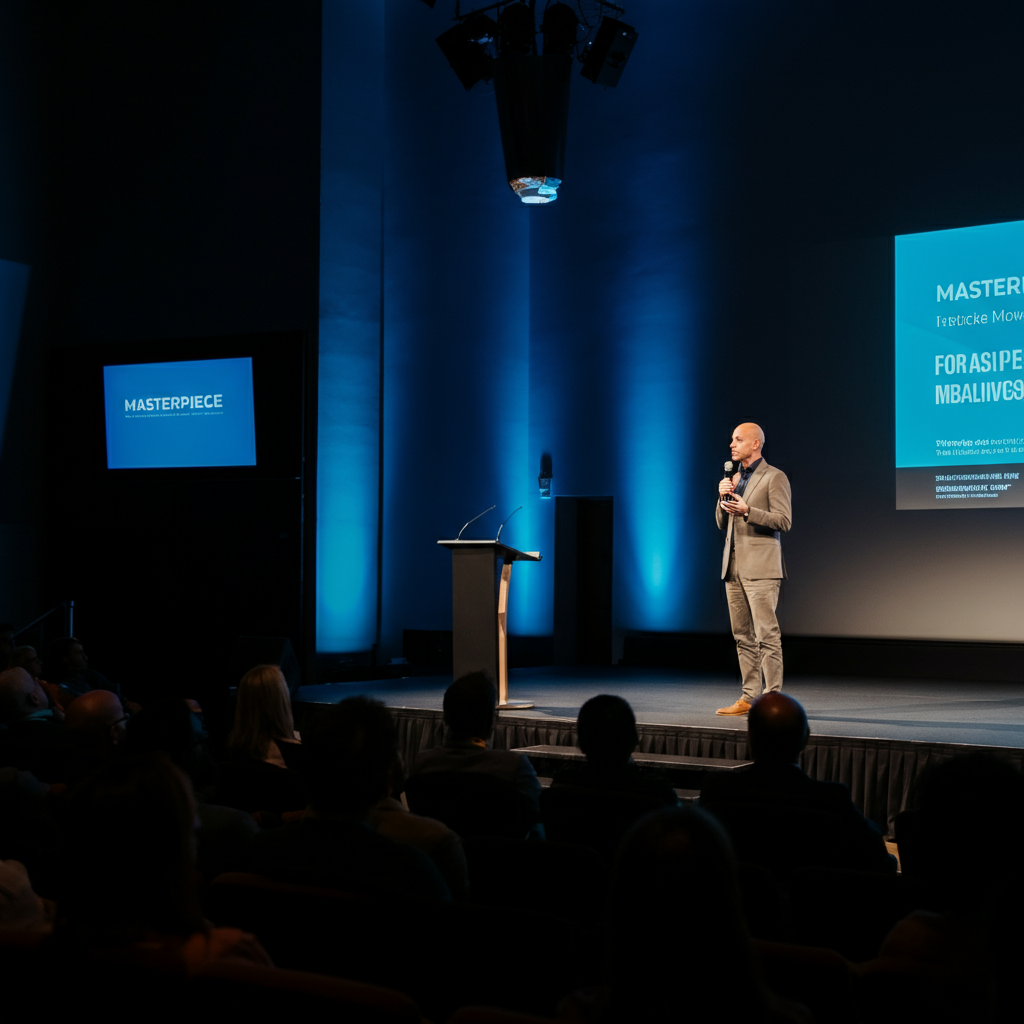
Common Mistakes to Avoid
- Reading Directly from a Script: This can make your presentation sound robotic and unengaging. Instead, use bullet points or keywords to guide your talk and speak conversationally.
- Overloading Slides with Text: Slides should complement your talk, not distract from it. Keep your slides simple and visually appealing, focusing on key takeaways.
- Rushing Through Your Presentation: Speak at a pace that is comfortable for your audience to follow. Avoid rushing through your talk in an attempt to fit everything in.
- Using Jargon or Technical Language: Use language that is accessible to your audience, avoiding jargon or technical terms that may be unfamiliar to them.
- Failing to Practice: Practice is essential for delivering a confident and polished presentation. Don't underestimate the importance of rehearsal.
Pro Tips
- Start with a strong hook to grab your audience's attention. This could be a surprising statistic, a thought-provoking question, or a compelling anecdote.
- Use storytelling techniques to connect with your audience on an emotional level.
- Incorporate humor to keep your audience engaged and entertained.
- End with a clear call to action, telling your audience what you want them to do after hearing your talk.
- Seek feedback from others and be open to constructive criticism.
In conclusion, speaking like a TED Talk pro is a skill that can be developed with practice, preparation, and a genuine passion for your message. By crafting a compelling narrative, structuring your talk logically, mastering your delivery, and embracing authenticity, you can elevate your speaking skills and connect with your audience on a deeper level. Remember to practice, seek feedback, and continuously refine your presentation style. With dedication and effort, you can become a confident and compelling speaker, capable of sharing your ideas with the world.