Confidence isn't something you're born with; it's a skill cultivated over time through self-awareness, self-care, and deliberate choices. It's about feeling comfortable and capable in your own skin and projecting that inner strength outward. This guide provides a structured approach to building genuine confidence by focusing on personal care routines, style choices that reflect your personality, and adopting a mindset that supports self-assurance.
Many individuals mistakenly believe that confidence stems solely from external factors like appearance or achievements. While these elements can contribute, true confidence is rooted in self-acceptance and a consistent commitment to self-improvement. This blueprint emphasizes sustainable practices that foster a positive self-image and empower you to present your best self to the world. We will cover practical steps, from establishing a reliable grooming routine to identifying clothing styles that genuinely resonate with you.
This journey is not about transforming into someone else; it's about uncovering and amplifying the best version of yourself. By integrating these strategies into your daily life, you'll naturally project an aura of confidence that is both authentic and magnetic.
Step 1: Mastering Your Grooming Routine
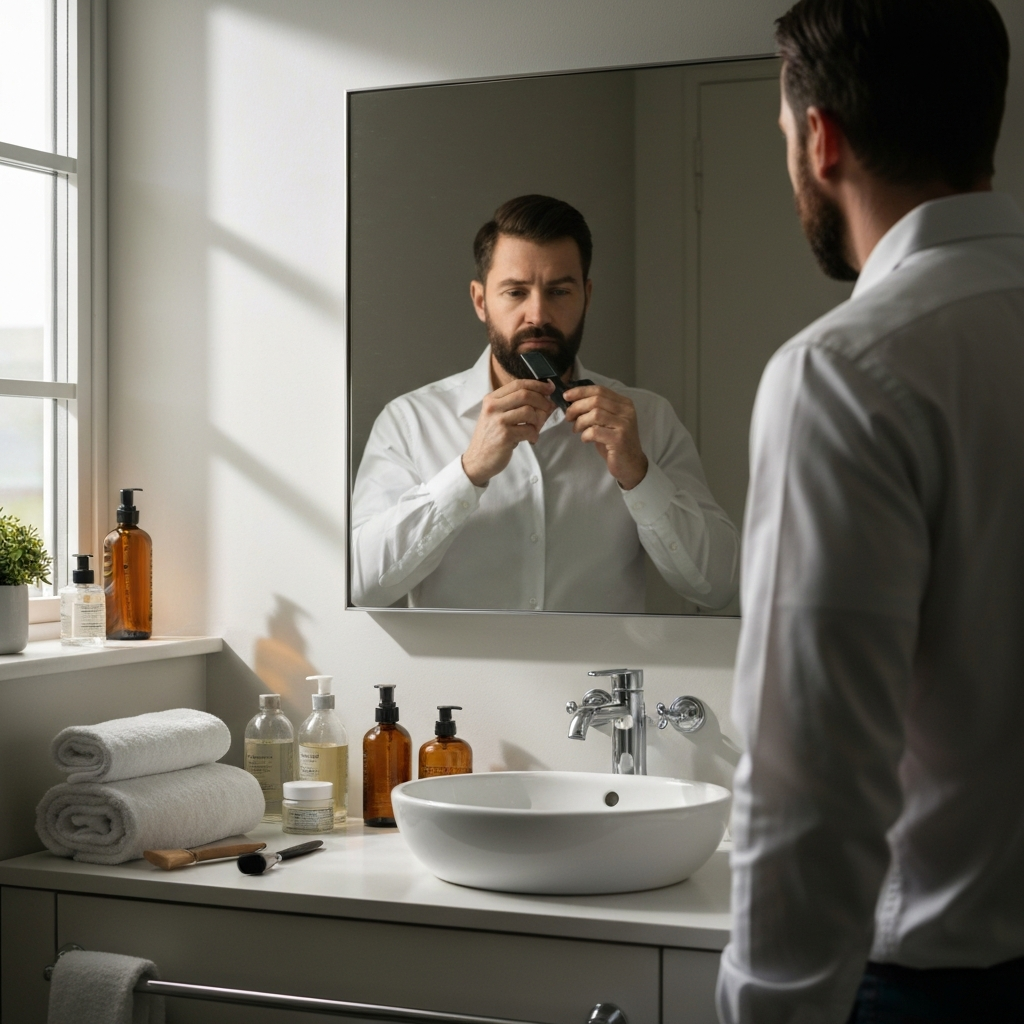
A consistent grooming routine is the foundation of feeling good about yourself. It's not about vanity; it's about self-respect and demonstrating that you value your well-being. This includes skincare, haircare, and overall hygiene. Find products that suit your skin type and hair texture, and establish a simple yet effective daily regimen. Pay attention to details like trimmed nails, a clean shave (or well-maintained beard), and fresh breath. Even small improvements in these areas can significantly boost your self-perception.
Step 2: Defining Your Personal Style
Your clothing is an extension of your personality. It's a visual representation of who you are and how you want to be perceived. Don't blindly follow trends; instead, experiment with different styles to discover what makes you feel comfortable and confident. Consider your body type, lifestyle, and personal preferences when choosing clothes. Invest in quality pieces that fit well and reflect your unique character. Whether it's classic and understated or bold and expressive, ensure your style aligns with your authentic self.

Step 3: Perfecting Your Posture and Body Language
How you carry yourself speaks volumes. Stand tall with your shoulders back, head held high, and make direct eye contact. Good posture not only makes you appear more confident but also improves your physical well-being. Practice mindful movements and gestures. Avoid fidgeting or slouching, as these habits can undermine your credibility. Project an open and approachable demeanor through relaxed body language and genuine smiles. Even when feeling nervous, consciously adjusting your posture can instantly make you feel more in control.

Step 4: Cultivating a Positive Mindset
Your thoughts directly influence your feelings and behaviors. Challenge negative self-talk and replace it with positive affirmations. Focus on your strengths and accomplishments, and celebrate your successes, no matter how small. Practice gratitude by acknowledging the good things in your life. Surround yourself with supportive and encouraging individuals who uplift your spirits. A positive mindset is a powerful tool for building self-esteem and fostering a confident outlook.

Step 5: Embracing Challenges and Stepping Outside Your Comfort Zone
Growth occurs when you push yourself beyond your limitations. Seek out opportunities to learn new skills, tackle challenging projects, and engage in activities that stretch your comfort zone. Each time you overcome an obstacle, your confidence grows. Don't be afraid to make mistakes; view them as learning experiences and opportunities for improvement. By consistently challenging yourself, you'll develop resilience and a belief in your ability to handle whatever life throws your way.

Step 6: Mastering Communication Skills
Effective communication is essential for conveying your ideas and connecting with others. Practice active listening, paying attention to both verbal and nonverbal cues. Articulate your thoughts clearly and concisely, and express your opinions with confidence. Don't be afraid to speak up and share your perspective, even when it differs from others. Learn to manage conflict constructively and assert yourself respectfully. Strong communication skills empower you to navigate social situations with ease and project an image of competence and assurance.

Step 7: Developing Expertise in a Specific Area
Mastering a skill or becoming knowledgeable in a specific area can significantly boost your confidence. Choose something that genuinely interests you, whether it's a professional skill, a hobby, or a creative pursuit. Dedicate time and effort to honing your abilities and expanding your knowledge. As you become more proficient, you'll gain a sense of accomplishment and pride in your expertise, which will translate into increased self-assurance in other areas of your life.

Common Mistakes to Avoid
- Comparing yourself to others: Focus on your own progress and journey, rather than measuring yourself against others.
- Seeking external validation: True confidence comes from within, not from external approval.
- Neglecting self-care: Prioritize your physical, mental, and emotional well-being.
- Avoiding challenges: Embrace opportunities for growth and learning.
- Dwelling on past mistakes: Learn from your errors and move forward with a positive attitude.
Pro Tips
- Create a "confidence playlist" of empowering songs that uplift your mood.
- Practice your confident posture and body language in front of a mirror.
- Volunteer for tasks that require you to step outside your comfort zone.
- Surround yourself with positive and supportive people.
- Write down your accomplishments and review them regularly.
FAQ Section
- How long does it take to build confidence?
- There's no set timeline. It depends on your individual circumstances and the effort you put into it. Be patient and consistent, and you'll see gradual improvements over time.
- What if I feel like a fraud?
- Imposter syndrome is common. Acknowledge your feelings, but remind yourself of your accomplishments and strengths. Focus on providing value and continuing to learn.
- How can I handle criticism?
- View criticism as an opportunity for growth. Listen carefully, identify areas for improvement, and thank the person for their feedback. Don't take it personally.
Conclusion
Radiating confidence is a journey, not a destination. It requires consistent effort and a commitment to self-improvement. By mastering your grooming routine, defining your personal style, perfecting your posture, cultivating a positive mindset, embracing challenges, and developing strong communication skills, you can unlock your inner confidence and project it outward with authenticity and grace. Remember that setbacks are a natural part of the process. Stay persistent, stay positive, and continue to invest in yourself. The most confident person is not the one who never fails, but the one who never gives up. Here are some cool, reflective, and inspirational options to match your aesthetic:
- “Wisdom begins in wonder.” —Socrates
- “Live to the point of tears.” —Albert Camus
- “If you don’t play to win, don’t play at all.” —Tom Brady
- “The best revenge is massive success.” —Frank Sinatra
- “It always seems impossible until it’s done.” —Nelson Mandela
- “Don’t count the days, make the days count.” —Muhammad Ali
- “Champions keep playing until they get it right.” —Billie Jean King
- “It’s okay to live a life others don’t understand.” —Jenna Woginrich
- “Believe you can and you’re halfway there.” —Theodore Roosevelt
- “Life is a series of commas, not periods.” —Matthew McConaughey
- “It’s never too late to be what you might have been.” —George Eliot