Hosting a dinner party can feel like navigating a minefield of potential mishaps, from culinary catastrophes to awkward silences. But it doesn't have to be! With a little planning and the right strategies, you can throw a dinner party that not only goes off without a hitch but also leaves your guests genuinely impressed and eager for the next invitation.
The key to a successful and stress-free dinner party lies in preparation. This means not only planning the menu but also thinking through the logistics, the ambiance, and the overall flow of the evening. It's about anticipating potential challenges and setting yourself up for success, ensuring that you, the host, can actually enjoy the party alongside your guests.
This guide will walk you through each step of the process, from initial planning to post-party cleanup, providing practical tips and expert advice to help you create a memorable and enjoyable experience for everyone involved. Forget the stress, embrace the joy of hosting, and prepare to impress!
Step 1: Planning Your Menu and Guest List
The foundation of any successful dinner party is a well-thought-out menu that caters to your guests' preferences and dietary restrictions. Start by considering the number of guests you can comfortably accommodate and their general tastes. Think about any allergies or dietary needs you need to consider. Choose a menu that is balanced, visually appealing, and, most importantly, something you are confident in preparing. Don't be afraid to simplify and choose dishes that can be partially prepared in advance.

Step 2: Setting the Ambiance
Creating the right atmosphere is just as important as the food itself. Think about the overall mood you want to create – is it formal and elegant, or relaxed and casual? Choose music that complements the tone, select appropriate lighting (dimmer is usually better), and set the table with care. Consider using candles, fresh flowers, or other decorative elements to add a touch of personality and sophistication. Don't forget about temperature – make sure the room is comfortable for your guests.

Step 3: Preparing in Advance
This is where the real magic happens! The more you can do ahead of time, the less stressed you'll be on the day of the party. Chop vegetables, prepare sauces, set the table, and even pre-portion ingredients. Create a detailed timeline and checklist to keep yourself organized. Consider what can be fully cooked in advance and simply reheated. This allows you to focus on final preparations and enjoying your guests' company.

Step 4: Welcoming Your Guests
First impressions matter! Greet your guests warmly and offer them a drink as soon as they arrive. Take their coats and direct them to a comfortable seating area where they can mingle. As the host, it's your job to facilitate introductions and ensure that everyone feels included in the conversation. Don't be afraid to steer the conversation towards interesting topics or share a funny anecdote to break the ice.

Step 5: Serving the Meal
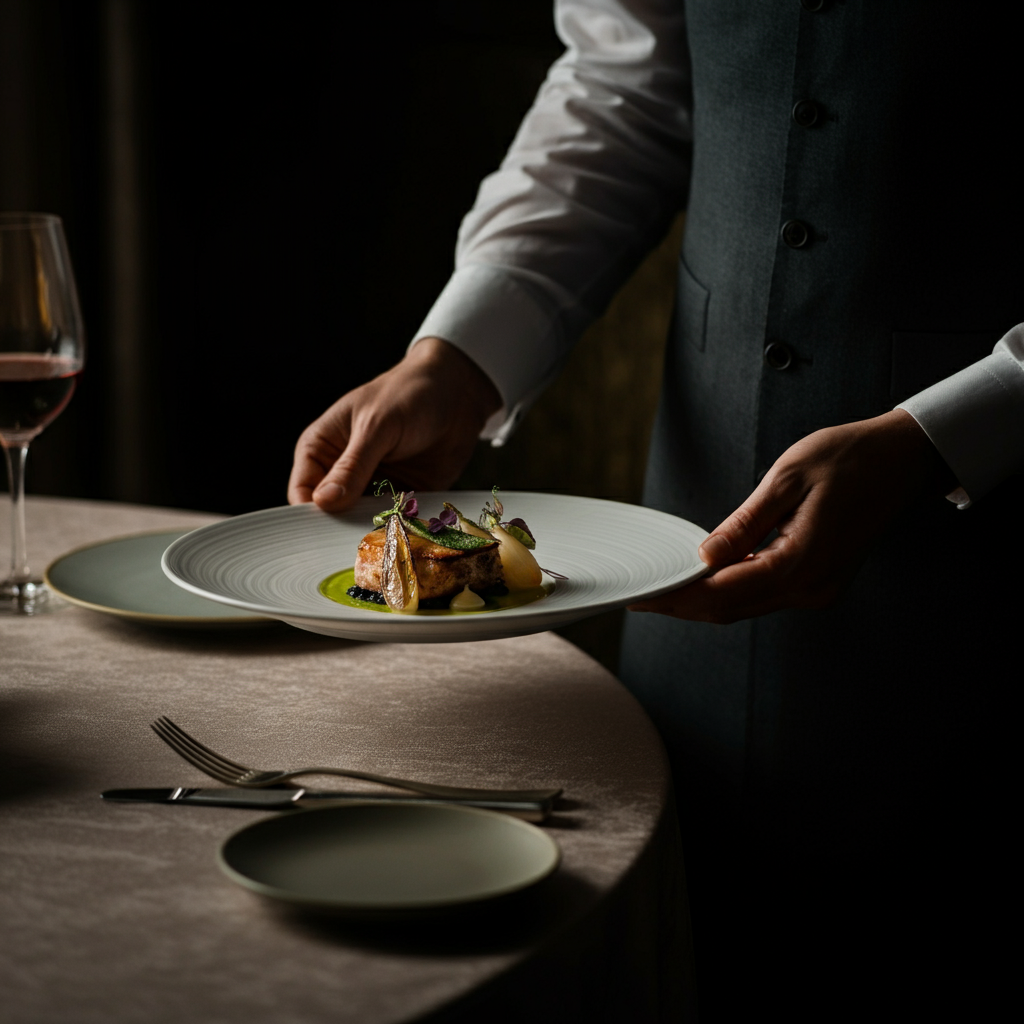
Timing is crucial when it comes to serving the meal. Make sure everything is ready to go before you call your guests to the table. Serve each course with grace and attentiveness, checking in to ensure everyone is enjoying their food. Offer drink refills and be prepared to address any dietary concerns or requests. Don't be afraid to ask for help from your guests if needed – most people are happy to lend a hand.
Step 6: Managing the Conversation
A lively and engaging conversation is the hallmark of a great dinner party. Be an active listener and encourage your guests to share their thoughts and experiences. Steer clear of controversial topics and try to keep the conversation light and positive. If the conversation lulls, have a few interesting topics or questions prepared to spark new discussions. Remember, your role is to facilitate and guide, not to dominate the conversation.

Step 7: Handling Unexpected Situations
Things don't always go according to plan, so it's important to be prepared for unexpected situations. If something goes wrong in the kitchen, don't panic! Take a deep breath, assess the situation, and find a solution. If a guest has a dietary restriction you weren't aware of, offer an alternative or adjust the menu on the fly. The key is to stay calm and flexible, and remember that your guests are there to enjoy your company, not to judge your cooking skills.

Step 8: Post-Party Cleanup
Once your guests have departed, it's time to tackle the cleanup. Don't feel like you have to do everything at once. Start by clearing the table and loading the dishwasher. Soak any stubborn pots and pans. If you're feeling overwhelmed, enlist the help of a family member or roommate. Reward yourself with a relaxing activity, such as a warm bath or a good book, after you're finished.

Tools or Materials Required
- Cooking utensils (knives, pots, pans, etc.)
- Serving dishes and utensils
- Tableware (plates, glasses, cutlery)
- Linens (tablecloth, napkins)
- Decorations (candles, flowers)
- Ingredients for your chosen menu
Common Mistakes to Avoid
- Overcommitting to a complicated menu
- Not preparing enough in advance
- Ignoring guests' dietary restrictions
- Failing to create a comfortable atmosphere
- Spending the entire evening in the kitchen
FAQ Section
Q: What if I'm not a confident cook?
A: Choose a simple menu with dishes you're comfortable making. Consider ordering takeout or asking a friend to help with the cooking.
Q: How do I handle awkward silences?
A: Have a few conversation starters prepared. Ask open-ended questions and encourage your guests to share their interests.
Q: What if a guest gets drunk or misbehaves?
A: Address the situation calmly and discreetly. Offer them water and food, and arrange for a safe ride home.
Conclusion
Hosting a stress-free and impressive dinner party is achievable with careful planning and attention to detail. Remember to choose a menu that suits your skill level, prepare as much as possible in advance, create a welcoming atmosphere, and be a gracious host. By following these tips, you can transform the often-daunting task of hosting into a joyful and memorable experience for both you and your guests. Happy hosting!