Feeling sluggish, unmotivated, or simply not at your best? You don't need drastic measures to revitalize your well-being. Sometimes, small, strategic changes—"health hacks"—can lead to significant improvements in your physical and mental health. This guide outlines practical, evidence-backed steps you can take today to start building a stronger, healthier you.
These hacks aren't about restrictive diets or grueling workouts. They're about making smart choices that seamlessly integrate into your daily routine. We'll explore strategies for optimizing your sleep, nutrition, movement, and mindset, all designed to work synergistically to boost your energy, improve your mood, and enhance your overall resilience.
Embark on this journey of self-improvement. Start with one or two hacks that resonate with you, and gradually incorporate others as you become more comfortable. Remember, consistency is key. These simple shifts, when consistently applied, can transform your health and well-being in profound ways.
Let's get started!
Step 1: Prioritize Sleep Hygiene
Sleep is the foundation of good health. Without adequate rest, your body and mind can't function optimally. Poor sleep can lead to increased stress, weakened immunity, and decreased cognitive function. Establishing a consistent sleep routine, known as sleep hygiene, is crucial for improving sleep quality and duration. This means going to bed and waking up around the same time each day, even on weekends, to regulate your body's natural sleep-wake cycle.
Practical details include creating a relaxing bedtime routine, such as taking a warm bath, reading a book, or practicing gentle stretching. Ensure your bedroom is dark, quiet, and cool – ideally between 60-67 degrees Fahrenheit. Avoid screens (phones, tablets, computers) at least an hour before bed, as the blue light emitted can interfere with melatonin production. Common mistakes to avoid include inconsistent sleep schedules and relying on alcohol or caffeine to fall asleep.
Pro Tip: Consider using blackout curtains or a white noise machine to minimize external disturbances. A sleep tracker can also provide valuable insights into your sleep patterns and help you identify areas for improvement.

Step 2: Hydrate Strategically
Water is essential for nearly every bodily function, from regulating temperature to transporting nutrients. Dehydration can lead to fatigue, headaches, and impaired cognitive performance. Many people underestimate their daily water needs, mistaking thirst for hunger. A simple health hack is to strategically increase your water intake throughout the day, ensuring you're adequately hydrated.
A good starting point is to aim for half your body weight in ounces of water per day. For example, a 150-pound person should aim for 75 ounces. Carry a reusable water bottle with you and refill it regularly. Drink a glass of water first thing in the morning to rehydrate after sleep. Incorporate water-rich foods into your diet, such as fruits and vegetables like watermelon, cucumber, and spinach. Potential mistakes include waiting until you're thirsty to drink and relying on sugary drinks for hydration.
Safety Consideration: While staying hydrated is crucial, it's also possible to overhydrate. Listen to your body and adjust your fluid intake based on your activity level and environment.

Step 3: Embrace Mindful Movement
Exercise is vital for both physical and mental health, but it doesn't have to be intense or time-consuming. Mindful movement focuses on incorporating physical activity into your daily routine in a way that feels enjoyable and sustainable. This can include activities like walking, cycling, swimming, yoga, or even dancing.
Aim for at least 30 minutes of moderate-intensity exercise most days of the week. Break it down into smaller chunks if needed – three 10-minute walks throughout the day can be just as effective. Choose activities you genuinely enjoy to make exercise a sustainable habit. Focus on proper form and breathing to maximize the benefits and minimize the risk of injury. Common mistakes include overdoing it too soon and neglecting rest and recovery.
Pro Tip: Find an exercise buddy to stay motivated and accountable. Explore different types of physical activity to discover what you enjoy most.

Step 4: Optimize Your Nutrition
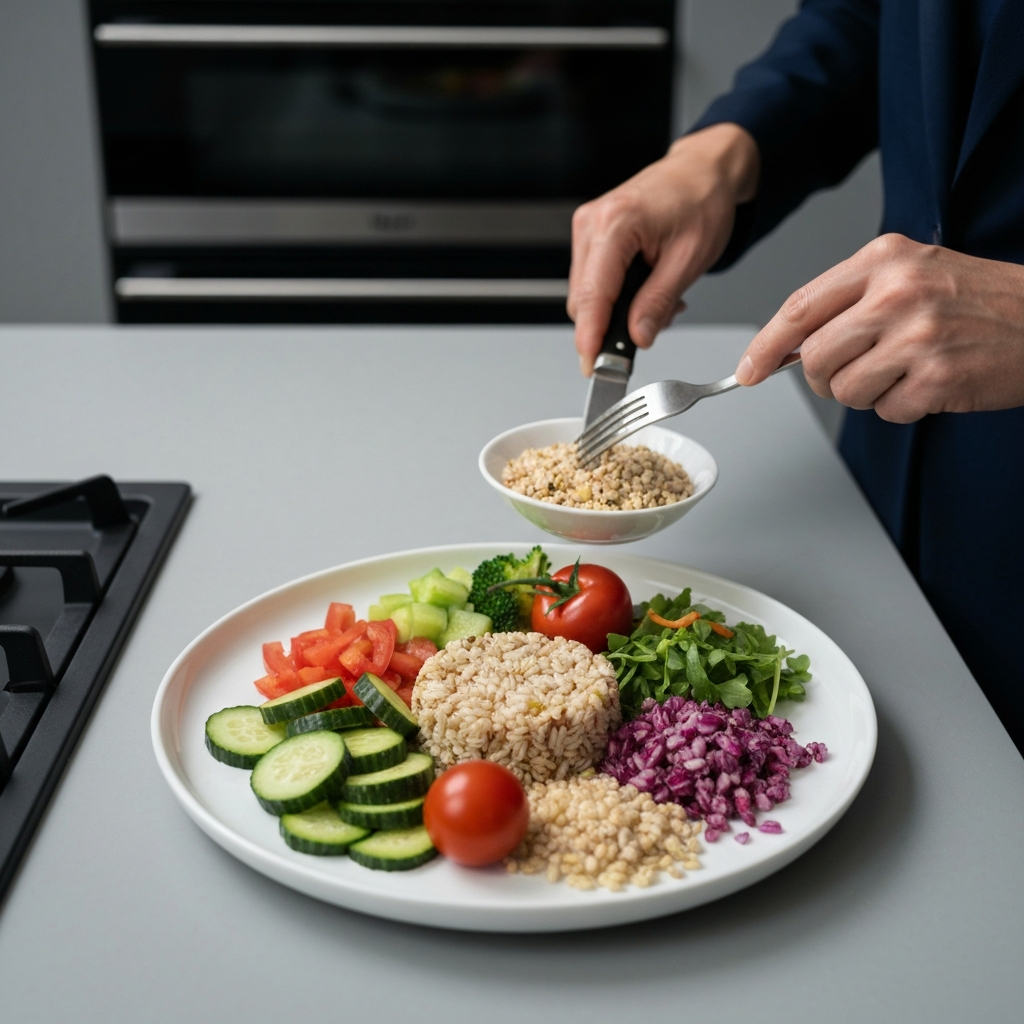
Nutrition plays a critical role in your overall health and well-being. Focus on building a balanced diet rich in whole, unprocessed foods, including fruits, vegetables, lean protein, and whole grains. This doesn't mean you have to completely eliminate your favorite treats, but it's about making conscious choices and prioritizing nutrient-dense options.
Start by making small, sustainable changes, such as swapping sugary drinks for water, adding a serving of vegetables to each meal, and choosing whole grains over refined grains. Read food labels carefully to understand the ingredients and nutritional content of packaged foods. Plan your meals in advance to avoid impulsive, unhealthy choices. Common mistakes to avoid include restrictive dieting and relying on processed foods.
Tools or Materials Required: Meal planning app or notebook, reusable food containers.
Step 5: Cultivate a Positive Mindset
Your mindset has a powerful impact on your physical and mental health. Cultivating a positive outlook can improve your mood, reduce stress, and boost your immune system. This doesn't mean ignoring negative emotions, but rather focusing on gratitude, practicing self-compassion, and reframing negative thoughts.
Start each day with a gratitude practice, such as writing down three things you're grateful for. Challenge negative self-talk by identifying and reframing negative thoughts. Practice mindfulness by paying attention to the present moment without judgment. Surround yourself with positive people who uplift and support you. Common mistakes to avoid include dwelling on negative experiences and comparing yourself to others.
Based on Marriage and family therapist Moshe Ratson, MFT, PCC, keeping a gratitude journal, staying in the present moment, exercising, having fun, expanding your experiences, and pushing yourself to create greater meaning and purpose in your life are all great steps to take to become a more optimistic person.
FAQ Section:
Q: How do I challenge negative self-talk?
A: Certified life coach Sydney Axelrod emphasizes that you want to "strengthen the relationship... [with your] inner advocate... not [your] inner critic." When something bad happens, instead of blaming yourself or telling yourself what you did “wrong,” try to reframe your thoughts more positively.
Q: Why do I need to be around positive people?
A: When you hang out with other optimists, being optimistic will start to feel less awkward and more natural to you. It also gives you the opportunity to pick up some new tricks for thinking positively or approaching challenges and other negative situations. Plus, when you're feeling down, positive friends and family can help support you and encourage you to look on the bright side.

Conclusion
Hacking your health doesn't require extreme measures, just consistent, small shifts. By prioritizing sleep, hydration, mindful movement, nutrition, and a positive mindset, you can create a powerful ripple effect, leading to significant improvements in your overall well-being. Remember, it's a journey, not a destination. Be patient with yourself, celebrate your progress, and enjoy the process of becoming a stronger, healthier you. Start with one or two strategies today, and watch as these simple shifts transform your life.