Our bodies operate on intricate rhythms, a biological clock that governs everything from sleep cycles to hormone release and even athletic performance. This internal clock, also known as the circadian rhythm, significantly influences our energy levels, strength, and overall fitness. Understanding and leveraging this innate system can dramatically enhance your workout results, recovery, and motivation.
Forget generic fitness advice. Hacking your body's fitness clock is about personalization, aligning your training with your natural peaks and troughs. This tailored approach maximizes the effectiveness of your efforts, reduces the risk of injury, and fosters a more sustainable, enjoyable fitness journey. It’s time to move beyond simply "working out" and start strategically optimizing your body's internal timing.
This guide will walk you through the essential steps to identify your individual chronotype, understand how your body responds to exercise at different times, and create a fitness schedule that works with your biology, not against it. Are you ready to unlock your body's full potential?
Step 1: Discover Your Chronotype
Understanding Your Natural Inclinations
Your chronotype is essentially your body's natural preference for sleep and wakefulness, dictating when you feel most alert, energetic, and productive. It's crucial to distinguish chronotype from simply scheduling preference; it’s ingrained biology. Determining your chronotype is the foundation for optimizing your fitness clock. Common chronotypes include larks (morning people), owls (evening people), and intermediate types. Knowing where you fall on this spectrum allows you to anticipate your natural energy fluctuations throughout the day.

Step 2: Track Your Energy Levels and Mood
Monitor Daily Fluctuations
Keep a detailed log of your energy levels and mood throughout the day for at least two weeks. Note the times when you feel most energized, focused, and motivated. Also, record periods of sluggishness, fatigue, or decreased mood. Pay attention to the impact of meals, sleep, and external factors like stress on your energy. This data will reveal patterns aligned with your chronotype and highlight optimal times for physical activity. Be meticulous; subjective feeling is key to personalized fitness.

Step 3: Align Workout Intensity with Circadian Rhythm
Schedule Workouts Strategically
Once you understand your energy patterns, map your workout intensity to align with your circadian rhythm. For larks, morning workouts might be ideal for high-intensity training when cortisol levels are naturally elevated. Owls may find that afternoon or evening sessions are more effective for strength training, as muscle strength and power tend to peak later in the day. Avoid forcing workouts during your energy dips; this can lead to burnout and decreased performance. Schedule lower-intensity activities like yoga or stretching during periods of lower energy.

Step 4: Optimize Your Sleep Schedule
Prioritize Consistent Sleep
Consistent, high-quality sleep is paramount for regulating your circadian rhythm and optimizing fitness. Aim for 7-9 hours of sleep each night, going to bed and waking up around the same time, even on weekends. A disrupted sleep schedule throws your entire internal clock off balance, impacting energy levels, hormone regulation, and recovery. Establish a relaxing bedtime routine to signal your body that it’s time to wind down. Minimize screen time before bed, create a dark and quiet sleep environment, and consider using relaxation techniques like meditation.

Step 5: Fuel Your Body at the Right Times
Time Your Nutrient Intake
The timing of your meals and snacks can significantly impact your energy levels and workout performance. Consume a balanced meal or snack 1-2 hours before your workout to provide sustained energy. Focus on complex carbohydrates and lean protein. After your workout, replenish your glycogen stores and support muscle recovery with a combination of carbohydrates and protein. Avoid heavy, processed foods that can cause energy crashes. Pay attention to how different foods affect your energy levels and adjust your diet accordingly. Eating plenty of protein, especially in the morning, can increase dopamine levels and alertness.

Step 6: Incorporate Light Exposure
Use Light to Regulate Your Circadian Rhythm
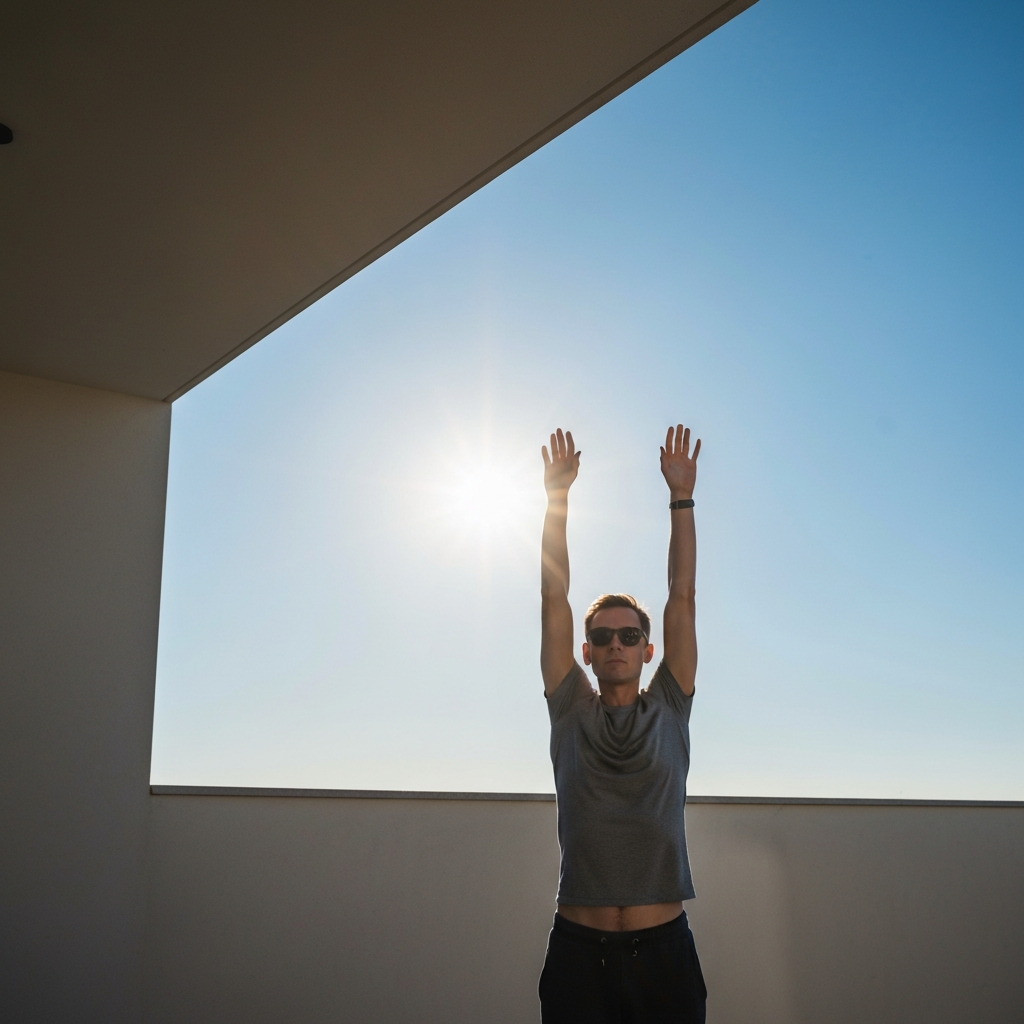
Light is a powerful regulator of your circadian rhythm. Expose yourself to bright light, preferably natural sunlight, early in the morning to help suppress melatonin production and promote alertness. Conversely, minimize exposure to blue light from electronic devices in the evening to avoid disrupting your sleep cycle. Consider using a blue light filter on your devices or wearing blue-light-blocking glasses. If natural light is limited, invest in a light therapy lamp.
Common Mistakes to Avoid
- Ignoring Individual Variation: Don't blindly follow generic advice. Your body is unique; tailor your approach accordingly.
- Inconsistent Sleep: Prioritize consistent sleep patterns for optimal circadian rhythm regulation.
- Overtraining During Low-Energy Periods: Schedule lower-intensity activities during energy dips to avoid burnout.
- Poor Nutrition Timing: Fuel your body strategically before and after workouts to maximize performance and recovery.
Pro Tips
- Experiment with different workout times and intensities to find what works best for you.
- Use a fitness tracker to monitor your sleep patterns and activity levels.
- Consult with a healthcare professional or certified trainer for personalized guidance.
FAQ Section
- Q: How long does it take to hack my fitness clock? A: It takes consistent effort over several weeks to months.
- Q: Can my chronotype change? A: Chronotype is relatively stable but can be influenced by lifestyle factors.
- Q: What if my schedule doesn't allow for optimal workout timing? A: Do the best you can to align your workouts with your energy levels, even if it's not perfect.
Conclusion
Hacking your body's natural fitness clock is a journey of self-discovery and optimization. By understanding your chronotype, tracking your energy levels, strategically scheduling workouts, prioritizing sleep, and fueling your body at the right times, you can unlock your full fitness potential. Remember that consistency and personalization are key. Embrace the process, experiment, and enjoy the benefits of a more aligned, energized, and effective fitness routine.