Forget the monthly fees and crowded workout rooms! Achieving peak fitness doesn't require a gym membership. Your body is a highly adaptable machine, and with a little ingenuity, you can leverage your environment and everyday activities to build strength, improve cardiovascular health, and enhance overall well-being. This guide will provide you with practical strategies to transform your home, office, and outdoor spaces into your personal fitness playground.
We'll explore bodyweight exercises, repurpose common household items, and introduce you to unconventional training methods that will challenge your muscles and ignite your metabolism. This isn't about quick fixes or fad diets; it's about adopting a sustainable lifestyle that integrates fitness into your daily routine. Get ready to unlock your body's potential and discover the joy of movement, all without stepping foot in a gym.
By learning to harness the power of progressive overload, mindful movement, and strategic recovery, you'll achieve results that rival any gym-based program. Prepare to be amazed by what your body can achieve!
Step 1: Mastering Bodyweight Basics
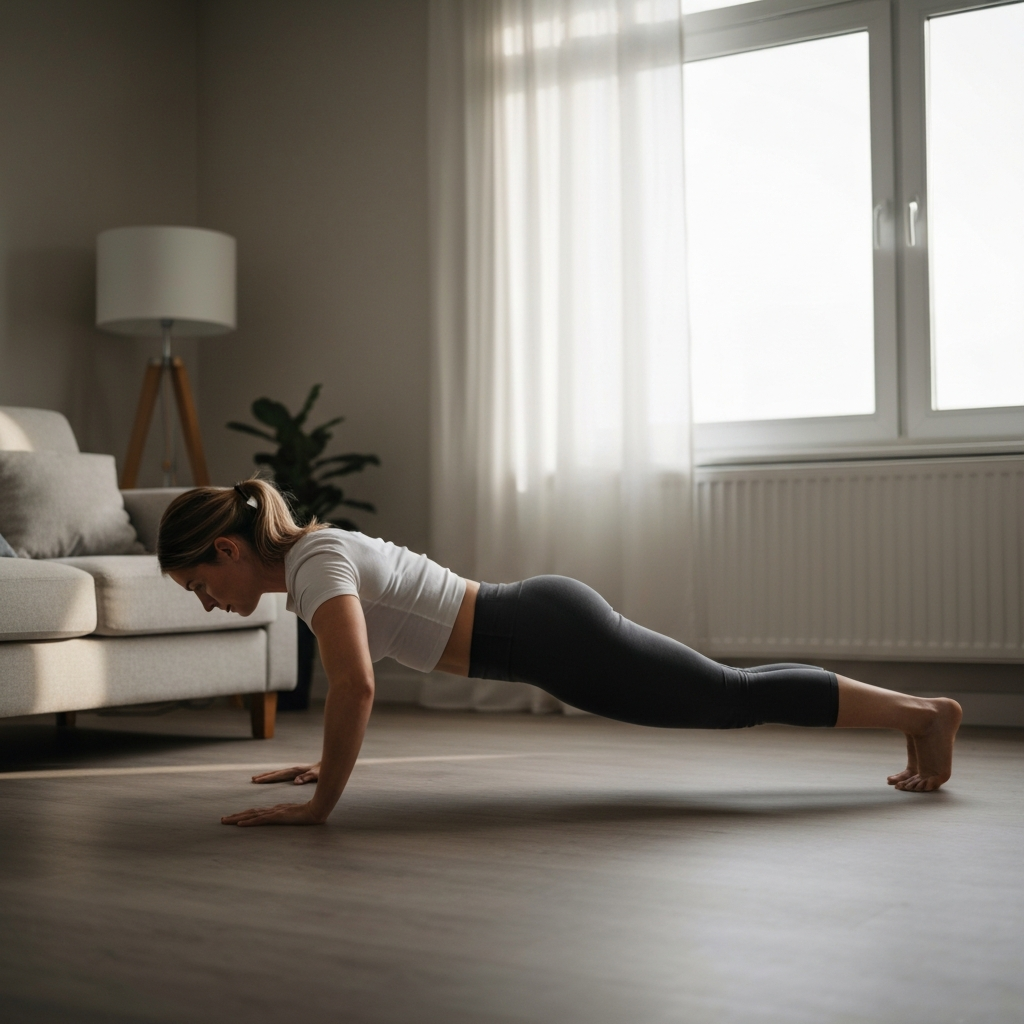
Bodyweight exercises are the cornerstone of any effective "fitness without the gym" strategy. They require no equipment and can be performed virtually anywhere. Focus on mastering fundamental movements like push-ups, squats, lunges, planks, and pull-ups (or pull-up variations). Proper form is paramount; prioritize quality over quantity to prevent injuries. Start with a manageable number of repetitions and gradually increase the volume as you get stronger. Don't underestimate the power of these seemingly simple exercises when performed with intention and progressive overload.
Step 2: The Power of Progressive Overload (Even Without Weights)
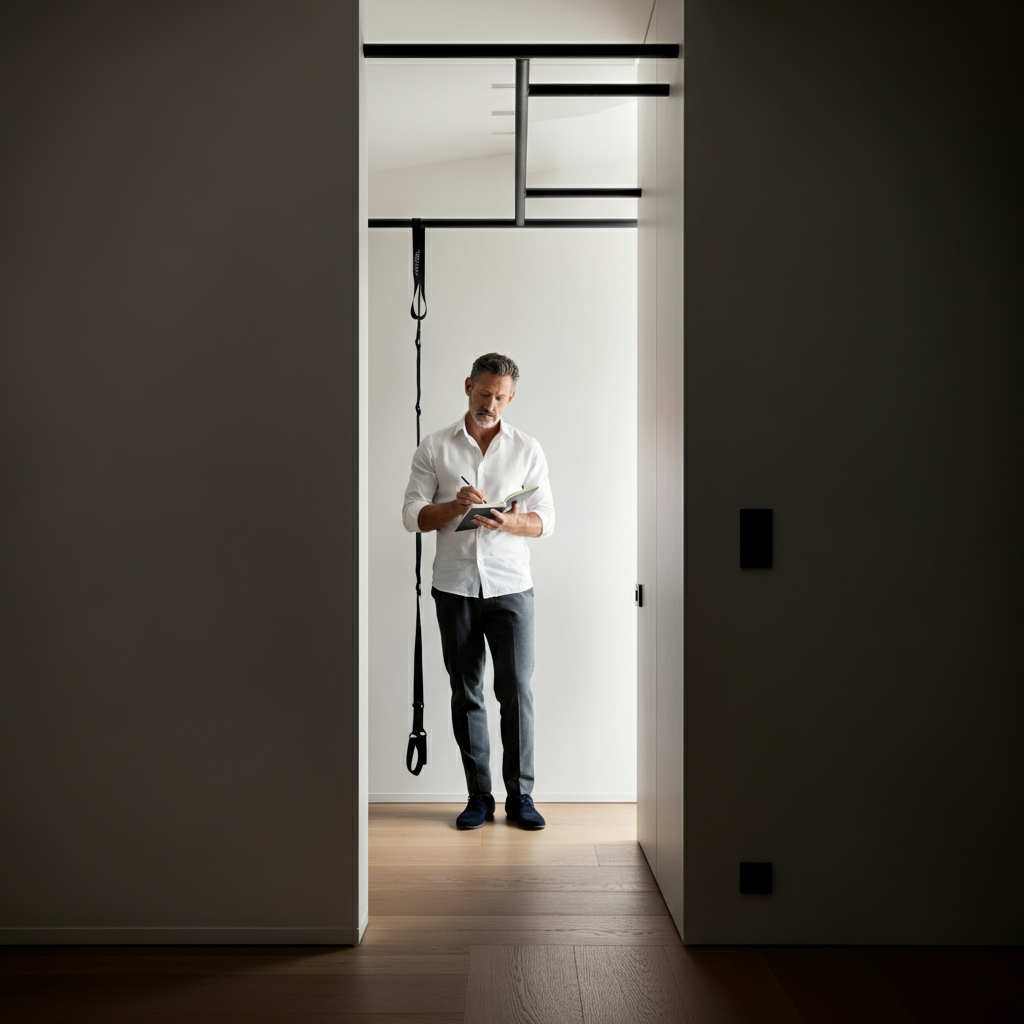
Progressive overload is the key to building strength and muscle, regardless of whether you're using weights or not. For bodyweight exercises, you can implement progressive overload in several ways. Increase the number of repetitions per set, reduce rest time between sets, or try more challenging variations of the exercise. For example, progress from knee push-ups to standard push-ups, or from assisted pull-ups to unassisted pull-ups. You can also add isometric holds (holding a position for a specific duration) to increase the intensity. Track your progress in a workout journal to ensure you're consistently challenging yourself.
Step 3: Repurposing Your Home Environment
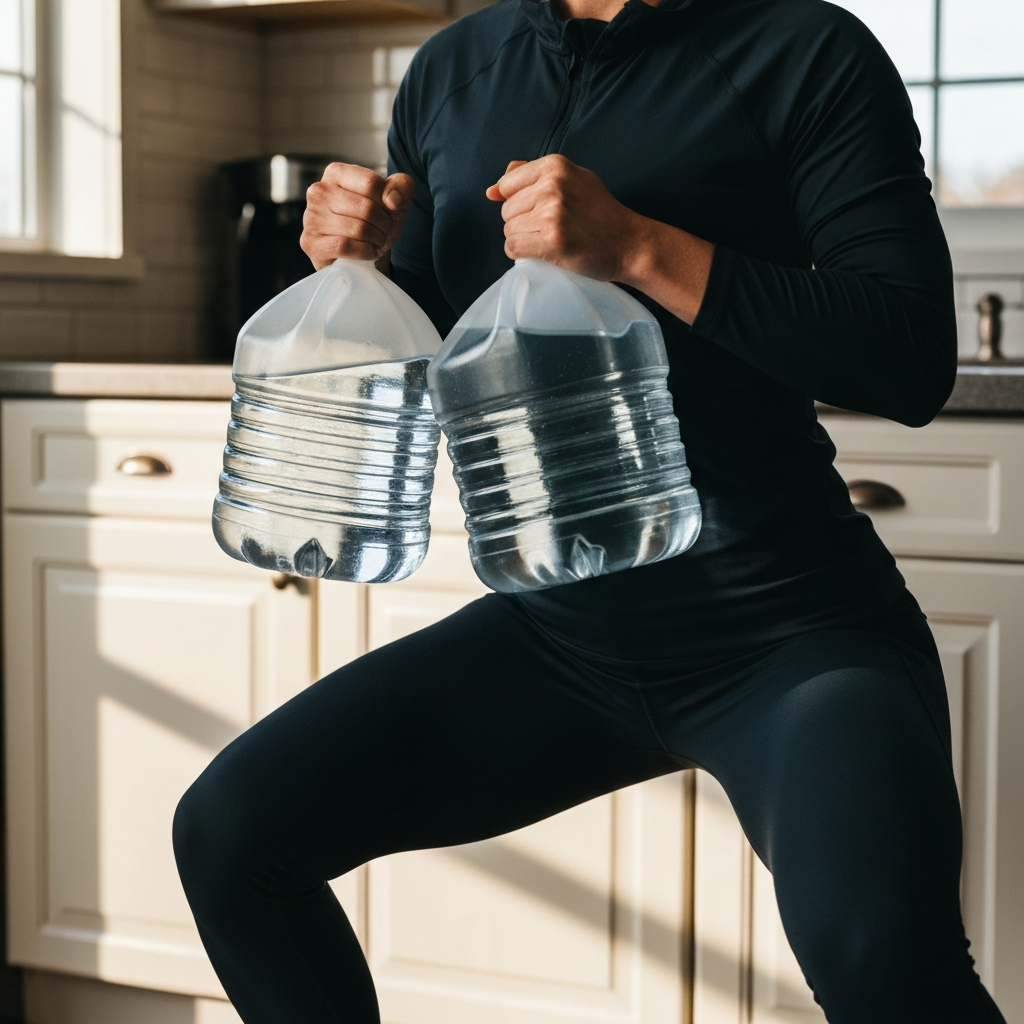
Look around your home; it's filled with potential fitness equipment! Use stairs for step-ups and cardio intervals. A sturdy chair can be used for tricep dips. A towel can serve as resistance for rows and stretches. Water jugs or filled backpacks can be used as makeshift weights for squats, lunges, or overhead presses. Get creative and think outside the box. Always prioritize safety and ensure that any repurposed equipment is stable and can safely support your weight. Experiment and find what works best for you and your fitness goals.
Step 4: High-Intensity Interval Training (HIIT) Anywhere
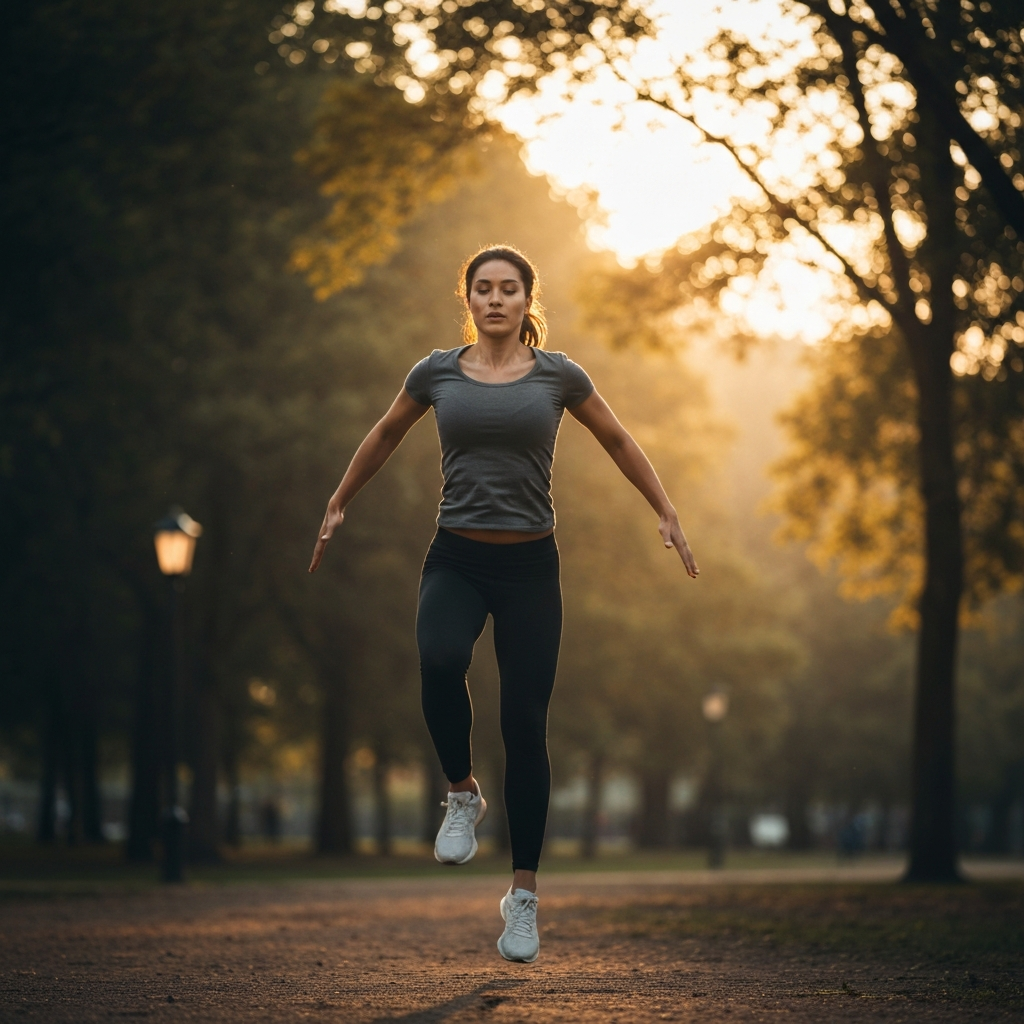
HIIT is a highly effective method for burning calories and improving cardiovascular fitness in a short amount of time. It involves alternating between short bursts of intense exercise and brief recovery periods. You can adapt HIIT to various bodyweight exercises like burpees, jumping jacks, mountain climbers, and sprints (if you have outdoor space). A typical HIIT workout might consist of 30 seconds of work followed by 15 seconds of rest, repeated for 10-20 minutes. HIIT is demanding, so start with shorter intervals and gradually increase the intensity and duration as your fitness improves.
Step 5: Active Recovery and Mobility
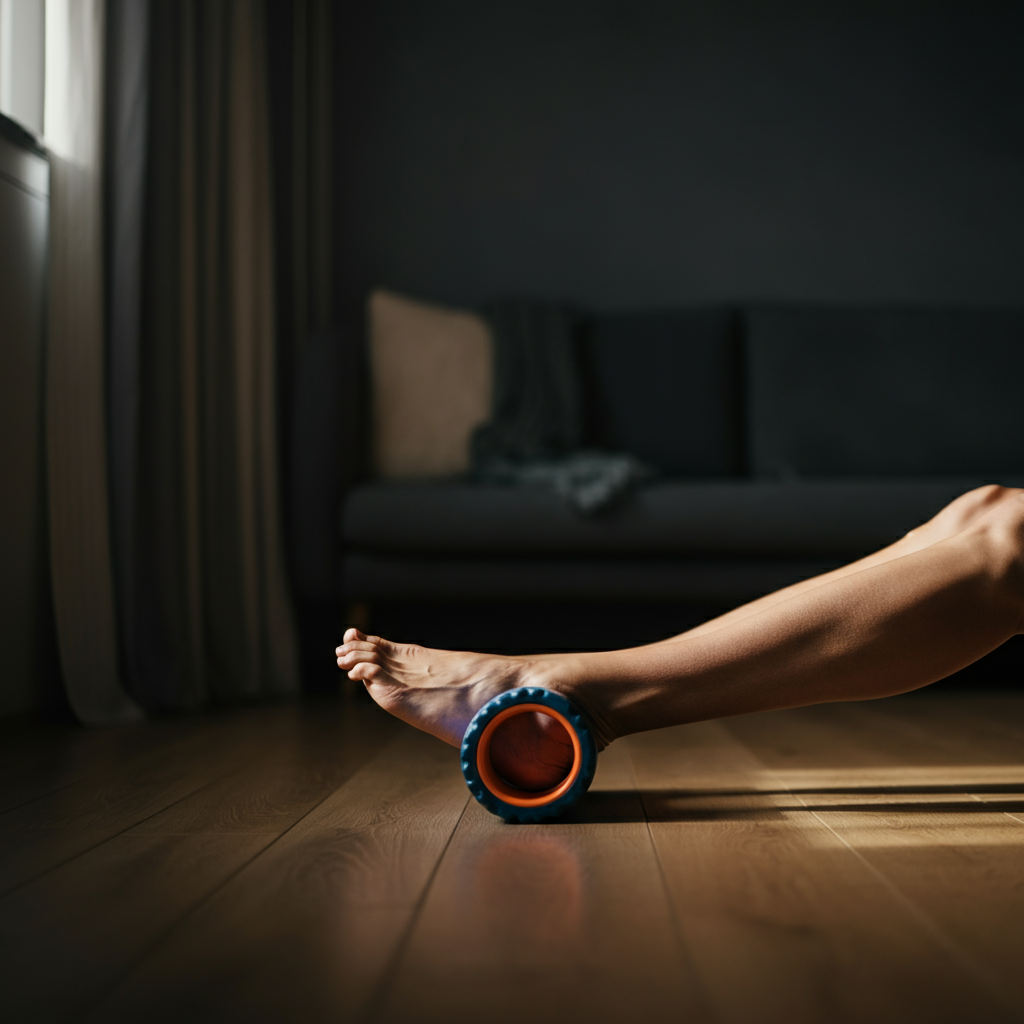
Recovery is just as important as the workout itself. Active recovery, such as light stretching, yoga, or foam rolling, can help reduce muscle soreness and improve flexibility. Focus on dynamic stretches before your workouts to prepare your muscles for activity, and static stretches after your workouts to improve range of motion. Prioritize sleep and proper nutrition to support muscle recovery and overall well-being. Neglecting recovery can lead to injuries and hinder your progress.
Step 6: Incorporating Movement Into Your Daily Routine
Look for opportunities to incorporate movement into your daily activities. Take the stairs instead of the elevator, walk or bike to work instead of driving (if feasible), or take short breaks to stretch or do some squats. Small changes can add up over time and significantly improve your overall fitness level. Make a conscious effort to be more active throughout the day, even on days when you don't have time for a formal workout.

Step 7: Mindful Movement and Body Awareness
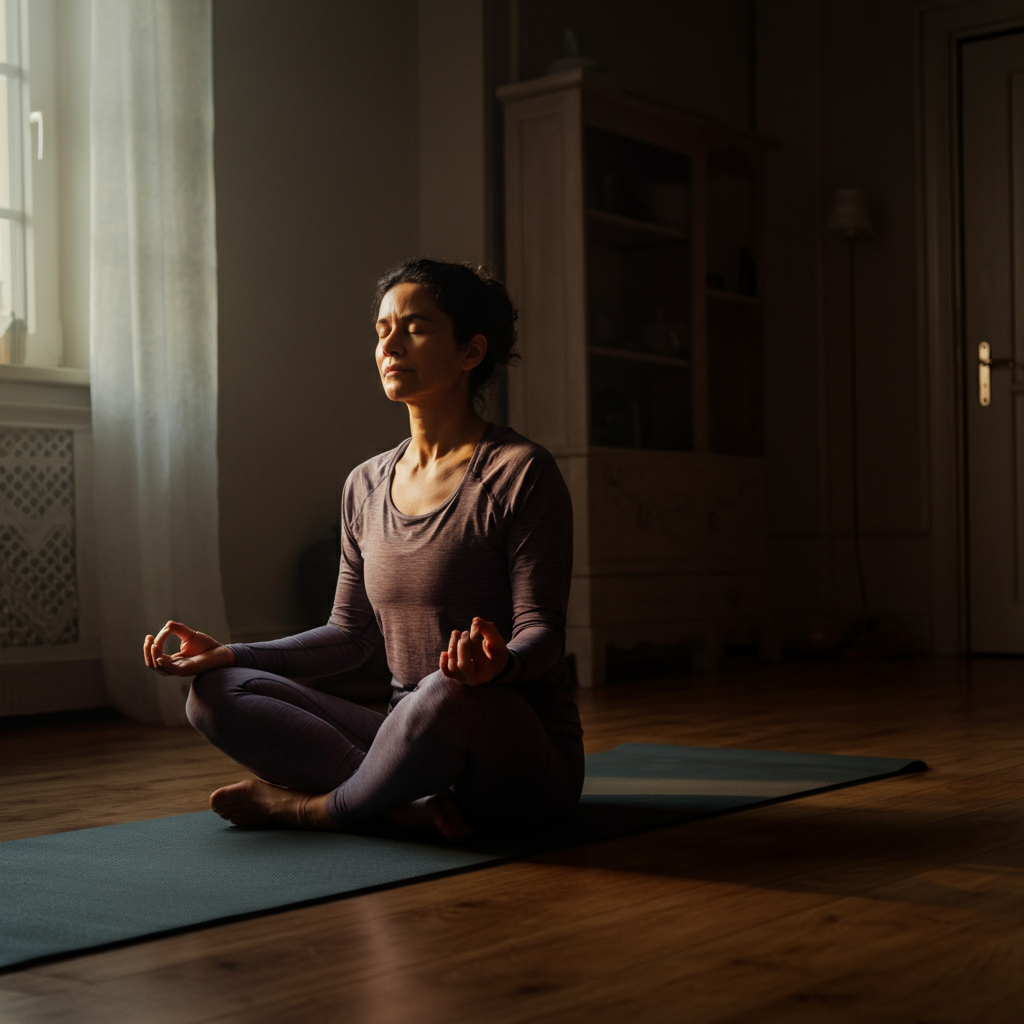
Pay attention to your body and how it feels during exercise. Focus on engaging the correct muscles and maintaining proper form. Avoid pushing yourself too hard, especially when starting. Listen to your body's signals and rest when you need to. Developing body awareness will help you prevent injuries and maximize the effectiveness of your workouts. Consider incorporating mindfulness techniques, such as meditation or deep breathing, to enhance your connection with your body.
Tools or Materials Required
- A sturdy chair
- A towel
- Water jugs or a backpack
- A workout journal
- Foam roller (optional)
- Pull-up bar (optional)
Common Mistakes to Avoid
- Poor form
- Overtraining
- Neglecting recovery
- Not tracking progress
- Using unstable or unsafe equipment
Safety Considerations
- Consult with a healthcare professional before starting any new exercise program.
- Warm up before each workout and cool down afterward.
- Use proper form to prevent injuries.
- Listen to your body and rest when you need to.
- Ensure that any repurposed equipment is stable and can safely support your weight.
FAQ Section
- How often should I workout?
- Aim for at least 3-4 workouts per week, allowing for adequate rest and recovery between sessions.
- How long should my workouts be?
- Workouts can range from 20-60 minutes, depending on your fitness level and goals.
- What if I don't have any equipment?
- You can still get a great workout using just your bodyweight.
- How do I stay motivated?
- Set realistic goals, track your progress, find a workout buddy, and make exercise enjoyable.
In conclusion, achieving fitness without the gym is entirely possible with creativity, dedication, and a willingness to embrace unconventional training methods. By mastering bodyweight exercises, repurposing your home environment, incorporating HIIT, and prioritizing recovery, you can transform your body and enhance your overall well-being. Remember to listen to your body, track your progress, and most importantly, have fun!