First impressions matter, and when selling a home, curb appeal is your first (and often only) chance to make a stellar one. Potential buyers often make snap judgments within seconds of seeing a property from the street. Boosting your curb appeal can significantly increase the perceived value of your home, leading to more viewings, better offers, and a faster sale. Don't underestimate the power of a well-maintained exterior – it speaks volumes about the care and attention given to the entire property.
Curb appeal isn't just about aesthetics; it's about creating a welcoming and inviting atmosphere. It signals to buyers that the home is well-cared for and move-in ready. It's also a surprisingly cost-effective way to increase your home's marketability. Small investments in landscaping, painting, and exterior detailing can yield significant returns when it comes time to sell. This guide provides a step-by-step approach to enhancing your curb appeal, ensuring your home makes a memorable first impression.
By meticulously addressing each aspect of your home’s exterior, you’re not just improving its look; you're crafting a narrative of quality and comfort, making your property irresistible to potential buyers. This in turn will increase the likelihood of achieving your desired selling price.
Step 1: Assess and Plan
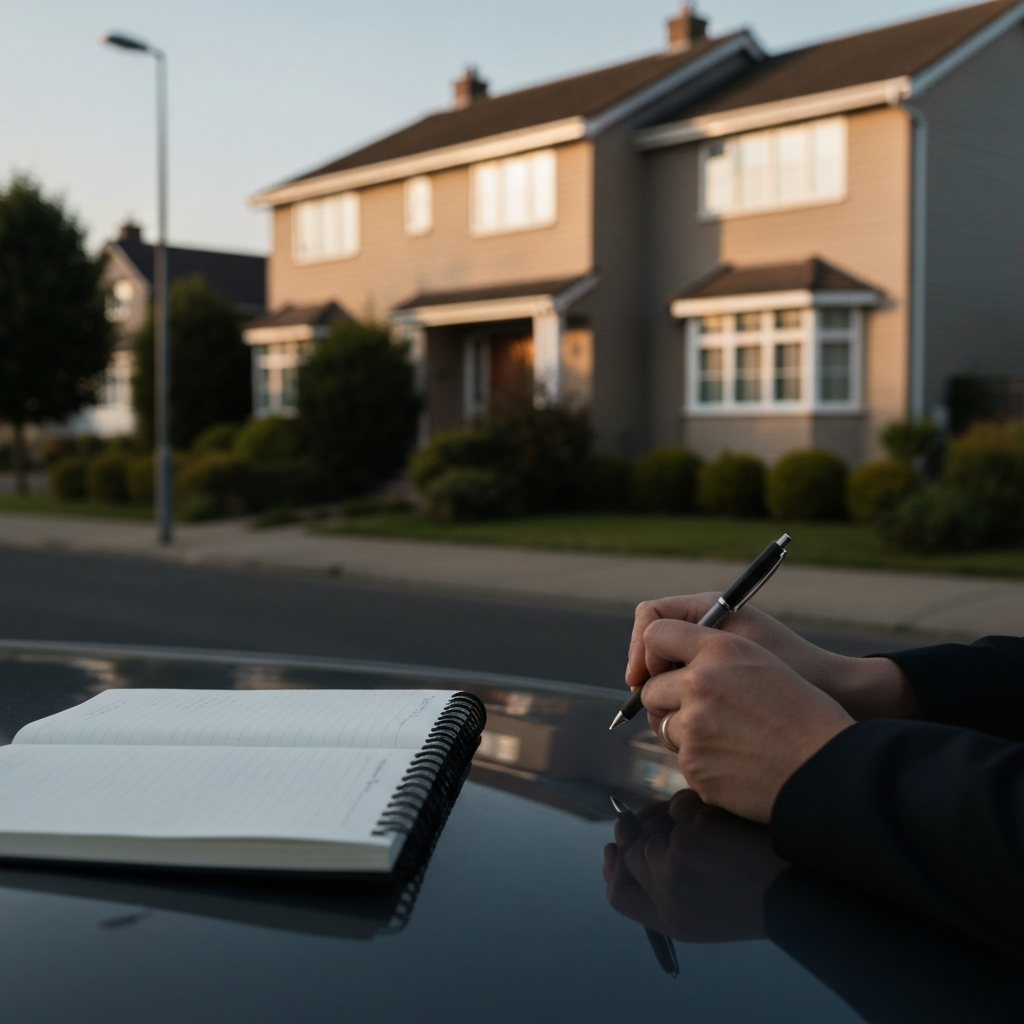
Before diving into any projects, take a step back and critically assess your home's current curb appeal. Stand across the street and view your property as a prospective buyer would. What are the immediate issues that stand out? Note areas that are dated, unkempt, or simply unattractive. Are there any obvious repairs needed, such as peeling paint, broken shutters, or a sagging porch? Make a list of everything that needs attention, from the roof to the mailbox.
Step 2: Deep Clean Everything
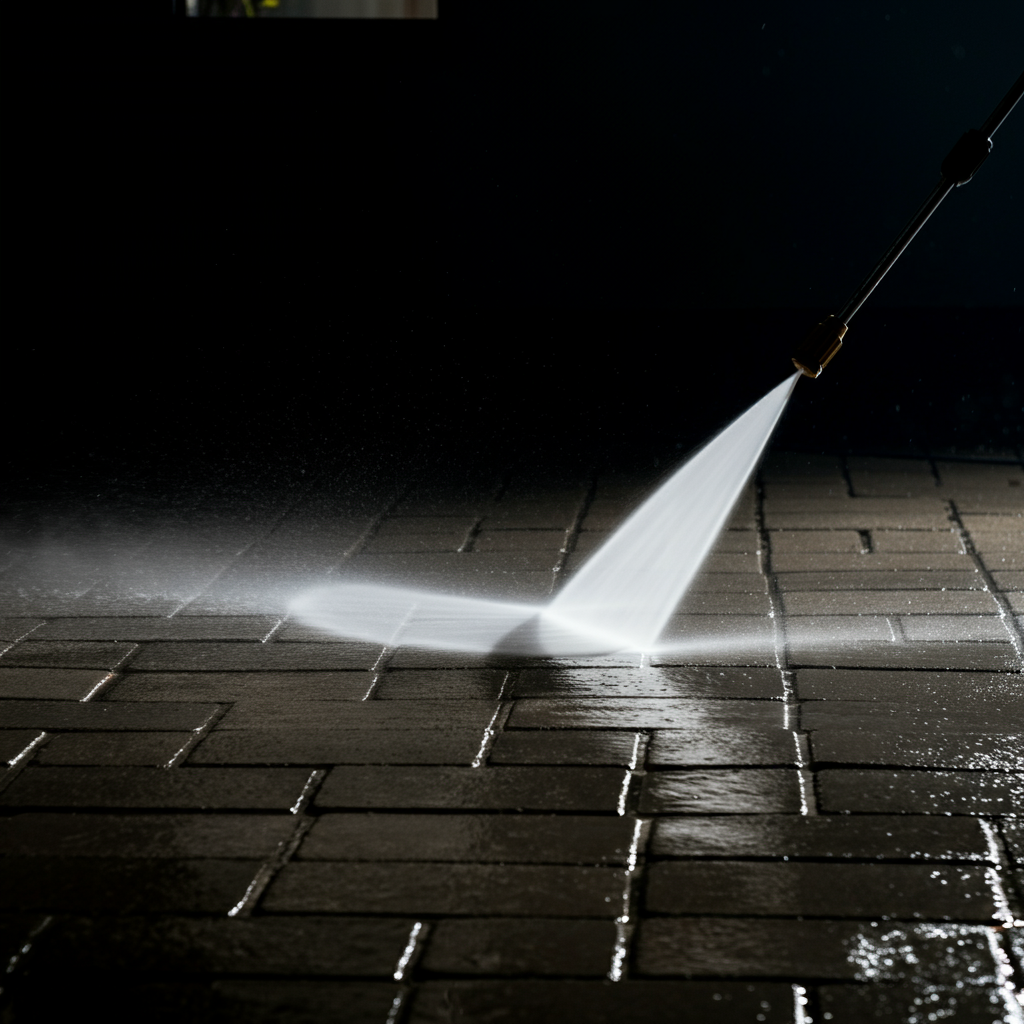
A thorough cleaning can instantly boost your curb appeal without costing a fortune. Start by power washing the exterior of your home, including the siding, driveway, walkways, and any brick or stone features. Pay close attention to removing dirt, grime, mildew, and algae. Clean windows inside and out for maximum sparkle, and wash or replace any dirty or stained exterior light fixtures. Don't forget to clean out gutters and downspouts, ensuring they are free of debris and functioning properly.
Step 3: Landscaping Refresh
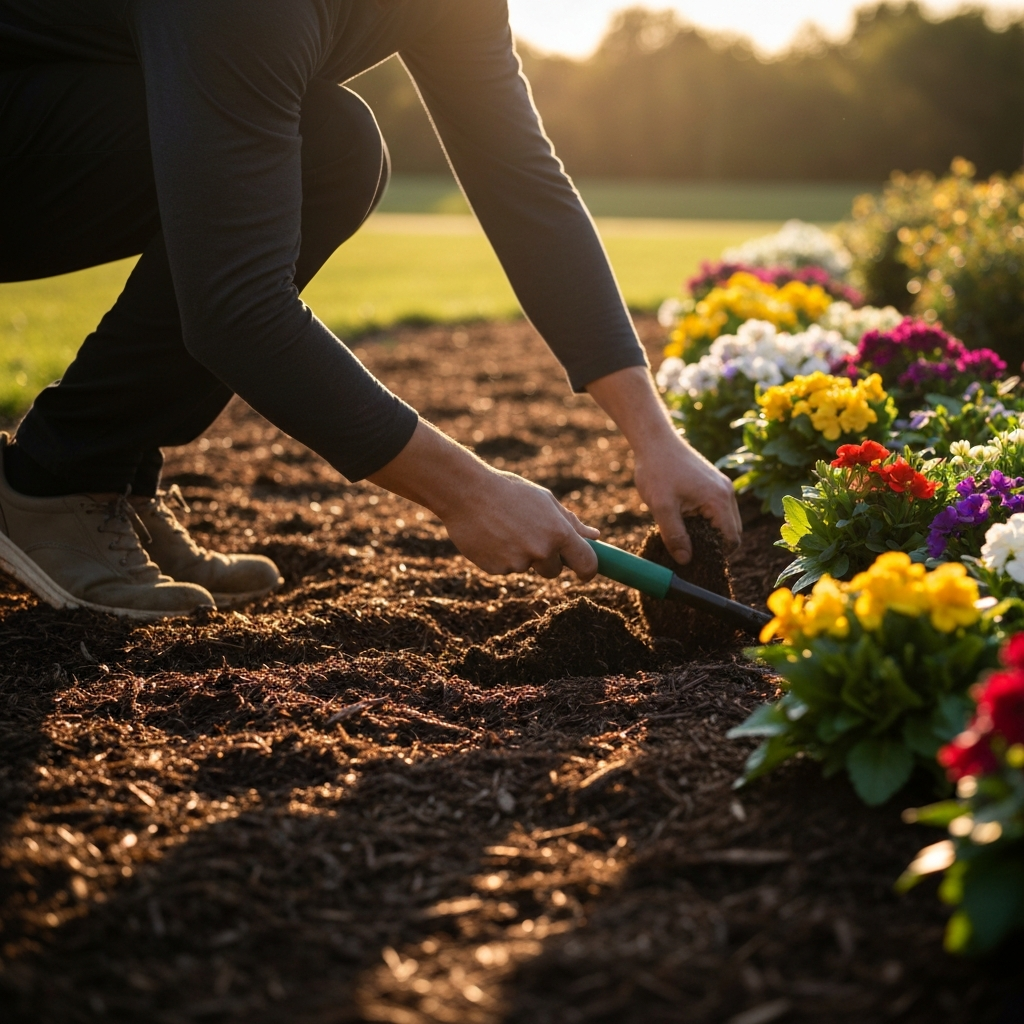
Landscaping plays a crucial role in curb appeal. Start by mowing the lawn, trimming hedges, and weeding flower beds. Remove any dead or dying plants, and consider adding fresh flowers or greenery to brighten up the space. Mulch flower beds to give them a neat and polished look. If your lawn is patchy, consider reseeding or laying sod to create a lush, green carpet. Pay attention to edging along walkways and driveways for a clean and defined appearance.
Step 4: Paint and Repair
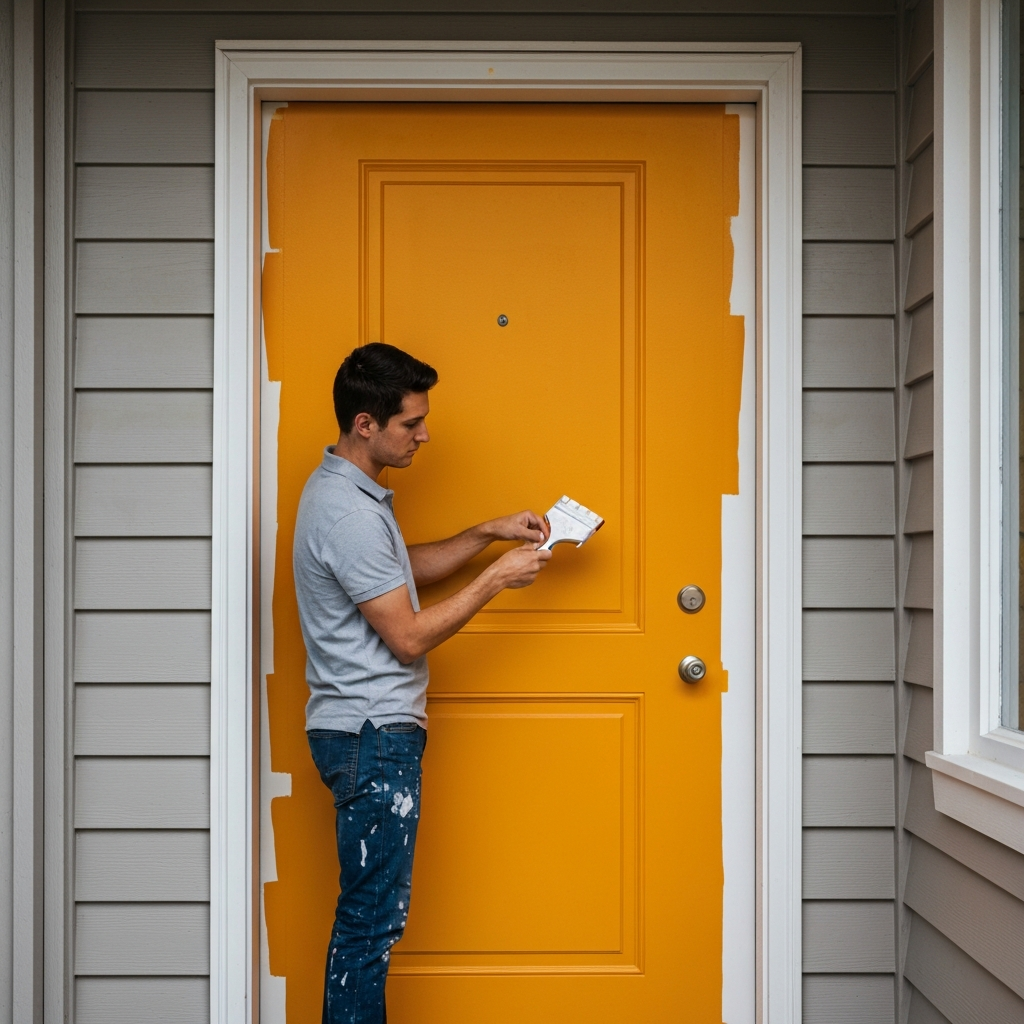
Fresh paint can work wonders for transforming the look of your home. If your exterior paint is faded, peeling, or outdated, consider giving it a fresh coat. Choose colors that are appealing and complement the style of your home. Repair any damaged siding, trim, or shutters before painting. Don't neglect the front door! A brightly colored or newly painted front door can be a welcoming focal point. Check all outdoor railings, steps, and porches for safety and make necessary repairs. If you have a fence, examine it for broken or missing pieces and repaint or stain it for a clean, uniform look.
Step 5: Accessorize and Add Details
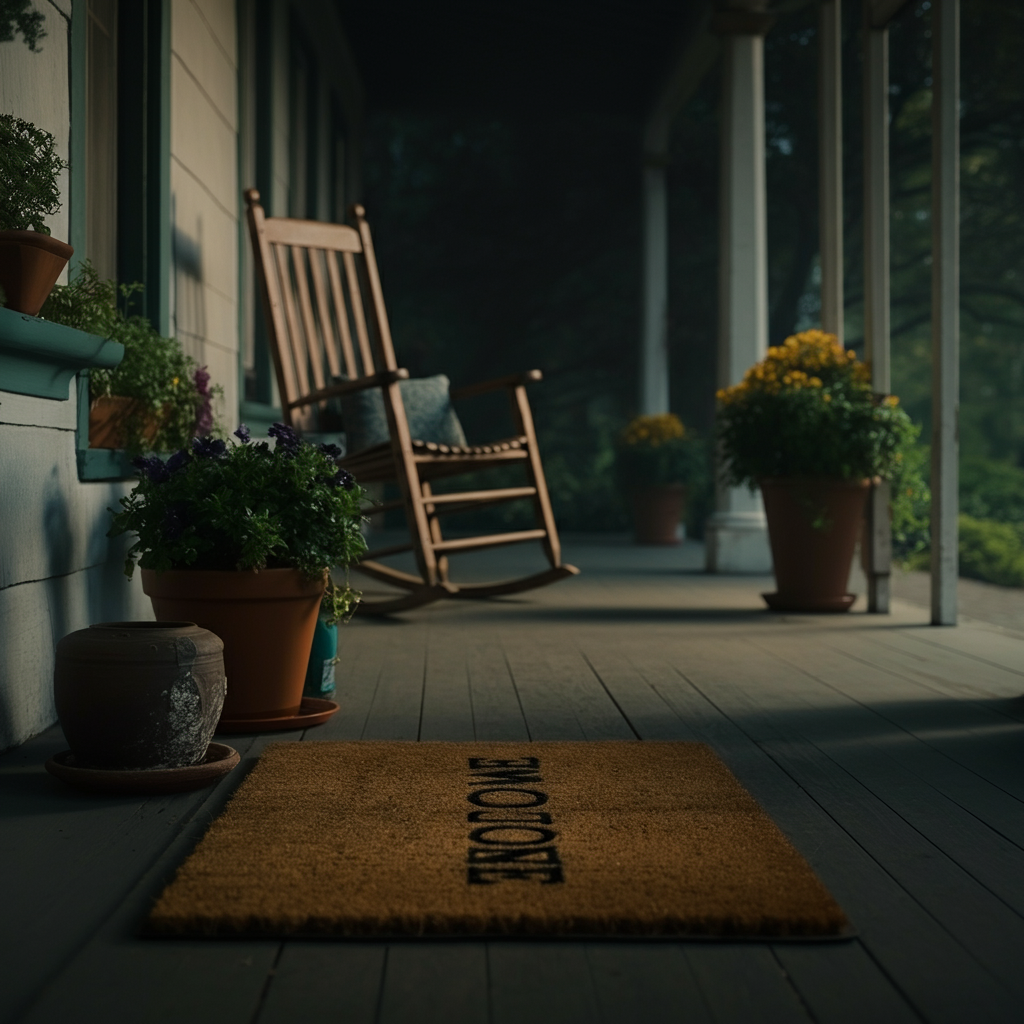
The finishing touches can make a big difference in curb appeal. Replace your mailbox with a newer, more stylish model. Install updated house numbers that are easy to read from the street. Add outdoor lighting to highlight your home's features and create a warm, inviting ambiance at night. Consider adding a few potted plants or hanging baskets to the porch or entryway. Place a new welcome mat at the front door and consider adding some outdoor furniture, such as a bench or rocking chairs, to create a welcoming seating area.
Tools or Materials Required
- Pressure washer
- Cleaning supplies (soap, mildew remover)
- Gardening tools (lawnmower, trimmer, edger, rake)
- Landscaping materials (mulch, flowers, plants)
- Paint and painting supplies (brushes, rollers, drop cloths)
- Repair tools (hammer, nails, screws, saw)
- New mailbox and house numbers
- Outdoor lighting fixtures
- Potted plants and outdoor furniture
Common Mistakes to Avoid
- Neglecting minor repairs, such as a loose shingle or cracked walkway.
- Choosing paint colors that are too bold or clash with the neighborhood.
- Over-landscaping and creating a high-maintenance yard.
- Failing to keep the yard clean and tidy.
- Ignoring the front door – it's the first thing potential buyers see up close.
Safety Considerations
- Always wear appropriate safety gear when using power tools or chemicals.
- Be careful when working on ladders or elevated surfaces.
- Ensure all electrical work is done by a qualified professional.
- Keep children and pets away from work areas.
- Follow all manufacturer's instructions for using power tools and chemicals.
Pro Tips
- Consider hiring a professional landscaper or exterior designer for a consultation.
- Drive around your neighborhood to get inspiration for curb appeal ideas.
- Ask your real estate agent for feedback on your curb appeal improvements.
- Take before-and-after photos to showcase the transformation.
FAQ Section
Q: How much should I spend on curb appeal improvements?
A: A good rule of thumb is to spend 1-3% of your home's value on curb appeal improvements.
Q: What are the most important curb appeal improvements?
A: The most important improvements are cleaning, landscaping, painting, and repairing any visible damage.
Q: How long will it take to improve my curb appeal?
A: The time it takes will depend on the scope of the project. A simple cleaning and landscaping refresh can be done in a weekend, while more extensive projects may take several weeks.
Conclusion
Creating a curb appeal that sells is an investment that pays off handsomely. By following these steps, you can transform your home's exterior into a welcoming and attractive space that captures the attention of potential buyers. Remember that even small improvements can make a big difference, so don't be afraid to start with the basics and gradually add more details as needed. With a little effort and attention, you can create a curb appeal that helps your home sell quickly and for top dollar.